
History | Travel
Visiting the Ancient City of Nesebar, the Pearl of the Black Sea
A seaside Bulgarian town with a 3,000-year-old history
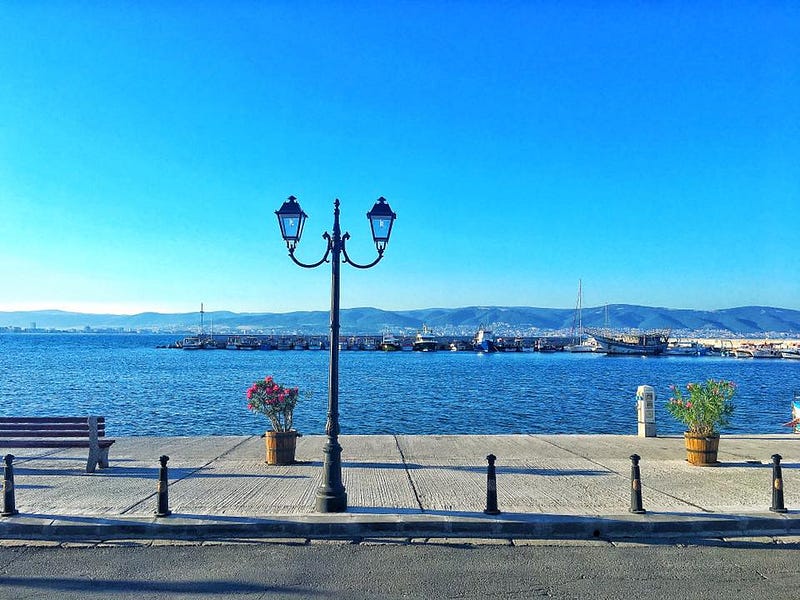
Growing up, the beach was an hour’s drive away. Being near the sea has always felt magical. So, I didn't need much convincing when a buddy invited me to his group for a trip to Sunny Beach, Bulgaria. I had never visited the Black Sea shore and was looking forward to it.
But little did I realize I was in for a surprise.
A stone’s throw away from Sunny Beach's glamorous seaside resorts is the ancient city of Nesebar. Dubbed the “Pearl of the Black Sea,” it is indeed a gem for travelers. Even though I love going for swims and eating at seaside restaurants, my favorite thing to do is take long walks in historic places.
Our trip to Nesebar was rushed, but I recommend visiting this gorgeous town. The city has a 3,000-year-old history that lives on through its fortifications and churches. It was one of the first settlements to mint coins. The aroma of roses wafts across a bustling market tucked away among the ruins and heritage buildings.
My journey to Nesebar wasn’t typical. I was flying from Vienna and took a longer route. Before going to Sunny Beach, we stopped in Sofia, Bulgaria’s capital.
A Pitstop in Sofia
I arrived in Sofia and was pleasantly surprised to encounter friendly immigration personnel. The officer reviewing my documents showed me photos of his stint as a stuntman in a Bollywood movie. I was taken aback. Immigration is the least enjoyable part of travel. One is fortunate to clear immigration without hassle. But in Bulgaria, the officers were welcoming and even cracked jokes.
Sofia is a city with many faces. Vibrant nightlife, bustling markets, and new high-rises coexist with dreary Soviet-style apartments. We stopped at a friend’s house before heading to Vitosha Boulevard for dinner. The street is lined with designer outlets and heritage buildings.
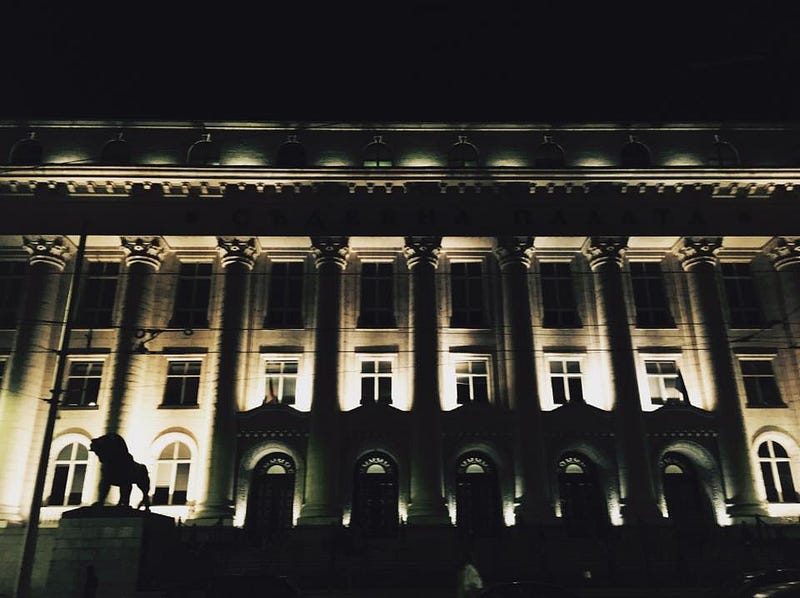
The majestic Palace of Justice is one of the most prominent government buildings on the boulevard. Locals explained that the purpose of this “palace” was to merge all of the city’s courts under one roof. The Palace of Justice’s construction began in 1929 and was finished in 1940. It has 24 courtrooms.
We had little time to see Sofia because we were headed to Sunny Beach the next day. The drive takes around five hours(412 km) with breaks. Surprisingly, the cashiers at every gas station knew English, and some spoke German. A shorter route to Sunny Beach is to fly directly to Burgas airport, half an hour away.
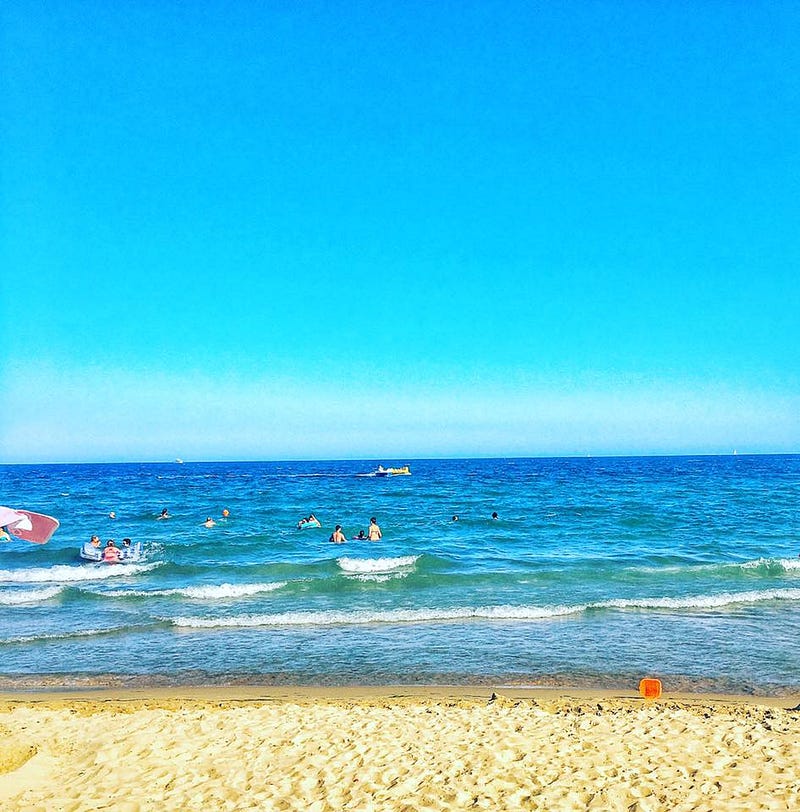
Sunny Beach is a relatively new city, built in 1958 as a seaside getaway. The town has been growing since. I asked the property manager where we were staying and if there were any famous historical landmarks in the area, and she replied, “Check out Nesebar. It’s nearby, and you’ll really like it.”
She was right.
A Contrasting World
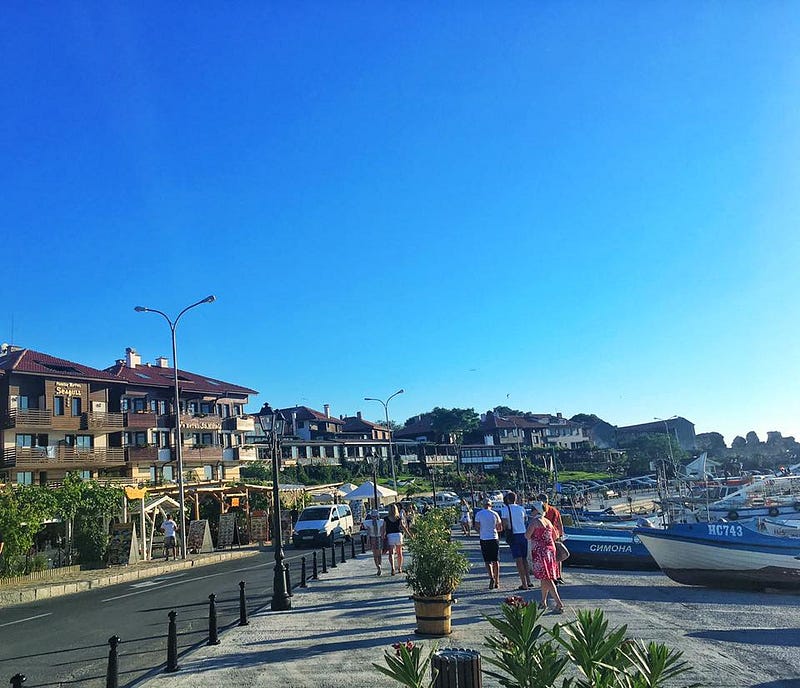
Nesebar, a ten-minute drive from Sunny Beach, was another world. Sunny Beach was all about glamor and luxury, while Nesebar was keen on preserving its 3,000-year-old culture.
Underwater archaeological investigations led by archaeologist Lyuba Ognenova-Marinova of the Bulgarian Academy of Sciences revealed five stages of urbanization along the Nesebar coast beginning at the end of the second millennium BC. Ognenova-Marinova was crucial in securing Nesebar's UNESCO World Heritage site status.
The Thracians established Nesebar, initially called Menabria after its founder, Menas. They spoke an Indo-European language and lived in modern-day Bulgaria, Romania, and parts of Greece and Turkey from the Bronze Age (about 1500 BC) to the sixth century AD.
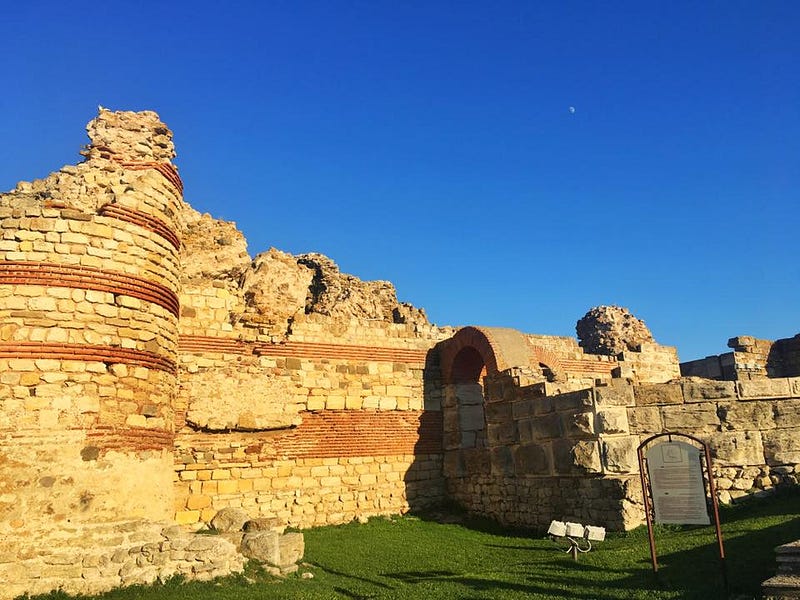
The city’s fortifications, which date back to the eighth century BC, are the most prominent Thracian remnants and will greet you as you enter the historic zone. Later, Greeks and Romans strengthened the city’s defenses. Early Byzantine rulers used a mix of brick and stone, as seen on the walls today. The defensive structures lost their strategic importance after Ottoman control in the fifteenth century. They were abandoned and never repaired.
Menabria had grown into Mesembria, a Greek colony, by the sixth century BC. An acropolis, an agora, and an Apollo temple are among the most notable Hellenistic remnants.
Nesebar was one of the world’s first settlements to produce coinage. Silver and bronze coins were widely used in the fifth century, while gold coins were introduced in the third century BC. The Romans conquered Nesebar in 71 BC. But the city kept its right to mint coins, a rare privilege granted by the Romans.
The Churches of Nesebar
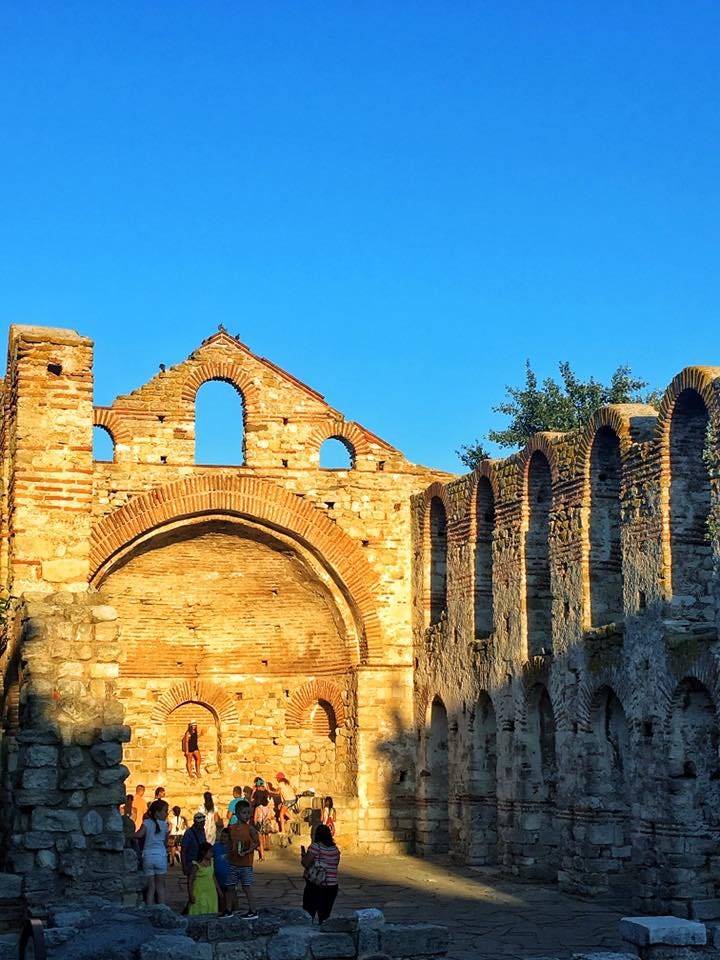
There are forty churches in and around Nesebar. The Hagia Sophia, also known as the Church of St. Sophia, is the best-known and oldest church. Built between the late fifth and early sixth centuries, it served as the city's principal church, like its more famous counterpart in Constantinople.
Nesebar’s Hagia Sophia was reconstructed around the ninth century. The reason is unknown, but it is possible that the early clashes between the Byzantines and Bulgars destroyed the church.
Before the Byzantines retook control of the city in 864, Nesebar was a part of Khan Krum’s First Bulgarian Empire. It wasn’t until the early tenth century that Bulgar Tsar Simeon I reclaimed the city for Bulgaria. This period of upheaval must have damaged the Hagia Sophia at Nesebar. The city’s governors repaired it, but the monument suffered greatly during a clash with Venice in 1257.
The basilica was finally abandoned in the eighteenth century.
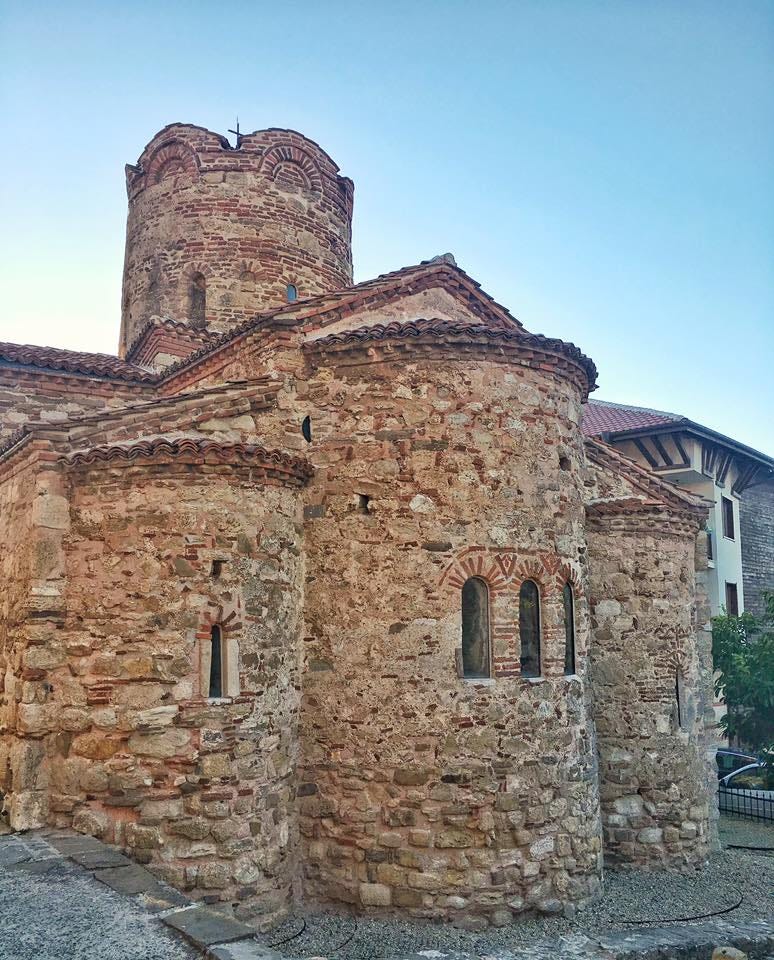
In contrast to the crumbling Hagia Sophia, the Church of St. John the Baptist, which dates back to the tenth century, is well preserved. A cylindrical structure rises above the church’s center, with three hemispherical domes on the exterior. Much of the ancient church survives, giving us an excellent idea of how it looked back then. The construction is simple, with stones and bricks. Inside the church are frescoes from a later period, dating from the fourteenth to the seventeenth century.
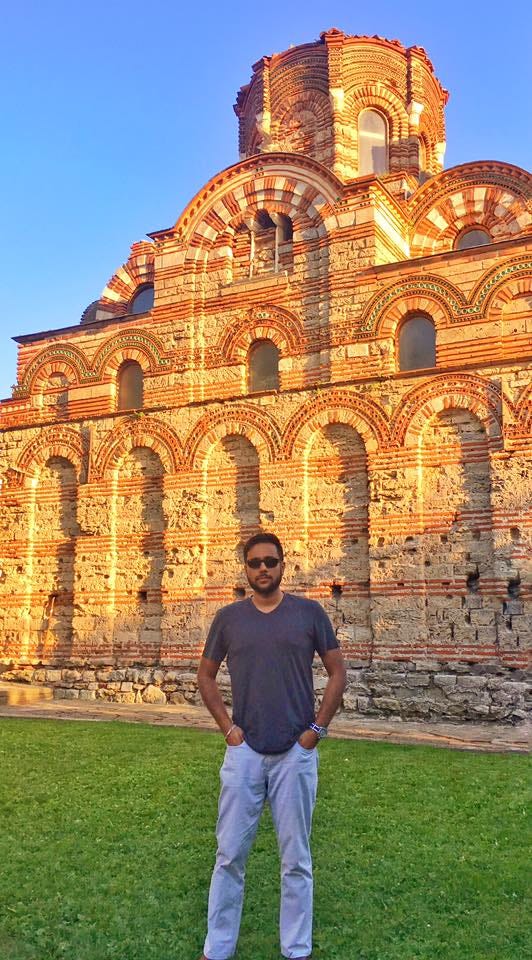
We didn’t see all of Nesebar’s churches, but the Church of the Holy Archangels Michael and Gabriel caught my attention. This is a much later construction built during the thirteenth and fourteenth centuries, and the stylistic differences are evident—the exterior shifts from the simple design of the early Byzantine churches to a more ornate one. The central vault is the largest, and two smaller arches merge into it.
Unfortunately, our time was limited, hence I couldn’t visit the Nesebar Archaeological Museum. When we went, the museum was closed. Collecting coins was my childhood hobby, so I regretted missing the chance to see some of the world’s oldest coins displayed at the museum. If you plan a trip to Sunny Beach, I recommend adding Nesebar’s museum to your itinerary.
The City With a Rosy Image
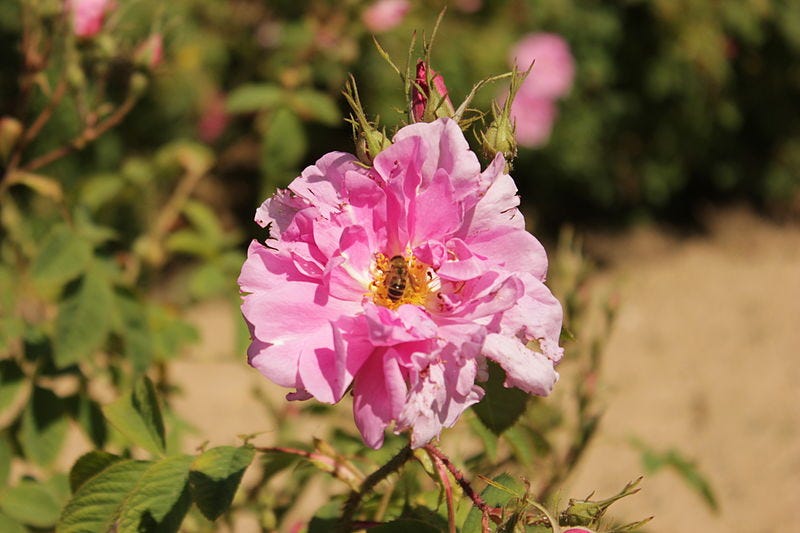
Nesebar has been an important trading center since the sixth century BC. Walking around the historic district, you can get a sense of the commercial activities of the past.
Rose products are a typical sight in most stores. Various rose-flavored items are available, including tea, oil, water, jams, and soaps. Bulgarians love roses.
The history of roses in Bulgaria is obscure. According to legends, Alexander the Great’s Thracian troops introduced the flower after returning from Asian campaigns. The popular Kazanlak or Bulgarian rose, with its distinctive pale pink color, was most likely introduced during the Middle Ages. The rose is prized for its oil and is a sought-after luxury.
Rose tea and rose jam sparked my curiosity. Bulgarian rose tea is made with black tea. The best way to enhance the flavor of tea is to subtly incorporate other ingredients without masking its inherent flavor. Most “rose teas” I’ve seen are tisanes, which don’t contain real tea. But in Bulgaria, there is no compromise. They figured out how to combine two things people love: tea and roses.
I picked up some rose tea and rose jam.
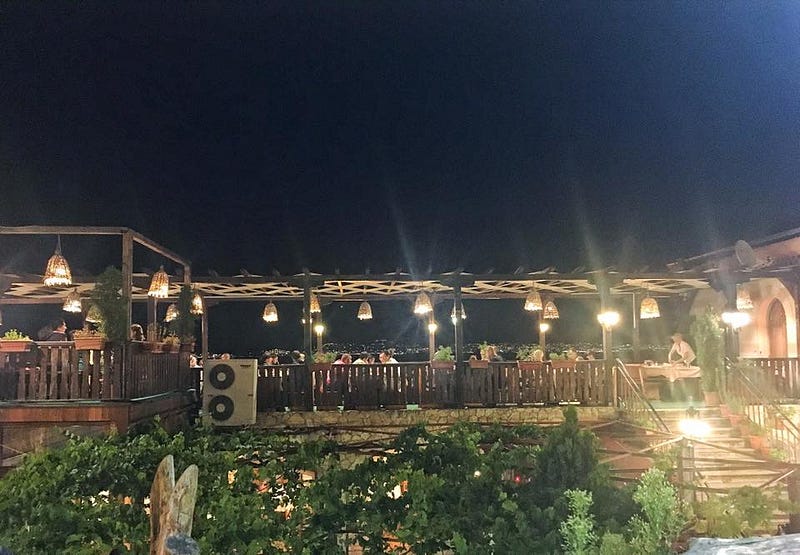
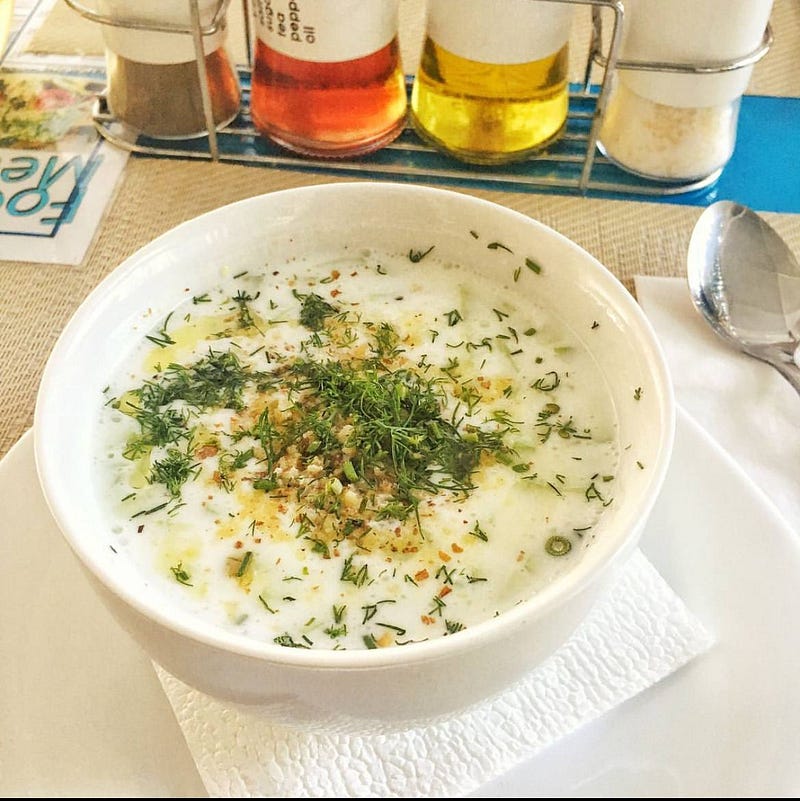
After a tiring day of sightseeing and shopping, we had dinner in a restaurant with a sea view. I’m unsure if we had authentic Bulgarian food or something catered to tourists, but I wasn’t complaining. After walking for hours in the scorching sun, I found the cold cucumber soup with lots of dill, called Tarator, refreshing.
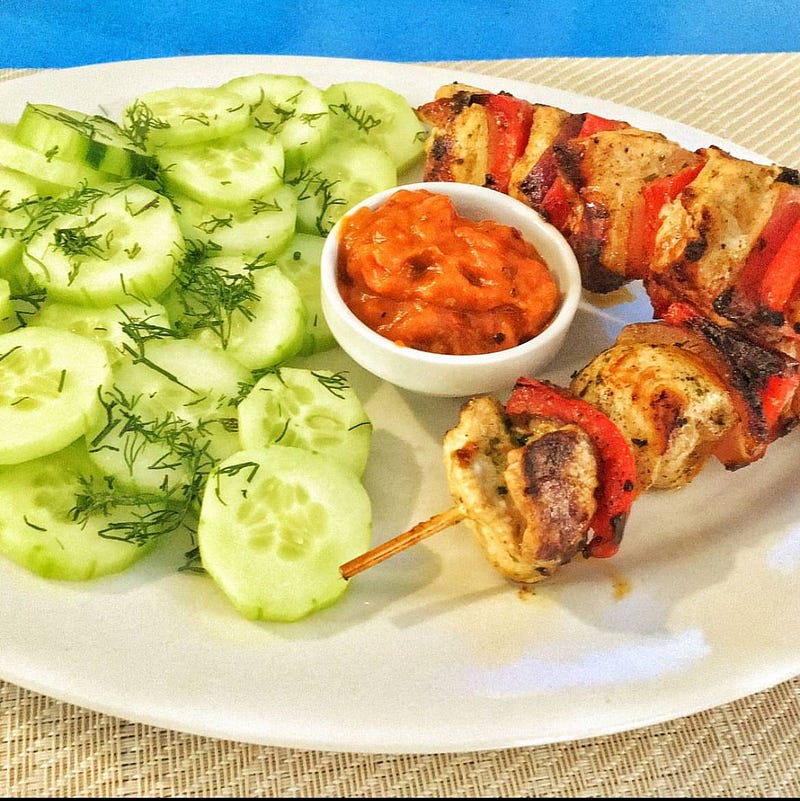
I followed this up with grilled chicken skewers with cucumbers and a roasted red pepper dip, the dish’s star. Red peppers are abundantly used in Bulgarian cuisine, and I love them. They’re one of my favorites.
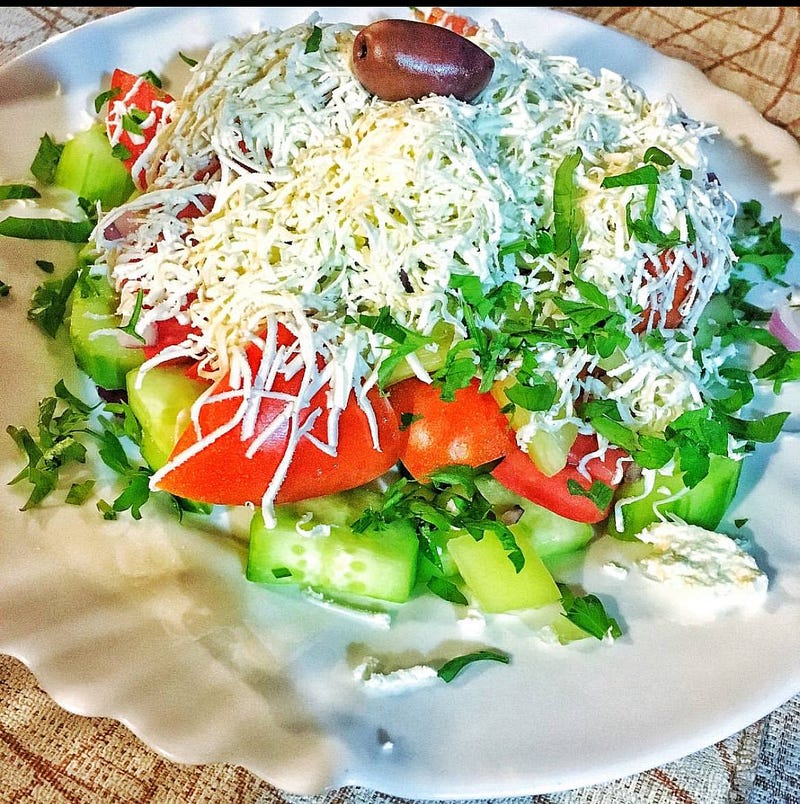
But the meal's highlight was the Shopska salad, a Bulgarian salad made with red peppers, tomatoes, cucumbers, scallions, and olives served with a mountain of grated Sirene cheese. The cheese tastes similar to feta. It looks like a regular salad with a ton of cheese, but this is one of the best salads I’ve had and is perfect for summer.
After a hearty meal, we headed back to Sunny Beach. I spent a couple more days there before traveling back to Vienna. This trip was in 2017, yet I haven’t forgotten it. The photos make me want to visit Bulgaria again, a picturesque country with friendly people and world-class tourist facilities. Nesebar will always hold a special place in my heart because it was the most memorable part of our vacation.
There are many famous tourist destinations worldwide, but only a few make you feel at home.
Bulgaria tops the list.
Nesebar was among the earliest to use coins. But when did humans start using money? If you’re curious about the history of money, check out the following story.
If you liked this story please clap, highlight, and leave your feedback in the comments. Subscribe to my posts and never miss an update.


