
Uncovering the True Purpose of Viking Shields: Evidence from Researchers
The Vikings had their own language, writing and beliefs. Were the shields on their ships also used for ritual purposes?
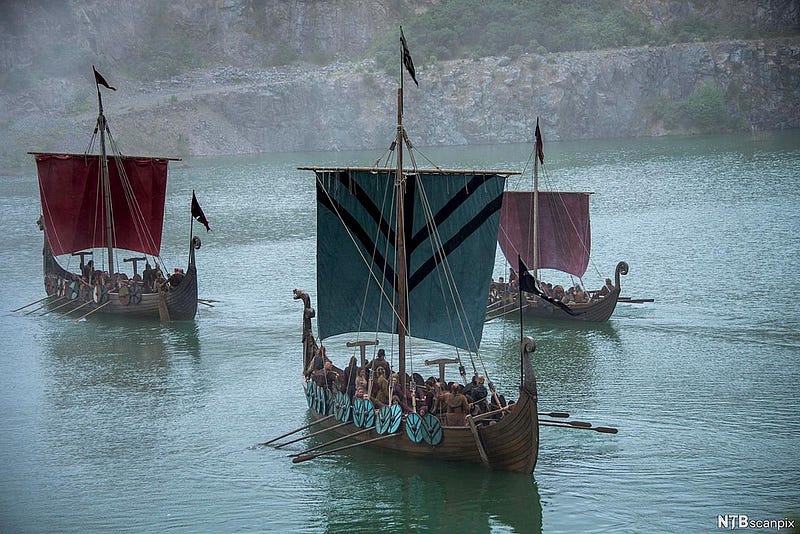

The Vikings explored and colonized parts of Europe, Asia and islands in the North Atlantic from the 8th to 11th centuries. Their origins are uncertain, but historians most often point to the Scandinavian countries of Norway, Sweden and Denmark. During their sea voyages, the Vikings encountered many different cultures, which shaped their beliefs and customs.
The mystery of the Gokstad ship
In recent years, the ancestors of modern Scandinavians have attracted increasing interest. Not only from researchers. This is due, among other things, to films and series dealing with the subject of Nordic mythology. A recent discovery about Odin electrified Viking enthusiasts around the world. This time, scientists are back with more surprises. As it turns out, one of the Viking attributes may have had a different use than originally thought.
The shields on the Gokstad ship in 1880 were not associated with rituals. According to the latest analysis, they were probably covered with untanned cowhide. The Vikings were said to have used them in hand-to-hand combat. The study was reported in the scientific journal Arms and Armor.
The distinctive circular shields made of wood were tied along the top edge of the ship’s hull, just above the oar holes. There were a total of 64 of them on the Gokstad, and it’s very possible that one went to each crew member on board. The ship had a dual purpose centuries ago as it served for both warfare and trade. But at approximately 900, it was brought onto the shore and repurposed to serve as a burial site for a king.
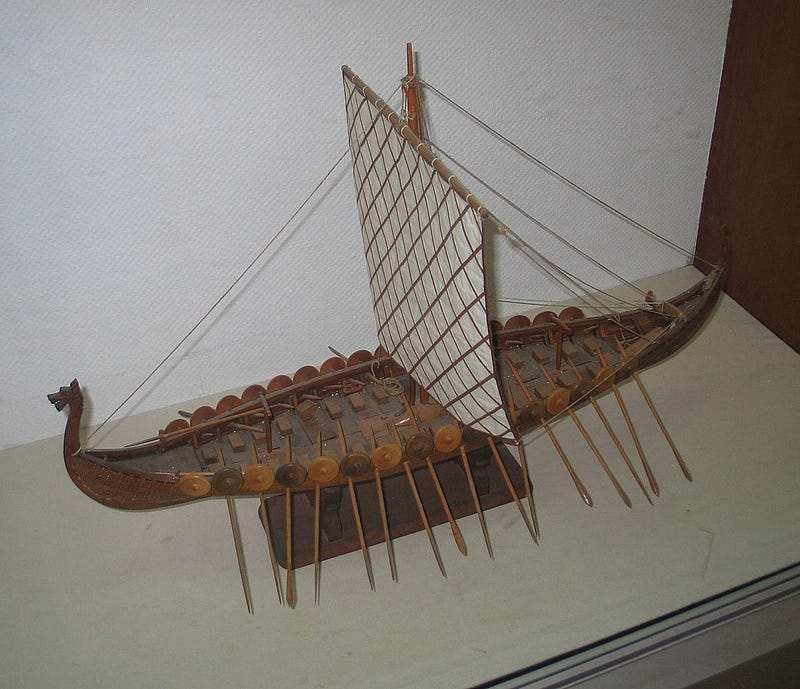

What did the Vikings use wooden shields for?
The study’s author, Rolf Warming of Stockholm University, explains that the shields would have been light and easy to maneuver because they consisted of “tapered wooden planks around an iron hemisphere on one side and a wooden handle on the other”.
The planks were painted yellow or black. Overlapping each other, they looked like yellow and black crescents. For this reason, archaeologists assumed that they only served a ceremonial function.
However, Warming claims that the leather covering was meant to reinforce the boards and edges. On top of the shields there are fragments of an organic layer, which could be remnants of leather. However, the fragments must be examined before scholars can be certain.
“However, there is indirect evidence in the form of stitched holes and sloping edges, which indicate that the planks were constructed to support some kind of protective layer […] They are probably best interpreted as equipment belonging to the ship and used by the crew on board, both at sea and on land.” — explains the scientist.
The evidence backs the hypothesis that the shields found on the Gokstad ship were utilized in combat, rather than merely serving as ornamental or ritualistic objects.
What made the Vikings famous?
One of the most important aspects of the Viking Age was their raids and conquests. The Vikings often raided settlements and towns, taking whatever resources and treasures they could find. They also took slaves, which were then traded to them in other parts of the world. They settled in what is now Britain and France, among other places. They possibly made their way even to Vinland, the eastern coast of North America.
The Vikings were, of course, known not only for their raids and trade. They left behind a very rich culture. They were a deeply religious people, with their own gods and beliefs. They also had their own unique language and writing system, which has been preserved in various artifacts discovered to this day.
The Vikings’ time finally came to an end in 1066, when the last major Viking leader, Harald Hardrada, was defeated in battle by the English.
Cool that you made it to the end of this article. I will be very pleased if you appreciate the effort of creating it and leave some claps here, or maybe even start following me. It would be nice if you also left a tip! Thank you!