
New Alzheimer’s Research
Viagra Could Decrease Risk of Alzheimer’s Disease by Almost 70% New Study Shows
Out of over 1600 FDA approved drugs, Viagra was shown to be the best for reducing the risk of developing Alzheimer’s
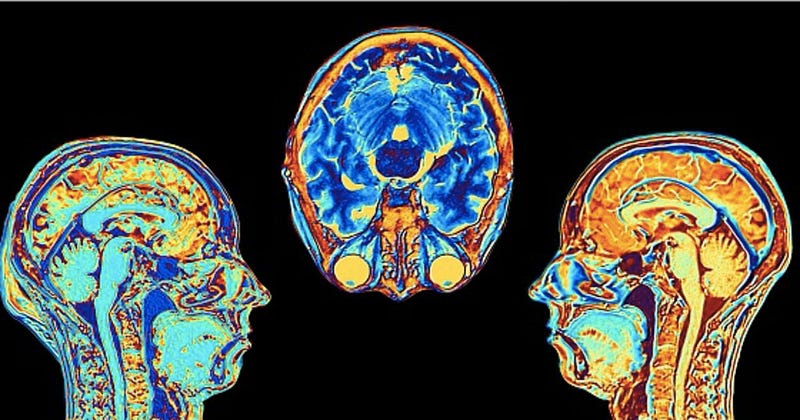
As people are living longer due to better health care and greater knowledge about staying healthy, the prevalence rate of dementia, in particular, Alzheimer’s disease is increasing. According to the Alzheimer’s Foundation, it’s been estimated that 6.2 million Americans over the age of 64 are currently living with the disease. For those over the age of 74, the rate jumps to 72 percent. The World Health Organization estimates that over 55 million people suffer from dementia worldwide with Alzheimer’s accounting for 60 to 70 percent of the cases.
Alzheimer’s disease has profound physical, economic, psychological, and social effects not only on the person living with the disease but for their family members, caregivers, and community, as well. Family members acting as informal caregivers average five hours a day caring for their loved one which often results in a sense of financial, physical, and emotional stress. In 2021, it will cost the U.S. $355 billion to care for those with Alzheimer’s and other dementias. In 2019 the global cost of Alzheimer’s was estimated to be $1.3 trillion.
In an effort to see if a drug already exists that might help prevent Alzheimer’s disease from developing, a new study recently published in Nature Aging examined over 1600 FDA-approved medications that target tau tangles and amyloid plaques, proteins associated with the disease. The surprise finding was that the drug Sildenafil, the generic name of Viagra, was demonstrated to be the best potential treatment out of all the medications investigated.
According to Dr. Feixiong Cheng from the Cleveland Clinic’s Genomic Medicine Institute who headed the study, “Sildenafil, which has been shown to significantly improve cognition and memory in preclinical models, presented as the best drug candidate.”
The researchers followed-up this finding by analyzing a large database comprised of the insurance claims of over 7 million people in the U.S. The results indicated that individuals taking Viagra were 69 percent les likely to develop Alzheimer’s than those not taking the drug.
“Because our findings only establish an association between sildenafil use and reduced incidence of Alzheimer’s disease, we are now planning a mechanistic trial and a phase II randomized clinical trial to test causality and confirm sildenafil’s clinical benefits for Alzheimer’s patients,” Dr. Cheng said. “We also foresee our approach being applied to other neurodegenerative diseases, including Parkinson’s disease and amyotrophic lateral sclerosis, to accelerate the drug discovery process.”

If you enjoyed reading this article, you might also like these:
You can find links to my other work on Medium and follow me here. Thanks for reading!
Enjoy Medium to the fullest. Become a member and part of your membership fee will go to support the writers whose stories you read.


