
Vaping and Juuling: The Newest Trend in Teen Drug Abuse
Over 25 percent of high school students use electronic cigarettes, assuming they’re harmless, but the mist actually contains toxic chemicals linked to cancer.
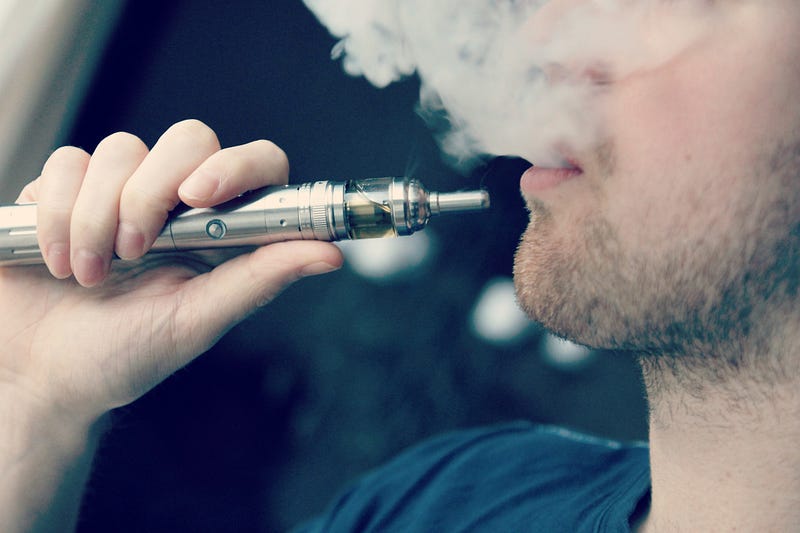
Emergency rooms all over the country are seeing teenage patients with synthetic drug overdoses, and the problem is getting worse. One of the main reasons for this is a device that’s supposed to help people quit smoking. Vaporizer pens have become the newest way for teenagers to not just use drugs but do it discreetly even right in front of parents, teachers, doctors and even police.
First sold in the US in 2006–2007, the e-cigarette which is also called e-hookah, hookah pen, vapes, vape pen and mods, is a small electronic device that approximates the experience of smoking tobacco. These devices are designed to heat a liquid such that it creates a vapor (which has led to the creation of the term vaping) with nicotine, flavoring and other chemicals which is inhaled by the user.
E-cigarettes were designed to help tobacco smokers quit smoking or at least reduce their nicotine use. However, it hasn’t worked out this way as one pod of the e-liquid contains as much nicotine as two packs of cigarettes. Many people go through a pod in one to two days. The addictive properties of the device are already well-recognized so it is essentially trading one form of the addiction for the other.
Particularly troubling about vaping is that children and teens are also using it in large numbers. A new vaping device, called a Juul, which is smaller and more discrete allows youth to vape in school even in class, despite it being against school rules. Surveys suggest that as many as 40 percent of high school students have tried vaping, many becoming addicted without recognizing the health implications.
However, while vaping or juuling with e-liquid is, in and of itself, concerning, the more frightening use of vaping devices is for illicit drugs which can be seriously dangerous or potentially deadly. Teens who want to experiment with drugs are increasingly using these electronic devices, to vape synthetic substances like flakka, a drug similar to the amphetamine — like bath salts. Other drugs that teens are using in juuls and vaping devices include liquid THC, bath salts, hash oil, psychedelics such as DMT, fentanyl and spice or K2 (synthetic marijuana).
Vaping drugs can be more dangerous than taking them in more traditional ways. This is because people often vape a higher concentration of the psychotropic substance which, leads to a more intense high and can increase the likelihood of addiction and negative health effects including overdose. Many blame new vaping technology for the rapid increase in teen drug use, saying that this wouldn’t have otherwise occurred.
In addition to the more intense high, increased drug use through vaping has resulted from the ease with which vaping can be concealed. The lack of smoke and odor that is emitted from these devices and the ability to mask any smell that might exist with fruit and other aromas makes it practically impossible to determine what substance is being used. This means when vaping is discovered by parents, teachers, and police officials it is extremely difficult to detect drug usage without somehow testing the liquid.
The growing number of teen overdoses attributed to vaping that is being seen in emergency rooms across the country is becoming a health epidemic. Vaping drugs is particularly dangerous since kids have no way of telling how potent the substances. Vaping causes the chemical in the drugs to become far more potent when vaporized and inhaled and this method of ingestion also amplifies the side effects. This poses a serious danger of fatal overdoses. There are a number of teen deaths currently being investigated related to vaping several illegal substances. One death of a North Carolina teen was attributed to his vaping synthetic cannabinoid which contained two schedule I drugs.
Law enforcement is worried about this new trend of vaping dangerous substances. They warn that parents need to be on the alert and become aware of what signs indicate the possibility that their child is using e-cigarettes to use drugs. The recommend not allowing children and teens to use Juul or other vaping devices until further study has determined just how safe this technology is. They also hope to develop better methods of testing the liquid used in Juul products to be able to discover what is being inhaled.
Natalie C. Frank has her Ph.D. in Clinical Psychology. She specializes in Pediatric Psychology and Behavioral Medicine.

If you enjoyed reading this story, you might also like these:
You can find links to my other work on Medium and follow me here. Thanks for reading and for supporting Mental Gecko!


