
Using Your Children as Unpaid Help is an Example of Parentification
It is a form of emotional abuse and neglect which can cause negative outcomes in an individual come adulthood
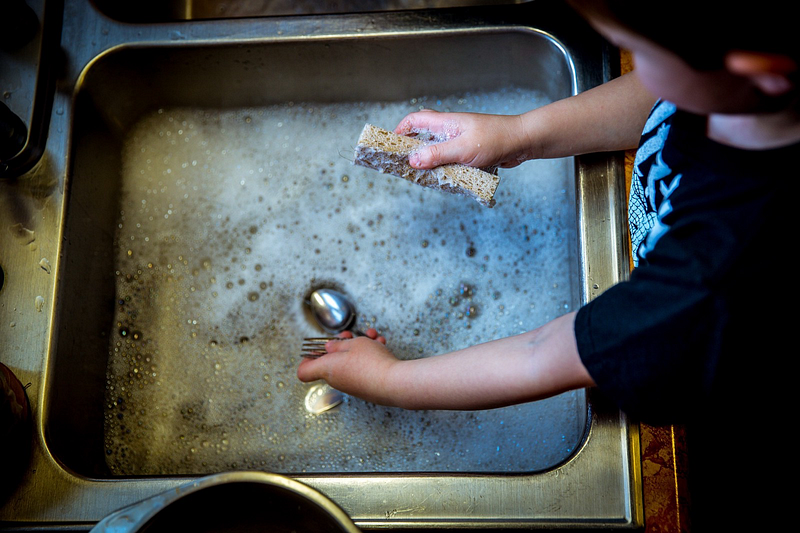
I am the second born and first daughter in my family. My dad and his (now ex) wife are both first generation Africans. So growing up it was part and parcel my responsibility to look after my siblings and the household. This included tasks like cleaning the house every morning to assisting with school runs, packing lunches and looking after the kids when the parents were out at work. My “childhood” was non-existent from the age of eight.
Back home, it is common for some African households to have 1–3 helpers who help with childrearing and domestic duties. However, in the UK for various reasons, this isn’t possible.
Reflecting on my childhood, I feel parents need to stop putting the responsibility of raising their children onto their older kids.
I was not consulted when they decided to have more children, so then why was it my responsibility to ensure they were always cared for?
Whenever I would ask to spend time with friends during the weekend, the first response I would get was always, “who is going to watch the kids?” Almost as if I brought them into the world.
Even now I am not sure I even want kids in the future! Even though I understand it will be different when you have your own. I have already spent a large portion of my life missing out on life events due to them. And I am far too selfish to give up any more of my time.
Using your children as unpaid help is an example of parentification. A form of emotional abuse or neglect where a child becomes the caregiver to their parent or sibling. A child is used by the parent to fulfil their own needs — leading to the child’s becoming secondary.
Parentifiction can be two specific types; emotional and instrumental.
Emotional
Arguably the most psychologically damaging, it is when a child is made to meet the emotional needs of the parent. It involves the emotional violation of personal boundaries, refered to by experts as; covert incest, emotional incest and psychic incest.
Instrumental
When a child is forced to take on physical responsibilities such as; cooking cleaning, washing and caring for younger siblings. This type of parentification requires that the parents go beyond the ordinary expectations for the child to help with task.
For example, as I mentioned, from the age of eight, I was responsible for cleaning the house top to bottom and responsible for my younger siblings.
During my teen years, whenever I would ask to spend time with friends during the weekend, the first response I would get was always, “who is going to watch the kids?” Almost as if I brought them into the world.

Researchers have found that it can result in both positive and negative outcomes in individuals. Some studies finding parentified subjects scored higher in resillience and cognitive empathy. However, there is a link between parentification, substance abuse and eating disorders. With other research finding that in addition to upending the development process of the child, this role reversals can leave deep emotional scars and mental health issues well into adulthood, especially when it comes to emotional parentitication.
In my case, I will never be certain of what has caused my mental health issues, however I do believe some responsibility falls with my parents. Growing up, I should have never had to be responsible for looking after 4+ children at one time, just because “I was a woman”.
I believe as a culture this is something we need to address. Your children are not free labour, they should be allowed to be children. It is not a luxury to be afforded to the younger ones only.
There are a lot of older siblings caring around deep emotional scars, mental health issues and resentment due to acting as parent.
However, I do believe that in many instances, having to rely on children for emotional or physical support is a last resort for some. So while I do believe you shouldn’t have kids if you haven’t got the means to provide for them. I understand that this is a very condescending idea due to capitalism. But while I do understand, I also do believe it would be reckless to ignore the ramifications of such actions.
So instead I implore individuals to read around the topic of parentification and take adequate measures to ensure it is something that is avoided. And to maybe give some older siblings the initiative to check on themselves and begin the healing of old wounds.

ZUVA is an award-winning Leeds based spoken word artist, poet and freelance writer. Click here to join her weekly mail list to get her top 10* tips on editing like a pro!
She is the editor of An Injustice! A intersectional millennial publication. Check here for now to join!


