
Cancel Culture is a Myth
Name one artist who has actually successfully been cancelled?
If you are on the internet to some capacity, you have probably come across the term ‘call-out culture’. It is defined as;
A form of public shaming that aims to hold individuals and groups accountable by calling attention to behavior that is perceived to be problematic, usually on social media.
‘Cancel culture’ on the other hand is;
A variant of the term, cancel culture, describes a form of boycott in which someone (usually a celebrity) who has shared a questionable or unpopular opinion, or has had behaviour that is perceived to be problematic called out on social media is “cancelled”, where they are completely boycotted by a large number of people, often leading to massive declines in celebrities’ (almost always social media personalities) careers and fanbase.
The idea behind it is very good. It gives the chance for consumers to pull support on artists/groups that don’t represent their values. It was devised as a way to hold people accountable. However, is an increase in the numbers of people who view it as toxic. I have seen a lot of posts on twitter calling out cancel culture. Some saying that it hinders freedom of speech and others pointing out that everybody is flawed.
While the sentiments of the tweet ring true; people do make mistakes. I can’t think of one celebrity (correct me if I am wrong) that has had their livelihood put at risk due to being cancelled.
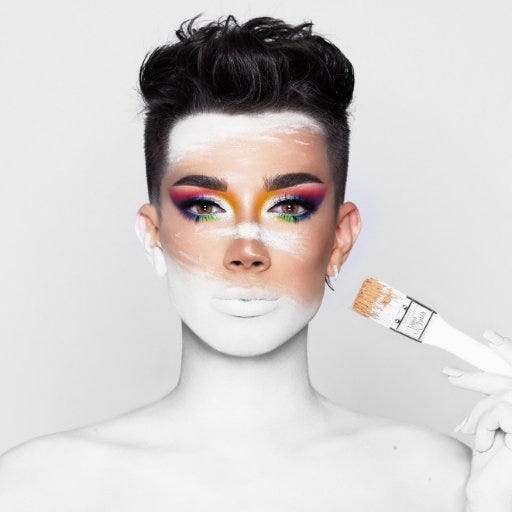
R Kelly was still booking shows before his imprisonment (his streaming numbers went up following his Spotify playlist ban). James Charles’ channel is still pushing out content (with 15million subscribers). Sabrina Claudio is selling out tours. Jeffree Star is at the height of his career. Admittedly Daniel Caesar’s new LP ‘Case Study 01’ hasn’t sold well but his career is far from over.
At the very most, it seems people suffer a little dent in their careers that they soon begin to work on erasing. At the very least, being cancelled can boost your career. Danny Baker — a presenter fired from the BBC after uploading a racist tweet about the day-old Prince Archie — Got a standing ovation at his first show following the ordeal.
So while I do agree that everybody makes mistakes and changes over time. Let’s not pretend that cancel culture is as powerful as we all seem to be implying. As I said in a previous article, unless you kick a dog, anything you do — including racism — can and will be excused.
ZUVA is an award-winning Leeds based spoken word artist, poet and freelance writer. Click here to join her weekly mail list to get her — Comprehensive Guide for True Beginners — Things I Wish I Knew Before Publishing My First Piece. It contains over 16 articles by 12 different authors on everything you need to know before publishing your first piece here.
She is the editor of An Injustice! A intersectional millennial publication. Check here for now to join!


