
Using incentives to build positive habits
One of the best ways to build the positive habits you need to thrive is to inspire yourself through the use of incentives.
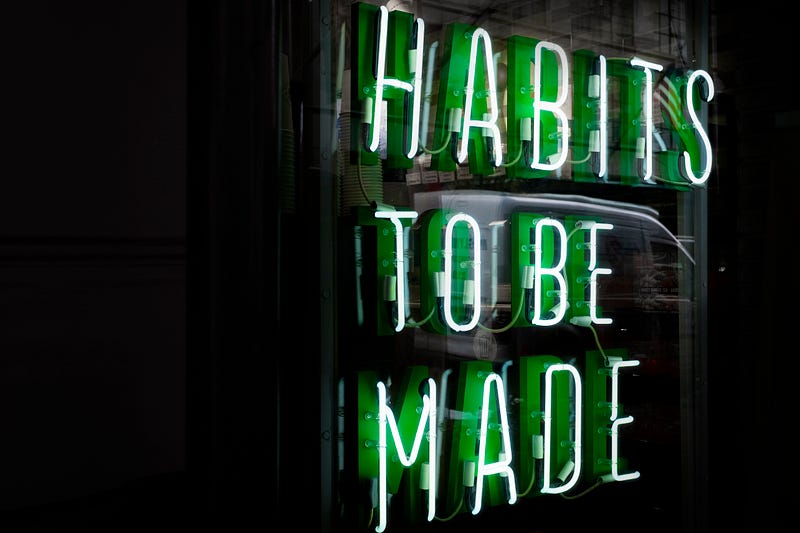
by: E.B. Johnson
Incentives are a great way to make changes in your day-to-day life. By rewarding ourselves for a job well-done — no matter how small — we can actually encourage our authentic selves to get excited about even the biggest transformations; seeing them for the opportunity they present rather than the unknown they also represent.
Positive rewards go a long way in making us see the transitions in our lives in a better light. They can help bolster our sense of self-confidence and make us look toward the future with enthusiasm rather than apprehension. Using incentives can also help us better visualize the line between what’s needed and not needed, and inspire us to keep going when we absolutely want to give up. Incentives are great when you know how to use them, and they can go a long way in helping us to establish habits that build us up, instead of tearing us down.
What are incentives?
When it comes to building up new and positive habits in our lives, incentives can be an invaluable means of plotting our way to a new future. Incentives are critical and positive rewards that also act as mile-markers on your journey forward. They make up a pivotal piece of the habit loop, and do a lot of the work for us when it comes to staying focused and breaking bad habits.
Rewards and incentives make us view tasks not as chores, but as fun activities that are adding to our lives rather than detracting from them. This type of positive reinforcement makes it easier to stay on track, and makes it possible to embrace change in a way that we might not have been able to otherwise. It’s all about setting smart incentives, however, and incentives that align both with where you are now and where you want to be in the future. By learning how to understanding incentives and positive reinforcement, you can use them more effectively but that takes a bit of time and practice to master.
How we use incentives.
Incentives have been used as a building block of human change since the dawn on time. We use incentives all the time, in both our personal and professional lives, and we use them in a number of ways. More than just helping us to build new habits, incentives can help us break old habits and remove the barriers that are holding us back.
Habit-building
We often become aware of positive incentives in our childhood, where they are used to help us build good habits and a better understanding of the world around us. Even the smallest of incentives can help us to build new habits like going to the gym or getting the laundry tackled every week. These types of positive reinforcements — when used the right way — can help us build up the intrinsic motivation we need to succeed. It all comes down to using them the right way, however, and finding incentives that really inspire you to thrive.
Habit-breaking
Incentives can also be used to break habits, rather than just build them. These types of positive rewards help build up our habitual stock, and the same goes for building up that stock in way that helps you undo negative habits. For instance, you can give yourself small rewards along the way as you stop a decades-long smoking habit. Perhaps you give yourself a treat after the first 24 hours of no-smoking, followed by another after your first week without a single cigarette. The choice is entirely yours, and your alone.
Removing barriers
Positive incentives have a funny way of helping us to remove the barriers that are holding us back from change. Much of this comes down the the quiet and subtle confidence it helps us to build, and the ways in which it helps to boost our belief in ourselves. When you begin to view change (such as building a new habit) as a positive thing, rather than a negative one, you start to remove the fear-based barriers that keep you chained to the past.
Why incentives work.
Positive reinforcement works and for a number of reasons. When we set a reward as a roadmarker for our progress, we actually motivate ourselves by clearly defining and communicating the types of behaviors we need in order to meet our goals. This kind of clear-cut direction allows us to further strengthen the connection we are building between our new levels of performance and the rewards we’re desperately trying to reach.
Incentives can also work to boost our confidence and encourage our interest in learning new skills or activities. When we teach our brains that good output equals good input, it makes it easier for us to relax, look for innovative new ideas and even accept more responsibility for how we contribute to the world around us. Positive reinforcement through the use of incentives and help not only create new habits, but look forward to change as a positive aspect of life, rather than a fearful one.
The best incentives to build positive habits.
There are countless ways you can use incentives to help encourage positive change in your life. Incentives can take on almost any form, and can be both tangible and intangible in nature. There’s no right or wrong way to use incentives, the only thing that matters here is that they inspire you to go the extra mile and accomplish that positive change you’ve been angling toward for years.
Small Incentives
There are a number of small ways you can reward yourself for a task well-managed for a job well done. Some of the best small (and relatively affordable) incentives include:
- Buy yourself that new book you’ve been eyeing for a while.
- Go to a movie, or renting a new one from your favorite streaming service.
- Take 15–20 minutes of quiet, mindful time to yourself.
- Walk through a park or a nature trail.
- Buy new stickers for your planners or scrapbooks.
- Visit a local museum or place of historical interest.
- An hour of video or computer games.
- Take a nap.
- Spend the afternoon doing a hobby (crafting, knitting, etc.)
- Sit outside with coffee or tea and reading a book.
- Buy yourself a new journal.
Mid-range incentives
If the little things don’t quite hit the inspiration point you need, try upping the game with bigger and better incentives. These rewards should be used for tasks equally as big, in order to give you that extra push you need to get over the finish line. Don’t think too big, however, as those incentives will become useful later on down the line.
- Buy yourself a new outfit for a night out in town.
- Go for a quick manicure or pedicure.
- Purchase that print for your office wall.
- Grab dinner at that new restaurant everyone is talking about.
- Take an entire day off from everything to relax and do exactly what you want (with no interruptions).
- Head out to a sporting event with friends.
- Make yourself a trophy.
- Get a massage or have a spa day.
Big-ticket incentives
Life is filled with big moments and big challenges that we have to overcome. These types of triumphs deserve an equally big reward, and one that reaffirms how powerful we are when it comes to living and thriving. If you’re looking to make a big change, and need an equally big incentive to keep yourself on track, try one of these big-ticket incentives and get inspired to get going.
- Tick off a bucket list item (take that hot air balloon ride, or book that trip to Europe).
- Get a new tattoo or start a sleeve.
- Book a professional photoshoot.
- Go on your dream vacation and take a friend with you.
- Buy a new car or make an offer on that new house.
- Throw a big, catered event.
- Get front-row tickets to your favorite artist’s next show.
- Spend a weekend in a hotel.
- Get a one-off housekeeper to clean your house for you.
- Buy yourself that new phone, watch or tablet.
- Go for that big-ticket jewelry item.
- Do a complete overhaul on your hair.
- Book yourself the ultimate spa retreat.
The best ways to building positive habits using incentives.
One you’ve got your smart incentives to hand, it’s time to start making some changes. Combine your positive reinforcement with these 3 simple basics to start creating the new habits your life needs to thrive.
1. Make it too easy to say no
Setting yourself a habit or goal that is sky-high is only setting yourself up for failure. If you want habits (and rewards) that are workable, make them realistic, and make them so easy that even a fool couldn’t pass them up.
Consistency is key when it comes to establishing a new habit, so make it as easy as possible to stay consistent. Rather than jumping right into a 1-hour-per-day workout routine, start off with just 1 minute per day — and reward yourself when you check that minute off your to-do list.
2. Get familiar with what’s really holding you back
More often than not, the person that’s holding us back is ourselves. Though we might like to blame the world and the people around us for our difficulties or struggles, the only person who has power over our lives is ourselves at the end of the day. If there’s something in your life you don’t like, only you can change it. You have to spend some time getting real with yourself, however, and you have to start stepping up to the plate, even when it’s unpleasant.
Stop thinking of yourself in limiting terms and dig into what’s really holding you back from the future that you want. Drop the blanket statements about who you are or what you deserve, and chop those things down into smaller pieces that allow you to identify the baggage and fears that are preventing you from going after what you want. Be specific. Are you procrastinating because of what that other person said, or are you procrastinating because you’re afraid? Only you have the answer to that question.
3. Have a backup plan
The first thing we all have to understand about life is that nothing goes according to plan — and that goes for our incentives and positive reinforcements too. Most things never turn out the way we thought they would, so it’s always good to have a contingency plan.
As humans, we are doomed to make mistakes and take wrong turns. It’s a part of who we are. What is uniquely special about us, however, is that we have the ability to learn from those mistakes and turn them into stepping stones that propel us into the future. Have a backup plan for when you don’t meet your goals, and have a backup plan in case the reward you wanted to use falls to the wayside.
Putting it all together…
Incentives are a great way to inspire positive change in our life and a great way to increase our self-confidence in new situations. We use these types of positive reinforcements in aspects of both our personal and professional lives, and we even use them when it comes to our friends, family and children. Rewarding ourselves for a job well-done is a great way to empower ourselves to keep going, but it comes down to knowing ourselves and the motivation we truly need to keep going.
Positive rewards help act as a mile-marker for our progress, and clearly communicate the line between the behaviors and actions that are needed and not needed for our personal success. The incentives we use to inspire our better natures can be as small as a taking a few quiet minutes to relax, or as big as an over-the-top purchase that rewards us for making over-the-top changes in our lives. By starting small and making our goals too easy to say no to, we can quickly start instilling changes in our lives that equal big results in both our personal and professional lives. Change is inevitable and it’s one of the most beautiful parts of life. Start seeing that beauty by rewarding yourself for the good work you’re doing each and every day. After all, you deserve it.


