
Use Data Science In Agriculture (Everything You Need To Know)
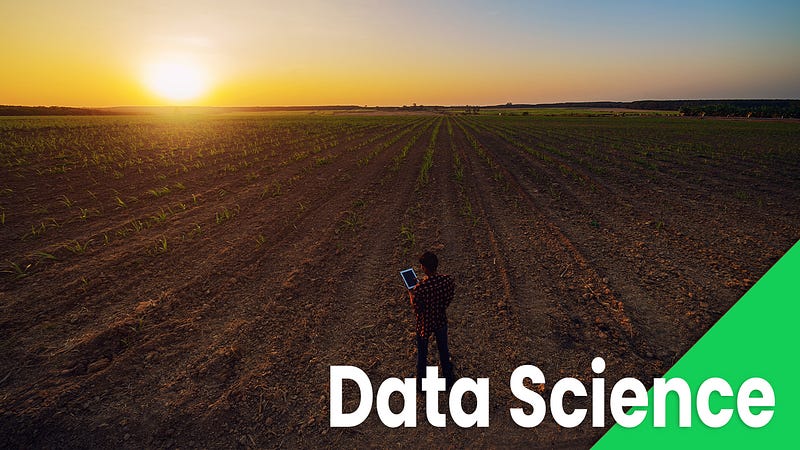
Agriculture is one of the most important and oldest industries in the world. It is also one of the most important and oldest users of data science. Data science has been used in agriculture for centuries to help farmers make better decisions about what to plant when to plant it, and how to care for their crops. Today, data science is still used in agriculture to help farmers make better decisions.
Data science can help farmers predict how much food they will produce, how much they will need to sell to break even, and when they will need to sell their crops. Data science can also help farmers find new ways to increase their crop yield and reduce the amount of water they need to irrigate their crops.
Data science is also used in agriculture to track the spread of pests and diseases. Data science can help farmers identify outbreaks of pests and diseases early, so they can take action to stop them before they spread.
If you surf the internet without security, consider using Nord VPN as it keeps you and your family safe. Follow this affiliate link to learn more about NordVPN.
How Data Science Is Being Used To Improve Agricultural Productivity
Data science is the process of extracting knowledge and insights from data. In the context of agriculture, data science can be used to improve productivity by helping farmers to make better decisions about where to plant crops, when to irrigate, and how to manage pests and diseases.
One way that data science is being used to improve agricultural productivity is through the use of satellite imagery. Satellites can be used to track crop growth and assess the health of plants, which can help farmers to make decisions about where to plant crops and when to irrigate.
Another way that data science is being used to improve agricultural productivity is through the use of machine learning algorithms. Machine learning algorithms can be used to detect patterns in data, which can help farmers to make better decisions about how to manage pests and diseases.
In conclusion, data science can be used to improve agricultural productivity by helping farmers to make better decisions about where to plant crops, when to irrigate, and how to manage pests and diseases.
The Impact Of Data Science On Crop Yields And Agriculture
Data science is the process of extracting insights and knowledge from data. It can be used to improve decision-making, plan and optimize operations, and predict future outcomes.
The application of data science to agriculture can have a significant impact on crop yields. For example, data can be used to optimize planting patterns, identify and address potential problems, and predict yields.
In recent years, data science has been used to improve the accuracy of yield predictions. By analyzing data from weather stations, satellites, and other sources, data scientists can create models that predict the yield of a particular crop in a specific location.
These predictions can be used to make decisions about crop planting, irrigation, and fertilization. For example, if a data scientist predicts that a particular crop will have a low yield in a specific location, the farmer may choose to plant a different crop.
Data science can also be used to improve the accuracy of predictions about the amount of rainfall a region will receive. This information can be used to plan irrigation schedules and to choose the appropriate type of crop to plant.
Data science can also be used to predict disease outbreaks. By analyzing data from weather stations, satellites, and other sources, data scientists can create models that predict the likelihood of a particular disease outbreak.
This information can be used to plan and execute disease prevention measures. For example, if a data scientist predicts that a particular disease is likely to occur in a specific region, the farmer may choose to apply a particular type of pesticide.
Data science has the potential to revolutionize agriculture. By using data to improve decision-making, farmers can increase crop yields and improve the profitability of their farms.

If you enjoy reading. Consider subscribing to Medium as it’s an amazing platform to learn and grow as a professional. You can join using my affiliate link here — Subscribe to Medium. Please follow and Thanks.
Using Data Science To Reduce Wastage In Agriculture
In modern times, agriculture faces the challenge of wastage at different stages of the production process. In India, for example, it has been estimated that around 40% of the fruits and vegetables produced never reach the consumer. This is because of the inefficiencies in the supply chain, which leads to wastage at every stage of the process, from production to consumption.
Data science can play a role in reducing wastage in agriculture. By using data analytics, we can identify the areas where waste is taking place, and then take steps to reduce it. For example, we can use data from supermarkets to understand the patterns of buying and selling, and then use this data to plan the production of crops accordingly.
In addition, data science can be used to improve the efficiency of the supply chain. For example, by using data from sensors in warehouses and transport vehicles, we can track the movement of goods and identify any delays or problems. This information can then be used to improve the flow of goods and reduce wastage.
Data science can also be used to improve the quality of produce. By using data from sensors in the fields and orchards, we can track the health of crops and identify any problems early on. This can help to reduce wastage due to poor quality produce.
Overall, data science can play a significant role in reducing wastage in agriculture and helping to improve the efficiency and quality of the production process.
How Data Science Is Being Used To Manage Pests And Diseases In Crops
Data science is used in various industries to manage different aspects of their business. The agriculture industry is no different. Farmers are using data science to manage pests and diseases in their crops.
One way data science is being used in agriculture is through predictive modeling. Farmers can use predictive models to predict where pests and diseases might show up in their crops. This can help them to take steps to prevent these pests and diseases from becoming a problem.
Another way data science is being used in agriculture is through machine learning. Farmers can use machine learning to teach their computers how to identify pests and diseases in their crops. This can help them to better manage these pests and diseases.
Data science is also being used to improve crop yields. Farmers can use data science to track the progress of their crops. This can help them to identify which crops are doing well and which crops need more attention.
Overall, data science is proving to be a valuable tool for farmers in the agriculture industry. It is helping them to manage pests and diseases in their crops and to improve their crop yields.
If you enjoy reading. Consider subscribing to Medium as it’s an amazing platform to learn and grow as a professional. You can join using my affiliate link here — Subscribe to Medium. Please follow and Thanks.
The Role Of Data Science In Improving Food Security
The world’s population is growing at an alarming rate and the demand for food is increasing. At the same time, the amount of land suitable for farming is decreasing. This is creating a food security crisis. Data science can help us address this crisis.
Data science is the study of data. It involves the use of mathematical algorithms and computer programs to analyze data and draw conclusions. Data science can be used to improve our understanding of the world around us and to solve problems.
One area where data science can be used to improve food security is in the area of crop yield prediction. Crop yield prediction is the process of predicting the amount of a crop that will be produced by a given area of land. This process is important because it allows farmers to plan for the future and make decisions about what crops to grow and where to grow them.
Data science can be used to improve crop yield prediction by using machine learning algorithms. Machine learning algorithms are computer programs that can learn from data. They can be used to identify patterns in data and to make predictions.
One machine learning algorithm that can be used for crop yield prediction is the artificial neural network. An artificial neural network is a computer program that simulates the workings of the human brain. It can be used to learn from data and to make predictions.
One advantage of using an artificial neural network for crop yield prediction is that it can identify patterns that a human would not be able to see. It can also make predictions that are more accurate than those made by a human.
Data science can also be used to improve our understanding of the world around us. For example, it can be used to study the climate and to predict changes in the climate. This information can be used to make decisions about where to grow crops and what crops to grow.
Data science can also be used to study the soil. The soil is important because it is the foundation of agriculture. Data science can be used to study the properties of the soil and to identify areas that are suitable for farming.
Data science can also be used to study the pests and diseases that affect crops. This information can be used to develop strategies to control pests and diseases.
Data science can be used to improve food security in other ways as well. For example, it can be used to develop new agricultural technologies. It can also be used to improve the efficiency of food distribution systems.
The role of data science in improving food security is important and it is something that we should all be concerned about. We need to use all the tools at our disposal to address this crisis. Data science is one of those tools and we should make use of it.
Here are 5 key takeaways from data science in agriculture
1. Agricultural data science can help farmers make better decisions about what to plant when to plant it, and how to manage their crops.
2. Data science can help farmers track weather patterns and forecast weather-related risks.
3. Data science can help farmers analyze soil quality and nutrient levels to make better decisions about crop rotation and fertilization.
4. Data science can help farmers monitor their crops and identify pests or diseases early, so they can take action to prevent damage.
5. Data science can help farmers understand how their crops are performing and make changes to their farming practices accordingly.
Use Data Science In Agriculture Conclusion
The use of data science in agriculture has revolutionized the industry. By using data to map and predict patterns, farmers are able to optimize their production and increase yields. Data science has also allowed for the development of precision agriculture, which helps to target inputs such as water, fertilizer, and pesticides to specific areas of a field. This not only saves money and resources but also helps to protect the environment.

If you found the article beneficial, smash the clap button as it helps others find my work. Don’t forget to sign up for my email list as I scour the web for useful information. Also, consider subscribing to Medium as it’s an amazing platform for people who enjoy learning from others. Please join through my affiliate link here Subscribe to Medium.
If you surf the internet without security, consider using Nord VPN as it keeps you and your family safe. Follow this affiliate link to learn more about NordVPN.