
Texture In Graphic Design (Complete Guide)
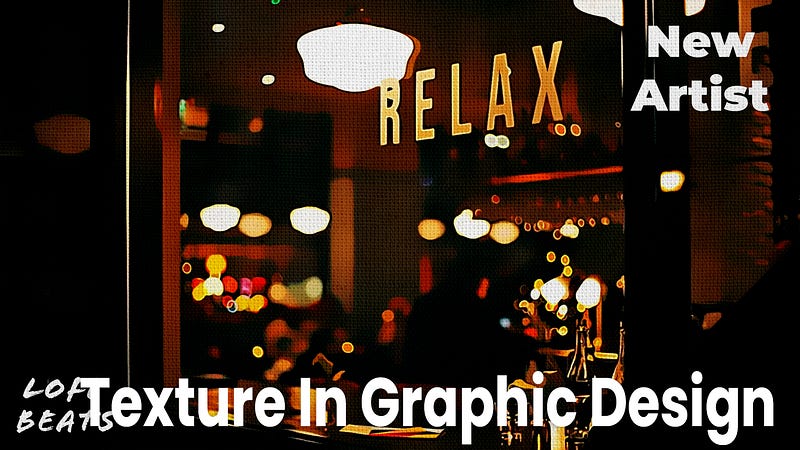
Texture is an important aspect of graphic design. It can be used to add interest and visual appeal to a design, convey a message or create a specific mood or feeling. There are a variety of different textures that can be used in graphic design, and each has its own unique characteristics. In order to use texture effectively in your designs, it’s important to understand the different types of textures and how they can be used.
Here are some of the most common textures used in graphic design: Linear textures are created by using lines or strokes to create a textured effect. They can be used to create a variety of different effects, depending on the type of lines used and the way they are arranged.
Rough textures are created by using a variety of different textures and patterns to create a rough, bumpy effect. They can be used to create a sense of texture and realism or to convey a feeling of chaos or disorder.
If you need art for your social media accounts, consider using Canva as they have the largest selection of social media templates. Follow this affiliate link to learn more about Canva.
Texture Is A Great Way To Add Interest And Visual Appeal To Your Graphic Designs
Texture can be used to add visual interest and appeal to your designs. It can be used to create a sense of depth and to add interest to a flat design. Texture can also be used to create a sense of realism, to add visual interest to a monochromatic design, and to add interest to a design with a limited color palette.
There are a variety of ways to add texture to your designs. You can use textured paper, fabric, or other materials as a background or foreground element in your design. You can also use textures that are generated digitally, such as noise textures, bump maps, or displacement maps.
When using textures in your designs, it’s important to be mindful of the effect that they will have on the overall look and feel of your design. If you’re using a texture to add realism, it’s important to make sure that the texture looks realistic and that it doesn’t clash with the other elements in your design. If you’re using a texture to add visual interest, it’s important to make sure that the texture is appropriate for the type of design you’re creating and that it doesn’t overwhelm or clutter the design.
Texture can be a great way to add interest and visual appeal to your designs, but it’s important to use it sparingly and to be mindful of the effect that it will have on the overall look and feel of your design.
Texture Can Be Used To Create A Sense Of Depth And Dimension
Texture can be used to create a sense of depth and dimension in a graphic design. By adding different textures to different elements in a design, you can create the illusion of depth.
For example, if you have a background image that is textured, and you have text or other elements layered on top of it, the text or elements will appear to be closer to the viewer than the background.
You can also use different textures to create contrast between different elements in a design. For example, if you have a textured background, you could use smooth, glossy text to create contrast.
Texture Can Be Used to Create a Sense of Movement
Texture can also be used to create a sense of movement in a graphic design. By adding textured elements that move, you can create the illusion of movement.
For example, you could add a textured background and then add text or images that move across the background. This will create the illusion of movement in the design.
Texture Can Be Used to Create a Sense of Warmth or Coolness
Texture can also be used to create a sense of warmth or coolness in a graphic design. By adding textured elements that have warm or cool colors, you can create the illusion of warmth or coolness.
For example, you could add a textured background that is blue, and then add text or images that have warm colors. This will create the illusion of warmth in the design.
Texture Can Be Used To Convey A Mood Or Feeling
Texture can be used to convey a mood or feeling in graphic design. For example, a rough, bumpy texture can be used to create a feeling of unease or creepiness, while a smooth, glossy texture can create a feeling of luxury or elegance. In addition, texture can be used to create a sense of depth and dimension in a design.
Texture Can Be Used to Draw Attention to Certain Elements
Texture can also be used to draw attention to certain elements in a design. For example, a heavily textured background can be used to draw attention to a focal point in the foreground, or a textured overlay can be used to add interest to an otherwise plain image.
Texture Can Be Used to Create a Sense of Realism
Texture can also be used to create a sense of realism in a design. For example, a photo can be textured to make it look like it was actually taken with a camera, or a 3D object can be textured to make it look more realistic.
Texture Can Be Used to Create a Unique Visual Aesthetic
Texture can also be used to create a unique visual aesthetic in a design. For example, a designer might use a variety of different textured elements to create a collage-like effect. Or, a designer might use a textured background to create a visually interesting contrast with other elements in the design.
Texture Can Be Used To Add Visual Interest To A Design
Texture can be used to add visual interest to a design, to make it more visually appealing to the viewer. It can be used to create a sense of depth and dimension and to draw the viewer’s eye to specific elements in the design. Texture can be used to create a variety of effects, depending on the type of texture used and how it is used.
There are several different types of textures that can be used in graphic design. Some of these include:
-Physical texture: This is created by using actual physical objects, such as fabric, paper, or metal.
-Textural pattern: This is created by using a pattern of textures, such as a wood grain or a brick wall.
-Rendering: This is created by using software to create a simulated texture, such as a metal or a fabric.
-Photographic texture: This is created by using a photograph or other image of a texture as a texture source.
Physical Texture Is the Most Realistic Type of Texture
The physical texture is the most realistic type of texture. This is because it uses actual physical objects to create the texture. This type of texture can be used to create a wide variety of textures, depending on the objects that are used.
Textural Pattern Is a Type of Texture That Is Created by Using a Pattern of Textures
A textural pattern is a type of texture that is created by using a pattern of textures. This type of texture can be used to create a wide variety of textures, depending on the pattern that is used.
Rendering Is a Type of Texture That Is Created by Using Software to Create a Simulated Texture
Rendering is a type of texture that is created by using software to create a simulated texture. This type of texture can be used to create a wide variety of textures, depending on the software that is used.
Photographic Texture Is a Type of Texture That Is Created by Using a Photograph or Other Image of a Texture as a Texture Source
The photographic texture is a type of texture that is created by using a photograph or other image of a texture as a texture source. This type of texture can be used to create a wide variety of textures, depending on the photograph or image that is used.
Texture Can Be Used To Create A Unique And Distinctive Look
Texture is an important design element that can be used to create a unique and distinctive look. It can add interest and visual appeal to a design and can be used to convey a range of emotions and messages. Texture can be used to create visual interest and add visual depth to a design. It can also be used to convey a message or to create a specific mood or atmosphere.
There Is a Range of Different Textures That Can Be Used in Graphic Design
There is a range of different textures that can be used in graphic design. Some of the most common textures include:
- Textures that are made from natural materials, such as wood, stone, and fabric.
- Textures that are made from man-made materials, such as plastic, metal, and concrete
- Textures that are organic, such as leaves, bark, and clouds.
- Textures that are geometric, such as stripes, circles, and checkers.
Texture Can Be Used to Create a Variety of Effects
Texture can be used to create a variety of effects. Some of the most common effects that can be created with texture include:
- Depth and dimension.
- Interest and visual appeal.
- A feeling of warmth or coziness.
- A feeling of luxury or elegance.
- A feeling of modernity or contemporary cool.
Texture Can Be Used to Create Visual Interest and Add Visual Depth to a Design
Texture can be used to create visual interest and add visual depth to a design. When used correctly, it can make a design look more three-dimensional and tactile. It can also help to create a sense of movement and flow within a design.
Texture Can Also Be Used to Convey a Message or to Create a Specific Mood or Atmosphere
Texture can also be used to convey a message or to create a specific mood or atmosphere. When used in conjunction with other design elements, it can help to communicate a particular feeling or idea. For example, a rough, bumpy texture can be used to create a feeling of unease or tension, while a smooth, glossy texture can be used to create a feeling of luxury or elegance.
Texture Can Be Used To Make A Design More Visually Appealing
Texture can be used to add interest to a design and make it more visually appealing. Different textures can be used to create different effects, so it’s important to choose the right texture for the right project. For example, a rough, textured background can be used to create a grungy or vintage look, while a smooth, glossy texture can be used to create a more modern look.
Texture Can Be Used to Create a Sense of Depth and Dimension
Texture can also be used to create a sense of depth and dimension in a design. By using different textures in different areas of a design, you can create the illusion of depth and make the design more visually appealing. For example, a design that uses a smooth, glossy texture on the background and a rough, textured texture in the foreground will appear to have more depth than a design that uses the same textures in the opposite order.
Texture Can Be Used to Convey a Mood or Feeling
Texture can also be used to convey a mood or feeling in a design. Different textures can create different emotions, so it’s important to choose the right texture for the right project. For example, a soft, fluffy texture can create a feeling of warmth and comfort, while a rough, textured texture can create a feeling of strength and power.
Texture Can Be Used to Create a Sense of Movement
Texture can also be used to create a sense of movement in a design. By using different textures in different areas of a design, you can create the illusion of movement and make the design more visually appealing. For example, a design that uses a smooth, glossy texture on the background and a rough, textured texture in the foreground will appear to be in motion.
Texture Is a Great Way to Add Interest and Visual Appeal to Your Designs
Texture is a great way to add interest and visual appeal to your designs. By using different textures in different areas of a design, you can create a variety of different effects, which can help your designs stand out from the crowd. So, if you’re looking for a way to add some extra visual appeal to your next project, consider using some texture.
Texture Can Be Used To Create A More Interesting And Eye-Catching Design
Texture can be used to add interest to a design and make it more visually appealing. Different textures can be used to create different effects, so it’s important to choose the right texture for the right situation.
For example, a rough, textured fabric might be used to create a rustic or vintage look, while a smooth, shiny surface might be used to create a more modern or elegant feel.
Texture can also be used to create depth and dimension in a design. By adding different textures to different parts of a design, you can create the illusion of depth and make your design more visually interesting.
Texture is a great way to add visual interest to a design, and it can be used to create a variety of different effects. By using different textures in different parts of your design, you can create depth and dimension, and give your design a more interesting look.
Here are 5 key takeaways from texture in graphic design
1. Texture can be used to create visual interest and add depth to a design.
2. Texture can be used to convey a mood or feeling.
3. Texture can be used to create a sense of realism.
4. Texture can be used to create a sense of warmth or intimacy.
5. Texture can be used to create a sense of luxury or elegance.
Texture In Graphic Design Conclusion
Texture is an important aspect of graphic design that can be used to create visual interest and convey a message or feeling. There are a variety of textures that can be used in the design, and each has its own unique properties. Texture can be used to create a sense of depth and realism, to add visual interest, and to convey a message or feeling. When used correctly, texture can be a powerful tool in a graphic designer’s toolbox.

If you found the article beneficial, smash the clap button as it helps others find my work. Don’t forget to sign up for my email list as I scour the web for useful information. Also, consider subscribing to Medium as it’s an amazing platform for people who enjoy learning from others. Please join through my affiliate link here Subscribe to Medium.
If you surf the internet without security, consider using Nord VPN as it keeps you and your family safe. Follow this affiliate link to learn more about NordVPN.


