avatarJ.J. Pryor

Free AI web copilot to create summaries, insights and extended knowledge, download it at here

3454

Abstract

a></figcaption></figure><blockquote id="ce71"><p><b>“Know your customer”</b></p></blockquote><p id="a5fe">When formulating go-to-market plans, it is essential that customer demographics are detailed and targeted.</p><p id="1521">This is usually done through paid surveys, consumer panels, and client feedback. Fortunately, we don’t need any of these fancy (and often expensive) methods here.</p><p id="07c4">When it comes to becoming a writer on new publications (<i>our customer, in this case</i>), they’re already displaying exactly what they want.</p><p id="2571"><b>Just look at what they publish!</b></p><p id="7930">Peruse 5 to 10 different pieces on any publication that you’re interested in applying to. Even better, try to find the most popular pieces on the platform if they display that.</p><p id="4f94">Is their writing formal? Is there humor involved? How’s the level of clickbait in the titles?</p><p id="e0b4"><b>Note down the tone, the length of pieces, the type of titles, and what does well on the platform.</b></p><p id="744c">Be sure to check out any submission guidelines that the publication might have — they are often quite strict when it comes to this as a bare minimum.</p><h1 id="9362">Operations 101</h1><figure id="790e"><img src="https://cdn-images-1.readmedium.com/v2/resize:fit:800/0*xZamazM8f2CHxtXO"><figcaption>Photo by <a href="https://unsplash.com/@introoke?utm_source=medium&amp;utm_medium=referral">Julian Friedle</a> on <a href="https://unsplash.com?utm_source=medium&amp;utm_medium=referral">Unsplash</a></figcaption></figure><blockquote id="84f5"><p><b>“Quality over quantity”</b></p></blockquote><p id="8185">There are many ways to approach a new business, but going with quality over quantity is one of the best strategies for the newcomer.</p><p id="af50">Why? Because playing the quantity over quality game requires large amounts of capital to be able to keep costs super low.</p><p id="287b">Additionally, many big companies that play this game have an established brand. It might not be a brand associated with high quality, but it usually is tied with a <b><i>minimum</i></b> level of quality.</p><p id="aac7"><b>In the writing game, this can be equated to spending time on your pieces.</b></p><p id="038b">Did you pump out a thought-essay in 30 minutes and submit it straight away to the <i>New York Times</i>? Or did you spend 2 weeks carefully compiling 20 studies, researching the topic, and then craft a beautiful piece supporting that same topic?</p><p id="3a34">Both strategies are okay, but you should fully expect publications to only want one kind or the other.</p><p id="e164"><b>Save yourself time and match your style to that of the publication, or look elsewhere for one that does fit.</b></p><p id="794d">As a new writer without an established brand though, focusing on fewer yet higher-quality pieces is a much easier road to go down at the beginning — simply because editors are looking for new and unique voices.</p><p id="ffac">It’s hard to express quality and uniqueness if your pieces look like long-form Facebook commentary.</p><h1 id="90d3">Entrepreneurship 101</h1><figure id="808f"><img src="https://cdn-images-1.readmedium.com/v2/resize:fit:800/0*dv3a64NfBscIu6xh"><figcaption>Photo by <a href="https://unsplash.com/@epicantus?utm_source=medium&amp;utm_medium=referral">Daria Nepriakhina</a> on <a href="https://unsplash.com?utm_source=medium&amp;utm_medium=referral">Unsplash</a

Options

</figcaption></figure><blockquote id="aab2"><p><b>“If you fail — try, try, try again.”</b></p></blockquote><p id="affc">The last lesson I learned in business school is just as applicable to writing as it is entrepreneurship.</p><p id="2a5b">Business plans, strategy, and methodologies never survive the full brunt of actual battle.</p><p id="22fb"><b>The unexpected always occurs — and that’s how we learn.</b></p><p id="1e66">When you’re applying to new publications, many of them will reject your pieces. The nicer editors will take the time to say why — they provide some of your most valuable feedback.</p><p id="166c">Even if they don’t give you reasons for the rejection, there are still ways to get that much-needed feedback.</p><p id="f1d8">You can do it yourself by comparing your piece to the popular articles on the publication. You can send your article to family and friends for their opinions.</p><p id="eeb4"><b>Even better, if you’ve gained some fellow writer/editor friends along the way, ask them for their help!</b></p><p id="46e8">The important lesson here is when you fail, get your bearings, figure out how you can improve the product, and try again. And keep trying — until you make it!</p><p id="9ad1"><a href="undefined"><i>J.J. Pryor</i></a><i> is a generalist writer who likes diving down rabbit holes and writing about it. He also created <a href="https://medium.com/feedium">Feedium</a> for the massive rabbit hole that is Medium.</i></p><div id="cbb5" class="link-block">
      <a href="https://readmedium.com/4-quick-tips-to-finding-publications-on-medium-39c7da3d09ed">
        <div>
          <div>
            <h2>Don’t Know Where to Publish on Medium? Try This</h2>
            <div><h3>Save yourself hours of publication research</h3></div>
            <div><p>medium.com</p></div>
          </div>
          <div>
            <div style="background-image: url(https://miro.readmedium.com/v2/resize:fit:320/0*RhMZUtujUAky30zL)"></div>
          </div>
        </div>
      </a>
    </div><div id="77e9" class="link-block">
      <a href="https://readmedium.com/100-popular-on-medium-stories-here-s-what-i-found-3702329e5093">
        <div>
          <div>
            <h2>I Analyzed 100 ‘Popular on Medium’ Stories: Here’s What I Found Out</h2>
            <div><h3>Here’s what I found out about the list of popular stories, their number of claps, headlines, publications, topics, and…</h3></div>
            <div><p>medium.com</p></div>
          </div>
          <div>
            <div style="background-image: url(https://miro.readmedium.com/v2/resize:fit:320/0*z0T2EDK1xga5PJlE)"></div>
          </div>
        </div>
      </a>
    </div><div id="ba38" class="link-block">
      <a href="https://readmedium.com/43-active-publications-on-medium-in-2020-8a03c1e5b7c9">
        <div>
          <div>
            <h2>The Ultimate Guide to 43 Active Publications on Medium</h2>
            <div><h3>A massive curated list of publications with topics, followers, tags, and how to apply</h3></div>
            <div><p>medium.com</p></div>
          </div>
          <div>
            <div style="background-image: url(https://miro.readmedium.com/v2/resize:fit:320/0*_KoHhVuAX2i2ef3O)"></div>
          </div>
        </div>
      </a>
    </div></article></body>

Want to Increase Your Chances of Getting Published?

Just look to business school for easy answers

Photo by Pixabay from Pexels

I’m a big believer in applying things learned throughout life to as many other areas as possible. It’s helped me come up with unique ideas and solutions, both in and out of the corporate world.

I’ve spent a lot of time in my younger years pursuing business, finance, and entrepreneurship studies.

These studies have helped me take an analytical approach to many things in life, and these days I’ve been applying that to blogging.

Here are a few ways that the basics of business teachings can help us improve our chances of success in the blogging world — particularly when it comes to getting published.

Marketing 101

Photo by Merakist on Unsplash

“Know your audience”

When creating a new line of products or services in the business world, one of the first things an investor will ask is “who is this for?”

The same concept is relevant when applying to publications.

You need to understand who reads the publication before you ever start submitting to them — or you might as well just throw your proposal in the trash.

Many publishing platforms will help you make this task easy to accomplish as well. Most of them will have some sort of follower system, and more importantly, will let you browse through this list.

A quick glance through 100 followers of a publication, regardless of platform, will give you a good indication of what kind of readers they have.

Then ask yourself, “would that audience want to read my article?” If there’s even an iota of doubt in your mind, there’s likely a better match for you somewhere else.

Alternatively, you can write a different piece that would be suited for that audience.

If you have any trouble finding who the audience is, Google is your friend here.

Use terms like Company XYZ ‘target audience’, ‘demographics’, or ‘statistics’ to come up with potentially useful results.

Sales 101

Photo by Snapwire from Pexels

“Know your customer”

When formulating go-to-market plans, it is essential that customer demographics are detailed and targeted.

This is usually done through paid surveys, consumer panels, and client feedback. Fortunately, we don’t need any of these fancy (and often expensive) methods here.

When it comes to becoming a writer on new publications (our customer, in this case), they’re already displaying exactly what they want.

Just look at what they publish!

Peruse 5 to 10 different pieces on any publication that you’re interested in applying to. Even better, try to find the most popular pieces on the platform if they display that.

Is their writing formal? Is there humor involved? How’s the level of clickbait in the titles?

Note down the tone, the length of pieces, the type of titles, and what does well on the platform.

Be sure to check out any submission guidelines that the publication might have — they are often quite strict when it comes to this as a bare minimum.

Operations 101

Photo by Julian Friedle on Unsplash

“Quality over quantity”

There are many ways to approach a new business, but going with quality over quantity is one of the best strategies for the newcomer.

Why? Because playing the quantity over quality game requires large amounts of capital to be able to keep costs super low.

Additionally, many big companies that play this game have an established brand. It might not be a brand associated with high quality, but it usually is tied with a minimum level of quality.

In the writing game, this can be equated to spending time on your pieces.

Did you pump out a thought-essay in 30 minutes and submit it straight away to the New York Times? Or did you spend 2 weeks carefully compiling 20 studies, researching the topic, and then craft a beautiful piece supporting that same topic?

Both strategies are okay, but you should fully expect publications to only want one kind or the other.

Save yourself time and match your style to that of the publication, or look elsewhere for one that does fit.

As a new writer without an established brand though, focusing on fewer yet higher-quality pieces is a much easier road to go down at the beginning — simply because editors are looking for new and unique voices.

It’s hard to express quality and uniqueness if your pieces look like long-form Facebook commentary.

Entrepreneurship 101
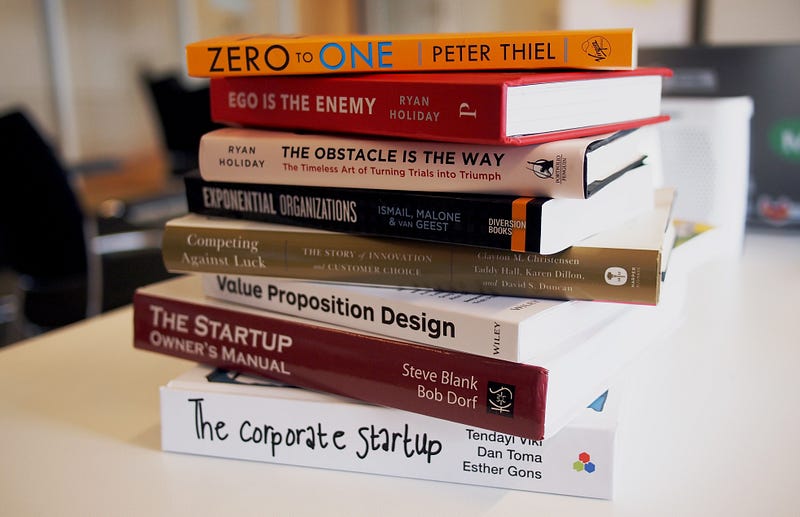
Photo by Daria Nepriakhina on Unsplash

“If you fail — try, try, try again.”

The last lesson I learned in business school is just as applicable to writing as it is entrepreneurship.

Business plans, strategy, and methodologies never survive the full brunt of actual battle.

The unexpected always occurs — and that’s how we learn.

When you’re applying to new publications, many of them will reject your pieces. The nicer editors will take the time to say why — they provide some of your most valuable feedback.

Even if they don’t give you reasons for the rejection, there are still ways to get that much-needed feedback.

You can do it yourself by comparing your piece to the popular articles on the publication. You can send your article to family and friends for their opinions.

Even better, if you’ve gained some fellow writer/editor friends along the way, ask them for their help!

The important lesson here is when you fail, get your bearings, figure out how you can improve the product, and try again. And keep trying — until you make it!

J.J. Pryor is a generalist writer who likes diving down rabbit holes and writing about it. He also created Feedium for the massive rabbit hole that is Medium.

Writing
Business
Life
Life Lessons
Productivity
Recommended from ReadMedium