
How Your iMac M3 is Caught in a Tech Tug-of-War!
USB-C Evolution? I’m Still Waiting for Apple’s Bold Move Towards a Unified Future
I recently got a new iMac M3. It’s actually the first desktop computer I’ve bought in more than ten years, and it turned out to be one of my best decisions. Before this, I used a MacBook Air M1 and had an Intel MacBook Pro. I really liked both, but moving to a desktop computer with a big screen has been amazing and has helped me work a lot more efficiently. However, there’s one downside: it only has lightning port accessories.
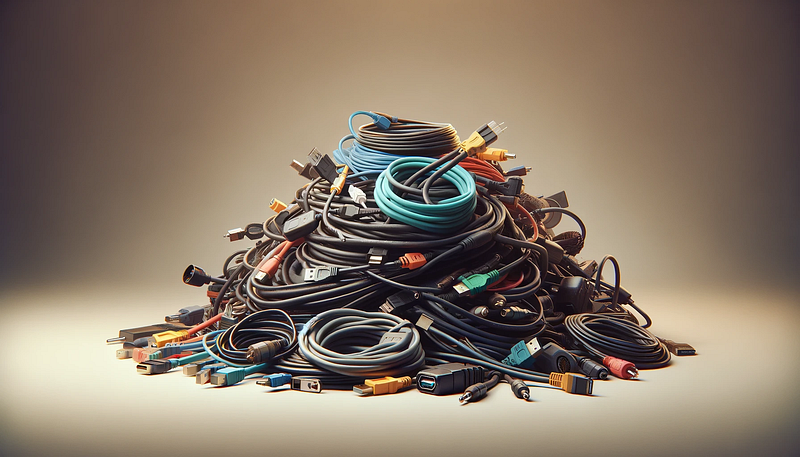
Apple is gradually moving towards USB-C, and it’s likely that Mac accessories will see big changes in the future. This move towards USB-C shows Apple’s effort to support more universal types of connections. But, this change isn’t happening quickly and comes with its own set of problems, especially when it comes to dealing with the existing Lightning accessories that people are still using.
The Current State in Apple’s Ecosystem
Apple’s latest iMac M3 accessories, including the Magic Mouse, Magic Keyboard, and Magic Trackpad, still use the Lightning port, which is surprising. The Magic Mouse, in particular, really needs a redesign because of its oddly placed charging port on the bottom. This choice to stick with Lightning is odd, considering Apple has switched the iPhone 15 and AirPods Pro 2 to USB-C, mainly due to EU laws that demand a common charger for electronic gadgets. Most people probably expected these accessories to have USB-C ports too. They might not be brand new, but they’re packaged with the new iMac and haven’t been updated for a long time, so an update seems overdue.
I’m one of those who expected this change, and I’m still puzzled why Apple would put users in this tricky situation again, like the old days with all the adapter issues. Keeping Lightning ports in some accessories has led to a confusing situation for Apple users. For example, if you have a new iMac and an iPhone 15, you now need different cables for your devices and accessories, which is a hassle.
The Push for Standardization
The EU’s law, set to start in 2024, requires new electronic products to use USB-C. This is to cut down on electronic waste and make things easier for consumers. As far as I know, this law doesn’t currently cover accessories, but there’s a chance it could be extended to include them by the end of 2024.
This law might affect Apple’s future choices about how its accessories connect. There are already signs that they might update other products like AirPods and AirPods Max to USB-C next year, which suggests a bigger change in Apple’s product lineup. As someone who has always liked the Lightning port though, I still think it’s time for this switch to USB-C.
The Benefits of Switching to USB-C
Switching to USB-C has a few big benefits. It makes connecting devices easier because you can use one type of cable for many different gadgets, which cuts down on mess and improves the overall experience. Also, USB-C can transfer data and charge devices faster than Lightning.
My Current Situation
Regarding my current setup, I’m managing pretty well with the cables I have. I use MagSafe stands around my flat, and I have an Apple Duo Charger (for my Apple Watch and iPhone) on my iMac M3 desk. When I need to charge my mouse or keyboard, I just use the Lightning cable from the Duo Charger. This setup works great and I’ve almost gotten rid of all extra cables at my desk. However, I’m concerned that others might struggle with having to use both USB-C and Lightning cables.
Conclusion
In conclusion, Apple moving its Mac accessories to USB-C is a necessary step towards progress and making customers happy. Right now, there are some issues because USB-C and Lightning ports are both being used, but the future looks promising. We’re moving towards a more user-friendly way to connect devices. However, I get that this change can be a hassle for some people, and I understand why they might be disappointed that Apple sticks with lightning accessories.
Hej there! Can I ask you a favour (it will really help me out to grow this blog)?
If you find this article insightful and enjoy reading it, consider following me please and clap as many times as you want as this helps me to each a wider audience. And if you really enjoy my content feel free to buy me a coffee. Thanks for reading and enjoy your day!


