
Unveiling the Symphony of a Better Year
Seeking greater harmony in the New Year
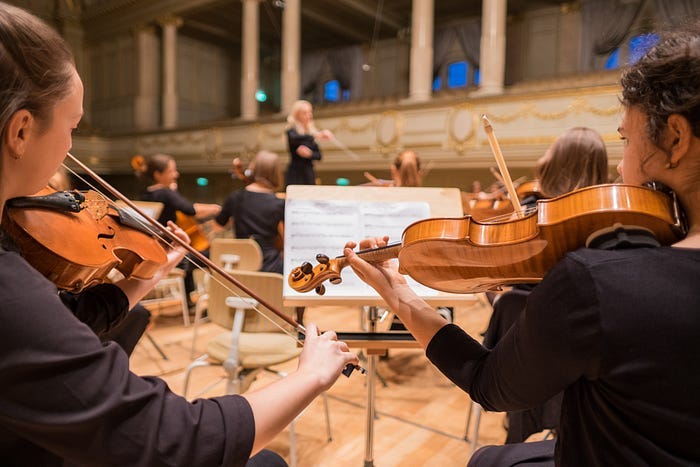
In the symphony of life, where the crescendo of responsibilities and the staccato of digital distractions often dominate, the pursuit of simplicity emerges as a melodic counterpoint — a harmonious composition that resonates with the essence of well-being.
As the new year quickly approaches, consider this journey as an orchestration of intentional choices, each note contributing to a tapestry of balance, joy, and fulfillment.
As we stand on the precipice of what promises to be another stressful, hectic, overwrought, and demanding year, the call to simplify our lives echoes louder than ever.
In the words of Henry David Thoreau, “Our life is frittered away by detail. Simplify, simplify, simplify!”

Yet, simplicity is not merely a decluttering of physical spaces; it’s an intricate dance that extends to the mind, the spirit, and the very rhythm of our daily existence.
This is not a fleeting resolution that will soon be forgotten but a lifelong commitment — an exploration of what truly matters amid life’s bustling orchestra.
Imagine, for a moment, peeling away the layers of unnecessary complexity.
It’s a journey that invites us to declutter our physical spaces, say “no” with intention, stop apologizing, and streamline our tasks into a rhythmic dance of productivity.
In this symphony of simplified living, each action becomes a note, and each habit contributes to the melody of a life well-lived.

This is not a prescription for a minimalist utopia but a celebration of intentional living — a call to strip away the unnecessary and amplify the beauty in the ordinary.
Let our journey begin, because, as always, I am not only writing for you but also for myself. I am in dire need of simplifying and improving my life if I want to survive the coming year.
So let us delve into the symphony of simplified living, inviting you to conduct the orchestra of your life with grace, purpose, and the sweet serenade of well-being.
Declutter to Unveil the Art of Liberation
Decluttering transcends the mere act of organizing physical spaces; it’s an art form that unveils the liberating essence of intentional living. Imagine your living space as a canvas, each item holding a narrative. As you embark on the decluttering journey, you are not merely discarding possessions but curating a gallery of meaningful artifacts.
Begin with a poignant question: Does this item spark joy? Channeling the spirit of renowned decluttering guru Marie Kondo, this question becomes a guiding principle.
Items that resonate with joy earn their place, while those that no longer serve become opportunities for a new chapter in someone else’s story. This process is not just about creating space but about crafting an environment that breathes with purpose and authenticity.
I used to get Kondo’d nearly every weekend, as I called it, but as Kondo fell out of favor, so did my adherence to her advice.
Consider the example of decluttering your wardrobe.
Each garment, a chapter in your style journey, carries memories and emotions.
The decluttering process is an excavation — a conscious sifting through this sartorial narrative. As you bid farewell to items that no longer align with your present self, you liberate space for a wardrobe that mirrors your current aspirations and identity.
Beyond physical spaces, decluttering extends to the intangible realms of the mind.
Unburden yourself from thoughts that no longer serve your growth.
Like a sculptor chiseling away the excess stone to reveal the masterpiece within, decluttering the mind involves releasing mental habits that hinder clarity and focus. Embrace the art of liberation, allowing your living spaces and thoughts to echo with the harmonious notes of intention and authenticity.
Say No to Set Boundaries as a Symphony of Self-Love
The art of saying “no” is a nuanced symphony, a melody that resonates with the self-love and preservation needed in the orchestration of a fulfilling life.
Picture your time and energy as precious instruments, each requiring a conductor attuned to the rhythms of personal well-being. Saying “no” is not a rejection but a conscious choice to honor the sanctity of your boundaries, allowing each “yes” to be an intentional crescendo.
Delve into the psychology of refusal, recognizing that the fear often stems from the anticipation of letting others down.
Like a skilled conductor shaping the tempo of a musical piece, saying “no” is a strategic modulation, creating a balance between external obligations and internal harmony. It’s about crafting a melody of commitments that harmonize with your values and priorities.
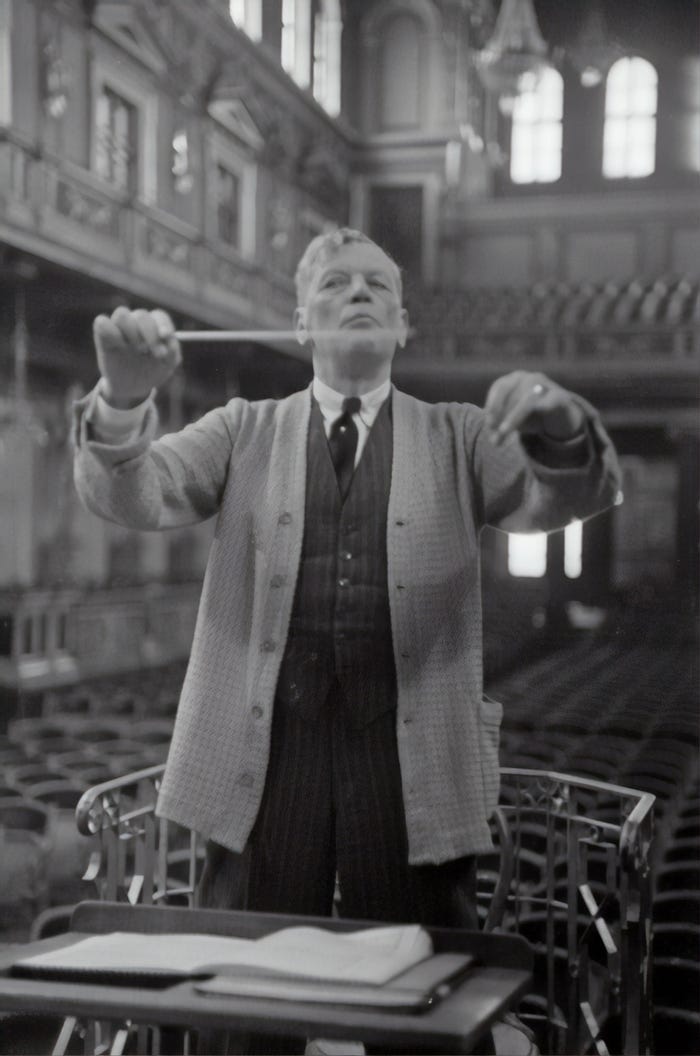
An example might be a professional balancing work and personal commitments.
When a new project or social invitation arises, the art of saying “no” becomes a deliberate act of self-preservation.
By recognizing the limitations of time and energy, the individual ensures that each “yes” aligns with their overarching life composition. Saying “no” is not a denial of opportunities but a strategic choice, allowing the symphony of life to unfold with resonance and purpose.
In cultivating the art of saying “no,” you conduct a symphony of self-love, where each note contributes to the harmonious composition of a life that reflects your authentic desires and priorities.
Streamline Tasks to Craft a Symphony of Productivity
In the orchestra of our daily lives, crafting a symphony of productivity is an art that extends beyond mere organization; it’s a harmonious blend of structure and spontaneity.
Imagine your day as a musical composition, each task akin to a note contributing to the overarching melody. Streamlining tasks involves not only prioritization but also a rhythmic alignment with your natural energy ebbs and flows.
Begin your composition by identifying the crescendos and decrescendos of your energy levels throughout the day.
Are you a morning virtuoso or an evening maestro?
Understanding your energy peaks enables you to schedule tasks requiring focus and creativity during these high-energy intervals. This deliberate orchestration ensures that your most demanding tasks receive the spotlight they deserve, fostering a crescendo of productivity.
Embrace the concept of thematic motifs — a repetitive melody that unifies the composition.
Apply this principle to your routine by grouping similar tasks.
Responding to emails, making phone calls, or engaging in creative work can form distinct motifs within your daily symphony. This not only minimizes mental transition costs but also transforms your workday into a cohesive and harmonious performance.
Now, consider the power of rests in music — the moments of silence between notes. Just as rests provide rhythm and enhance musicality, incorporating short breaks into your day rejuvenates your mind.
Take a stroll, meditate, or indulge in a brief creative pursuit. If you are like me and do not or cannot meditate, several alternatives serve just as well.
These rests serve as interludes, preventing burnout and adding nuance to the tempo of your symphony.
An example of this approach might be a marketing professional crafting her daily symphony.
In the morning, during her peak energy, she composes the strategic elements of a new campaign — the crescendo of creativity.
After lunch, she addresses emails and engages in collaborative meetings — a thematic motif of communication. Short breaks between these segments act as rests, ensuring sustained focus and preventing the symphony from becoming cacophonous.
In essence, streamlining tasks is not a rigid adherence to a monotonous score but a dynamic composition that adapts to the rhythm of your life.
As you conduct this symphony of productivity, infuse it with intention, rhythm, and the seamless interplay of diverse tasks, creating a masterpiece that resonates with both efficiency and fulfillment.
Limit Distractions to Orchestrate Focus in the Digital Symphony
In the grand symphony of modern life, where digital devices play a prominent role, limiting digital distractions becomes a masterful act of orchestrating focus and reclaiming control over our attention.
Imagine your digital interactions as musical notes, each capable of composing either a chaotic cacophony or a harmonious melody. The key lies in conducting this digital symphony intentionally.

Begin by auditing your digital engagements.
How often do you find yourself immersed in the ever-scrolling feed or responding to an influx of notifications?
Much like a conductor directing the tempo of a piece, take charge of your digital interactions.
Set specific intervals for checking emails and social media, transforming your digital engagements into deliberate and structured movements within the symphony of your day.
Consider the example of a professional navigating a demanding workday.
In a world where emails, messages, and notifications create a constant hum, the art of limiting digital distractions involves designating focused periods for deep work.
By silencing non-essential notifications and scheduling specific times for digital communication, this individual orchestrates their day with intentionality, allowing for uninterrupted dives into meaningful tasks.
The concept of digital minimalism emerges — a deliberate reduction of online clutter to enhance the signal-to-noise ratio in our lives.
Like refining a musical composition to accentuate its core melody, limiting digital distractions involves curating your digital environment to amplify what truly matters.
Liberate yourself by unplugging from the incessant digital noise, creating a symphony where the harmonious notes of focus and presence prevail over the dissonance of constant interruptions.
In the pursuit of limiting digital distractions, you are not disconnecting from the digital world but rather conducting it with purpose. Embrace the conductor’s baton, directing the digital symphony of your life towards a crescendo of productivity, creativity, and genuine connection.
Embrace Mindfulness to Nurture Presence Amidst Life’s Chaos
In the fast-paced tapestry of our daily lives, mindfulness emerges as a transformative practice, transcending the boundaries of traditional meditation.
It beckons us to infuse every moment with a continuous thread of presence, guiding us through the ebb and flow of life with grace. Exploring mindfulness is a multidimensional journey, inviting us to embrace various techniques that extend beyond the confines of a meditation cushion.
At its core, mindfulness is about weaving awareness into the fabric of our existence, acknowledging the intricate dance between thoughts, emotions, and actions. It’s a conscious choice to anchor ourselves in the present moment, fostering resilience and inner calm amidst the external storms of our lives.
One avenue of mindfulness is breath awareness — an intentional focus on the rhythmic inhales and exhales that accompany our every breath.
Through this practice, we cultivate a deep connection with the vital force that sustains us, inviting a sense of peace and centeredness into our being.
Mindful walking is another technique, encouraging us to step deliberately and consciously, syncing our movement with our breath. In the cadence of each step, we find a sanctuary of tranquility, allowing the external chaos to fade as we attune ourselves to the present.
As someone who averages nine — yes nine — miles of walking per day for the entire year, this is something that I am personally embracing. Not that I intend to mindfully walk for hours every day, but I am making it a point to do this for at least a portion of my daily excursions.
As our mindfulness practice deepens, we discover that each moment becomes an opportunity for connection and transformation.
It’s not about escaping the hustle and bustle of life but about engaging with it consciously. In the dance of mindfulness, the ordinary becomes extraordinary, and the mundane becomes a source of profound beauty. Embracing it is an invitation to savor the richness of each moment and find solace in the stillness that resides within you.
Embrace the Philosophy of “Less is More” in Your Journey
Productivity often conjures images of endless to-do lists, time management apps, and the relentless pursuit of doing more in less time. Medium’s favorite son and many others espouse this daily to the delight of thousands if not millions of readers.
However, a profound shift occurs when we embrace the philosophy of “less is more” in our approach to productivity. It’s a recalibration of our mindset from quantity to quality, from busyness to purposeful action.

In a world inundated with constant stimuli, the allure of productivity tools and time-saving techniques can lead to an overwhelming paradox — the more tools we accumulate, the more cluttered our productivity landscape becomes.
The antidote lies in simplifying our approach, adopting tools that align with our unique working style, and recognizing that true productivity is not about the sheer volume of tasks but the meaningful impact they carry.
The journey of embracing “less is more” in productivity invites us to declutter our task lists and focus on the essentials.
It’s about identifying the tasks that align with our overarching goals and contribute meaningfully to our projects. This intentional curation of tasks allows us to channel our energy into endeavors that resonate with our values, fostering a sense of purpose and accomplishment.
The pursuit of “less is more” becomes a transformative journey — a conscious choice to strip away the non-essential, leaving behind a landscape where each task is a deliberate step towards a more focused, purpose-driven work life.
Prioritize Tasks to Nurture Essential in Your Life’s Composition
In the melodic tapestry of life, the practice of prioritizing tasks is akin to composing a symphony where each task contributes a distinct note to the overarching harmony.
It’s an art of discernment, requiring a deep understanding of your values and aspirations.
Imagine your to-do list as a musical score, each task carrying its unique resonance. The challenge is not merely to complete tasks but to cultivate a composition that resonates with the core of who you are.

Start by recognizing the melody of your life.
What are the themes that echo your values and long-term goals?
Prioritization is not about doing more but about aligning your actions with what truly matters.
Picture the conductor of an orchestra deciding which instruments should take the lead — a careful selection that defines the emotional cadence of the entire piece. Similarly, choose tasks that align with the symphony of your life, orchestrating a composition that reflects your deepest priorities.
Consider the example of a creative professional juggling multiple projects.
By prioritizing tasks, this individual ensures that each project receives the attention it deserves. It’s not about busyness but about crafting a harmonious work-life composition. The essentialist approach involves saying no to non-essential tasks, creating a space for the crescendo of meaningful accomplishments.
In the pursuit of prioritizing tasks, you become the composer of your life’s soundtrack.
Embrace the intentional selection of each task as a note in your symphony, creating a masterpiece that resonates with purpose, fulfillment, and the authentic expression of who you are.
Prioritize not for the sake of productivity alone but as a form of self-expression, crafting a life composition that sings with the melody of your aspirations.
Liberating Your Life by Embracing Minimalism
In the realm of self-help wisdom, the embrace of minimalism is not merely a decluttering of physical spaces; it’s a profound shift in perspective — a conscious choice to strip away the non-essential and invite simplicity into every facet of our existence.
Imagine a life adorned only with items that spark joy and serve a purpose. This practice of giving things away extends beyond material possessions; it’s a liberation of the mind and soul.
Minimalism, in the spirit of renowned self-help advocates, invites us to examine the emotional attachments we forge with our belongings.
Each item we own carries a story, a memory, or an association. Delving deeper into minimalism requires a willingness to confront these attachments and discern between what truly adds value to our lives and what merely occupies space. It’s a journey into intentional living, where every possession becomes a conscious choice rather than a burden.

Picture a living space where each item is chosen with care — a deliberate act of curating an environment that fosters clarity and purpose.
As we navigate the minimalist landscape, we unearth the freedom that comes with letting go.
It’s not about the scarcity of possessions but the abundance of experiences, relationships, and genuine fulfillment. In the pursuit of minimalism, we rediscover that true wealth lies not in the accumulation of things but in the quality of our connections and the richness of our experiences.
The minimalist philosophy, echoed by influential self-help figures, extends beyond our physical surroundings into the realms of time, energy, and mental clarity.
By consciously shedding the unnecessary, we create space for what truly matters. It’s a recalibration of our priorities, a recognition that a life well-lived is not measured by the possessions we amass but by the depth of our connections and the authenticity of our experiences.
As we embrace minimalism, we liberate ourselves from the weight of consumerism and societal expectations, paving the way for a life that resonates with purpose, clarity, and the enduring beauty of less.
Immerse Yourself in the Healing Embrace of Nature
Amidst the relentless pace of our modern lives, the call of nature stands as a potent antidote to the chaos.
The practice of embracing nature extends beyond a mere retreat from urban life; it’s a profound journey into the heart of serenity and connection.
Picture, if you will, a weekend escape where the cacophony of city life is replaced by the rustling of leaves, the gentle flow of a river, and the symphony of birdsong. It’s not just about being outdoors; it’s about allowing nature to cradle us in its healing embrace.

In the spirit of self-help philosophy, the call to nature is a call to reconnect with the simplicity of existence.
Nature, in its boundless beauty, offers lessons in resilience, adaptability, and the cyclical nature of life. As we immerse ourselves in the great outdoors, we discover that every rustle of a leaf and every chirp of a bird is a reminder of the present moment — a moment free from the clutter of our daily concerns.
The practice of embracing nature is not merely a leisurely pursuit; it’s a holistic form of therapy.
Eco-therapy, as it’s often termed, recognizes the therapeutic benefits of nature on our mental and emotional well-being. Picture a hike through a lush forest or a moment of stillness by a tranquil lake. These are not just recreational activities; they are opportunities for rejuvenation, reflection, and a rekindling of our connection with the earth.
In the footsteps of self-help gurus who advocate for mindfulness, nature becomes a canvas for cultivating a profound sense of presence. It’s a space where the incessant chatter of our minds subsides, and we become attuned to the gentle rhythm of the natural world.
As we walk through a meadow or sit beneath a towering tree, the boundary between self and nature blurs, and we find ourselves part of a grand tapestry — a reminder that we are not separate from the earth but an integral thread woven into its intricate design.
So, the next time you feel the weight of the world on your shoulders, consider the healing embrace of nature. Whether it’s a brief stroll in a neighborhood park, a weekend camping trip, or a mindful moment in your backyard garden, allow nature to be your sanctuary.
Cultivate Health for a Symphony of Well-being in the New Year
As we step into the new year, the pursuit of health is not merely a resolution but a composition — a symphony of well-being that harmonizes physical vitality, mental clarity, and emotional resilience.
Envision your health journey as a musical piece, with each mindful choice contributing to the vibrant melody of a balanced life. It’s a holistic approach that transcends fitness routines and dietary plans, weaving together the threads of self-care into a beautiful tapestry.
Begin your health symphony by acknowledging the interconnectedness of body and mind.
It’s not just about shedding pounds or adhering to a rigid regimen but about cultivating a lifestyle that nourishes your entire being. Picture the conductor of an orchestra guiding various sections to create a harmonious blend. Similarly, cultivate habits that synchronize physical and mental well-being.
Consider the example of embracing regular exercise.
Rather than viewing it as a chore, imagine it as a rhythmic dance with your body — a movement that invigorates and energizes. Whether it’s a brisk walk, yoga, or a joyful run, let each session be a note in the symphony of your health, resonating with the joy of movement and vitality.

Explore the nuances of mindful eating, not as a restrictive diet but as a culinary adventure.
Each meal becomes an opportunity to nourish your body with wholesome, nutrient-rich foods. Picture the choices you make at the table as musical notes, creating a melody of well-being that sings with energy and vitality.
In the pursuit of health, the goal is not perfection but a continuous, evolving composition.
Embrace the rhythm of self-care, incorporating moments of rest and rejuvenation. Just as a musical piece has variations in tempo, allow your health symphony to have moments of both vibrant activity and serene stillness.
As you embark on this journey of well-being in the new year, envision yourself as the conductor of your health symphony. Let each choice, each mindful action, contribute to the harmonious composition of a life that resonates with vitality, balance, and a profound sense of well-being.
May your health symphony be a source of inspiration and joy throughout the coming year!


