
The Liberating Power of Unplugging
Escaping the Vicious Hustle Cycle
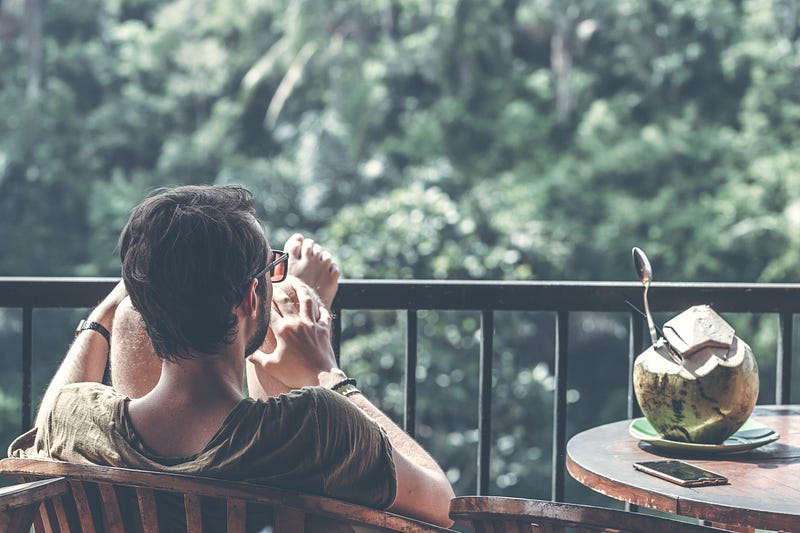
In today’s fast-paced world, we are constantly bombarded with motivational messages and productivity tips that glorify the concept of “hustle” — the idea that we must live endlessly productive lives without any downtime.
This era of technology has brought us closer to our devices, with smartphones, email, and social media becoming integral parts of our daily existence.
While these technological advancements have become almost indispensable, it’s essential to question their true value considering how humanity thrived for centuries without them.
The world we live in seems dominated by constant, demanding, and instant communication that never sleeps.
We find ourselves surrounded by an all-pervasive noise, trying to shape our perceptions and beliefs. It demands our attention relentlessly, offering very little in return.
But is this constant distraction always welcome?
In this state of perpetual connectivity, it’s crucial to examine how useful it truly is to be plugged in.
How much time do we spend mindlessly scrolling through messages and browsing our phones?
How much of our precious time is wasted on trivial matters, and how much progress do we make toward the goals that truly matter to us?
Does breaking free from these attention-demanding requests create more space and clarity in our lives?
Let us consider the answers to some of the above questions.
The Hustle lifestyle
The “hustle” lifestyle is often portrayed as a worthwhile pursuit, painted through the filters of social media and driven by personal image, comparison, shame, and explanation. Medium’s most popular writers including its very favorite son are constantly writing stories about side hustles and pushing harder.
It preys upon our personal weaknesses and insecurities, convincing us that our worthiness is directly tied to our ability to hustle.
But where do we draw the line? How much hustle is enough, and when does it become toxic? Can hustle truly explain everything?
The concept of reality and its authenticity has always been a challenging question.
The world we perceive is often messy and ambiguous, filled with shades of gray between truth and falsehood.
Some lies intentionally mislead us, painting the hustle life as an ideal we should strive for.
We see the captivating headlines, but do we truly understand the intentions and realities of the writers behind them? What does success mean, and what is the writer’s definition of success?
Can you actually earn thousands, tens of thousands, or millions through some side hustle that the author is going to share with anyone who reads it?
These questions are not easy ones to answer, and comparing ourselves to a story whose origin and accuracy we don’t fully comprehend only leads to unnecessary shame.
But what good does shame do?
It only makes us feel inadequate compared to an image we can’t challenge or fully understand.
Does shame truly lead to improvement? While identifying shortcomings can help us overcome them, focusing on our strengths rather than our weaknesses usually yields better results.
Slow and steady wins the race
Is hustle really the key to success, or is a consistent and continuous effort toward our goals a more sustainable approach?
By setting clear goals, measuring progress, and seeking feedback, we can gauge our progress without the need for constant comparison to others, especially when we don’t believe in the validity of those comparisons.
Perhaps progress, even slow progress, is what truly matters.
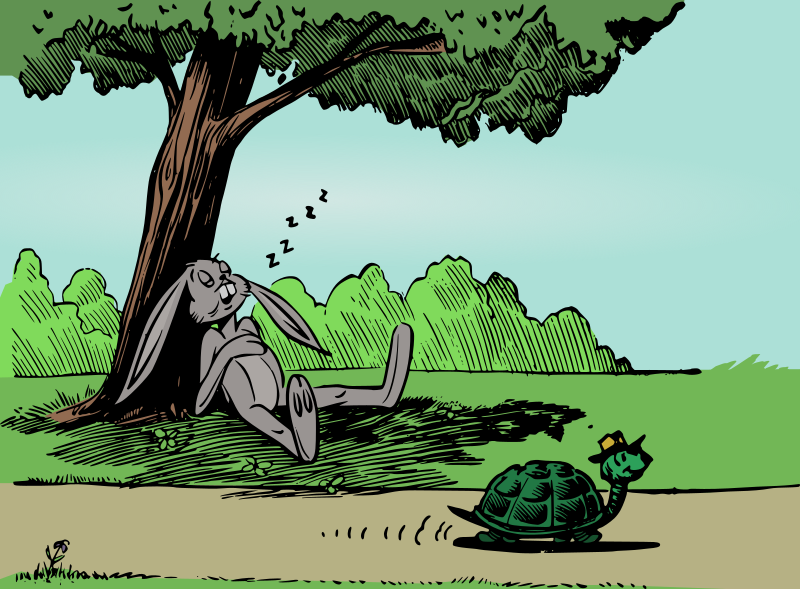
Maybe consistent effort, akin to the steady progress of the tortoise, outweighs the frantic pace of the hare. Maybe it’s okay to be the tortoise as long as we believe in ourselves, our goals, and work towards them at our own pace.
Unplug and rejuvenate
Fatigue plays a significant role in our ability to hustle. Understanding our own feelings and self-awareness helps us recognize when we need a break.
Continual effort takes a toll, and relying solely on discipline can lead to burnout. Shame and comparison only contribute to anxiety, demotivation, and higher mental barriers.
Rest, on the other hand, soothes and reinvigorates us, providing a much-needed opportunity for rejuvenation and introspection.
Unplugging from the constant hustle and taking intentional breaks can be a transformative act of self-care. It allows us to step back, evaluate our priorities, and reconnect with ourselves and the world around us.
When we disconnect from the noise and distractions of technology, we create space for deeper reflection, creativity, and genuine human connection.
Liberated from Likes
In our digitally-driven society, it’s easy to fall into the trap of constantly seeking external validation and measuring our self-worth based on likes, followers, claps, and achievements.

Unplugging gives us the chance to reclaim our autonomy and define success on our own terms. It liberates us from the pressure to constantly hustle and instead encourages us to focus on what truly matters to us, whether it’s personal growth, meaningful relationships, or pursuing our passions.
Moreover, unplugging allows us to fully immerse ourselves in the present moment.
It’s a practice of mindfulness, where we can engage with our surroundings, engage in deep conversations, and savor the simple joys of life without the constant distraction of notifications and updates. It’s amazing how much beauty and inspiration we can discover when we lift our heads up from our screens and truly engage with the world.
Baby steps
Unplugging doesn’t have to be an all-or-nothing endeavor. It can start with small steps, like setting boundaries around device usage, designating tech-free zones or times, and prioritizing activities that nourish our well-being.
Taking regular breaks from technology not only improves our mental and emotional well-being but also enhances our productivity and overall effectiveness when we do engage with our work or responsibilities.
It’s important to remember that the goal of unplugging isn’t to reject technology altogether.
Technology has undoubtedly brought numerous benefits and conveniences to our lives.
Instead, it’s about finding a healthy balance and using technology intentionally, rather than letting it control us. By consciously choosing when and how we engage with technology, we regain control over our time, attention, and ultimately our lives.
Plug into people
Unplugging also opens up opportunities for genuine human connection.

It’s easy to get caught up in the virtual world of social media and online interactions, but true connection and intimacy can only be cultivated in real-life interactions.
When we disconnect from our devices, we create space for deeper conversations, meaningful connections, and shared experiences. We can strengthen relationships with loved ones, build new connections in our communities, and foster a sense of belonging that is often lost in the digital realm.
In a world that constantly pushes us to do more, achieve more, and be constantly connected, unplugging becomes a rebellious act of self-preservation.
It’s a declaration that our well-being, happiness, and authenticity are more important than the relentless pursuit of productivity.
It’s a reminder that we are human beings, not human doings, and that our worth is not determined by our hustle.
So I invite you to consider the liberating power of unplugging
Take a break from the hustle, reclaim your time and attention, and reconnect with what truly matters.
Embrace the beauty of stillness, the joy of genuine connection, and the serenity of being fully present. In this act of unplugging, you might just discover a newfound sense of freedom, fulfillment, and a more meaningful life.
Do what I do, and go out for a nice, long walk where you are not checking any social media or emails at all for an hour or two and just take in the scenery around you. That is exactly what I will be doing once I finish writing this.
In a world obsessed with hustle and constant connectivity, the notion of unplugging becomes a radical act of self-preservation and authenticity.
The pressures of the “hustle” lifestyle, fueled by social media and comparison, can lead to a never-ending cycle of seeking external validation and measuring our worth by likes and achievements. However, true success and fulfillment may lie in slow and steady progress, self-awareness, and setting meaningful goals that align with our values.
Remember: unplugging doesn’t mean rejecting technology altogether; rather, it’s about finding a healthy balance and using technology intentionally.
By taking small steps to set boundaries around device usage and prioritizing activities that nourish our well-being, we regain control over our time and attention. This intentional disconnection from the constant noise and distractions of technology allows us to fully immerse ourselves in the present moment, engage in deep conversations, and rediscover the simple joys of life.
In this act of unplugging, we declare that our well-being and authenticity are more important than endless productivity. It’s an invitation to embrace the beauty of stillness and the serenity of being fully present.
So, let us dare to unplug, break free from the hustle, and reclaim our time and attention. Embrace the liberating power of stepping away from the noise, and in doing so, we may find a newfound sense of freedom, fulfillment, and a more meaningful life.