
Unveiling Harmony Within: Exploring Body Constitution for Balance and Health
Embracing body constitution for better living
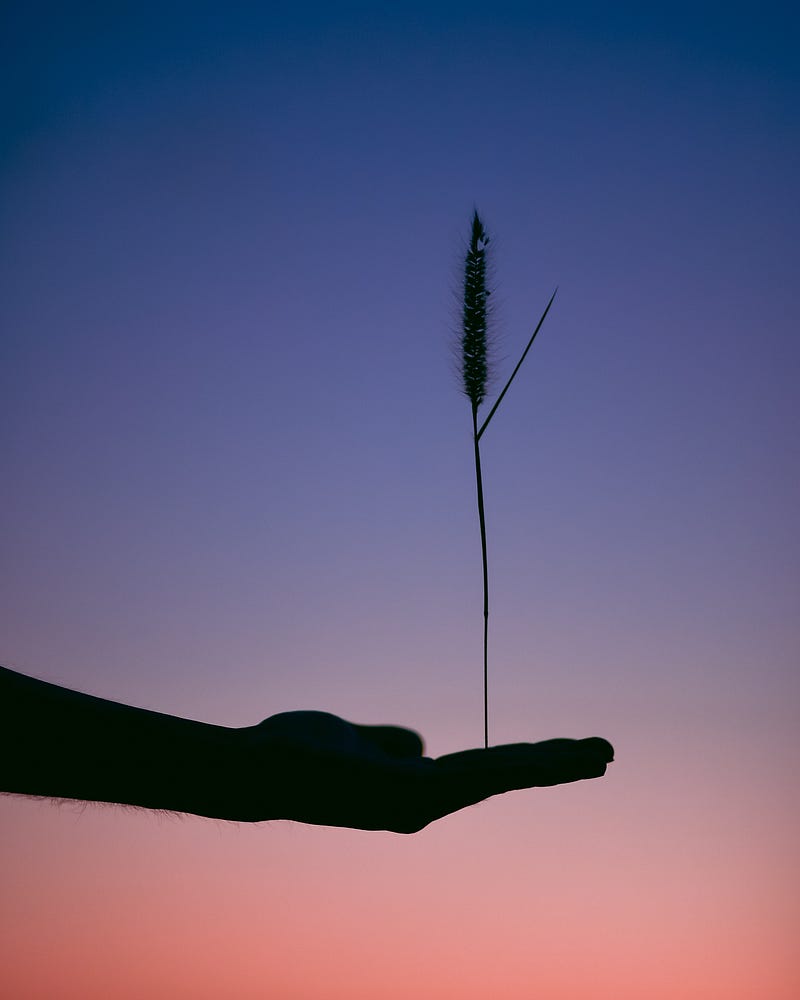
Body constitution (体质) is a unique concept in Traditional Chinese Medicine (TCM). It refers to an individual’s overall physiological characteristics, inherent strengths, weaknesses, and tendencies toward certain imbalances or diseases.
Body constitution is closely associated with genetics and can also be influenced by the environment and lifestyle choices over time.
There are multiple types of body constitutions. Let’s look into two key categories here: Yang deficiency (cold) and Yin deficiency (hot). Most people fall somewhere in between the two extremes on the body constitution spectrum.
People with Yang deficiency often experience cold hands and feet, tend to have low energy levels, dislike cold and prefer warmth, and have a slow pulse. People with Yin deficiency, on the contrary, may have warm limbs, less tolerance to hot weather, and show a faster heartbeat.
According to TCM, the holy secret to health is to maintain and restore Yin Yang balance within the body. Yin Yang is the most fundamental philosophy in Chinese culture, established several thousands of years ago. It has profound influences across many fields, especially on TCM.
TCM recognizes everybody has a unique body constitution. Understanding one’s body constitution is crucial for healthy living, diagnostics, and disease care.
Let me start with an experience of my own.
Overeating dry dates: I got a blister
Dates are known to be a good source of nutrients with various health benefits. It was among 120 superior foods/herbs recorded in the very first Chinese herbal classic《神农本草经》, or Shennong’s Materia Medica Classic, written in the Han dynasty between 202 BC-220 AD. The dry date is also used as one key ingredient in certain classic TCM prescriptions due to its Warm nature and health benefit.
One time I got a bag of dry dates from an Asian market, I couldn’t help eating a bunch daily continuously for several days. Then I got a blister. Not a major problem, but it’s annoying.
Was this a just coincidence?
When this happened more than once, I came to realize that while date is considered Warm in nature, an excessive amount could cause problems for people like me with a body constitution toward the Warm side.
I learned my lesson: know your body, and moderation is key. That applies to good stuff too. As the Chinese proverb goes: 过犹不及, meaning too much could be as bad as too little.
Body constitution, food, lifestyle
Food as well as herbs are categorized by Nature and Taste in TCM. Both Nature and Taste are based on their effect on the body’s function, not the physical temperature and flavor of the substances. In addition to Warm nature, the other categories are Hot, cool, cold and neutral.
It is worth noting that the Nature of food and herbs can be modified through processing and treatment, such as stem, roast, bake, etc. For example, when ginger is roasted in a fire, its Warm nature becomes stronger and changes to Hot.
Likewise, grilled BBQ food has enhanced Warm nature. Meat such as lamb and chicken is considered Warm in Nature. In combination with BBQ and the heat of summer, people with Yin deficiency would run the risk of 上火. It would be helpful to pay attention to portion sizes and incorporate vegetables and fruits with a Cool or “Yin-nourishing” nature to balance.
In the café at our workplace, there is a daily supply of minced ginger and lemon slices. I usually go for lemon slices. But for people with Yang deficiency, adding minced ginger to warm water would be beneficial to improve Yang and circulation.
Similarly, they would be better off drinking room temperature or warm water without ice. Icy cold beverages could adversely impact the body’s ability to generate warmth and maintain optimal circulation for those with Yang deficiency,
On a related note on drinks, green tea is generally classified as Cool or “Yin-nourishing” in nature while coffee is considered Warm to be Warm or “Yang-promoting” in nature.
So people with Yang deficiency can focus on including more food with Warm nature and limiting food raw and cold in their diet. People with Yin deficiency can choose more food on the Cool side.
Sauna is another relevant example for people with Yin deficiency. While it may offer some potential health benefits, sauna usually comes with high temperatures and induces sweating with significant fluid loss from the body. For individuals with Yin deficiency, this can further deplete Yin fluids and may lead to symptoms such as increased dryness and thirst.
What about cold showers and icy baths? They have gained popularity in recent years, whether to challenge self, strengthen willpower, or gain health benefits as supported by certain studies. But for people with Yang deficiency, this may further worsen the imbalance due to extreme cold stimulus. Better to think twice before jumping in.
Body constitution and healing
Body constitution plays an important role in an individual’s vulnerability to pathogens and disease development. For instance, people with Yang deficiency tend to have a clear running nose when experiencing cold. In contrast, folks with Yin deficiency are more likely to encounter a sore throat when dealing with a cold.
Body constitution is an integral part of TCM’s diagnosis and treatment. TCM doctors would assess the body constitution of the patient as part of the Four Examination diagnostics, then combine the multi-dimensional information to construct the disease pattern and health profile to design a personalized treatment plan.
And there is a wide range of therapeutic approaches i.e. herb medicine, acupuncture, moxibustion, dietary therapy, lifestyle modifications, and mind-body exercises to promote Yang energy or nourish Yin. This means even when two people show similar symptoms, the treatment plans can vary if they have different body constitutions. Tailoring the treatment to the individual’s body constitution can help address the underlying imbalances and restore the body’s natural healing abilities.
Embracing body constitution can empower us to make informed choices about lifestyle and overall wellbeing. The extent of Yang or Yin deficiency can certainly differ from person to person. Be gentle to yourself and seek professional guidance if needed for balance and health.
Thank you for reading.
This post is for informational purposes only. It should not be considered health advice. Please consult health professionals for medical questions and advice.
I write about culture, work-life learning, and the ancient wisdom of Traditional Chinese Medicine for better living. Click here if you would like to be notified when I publish.