
Unshakeable Peace.
once the mind is firmly established, we can relax, there’s nothing more to worry about…
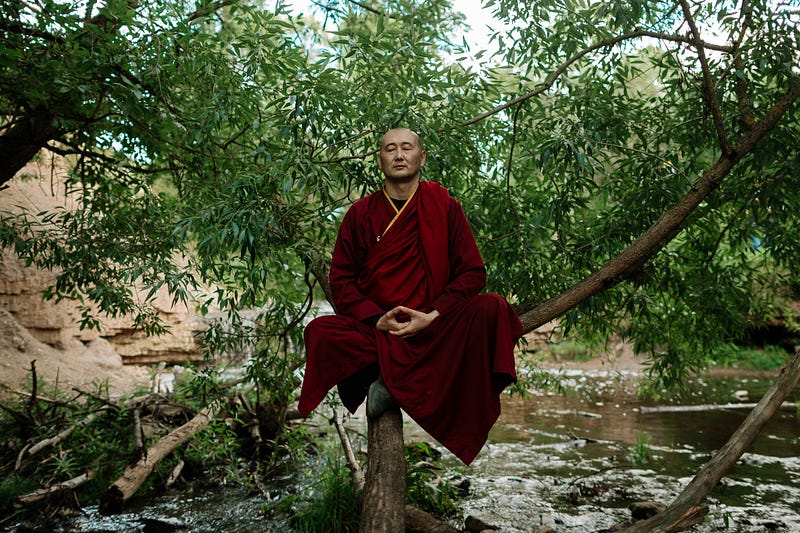
“Meditation is like a single stick of wood. Insight (vipassanā) is one end of the stick and serenity (samatha) the other. If we pick it up, does only one end come up or do both? When anyone picks up a stick both ends rise together. Which part then is vipassanā, and which is samatha? Where does one end and the other begin? They are both the mind. As the mind becomes peaceful, initially the peace will arise from the serenity of samatha. We focus and unify the mind in states of meditative peace (samādhi).” — Ajahn Chah.
Once we’ve arrived at this place of meditative peace, even if we hear a noise, the mind remains unruffled. Once we’ve reached this peace, there’s nothing remaining to do. The Buddha taught to give it all up. Whatever happens, there’s nothing to worry about. Then we truly, unquestionably, know for ourselves. We no longer simply believe what other people say.
“When the mind unifies in samādhi, if you direct your attention outward you can hear, but if you let it dwell in its emptiness then it’s perfectly silent. “ — Ajahn Chah.
We see that the mind and the object of sound are completely separate. With practice this becomes more frequent and the mind goes deeper into itself where nothing external can reach it. Our peace gets stronger, wisdom develops.
In samadhi, the mind follows the way of nature, it’s in its natural, clear state. When it reaches this state we can use this pure energy for vipassana, insight meditation, to investigate and observe many things including conditions and mental phenomena. We can examine everything from this point of clarity and calm without involving our usual ways of thinking and speculating. This is when we see everything as it really is. We see the true nature of all things.
*Inspired by and quotes taken from: ‘Unshakeable Peace’ — A Dhammatalk given by Ven. Ajahn Chah
May this teaching lead you to happiness; may it help you grow in truth. May you be freed from the suffering of birth and death.

You may also like these Dharma articles:


