
The Way Out of Suffering.
how the practice of mindfulness can stop us spinning around in samsara and achieve wisdom, peace and harmony…
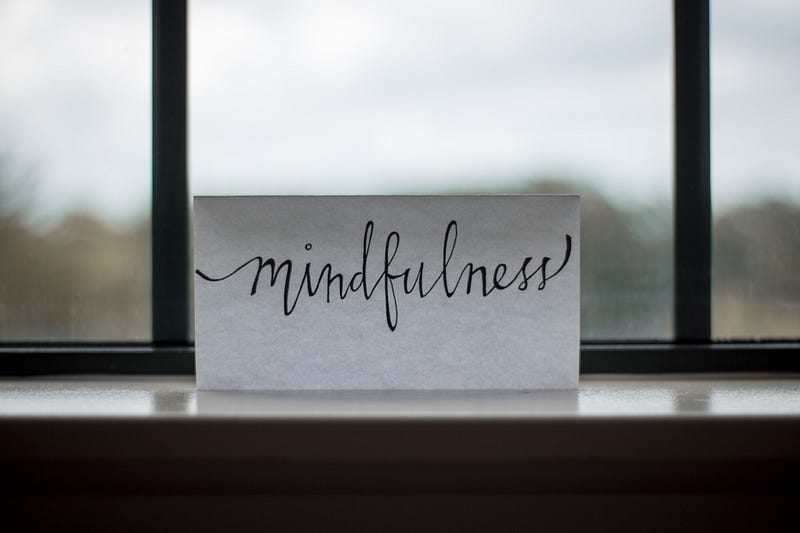
All Dharma talks and teachings have one aim — to show us the way out of suffering - to give us enough right understanding to arrive at the peace we desire.
Fundamental teachings point out the two extremes — indulgence in pleasure and indulgence in pain — which we tend to dwell within. These are the paths which keep us trapped in samsara or cyclic existence ie. the world as we know it.
The Middle Way of the Dharma is right practice, the Middle Way of the mind — not of the body or speech. Mental impressions which we don’t like arise, affect the mind and cause confusion, shaking up the mind and resulting in anger, frustration and suffering. If we like the mental impression we indulge in happiness. Neither is the right way. Neither is real or lasting.
Happiness is simply suffering refined, it’s all suffering at different levels. If you’re happy beware because suffering is imminent. Although it might sound depressing if you check up you’ll agree that’s just the way it is. We have to accept it, get over it and keep working to ensure that we develop and maintain equanimity to both these extremes. By not reacting and limiting the amount we allow external things to bother us we can move towards attaining a new level of wisdom, peace and harmony.
When we pay attention we can see the constant activity and dullness of our mind compared to the natural, original mind which is unmoving, still and completely clear.
We can watch the mind through sustained periods of sitting or walking meditation but also keep an eye on it constantly through mindfulness and increased self-awareness of our thoughts, intentions and actions of body and speech.
This is how we practice restraint at source by monitoring and stopping wrongful speech and actions which cause suffering to ourselves and others. I find the phrase, “Check yourself before you wreck yourself” unbelievably helpful on certain occasions.
If we get to know both these extreme states well then, when mental impressions arise, we don’t get lost in them and either go chasing off after or running away from something.
We will know the causes of our suffering, happiness, dislike, frustration etc. When the mind moves, clinging and attachment come into being together with aversion and delusion. All of these things are simply events in the mind so we have a choice:
We can either operate with mindfulness which keeps us safe or with ignorance which causes us suffering.
Since the mind moves so quickly from one thing to another it can be difficult to keep up with it. This is why we need to be extra vigilant, alert and take care. Practicing mindfulness helps us to do this, to be aware of our mind in every moment, watching what it is thinking and guarding how it wants to react to impressions and objects. This is how we can begin to practice Dharma in every moment of every day to alleviate suffering for ourselves and others and to take our first steps on the path to wisdom, peace and harmony.
May this practice help you grow in Dharma wisdom

❧ Dharma Teaching and Study.
If you are interested to go deeper or learn more about Buddhist practice I am called to offer Dharma teaching and study privately 1:1 and in small groups, on request, by donation . Please complete the form here .