avatarCharles The Scientist

Free AI web copilot to create summaries, insights and extended knowledge, download it at here

3506

Abstract

ng avenue for exploring novel treatment options for schizophrenia, but further research is needed to determine its efficacy and safety.” — Dr. Rodriguez, Psychopharmacologist.</p><h1 id="601b">Individual Variations and Susceptibility</h1><p id="c4df">It is important to recognize that not everyone who uses cannabis will develop schizophrenia, and not all individuals with schizophrenia have a history of cannabis use. The relationship between cannabis and schizophrenia is influenced by multiple factors, including genetic predisposition, age of first use, frequency and dosage of cannabis use, and the presence of other risk factors. It is crucial to conduct further research to better understand these individual variations and the mechanisms underlying the cannabis-schizophrenia relationship.</p><p id="df17" type="7">“There are numerous factors at play in the cannabis-schizophrenia relationship, and a personalized approach is necessary to comprehend the complexities of individual susceptibility.” — Dr. Lee, Geneticist.</p><h1 id="1b7f">Implications for Public Health</h1><p id="7af5">Given the potential risks associated with cannabis use and schizophrenia, it is essential to prioritize evidence-based education and harm reduction strategies. Public health campaigns should focus on raising awareness about the potential risks, particularly for vulnerable populations, such as adolescents and individuals with a family history of schizophrenia. Providing accurate information about the relationship between cannabis and schizophrenia can empower individuals to make informed decisions about their cannabis use and mental health.</p><p id="47ea">Furthermore, policies and regulations should be informed by scientific evidence to ensure the responsible use of cannabis while minimizing potential harms. Implementing age restrictions, promoting cannabis education programs, and investing in mental health resources are crucial steps in addressing the complex interplay between cannabis and schizophrenia.</p><p id="a427" type="7">“Balancing public health and individual autonomy is key when developing policies related to cannabis use. We must strive for evidence-based approaches that prioritize both mental health and personal freedoms.” — Dr. Thompson, Public Health Expert.</p><p id="5a09">The relationship between cannabis use and schizophrenia is complex and multifaceted. While research suggests a correlation between cannabis use and an increased risk of developing schizophrenia or psychotic symptoms, further investigation is needed to establish causation and better understand the underlying mechanisms. It is crucial to consider individual variations, genetic predisposition, and other risk factors when examining this relationship.</p><p id="f7f6">As the scientific community continues to explore this relationship, it is important to approach the subject with an open mind, prioritizing public health and basing policies on the best available evidence. By fostering informed discussions, investing in research, and promoting responsible cannabis use, we can navigate the cannabis-schizophrenia conundrum and pave the way for a better understanding of the complex interaction between cannabis and mental health.</p><h2 id="9a95">If after reading this post you still don’t have a headache, you might enjoy my other writings. So feel free to follow for more content!</h2><div id="77fe" class="link-block"> <a href="https://readmedium.com/the-fungal-menace-5fddfeb579ff">

Options

 <div>
          <div>
            <h2>The Fungal Menace:</h2>
            <div><h3>Understanding the Rise of Fungal Infections</h3></div>
            <div><p>medium.com</p></div>
          </div>
          <div>
            <div style="background-image: url(https://miro.readmedium.com/v2/resize:fit:320/0*ARp4GYHC--mF6l8f)"></div>
          </div>
        </div>
      </a>
    </div><div id="28c4" class="link-block">
      <a href="https://readmedium.com/the-incredible-battery-that-could-double-ev-ranges-5473b43b8e5a">
        <div>
          <div>
            <h2>The Incredible Battery That Could Double EV Ranges</h2>
            <div><h3>How Solid-State Batteries Are Revolutionizing the Future of Electric Vehicles</h3></div>
            <div><p>medium.com</p></div>
          </div>
          <div>
            <div style="background-image: url(https://miro.readmedium.com/v2/resize:fit:320/0*ZbmpKHtzDpYkrlUF)"></div>
          </div>
        </div>
      </a>
    </div><div id="18ca" class="link-block">
      <a href="https://readmedium.com/the-science-of-procrastination-and-unproductivity-ede9072a815">
        <div>
          <div>
            <h2>The Science of Procrastination and Unproductivity:</h2>
            <div><h3>Debunking the Myth of Laziness</h3></div>
            <div><p>medium.com</p></div>
          </div>
          <div>
            <div style="background-image: url(https://miro.readmedium.com/v2/resize:fit:320/0*Ir7Nuyyg3oHyyDiY)"></div>
          </div>
        </div>
      </a>
    </div><div id="fcf4" class="link-block">
      <a href="https://readmedium.com/unveiling-the-enigma-of-black-holes-cd40b236b853">
        <div>
          <div>
            <h2>Unveiling the Enigma of Black Holes:</h2>
            <div><h3>Exploring the Depths of the Universe</h3></div>
            <div><p>medium.com</p></div>
          </div>
          <div>
            <div style="background-image: url(https://miro.readmedium.com/v2/resize:fit:320/0*tgdDabH6076jQY08)"></div>
          </div>
        </div>
      </a>
    </div><div id="ce2c" class="link-block">
      <a href="https://readmedium.com/the-science-of-ergonomics-593e8a0d4f5b">
        <div>
          <div>
            <h2>The Science of Ergonomics:</h2>
            <div><h3>Creating the Perfect Workspace</h3></div>
            <div><p>medium.com</p></div>
          </div>
          <div>
            <div style="background-image: url(https://miro.readmedium.com/v2/resize:fit:320/1*XWyB1TprBkjlsXh4nE6-kg.jpeg)"></div>
          </div>
        </div>
      </a>
    </div><div id="0a34" class="link-block">
      <a href="https://medium.com/@CharleTheScientist/membership">
        <div>
          <div>
            <h2>Join Medium with my referral link - Charles The Scientist</h2>
            <div><h3>Read every story from Charles The Scientist (and thousands of other writers on Medium). Your membership fee directly…</h3></div>
            <div><p>medium.com</p></div>
          </div>
          <div>
            <div style="background-image: url(https://miro.readmedium.com/v2/resize:fit:320/0*2BT4ooDrLz2y-Fdp)"></div>
          </div>
        </div>
      </a>
    </div></article></body>

Unraveling the Cannabis-Schizophrenia Conundrum:

A Nuanced Exploration
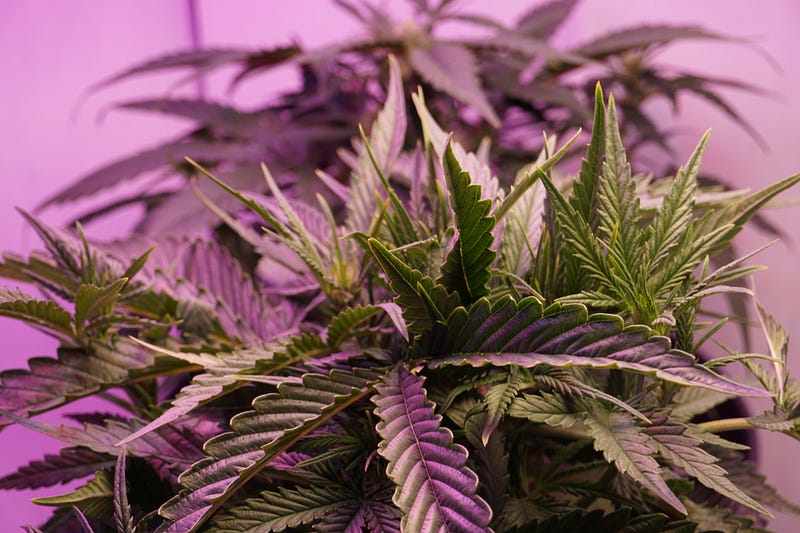
Examining the Relationship, Potential Risks, and Scientific Insights

Cannabis, a plant with a long history of medicinal and recreational use, has gained significant attention in recent years due to its potential therapeutic properties. However, the debate surrounding the impact of cannabis on mental health, particularly schizophrenia, remains a topic of ongoing research and discussion. In this article, we delve into the complex relationship between cannabis and schizophrenia, examining the existing evidence and shedding light on the factors that influence this connection.

Understanding Schizophrenia

Schizophrenia is a chronic and severe mental disorder characterized by a range of symptoms, including hallucinations, delusions, disorganized thinking, and impaired social functioning. It is a complex condition believed to result from a combination of genetic, environmental, and neurochemical factors. Although the exact cause of schizophrenia remains unknown, researchers have long been investigating potential triggers and risk factors, one of which is the use of cannabis.

Cannabis Use and Schizophrenia

The association between cannabis use and schizophrenia has been a subject of scientific inquiry for decades. Several studies have found a correlation between cannabis use and an increased risk of developing schizophrenia or psychotic symptoms. However, it is important to note that correlation does not imply causation. While cannabis use and schizophrenia often coexist, other factors such as genetic predisposition, early-life experiences, and social environment may play crucial roles in this association.

“While the relationship between cannabis and schizophrenia is complex, it is essential to consider various factors beyond cannabis use alone.” — Dr. Smith, Psychiatrist.

The Role of THC

Tetrahydrocannabinol (THC) is the primary psychoactive compound in cannabis, responsible for the euphoric and mind-altering effects. Studies have suggested that THC, particularly when used during adolescence, may have a more significant impact on the development of schizophrenia-related symptoms. It is believed that THC can disrupt the delicate balance of neurotransmitters in the brain, potentially contributing to the manifestation of psychosis in vulnerable individuals.

“The timing of cannabis use, particularly during adolescence, is crucial when considering its potential impact on schizophrenia risk.” — Dr. Johnson, Neuroscientist.

CBD and Schizophrenia

On the other hand, cannabidiol (CBD), another prominent compound found in cannabis, has shown promising therapeutic potential in managing various mental health conditions, including schizophrenia. CBD is non-intoxicating and has been found to have antipsychotic and neuroprotective properties. Research indicates that CBD may help alleviate certain symptoms associated with schizophrenia, such as cognitive impairment and anxiety, without inducing the hallucinogenic effects associated with THC.

“CBD presents an intriguing avenue for exploring novel treatment options for schizophrenia, but further research is needed to determine its efficacy and safety.” — Dr. Rodriguez, Psychopharmacologist.

Individual Variations and Susceptibility

It is important to recognize that not everyone who uses cannabis will develop schizophrenia, and not all individuals with schizophrenia have a history of cannabis use. The relationship between cannabis and schizophrenia is influenced by multiple factors, including genetic predisposition, age of first use, frequency and dosage of cannabis use, and the presence of other risk factors. It is crucial to conduct further research to better understand these individual variations and the mechanisms underlying the cannabis-schizophrenia relationship.

“There are numerous factors at play in the cannabis-schizophrenia relationship, and a personalized approach is necessary to comprehend the complexities of individual susceptibility.” — Dr. Lee, Geneticist.

Implications for Public Health

Given the potential risks associated with cannabis use and schizophrenia, it is essential to prioritize evidence-based education and harm reduction strategies. Public health campaigns should focus on raising awareness about the potential risks, particularly for vulnerable populations, such as adolescents and individuals with a family history of schizophrenia. Providing accurate information about the relationship between cannabis and schizophrenia can empower individuals to make informed decisions about their cannabis use and mental health.

Furthermore, policies and regulations should be informed by scientific evidence to ensure the responsible use of cannabis while minimizing potential harms. Implementing age restrictions, promoting cannabis education programs, and investing in mental health resources are crucial steps in addressing the complex interplay between cannabis and schizophrenia.

“Balancing public health and individual autonomy is key when developing policies related to cannabis use. We must strive for evidence-based approaches that prioritize both mental health and personal freedoms.” — Dr. Thompson, Public Health Expert.

The relationship between cannabis use and schizophrenia is complex and multifaceted. While research suggests a correlation between cannabis use and an increased risk of developing schizophrenia or psychotic symptoms, further investigation is needed to establish causation and better understand the underlying mechanisms. It is crucial to consider individual variations, genetic predisposition, and other risk factors when examining this relationship.

As the scientific community continues to explore this relationship, it is important to approach the subject with an open mind, prioritizing public health and basing policies on the best available evidence. By fostering informed discussions, investing in research, and promoting responsible cannabis use, we can navigate the cannabis-schizophrenia conundrum and pave the way for a better understanding of the complex interaction between cannabis and mental health.

If after reading this post you still don’t have a headache, you might enjoy my other writings. So feel free to follow for more content!

Science
Cannabis
Schizophrenia
Life
Explore
Recommended from ReadMedium