
Unlocking the Future You
Five Effective Ways to Forge Your Ideal Self

Throughout our lives, we all face moments tinged with regret, wishing we had made different choices. Often, these reflections aren’t about the actions we took but about the paths we didn’t explore, particularly our failure to create our ideal self.
Scott Spencer’s poignant words capture this sentiment: “The only things I regret, and the only things I’ll ever regret, are things I didn’t do. In the end, that’s what we mourn. The paths we didn’t take. The people we didn’t touch.”
This point of view is echoed in recent research from Cornell, led by psychologist Tom Gilovich, which discovered that our most enduring regrets stem from not fulfilling our hopes, goals, and aspirations rather than failing to meet our duties and obligations. Forsaken dreams, unexplored romantic interests, choosing a safe job close to home over an adventurous position abroad — these choices haunt us.
This research reveals a profound truth: 76 percent of participants cited not fulfilling their ideal self when asked about their biggest life regrets. It highlights that our deepest regrets are tied not to our mistakes but to the “What ifs” and “should haves” — the echoes of the ideal selves we never pursued. These are the specters of unfulfilled aspirations and missed opportunities, leaving a lingering sense of unfulfillment.
As life progresses, we often find ourselves ensnared by its relentless demands — mounting responsibilities like rent, car payments, and family obligations. These financial commitments can chain us to stable but unfulfilling jobs, creating a feeling of entrapment. This scenario forces us into a pivotal crossroads: the desire to chase our dreams versus the practical need to fulfill life’s obligations.
Yet, these moments of realization and regret don’t have to be the end of the story. It’s always possible to awaken and nurture the potential within us, to breathe life into the aspirations that sync with our ideal self. Learning from the past, we can craft a future self that aligns more closely with our true desires.
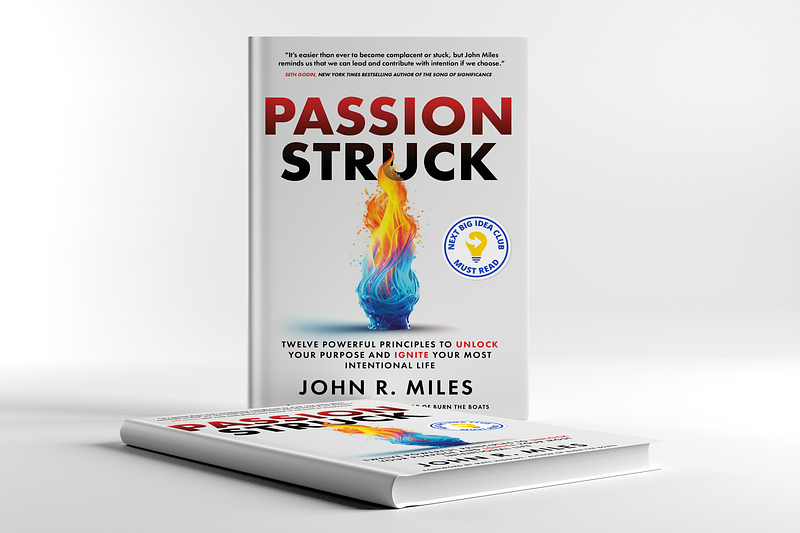
In this article, we tackle these enduring regrets head-on. I delve into the transformative process of realizing our ideal selves, using regrets as catalysts for meaningful change. Drawing from my upcoming book, ‘Passion Struck: Twelve Powerful Principles to Unlock Your Purpose and Ignite Your Most Intentional Life,’ we’ll uncover how to harness our latent potential.
To set the stage, we’ll begin by examining the various aspects of self as presented in self-discrepancy theory, providing a critical foundation for understanding and shaping our ideal selves.
Embracing Self-Discrepancy Theory in Creating Your Ideal Self
Self-discrepancy theory, developed by psychologist Edward Tory Higgins, provides a profound framework for understanding the complexities of our self-perception and how it aligns with the journey to create our ideal self. This theory introduces three distinct dimensions of self: the Actual Self, the Ideal Self, and the Ought Self.
Exploring the Dimensions of Self
Actual Self: This represents our current attributes — how we see ourselves now. It encompasses qualities such as intelligence, athleticism, and attractiveness. It’s the baseline from which we measure our growth and progress.
Ideal Self: This is the person we aspire to become. It encompasses our hopes, dreams, and ambitions. The gap between the ‘Actual Self’ and the ‘Ideal Self’ is where we often find the seeds of our regrets, as highlighted in Tom Gilovich’s research. When we fail to bridge this gap, we are left with a sense of unfulfillment, the feeling of not having created our ideal self.
Ought Self: This self is shaped by our sense of duty and obligation — the person we believe we should be, often influenced by societal and familial expectations. Discrepancies here can lead to feelings of guilt or anxiety.
In summary, you can think of it this way:
- The ideal self is who you could be.
- The ought self is who you should be.
- And the actual self is who you currently are.
Understanding these aspects of the self helps us comprehend the origins and consequences of the regret associated with not living up to our ideal lives. This regret is not just about missed opportunities but is deeply rooted in the disparity between who we are, who we wish to be, and who we feel obligated to be.
By reconciling these aspects of self, we can move closer to creating and embodying our ideal selves, turning potential regrets into opportunities for growth and fulfillment. Now, let’s delve deeper into the origins and consequences of the regret of failing to live our ideal lives.
The Lingering Regret of Unlived Life: A Catalyst for Creating Your Ideal Self
Lingering regrets serve as powerful catalysts for the journey towards creating your ideal self. These regrets are not mere remnants of unrealized dreams and untapped potential; they are signposts pointing toward the path of self-discovery and transformation. They arise from the awareness that certain paths, passions, or aspirations were left unexplored, giving rise to a complex emotional landscape filled with longing and ‘what-ifs.’ These regrets silently accompany us, shaping our perspective on past choices and exerting influence on our present state of mind.
The Most Profound Regrets: Valuing What Matters
Renowned author and motivational speaker Bronnie Ware, drawing from her experiences in palliative care, has identified the five most prevalent deathbed regrets. Remarkably, these regrets align with the principles of creating your ideal self:
- “I wish I’d had the courage to live a life true to myself, not the life others expected of me.”
- “I wish I hadn’t worked so hard.”
- “I wish I’d had the courage to express my feelings.”
- “I wish I had stayed in touch with my friends.”
- “I wish that I had let myself be happier.”
These regrets underscore a fundamental truth: our most enduring regrets are rooted in unfulfilled potential — the dreams left unchased, passions left unexplored, and talents left untapped. These unfulfilled aspirations often lie at the core of our Ideal Selves, representing the individuals we long to become.
The Components of Lingering Regrets
To gain a deeper understanding of the intricate nature of regrets that persist when one falls short of their ideal life, let’s dissect them into their fundamental components:
- Reflecting on Missed Opportunities: The first facet of enduring regrets involves thoughtful consideration of opportunities that slipped away. Individuals often find themselves revisiting critical junctures, contemplating the divergent paths not explored, and speculating on the potential outcomes had different decisions been made.
- Comparing Reality to Idealized Scenarios: Lingering regrets often manifest as an ongoing comparison between the tangible aspects of one’s life and the envisioned scenarios of an idealized existence. This continuous evaluation may cultivate feelings of inadequacy, contributing to a skewed perception of personal progress and accomplishment.
- Acknowledging Unfulfilled Passions and Potentials: At the core of lingering regrets lies the recognition of unfulfilled passions and dormant potentials. The realization that certain talents or aspirations were left untapped introduces a nuanced layer to the emotional landscape. This acknowledgment deepens the complexity of the regret, as individuals grapple with the unrealized possibilities and potentials that could have enriched their personal and professional journeys.
When Does Regret Become Harmful?
In episode 197 of the Passion Struck podcast, I discussed these lingering regrets with NY Times bestselling author Dan Pink. Dan highlighted a significant insight: knowing what people regret the most reveals what they value the most.
When it comes to the core four regrets, humanity tends to place value on stability (health, wealth, etc.), spiced with a touch of adventure (taking chances, making bold moves, learning, and growing), doing what’s right (and experiencing remorse when straying from the moral path), and connecting with others (forming and deepening various relationships: social, economic, and romantic).
Evidently, by placing importance on such a wide array of essential human experiences, we also expose ourselves to profound regret from myriad sources. Regret, it seems, can stem from countless paths. Moreover, navigating life and regret is an ongoing process involving closing certain opportunities while opening new ones. Each action we take shapes the possibilities available to us in the next moment, and we are constantly making choices, even in moments of inaction.
These insights emphasize the interconnectedness of regret and the journey toward creating your ideal self. The regrets of the past can serve as powerful motivators to actively pursue your authentic aspirations, aligning your life with the vision of your ideal self and embracing the fulfillment that comes with it. To better understand the impact of lingering regrets, let’s explore the weights they bear.
The Weight of Lingering Regret
As we embark on the journey towards creating our ideal selves, we must acknowledge and address the weight of lingering regret. These regrets are not merely emotional remnants; they can burden our lives significantly, affecting various aspects of our well-being.
Unfulfilled Aspirations and Dissatisfaction: The regret stemming from failing to pursue our ideal lives is often fueled by the persistent realization of unfulfilled aspirations, contributing to a pervasive sense of dissatisfaction. The emotional toll is evident in the gap between the life one envisioned and the reality experienced, fostering a lingering sense of missed opportunities.
Impact on Mental Health: Lingering regrets can take a toll on mental health, manifesting as feelings of anxiety, depression, and a sense of unfulfillment. The internal conflict arising from the dichotomy between the desire for a different life trajectory and the acceptance of the chosen path can generate emotional turbulence, significantly impacting overall well-being.
Strained Relationships and Isolation: Regrets associated with unexplored potentials have the potential to strain interpersonal relationships, particularly if these regrets contribute to a palpable emotional distance or lingering resentment. The resultant isolation, stemming from the reluctance to share these deeply personal regrets, further intensifies the emotional burden, creating obstacles to authentic connections with others.
Recognizing the potential negative impacts of lingering regrets, the question arises: how can we strategically navigate them to ensure they become catalysts for positive change? The starting point involves taking responsibility and actively elevating ourselves from our current status quo.
Overcoming the Inertia of the Status Quo
In our pursuit of creating our ideal selves, we often encounter the powerful inertia of the status quo. This inertia can manifest as a web of impediments, including fear, uncertainty, and the reassuring embrace of familiar routines. These barriers can form a formidable obstacle, preventing us from taking proactive steps toward realizing our ideal selves.
Fear, in its various forms, stands as a prominent adversary on this transformative journey. Fear of the unknown, fear of failure, and fear of the potential consequences of stepping outside established boundaries can all be paralyzing. These natural fears can deter us from embracing the transformative journey of fulfilling our dreams and aspirations.
Uncertainty compounds the challenge, as the absence of a clearly defined path or a roadmap for change can leave us feeling overwhelmed and hesitant to take the first steps. The lack of a structured plan and a clear starting point can lead to a sense of helplessness, leaving us stuck in our current circumstances without a clear direction for progress.
Amidst these formidable barriers, our inner critic, that persistent voice of negative self-talk, emerges as a powerful force. It is the voice that whispers discouragement in the face of fear, fosters confusion amid uncertainty, and keeps us ensnared within the comforts of the familiar. This inner critic can often serve as the primary obstacle, preventing us from heeding the call to break free and embark on the transformative journey of realizing our ideal selves.
To navigate this inertia effectively, it becomes imperative to address these barriers systematically. The Principles of Passion Struck provide a comprehensive roadmap for breaking free from stagnation, offering strategies and insights to overcome these obstacles and embark on the transformative journey.
5 Ways to Craft Your Ideal Self
Now that we’ve laid the foundation for our forward-focused journey, let’s delve into five practical steps to implement this philosophy effectively:
1. Embrace Self-Compassion and Accept Your Current Reality
Initiating the emotional exploration of lingering regrets requires a fundamental practice of acceptance. Take a moment to acknowledge past choices without subjecting yourself to harsh self-judgment. Simultaneously, nurture self-compassion by recognizing that your life journey unfolds uniquely.
In this process, extend kindness and understanding to yourself, acknowledging the imperfections inherent in the human experience. By fostering a mindset of self-compassion, you not only alleviate the weight of regrets but also create a supportive internal environment for personal growth and healing, which will help you along your journey toward living out your ideal self.
2. Engage in Meaningful Reflection
Commencing a journey of profound self-reflection entails delving into the lessons gleaned from past choices and comprehending their impact on personal growth. By reframing regrets as valuable opportunities for learning, you empower yourself to shift your perspective towards a more constructive narrative.
During this reflective process, take the time to explore the intricacies of your experiences and decisions. Instead of dwelling on the negatives, focus on extracting wisdom from each circumstance. This deliberate and meaningful reflection not only facilitates personal growth but also encourages a positive reinterpretation of past choices.
3. Reconnect with Passions
To triumph over lingering regrets and evolve into your ideal self, it is crucial to reignite the spark of passion by reconnecting with neglected interests. Whether through the pursuit of hobbies, engagement in creative endeavors, or exploration of new interests, rediscovering your passions contributes significantly to fostering a renewed sense of purpose.
Take deliberate steps to immerse yourself in activities that once brought you joy and fulfillment. This process involves not only acknowledging the significance of your passions but actively incorporating them back into your life. By reigniting the flame of passion, you not only counteract the weight of regrets but also open avenues for personal rejuvenation and a more purposeful existence.
4. Build Authentic Connections
The key to liberating yourself from isolation lies in building authentic connections. Sharing your regrets and aspirations with trusted individuals fosters mutual understanding and support, creating a network of encouragement as you navigate the journey toward healing.
Deliberately invest time and energy in nurturing relationships that are built on trust and genuine connection. Allow yourself to be vulnerable, sharing not only your successes but also your regrets and dreams. In doing so, you create a supportive community that understands the nuances of your journey and provides a solid foundation for emotional healing and personal growth.
5. Cultivate Intentional Action
The aforementioned steps' effectiveness hinges entirely on your commitment to cultivating deliberate action. This practice serves as the driving force propelling us toward our ideal selves. Creating a passion-struck life places substantial emphasis on the pivotal role of these actions, transcending mere success and delving into profound realms of meaning and fulfillment.
Remember that deliberate decision-making is at the core of intentional action — each choice should resonate with your aspirations and contribute to realizing long-term objectives. This involves aligning your daily choices with the broader vision you hold for your life, ensuring that every step forward is purposeful and contributes to your ongoing personal growth.
With these principles in place, we equip ourselves to traverse the path ahead, resolute in our commitment to living out our ideal selves and embracing the transformative journey that lies before us.
Embracing Your Ideal Self: The Passion Struck Path to Transforming Regrets into Purpose
In summary, the journey to our ideal self is deeply intertwined with understanding and reconciling our various selves — the Actual, Ideal, and Ought. It’s a transformative process where regrets serve as catalysts for growth. We can align our lives with our true aspirations by embracing self-compassion, engaging in reflective learning, reigniting passions, forging authentic connections, and taking intentional actions.
This path isn’t just about reaching a distant ideal; it’s about continuously evolving and making choices that resonate deeply with our true selves. As we align our actions with our dreams, we mitigate regrets and open doors to a purposeful, fulfilling life.
Every day presents a new opportunity to shape our lives in alignment with our ideal selves, guided by the principles of Passion Struck.
As Catherine Pulsifer said, “Don’t live your life regretting yesterday. Live your life so tomorrow you won’t regret today.”
Let this be our mantra as we passionately and intentionally craft our ideal selves, using our regrets as the foundation of a meaningful and impactful life.
I also wrote about Mattering, which is essential for helping you learn how you can impact the world.
Thank you for taking the time to engage with my perspectives. May your journey be filled with joy, growth, and fulfillment.
As a new reader, please check my personal growth and well-being stories reflecting my reviews, observations, and decades of research and interviews.
The Power of Choice, Overcoming Traumatic Brain Injury, Reverse Aging, Significance, Optimal Anxiety, Person of Courage, The Power of Hope, Being Stuck, Curiosity, Awe, 5 AM Club, Strong Moral Compass, Psychological Immune System, Playing The Long Game, Drama Addiction, Trust Building Exercises, Taking The Road Less Traveled, Why Passion is the New Currency, Unreseasonable Hospitality, Five Senses, Digital Addiction, When to Quit, Effortless Perfection, Mental Immunity, Sensory Experiences, The Value of Struggle, Overcome Challenges, Victim Mentality, Anger Management, Gratitude, Vulnerability, Free Will, and the Power of Asking.
You might find more information about my professional background. You can listen to the #1 Alternative Health Podcast, Passion Struck, with John R. Miles. You may join Medium with my referral link to enjoy unlimited content.