avatarDamian Clark

Free AI web copilot to create summaries, insights and extended knowledge, download it at here

2064

Abstract

leasure and security cannot solve the problem of knowing who you are.</p><p id="5c9e">As Katha Upanishad states:</p><blockquote id="fdca"><p>“Both the preferable infinite and the pleasurable finite approach the human being. Having considered both of them very clearly, the discriminative person distinguishes them. The discriminative person prefers the infinite to the finite. (Only) the indiscriminate one chooses finite for the sake of acquisition and preservation.”</p></blockquote><blockquote id="2965"><p><a href="https://arshaavinash.in/index.php/download/kathopanishad-by-swami-paramarthananda/">Katha Upanishad 1.2.2</a></p></blockquote><h2 id="76af">2# Dispassion towards that which is unnecessary (vairagya)</h2><p id="816d">As you mature through discrimination, dispassion naturally arises.</p><p id="e6b7">Seeing the false value in external objects allows for detachment. Freeing up time for spiritual pursuits.</p><p id="9c9c">Dispassion cannot be done by force. You see people that renounce things in public that later get found out to do those things in private.</p><p id="1f85">I studied at an ashram with swamis (Indian monks) in Rishikesh, India for 2 ½ years. As part of becoming a swami, they are not allowed to eat eggs. I spoke to a local storekeeper who said that occasionally a swami would come into his shop, sit out the back and eat eggs.</p><p id="0cdd">You don’t shun the world and avoid your responsibility.</p><p id="d1d6">True renunciation is like when you give up childhood toys for playing sports and chasing girls when you are a teenager.</p><h2 id="6203">3# Six-fold accomplishment of the mind:</h2><p id="1a20">They are as follows:</p><ol><li>Evenness of the mind</li><li>Regulation of sense organs and organs of actions</li><li>Observance of your duties</li><li>Forbearance</li><li>Trust in the knowledge and teacher</li><li>Ability to hold one thing in your mind</li></ol><p id="6f05">The Katha Upanishad (1.3.3–1.3.9) uses the image of the charioteer and the five horses. You are the charioteer and the 5 horses are your po

Options

werful senses. Your body is the chariot. The sense objects are the things along the road. Your mind is the reins. As the charioteer, you use your intellect to steer the chariot.</p><p id="ca04">You, the charioteer, with your discriminative intellect guide the horses (senses) via the reins (mind) along the road to reach the end of your journey.</p><p id="4097">To fully understand Self- knowledge a teacher is required. Acquiring Self-knowledge is not an academic pursuit. <a href="https://readmedium.com/understanding-indian-vedic-philosophy-vedanta-the-fundamental-problem-bbd00a7f7f8d">The knowledge needs to be reflected upon and converted into wisdom.</a></p><p id="ee61">The path is long and hard. You must maintain an enduring ability to undergo the good and the bad and keep smiling.</p><p id="7fe8">Although you may not understand what you are learning. Knowing that many have to tread the path of Liberation before, so keep the faith you are on the correct path.</p><h2 id="5f24">4# Desire for Liberation/Knowing your true nature (mumuksutvam)</h2><p id="2e56">This above all is the most important prerequisite required to be a serious seeker.</p><p id="f33b">The desire for liberation if strong enough can make up for your lacking in other areas.</p><p id="2e50">The Katha Upanishad tells the story of Naciketas. Who is a young boy who seeks the knowledge of the Self from Yama, the Lord of Death. Lord Yama tries to sway him from his pursuit by offering him all the pleasures the world has to offer. Naciketas without a thought dismisses them instantly, such is the burning intensity for Liberation.</p><p id="7797">If you are a serious seeker looking to find an answer to the question, Who am I? Your starting point for success is acquiring these qualities for success.</p><p id="0169"><b>If you like stories like these and would like to support me as a writer, for just $5/month, you can sign up to become a Medium member. This is my link to <a href="https://medium.com/@DamianClark46/membership">read unlimited articles</a>.</b></p></article></body>

Understanding Vedic Indian Philosophy (Vedanta #5) — To Acquire Self-Knowledge You Need to Be Qualified

Are you a qualified seeker?
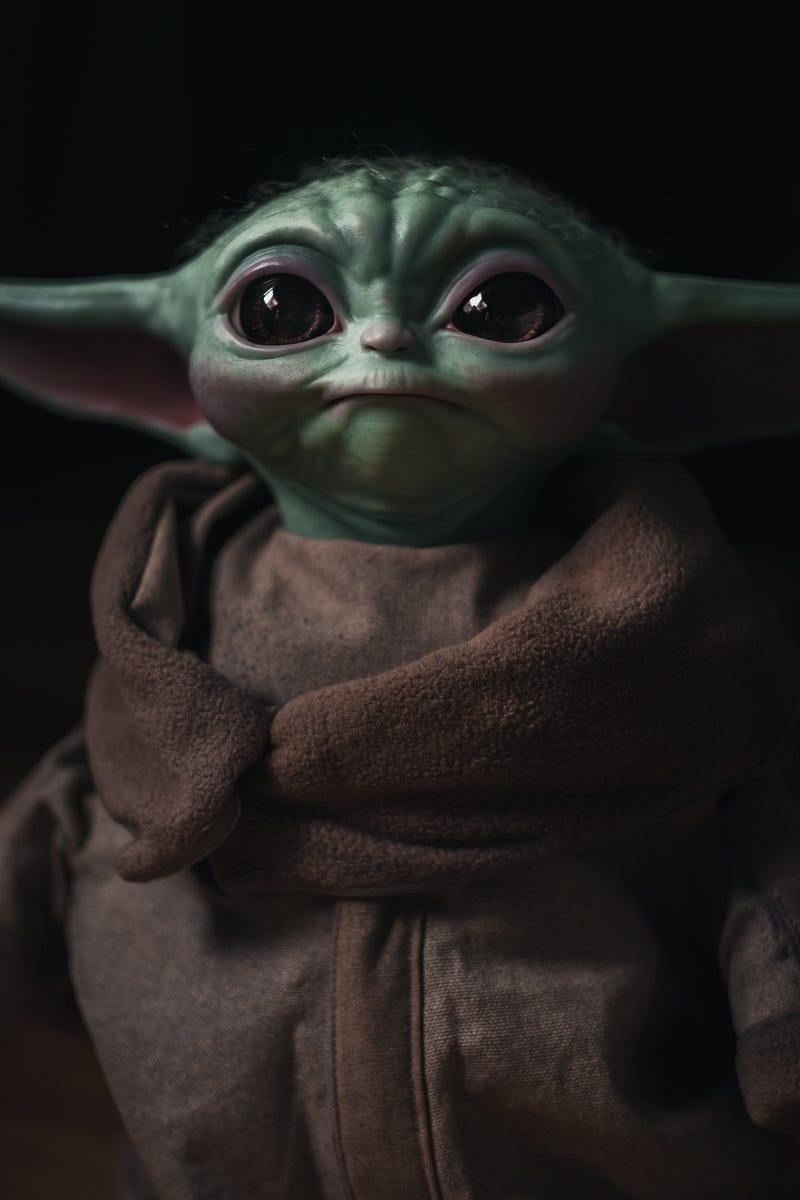
Photo by Lukas Denier on Unsplash

You have to be qualified to acquire Self-knowledge.

To acquire the knowledge you need to be suitably qualified. For example, preschoolers are not accepted into Harvard University.

Similarly, you need to be qualified to acquire the Vedic Hindu Knowledge (Advaita Vedanta), that is knowledge of the Self.

At present, you have a self-judgment that you are limited . Vedanta is a means of knowledge to remove this self-ignorance.

Vedanta says your true nature has no attributes, is actionless, and is changeless. While your mind is full of likes and dislikes and experiences constant change.

The mind needs to be refined to understand the subtle nuances of knowledge of the Self.

The prescribed qualifications

There is a 4-fold qualification to be considered an eligible student/seeker.

1# Ability to discriminate

Your ability to decide to focus on external pursuits or give your attention to acquiring Self-knowledge. Through reasons you come to the realization chasing pleasure and security cannot solve the problem of knowing who you are.

As Katha Upanishad states:

“Both the preferable infinite and the pleasurable finite approach the human being. Having considered both of them very clearly, the discriminative person distinguishes them. The discriminative person prefers the infinite to the finite. (Only) the indiscriminate one chooses finite for the sake of acquisition and preservation.”

Katha Upanishad 1.2.2

2# Dispassion towards that which is unnecessary (vairagya)

As you mature through discrimination, dispassion naturally arises.

Seeing the false value in external objects allows for detachment. Freeing up time for spiritual pursuits.

Dispassion cannot be done by force. You see people that renounce things in public that later get found out to do those things in private.

I studied at an ashram with swamis (Indian monks) in Rishikesh, India for 2 ½ years. As part of becoming a swami, they are not allowed to eat eggs. I spoke to a local storekeeper who said that occasionally a swami would come into his shop, sit out the back and eat eggs.

You don’t shun the world and avoid your responsibility.

True renunciation is like when you give up childhood toys for playing sports and chasing girls when you are a teenager.

3# Six-fold accomplishment of the mind:

They are as follows:

  1. Evenness of the mind
  2. Regulation of sense organs and organs of actions
  3. Observance of your duties
  4. Forbearance
  5. Trust in the knowledge and teacher
  6. Ability to hold one thing in your mind

The Katha Upanishad (1.3.3–1.3.9) uses the image of the charioteer and the five horses. You are the charioteer and the 5 horses are your powerful senses. Your body is the chariot. The sense objects are the things along the road. Your mind is the reins. As the charioteer, you use your intellect to steer the chariot.

You, the charioteer, with your discriminative intellect guide the horses (senses) via the reins (mind) along the road to reach the end of your journey.

To fully understand Self- knowledge a teacher is required. Acquiring Self-knowledge is not an academic pursuit. The knowledge needs to be reflected upon and converted into wisdom.

The path is long and hard. You must maintain an enduring ability to undergo the good and the bad and keep smiling.

Although you may not understand what you are learning. Knowing that many have to tread the path of Liberation before, so keep the faith you are on the correct path.

4# Desire for Liberation/Knowing your true nature (mumuksutvam)

This above all is the most important prerequisite required to be a serious seeker.

The desire for liberation if strong enough can make up for your lacking in other areas.

The Katha Upanishad tells the story of Naciketas. Who is a young boy who seeks the knowledge of the Self from Yama, the Lord of Death. Lord Yama tries to sway him from his pursuit by offering him all the pleasures the world has to offer. Naciketas without a thought dismisses them instantly, such is the burning intensity for Liberation.

If you are a serious seeker looking to find an answer to the question, Who am I? Your starting point for success is acquiring these qualities for success.

If you like stories like these and would like to support me as a writer, for just $5/month, you can sign up to become a Medium member. This is my link to read unlimited articles.

Philosophy
India
Self Improvement
Personal Development
Spirituality
Recommended from ReadMedium