avatarDamian Clark

Free AI web copilot to create summaries, insights and extended knowledge, download it at here

2374

Abstract

friend is on a fast but is putting on weight. You can assume that they are eating when no one is around.</p><p id="40e5"><b>Comparison.</b> A is similar to B through B’s similarity to A. A buffalo is known to you. You see a bison on the plane, you gain knowledge that the bison is similar to the buffalo. Based on this knowledge you come to know that the buffalo is like the bison. You can use comparison to communicate the knowledge of something unknown through a known thing that is similar to it. If your friend doesn’t know what a bison looks like, then you liken it to a buffalo which they know.</p><h2 id="6002">You cannot know the self through the usual means of knowledge.</h2><p id="3ee1">You want to know a means of knowledge to correctly know yourself.</p><p id="2889">Direct perception is a means of knowledge to know that which is separate from yourself. You the subject, have knowledge about an object.</p><p id="81a1">Direct and indirect perception doesn’t provide knowledge on the subject. Similarly, inference, postulation, and comparison use the perception of objects as a means of knowledge about the object.</p><p id="0f26">The object needs to be cognized by the subject for knowledge to arise. You cannot convert the subject into an object. Therefore, the subject cannot know itself through perception.</p><h2 id="870b">Veda is another means of knowledge that is available</h2><p id="5834"><a href="https://readmedium.com/indian-philosophy-is-your-path-to-eternal-freedom-explained-in-3-minutes-45c818730b5b">Knowledge for knowing who you are is available in the form of words. This includes gaining knowledge on Enlightenment and other knowledge in the pursuits of ethics, security, and enjoyment.</a></p><p id="067c">This particular body of knowledge is called the <a href="https://readmedium.com/understanding-indian-vedic-philosophy-vedanta-the-fundamental-problem-bbd00a7f7f8d"><i>Veda</i></a>. This is a Sanskrit word, it comes from the root “<i>vid</i>” which means “to know.”</p><p id="0dec">The Veda is a means of knowledge using words.</p><p id="9a25">The Veda consists of 4 parts called <i>Rig</i>, <i>Yajur</i>, <i>Sama</i>, and <i>Atharvan</i>. Each is broadly divided into 2 sections. The first is called <i>Karmakanda</i>, which consists mostly of knowledge of rituals and other actions. The latter section is called the <i>jnanakanda</i>

Options

or Vedanta. The teachings are called <i>Upanishads</i>. This self-knowledge removes self-ignorance.</p><p id="22b3">The 3 cannons that makeup Vedanta are the <i>Upanishads</i>, <i>Bhagavad Gita</i>, and <i>Brahmasutra</i>. The 2 later texts are authored by <i>Vysacarya</i> and from the memory of humans.</p><p id="e28f">The knowledge of Vedanta was divinely revealed. And received by the rishis. The knowledge has been passed on in a lineage, from teacher to student orally.</p><h2 id="d08b">Vedanta is the means for gaining self-knowledge</h2><p id="1420">Vedanta reveals self-knowledge and is considered a means of knowledge. In particular:</p><ul><li>Provides knowledge that no other means of knowledge can provide.</li><li>Conveys knowledge that is not opposed to other means of knowledge.</li><li>Conveys that which is free from doubt and what is useful.</li></ul><h2 id="6b3b">The validity of knowledge gained through Vedanta</h2><p id="d1a1">Knowledge must be valid. This can be gained in 2 ways:</p><ol><li>The knowledge arises spontaneously. It arises as a matter of course. The validity is inherent in the knowledge itself.</li><li>The validity is self-evident, that is concerning the manifestation of the knowledge.</li></ol><p id="e45b">The means of knowledge must stand on its own. It cannot be affected by an outside agent. It operates in a choiceless way.</p><p id="8789">Action acts via willpower. <b>Knowledge doesn’t take place via effort.</b> Once the means of knowledge and the object of knowledge are aligned knowledge takes place immediately. You cannot decide on the truth of an object. When you see the buffalo, you can see it as a cow.</p><p id="49a2">What you know is determined by the means of knowledge. Through the eyes, you only see color and form. For what you need to know, you use the appropriate means of knowledge. If you want to know the smell of something you need to use your nose. You cannot smell via your tongue.</p><p id="646d">Each means of knowledge requires appropriate conditions. To see there must be enough light. Similar to Vedanta you require an open mind, not distracted by emotions and biases.</p><p id="8706">➡️<a href="http://bit.ly/3NUX7xy"><b>Join 1,000+ subscribers to receive your FREE 3-in-1 The Ultimate How-to Guides (on Mindfulness, Relationships & Ejaculation Control.</b></a><b>)</b></p></article></body>

Understanding Vedic Indian Philosophy (Vedanta #4) — You Require an Appropriate Means of Knowledge for Self-Knowledge

Remove self-ignorance through Vedanta
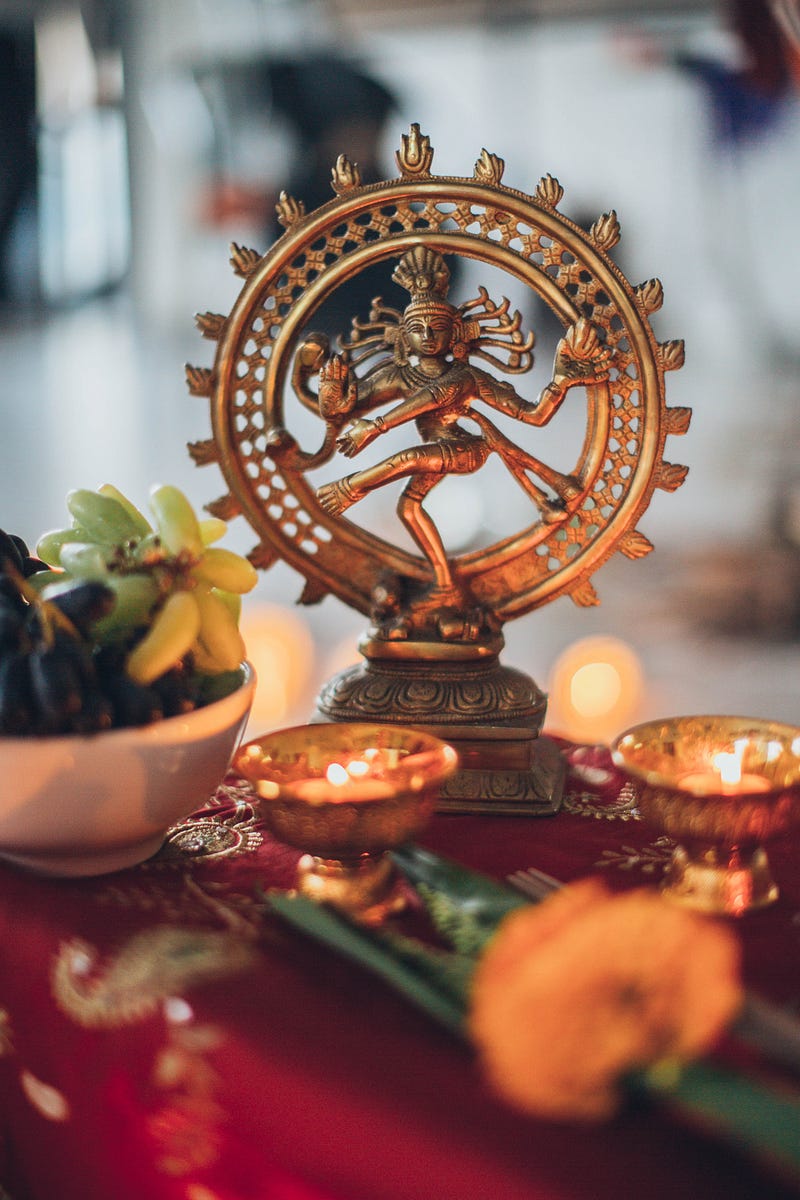
Photo by Elina Sazonova: https://www.pexels.com/photo/shiva-nataraja-figurine-surrounded-by-lighted-tealights-2072577/

You need an appropriate means of knowledge to know something. You may think that you know that you exist, so you don’t need a means of knowledge to know yourself. You assume yourself to be conscious because it self evident

You require a means of knowledge because you are born with self-ignorance.

You don’t know your true nature. Your understanding of yourself is limited to knowing your likes and dislikes and personality traits. You assume you are a limited being.

Indian Vedic philosophy says you are infinite. Therefore you require a means of knowledge to remove self-ignorance to know your true nature.

Do you already have any means of knowledge that would enable you to know that you are limitless?

Direct perception. Your knowledge for the most part is gained via the 5 senses:

  • The eyes see the form.
  • The ears hear sounds.
  • Your nose smells.
  • Tongues tastes.
  • Skin feels tough.
  • The senses contact the relevant object and cognition takes place.

“Negative fact.” You gain knowledge via non-perception. Knowledge is revealed through absence. For example, this flower has no scent.

Inference. You see smoke from a distant mountain top. From the smoke, you infer fire is present. This inference is only known based on the knowledge that smoke comes from fire. The linking of knowledge provides further knowledge.

“Otherwise it is not possible logic”. You make an assumption based on contradictory knowledge. For example, your friend is on a fast but is putting on weight. You can assume that they are eating when no one is around.

Comparison. A is similar to B through B’s similarity to A. A buffalo is known to you. You see a bison on the plane, you gain knowledge that the bison is similar to the buffalo. Based on this knowledge you come to know that the buffalo is like the bison. You can use comparison to communicate the knowledge of something unknown through a known thing that is similar to it. If your friend doesn’t know what a bison looks like, then you liken it to a buffalo which they know.

You cannot know the self through the usual means of knowledge.

You want to know a means of knowledge to correctly know yourself.

Direct perception is a means of knowledge to know that which is separate from yourself. You the subject, have knowledge about an object.

Direct and indirect perception doesn’t provide knowledge on the subject. Similarly, inference, postulation, and comparison use the perception of objects as a means of knowledge about the object.

The object needs to be cognized by the subject for knowledge to arise. You cannot convert the subject into an object. Therefore, the subject cannot know itself through perception.

Veda is another means of knowledge that is available

Knowledge for knowing who you are is available in the form of words. This includes gaining knowledge on Enlightenment and other knowledge in the pursuits of ethics, security, and enjoyment.

This particular body of knowledge is called the Veda. This is a Sanskrit word, it comes from the root “vid” which means “to know.”

The Veda is a means of knowledge using words.

The Veda consists of 4 parts called Rig, Yajur, Sama, and Atharvan. Each is broadly divided into 2 sections. The first is called Karmakanda, which consists mostly of knowledge of rituals and other actions. The latter section is called the jnanakanda or Vedanta. The teachings are called Upanishads. This self-knowledge removes self-ignorance.

The 3 cannons that makeup Vedanta are the Upanishads, Bhagavad Gita, and Brahmasutra. The 2 later texts are authored by Vysacarya and from the memory of humans.

The knowledge of Vedanta was divinely revealed. And received by the rishis. The knowledge has been passed on in a lineage, from teacher to student orally.

Vedanta is the means for gaining self-knowledge

Vedanta reveals self-knowledge and is considered a means of knowledge. In particular:

  • Provides knowledge that no other means of knowledge can provide.
  • Conveys knowledge that is not opposed to other means of knowledge.
  • Conveys that which is free from doubt and what is useful.

The validity of knowledge gained through Vedanta

Knowledge must be valid. This can be gained in 2 ways:

  1. The knowledge arises spontaneously. It arises as a matter of course. The validity is inherent in the knowledge itself.
  2. The validity is self-evident, that is concerning the manifestation of the knowledge.

The means of knowledge must stand on its own. It cannot be affected by an outside agent. It operates in a choiceless way.

Action acts via willpower. Knowledge doesn’t take place via effort. Once the means of knowledge and the object of knowledge are aligned knowledge takes place immediately. You cannot decide on the truth of an object. When you see the buffalo, you can see it as a cow.

What you know is determined by the means of knowledge. Through the eyes, you only see color and form. For what you need to know, you use the appropriate means of knowledge. If you want to know the smell of something you need to use your nose. You cannot smell via your tongue.

Each means of knowledge requires appropriate conditions. To see there must be enough light. Similar to Vedanta you require an open mind, not distracted by emotions and biases.

➡️Join 1,000+ subscribers to receive your FREE 3-in-1 The Ultimate How-to Guides (on Mindfulness, Relationships & Ejaculation Control.)

Philosophy
India
Self Improvement
Personal Development
Psychology
Recommended from ReadMedium