
Metabolic Health
Understanding the Nuances of Weight and Fat Loss for a Healthier and Happier Life
I emphasize steady fat loss and healthy weight management through lifestyle choices and practical tips, steering away from relying solely on scales.
Losing visceral fat and building lean muscles can be challenging without optimizing hormones. The more insulin-sensitive the body, the more fat-burning can happen. An insulin-resistant body can’t become fat-adapted. Unless we move from sugar to fat-burning metabolism, fat loss can be extremely challenging. I cannot overcommunicate this fact. If you are not a member you can read this important story for free with my friend link.
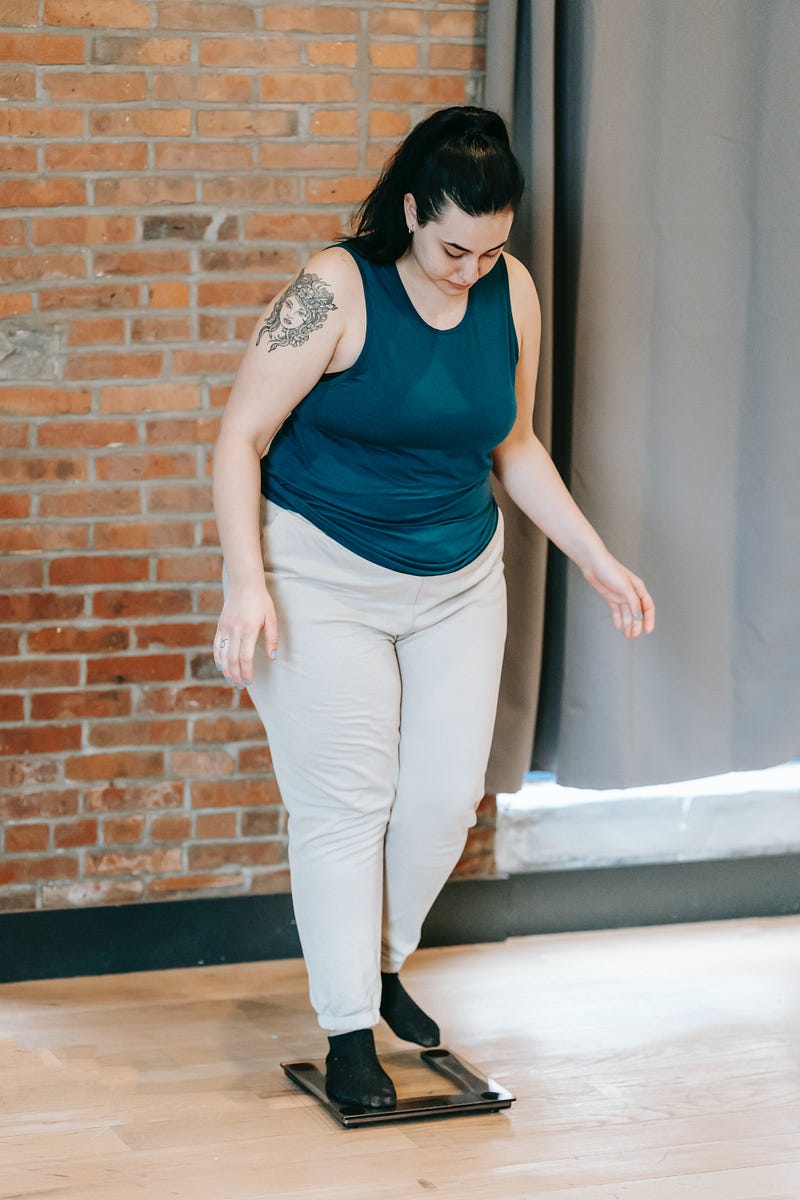
A widespread problem, causing unnecessary suffering
I have strong empathy and compassion for people struggling with weight management, as it was tough for me 40 years ago to seek solutions in the wrong places and become confused with conflicting advice, leading to abdominal obesity. Therefore, I have written many stories about healthy weight management from multiple angles, drawing on my research in metabolic health and personal experiences to pass along my knowledge.
Readers who engage with my content about shedding excess fat and maintaining a healthy weight shared that they faithfully applied the advice outlined in my articles. Interestingly, they expressed a sense of improved well-being, yet the numbers on the scale did not seem to budge.
They ponder over what might be amiss in their approach and seek ways to enhance their circumstances. This is a common trend that I have noticed and personally encountered over the years. This feedback was quite a pleasant surprise for me and inspired me to write this story with further nuances for clarity.
In my perspective, their actions are not misguided, except for placing excessive trust in the numbers on the weight scale. Thus, the essence of my story revolves around the distinction between weight and fat loss. Simply put, we should emphasize shedding inches from the waistline rather than fixating on the scale numbers.
I shared similar worries before understanding the disparity between weight loss and fat loss. Consequently, I wrote this story to succinctly address this crucial question and provide clarity with nuances of each without delving into technical or scientific intricacies.
Distinguishing Weight Loss from Fat Loss and Breaking the Weight Loss Obsession
The terms “weight loss” and “fat loss” are often used interchangeably in the fitness literature and communities, confusing readers. Having delved into countless papers and books, I aim to disentangle the distinctions. Despite their apparent similarity, these concepts diverge significantly in reality.
Over the past few decades, an obsession with weight loss has gripped society. Regrettably, this fixation has led to confusion and needless distress among individuals who even attempt starvation and overexercise. I, too, found myself entangled in this web during my younger years, resulting in literal nightmares.
Weight loss encompasses the reduction of fat, fluids, muscles, and even bone density. Although shedding visceral fat is the ultimate objective, it is crucial to recognize that losing muscle mass and bone density can adversely affect our overall health.
The issue arises from a misunderstanding of concepts, significantly impacting people’s mental well-being. For instance, some people who don’t witness weight loss on the scales might experience stress, anxiety, and even depression. It happened to me and many friends. I want to untangle this dilemma and web of confusion.
So they attempt to eat less and over-exercise, creating more stress. They might lose some weight after cutting calories too much, but they lose mainly fluid, muscle, or bone density rather than visceral fat. The situation gets worse. It is a cycle that can exacerbate the situation.
My articles on metabolic health emphasize the importance of distinguishing between weight loss and visceral fat loss with nuances, promoting a healthy approach to managing our weight.
Crucially, the focus is on shedding excess visceral fat, preserving lean muscles, and maintaining bone density — an essential nuance often overlooked in conventional weight loss strategies.
A personal revelation during my journey from a metabolically disadvantaged state to a thriving one was the paradox of gaining weight on the scale while simultaneously slimming down around the abdominal region and eliminating abdominal obesity.
My situation highlights the inadequacy of traditional weight measurements in capturing the nuanced progress that can occur during a holistic transformation.
Rethinking how we gauge progress is crucial. Traditional scales are misleading as they reflect overall weight, failing to distinguish fat loss from other factors. A more accurate measure is the waistline, revealing the true impact of lifestyle changes.
Despite not registering weight loss on the scale, people embracing the strategies outlined in this article can effectively target and reduce visceral fat. I invite you to prioritize meaningful transformations over arbitrary numbers on the scale.
Contrary to conventional expectations, my weight gain marked a significant victory. The scale displayed higher numbers, but in reality, I shed visceral fat while packing on substantial muscle. Remember, muscle weighs more than fat. It’s a counterintuitive journey where the scale’s upward movement signifies a triumph over fat.
While measuring the waistline offers insights into abdominal fat changes, the DEXA or MRI scans emerge as superior tools. These scans provide a comprehensive view of body fat percentage and bone density. Steering away from a narrow focus, these advanced methods unveil the broader landscape of body composition.
Regrettably, DEXA scans often come with a hefty price tag, frequently falling outside the coverage of Medicare or standard health insurance. Additionally, obtaining an MRI scan typically demands a specialist referral in many countries, adding another layer of complexity to the process.
Given the financial constraints and logistical challenges associated with advanced scans, the most practical alternative for many people is relying on waistline measurements. This straightforward approach proves to be more accessible and cost-effective than the weaknesses of scales or intricacies of advanced medical imaging.
I know firsthand how tough it is to find the right advice for weight management. That’s why I have written many stories based on my research and experiences. I’ve distilled the key elements into five practical steps for pursuing shedding visceral fat while preserving muscle mass and bone density.
Streamlining the Five Essentials of Healthy Weight Management for Optimal Results
In each section, I address critical factors, providing a concise overview. As the topic is complex and I wrote over 100 articles about it, I have included links to relevant stories that delve into specific details for those seeking in-depth insights. These five pillars encapsulate my experiential wisdom on effectively managing visceral fat, offering a practical roadmap for sustainable success. I hope these simple insights can help you deal with similar challenges.
1 — Mastering Blood Sugar and Preventing Insulin Resistance
While glucose is essential for cellular energy, the body views excessive sugar as a toxin. Insulin, the master regulator of metabolic activities, plays a pivotal role in swiftly directing surplus sugar to muscle and fat cells.
The key to effective fat loss lies in blood glucose management, curtailing the frequent release of insulin. Prioritizing this principle enhances insulin sensitivity, empowering the body to optimize fat burning.
In a previous article, I elaborate on the intricacies of balancing blood sugar for targeted fat loss. In another article, I introduced three tips to eliminate insulin resistance and shrink the waistline.
2 — Lowering Glucose Dependence and Making the Body Fat-Adapted
Conventional wisdom often touts the “eat less, move more” or “no pain, no gain” mantras for weight loss, but it falls short in targeting visceral fat and usually ends up with muscle loss and other metabolic issues.
My personal experiences led me to discover that traditional approaches resulted in muscle loss rather than the desired reduction in belly fat.
The pivotal shift occurred when I transitioned to a fat-adapted state. This transformation from sugar to fat metabolism made visceral fat loss seamless while preserving lean muscle mass and enhanced mood.
3 — Watching out the Eating Patterns and Tailoring Diet
Recognizing the absence of a universal diet, I explained the importance of customizing our diet in the article. Simply put, there’s no one-size-fits-all diet. I also explained the importance of nutritional biochemistry and why it is more important and valuable than following standard diets.
Understanding the impact of diet and nutritional biochemistry on fat loss, I sought guidance from qualified dieticians and scholarly nutritionists to personalize my approach.
Considering not just what but also how often we eat, I addressed my weight management through time-restricted eating, first by skipping breakfast. Shifting from frequent eating to a more sustainable approach, I adopted a one-meal-a-day routine.
It might not suit everyone, but reducing carbs, ensuring adequate protein, and eating more healthy fats as an energy source further enhanced the effectiveness of this strategy.
4 — Personalizing Workouts for Optimal Results
Recognizing the vital role of movement in overall health, fat mobilization, and muscle maintenance, I emphasize the importance of tailored exercise routines.
Movement is necessary for mobilizing fat and activating mTOR to maintain muscle mass. Previously, I explained how resistance training could contribute to better muscles with microtears and stronger bones with mild stress and mTOR activation.
While moderate fasted cardio can aid in fat loss, excessive cardio may elevate cortisol levels, hindering visceral fat reduction — especially around the abdomen.
Sharing a successful approach, a friend found supervised fasted cardio effective. I’ve achieved optimal fat loss and maintained robust muscles and bones through weightlifting and calisthenics resistance training. The benefits extend to hormonal balance, as detailed in the subsequent section.
5 — Optimizing Hormones
Shedding light on the pivotal role of hormones in fat mobilization and muscle development, I underscore the significance of hormonal balance. In my experience, this is the most critical nuance for healthy weight management.
Even though calories are important, fat loss and muscle building revolve around hormones. I explained it in an article with a catchy title to make my point.
I want to highlight the dual influence of insulin and glucagon as the most crucial hormones governing fat accumulation and muscle building. Understanding and optimizing these hormonal dynamics is key to achieving effective fat loss and muscle building/maintenance.
Losing visceral fat and building lean muscles can be challenging without optimizing insulin. The more insulin-sensitive the body, the more fat-burning can happen. An insulin-resistant body can’t become fat-adapted.
We need to optimize leptin, too, to prevent overeating. Another critical hormone for fat loss and muscle building is cortisol. Even though cortisol is the stress hormone, it significantly impacts our metabolism. Elevated cortisol might prevent fat-burning and cause muscle loss. Thus, we must manage our stress well to optimize cortisol by regulating the HPA axis and the nervous system.
Sleep deprivation and chronic stress can cause excessive cortisol production, so we must improve sleep quality. In addition, regulating our emotions with mindfulness practices like meditation can be helpful.
As other hormones affect our metabolism, I introduced them in an article titled Lose Visceral Fat by Understanding the Intricacies of Six Critical Hormones. Hormonal intelligence is necessary to lose fat and build muscles.
6 Important Takeaways Before You Go
Here is a summary of what I learned and practiced to maintain a healthy weight over the last three decades. You may customize it and create your own checklist with support from your healthcare consultants.
1 — Stop excessive calorie counting and hopping on scales; instead
Consume adequate calories needed for your body.
Customize your diet instead of using fad diets.
Refrain from excessive cardio workouts.
2 — Focus on hormonal balance
Optimize hormones and neurotransmitters with quality nutrition, adequate hydration, moderate exercise, restorative sleep, rest, and down time.
Get the hormones checked through medical tests.
Obtain hormonal support from endocrinologists.
3 — Balance macronutrient ratios that suit your needs
Lower refined carbs and junk foods as much as possible.
Replace them with whole foods and complex carbs.
Consume adequate biovailable protein and healthy fats.
4 — Watch out for micronutrient deficiencies
Consume an adequate amount of essential micronutrients (vitamins and minerals) from whole foods.
Supplement with essential micronutrients if the diet is insufficient with support from qualified healthcare professionals.
Personalize the diet with help from a dietician or nutritionist, if possible.
5 — Refrain from sedentary life
Move the body with joy daily without overstressing. Research suggest minimum 150 minutes of weekly exercise.
Create a personalized workout regimen that suits your needs.
Recover from the effects of previous workouts before starting the next session.
6 — Stop overstressing the body and mind
Give the body the essential nutrients, sleep, rest, movement, and fun.
Recover from physical, mental, and emotional stress timely. Don’t exercise until you have fully recovered from the previous ones.
Take breaks at work, slow down when needed, act mindfully, meditate, socialize, and work in a flow state.
Conclusions
Understanding the nuances and differences between weight loss and fat loss is critical. The key point is that weight loss includes fats, muscles, fluids, and bones. However, fat loss focuses on eliminating visceral fat while maintaining muscle mass and bone density.
Rather than using weight scales, it can be better to use waistline measurements to monitor our fat loss. Let’s keep in mind that muscle is heavier than fat. Therefore, our waistline is a better indicator of our fat loss or gain progress. Physicians still use waistline measurement to diagnose metabolic syndrome.
The principle for healthy metabolism is indicated by waist circumference. It is less than 40 inches for men and less than 35 inches for women.
There are some smart scales on the market sensing and measuring fat percentage. I also came across small gadgets connected to an app and used them. However, they are not reliable yet.
If you can afford it, you may consider annual DEXA scans or MRIs that can be valuable for measuring fat, muscle, and bone profile. So, let’s focus on losing inches from the waistline rather than losing numbers on the scales.
Changing how we measure progress is key to keeping our sanity in the weight loss journey. Regular scales can be confusing, showing only overall weight without distinguishing fat loss. A better way is to track the waistline, revealing the real impact of lifestyle changes.
Thank you for reading my perspectives. I wish you a healthy and happy life.
I documented my reviews, observations, and experiences with metabolic health, particularly maintaining lean muscles and melting visceral fat via healthy lifestyle habits. You may access these stories via this list.
I mainly touched on the macronutrients in this article within the required context. However, micronutrients are also critical for health. I documented some micronutrients from food or supplements in the attached stories.
To inform my new readers, I wrote numerous articles that might inform and inspire you. My topics include brain and cognitive function, significant health conditions, longevity, nutrition/food, valuable nutrients, ketogenic lifestyle, self-healing, weight management, writing/reading, and humor.
I publish my health and wellness stories on EUPHORIA. My posts do not include professional or health advice. I only document my reviews, observations, experiences, and perspectives to provide information and create awareness. 100+ Insightful Life Lessons from My Circles for the Last 50+ Years
If you are a writer, you are welcome to join my publications by sending a request via this link. I support 26K+ writers who contribute to my publications on this platform. I also have another profile to write and curate tech stories.
Importance and Value of Medium Friendship for Writers and Readers