avatarSynthia Stark

Free AI web copilot to create summaries, insights and extended knowledge, download it at here

2317

Abstract

ture could indicate that you have the hots for the latest celebrity.</p><p id="b48b">Your posts don’t necessarily have to be professional either, but oftentimes, when someone wants to help others be informed on an emerging topic, they may include links and references to support their claims.</p><p id="56a4">As such, it attracts attention from people who don’t typically use social media. For example, if you’re a physician by day and a vigilante social activist by night, perhaps you’ll be engaging in an intellectual medical history discussion with another person who has the exact same story as you — except they’re living in a totally different country.</p><p id="87f9">Plus, because of the culture fostered on Tumblr, individuals who self-identify as belonging to a marginalized community may find solidarity there, such as people of colour, members of the LGBTQIA+, and many more.</p><figure id="3bcd"><img src="https://cdn-images-1.readmedium.com/v2/resize:fit:800/0*ckvPPGL9p_WWgfdL"><figcaption>Photo by <a href="https://unsplash.com/@brookecagle?utm_source=medium&amp;utm_medium=referral">Brooke Cagle</a> on <a href="https://unsplash.com?utm_source=medium&amp;utm_medium=referral">Unsplash</a> — Solidarity, even from another country, is great.</figcaption></figure><p id="4b5c">Due to this unique focus, certain areas of Tumblr can be quite niche. Individuals who struggle to speak about their problems may be champions for others in their international community. Multiple scores of individuals who self-identify as being <a href="https://www.institute4learning.com/resources/articles/neurodiversity/">neurodivergent</a> may work together to provide solidarity and interpersonal survival tips for one another.</p><p id="a6da">The level of solidarity across the various corners of the website can be pretty validating, especially after a tough day. There’s always this hidden fear that the level of encouragement and compassion online does not correspond to the real world. However, that really depends on the person’s unique situation.</p><p id="f977">Sometimes, the real world can be pretty bleak, and I feel that sites like Tumblr can definitely be helpful from time to time. Spending all your time there is not always healthy, as any website is not a replacement for full-scale psychological and/or me

Options

dical support.</p><p id="793a">For example, there are fears that online spaces like Tumblr could be a potential <a href="https://www.emerald.com/insight/content/doi/10.1108/INTR-11-2019-0491/full/html">echo chamber</a>, where mental health discussions are shifted towards normalizing harmful behaviours.</p><figure id="da47"><img src="https://cdn-images-1.readmedium.com/v2/resize:fit:800/0*0ftctyc6e1JIe1bh"><figcaption>Photo by <a href="https://unsplash.com/@clemono?utm_source=medium&amp;utm_medium=referral">Clem Onojeghuo</a> on <a href="https://unsplash.com?utm_source=medium&amp;utm_medium=referral">Unsplash</a> — Please don’t yell at people. Let’s be nice to each other.</figcaption></figure><p id="ac0e">That being said, I understand that there are many individuals who are unable to find the right-level of socio-emotional support that corresponds to their unique circumstances and finances. Overall, Tumblr seems like a great resource, but just like everything else, we can balance it with other resources and support, such as friends, music, and therapy.</p><p id="b941">For more articles from the author, please visit:</p><div id="f919" class="link-block"> <a href="https://readmedium.com/getting-away-from-gaslighting-da1b1b3b8425"> <div> <div> <h2>Getting Away from Gaslighting</h2> <div><h3>Exploring Thoughts Surrounding Emotional Abuse</h3></div> <div><p>medium.com</p></div> </div> <div> <div style="background-image: url(https://miro.readmedium.com/v2/resize:fit:320/0*vr8N0AhqieI9ew1d)"></div> </div> </div> </a> </div><div id="7922" class="link-block"> <a href="https://readmedium.com/exploring-past-regrets-and-decisions-e5c1fc67168a"> <div> <div> <h2>Exploring Past Regrets and Decisions</h2> <div><h3>Thoughtful Ramblings From a Raging Academic</h3></div> <div><p>medium.com</p></div> </div> <div> <div style="background-image: url(https://miro.readmedium.com/v2/resize:fit:320/0*f2oza1Lefj79si_G)"></div> </div> </div> </a> </div></article></body>

Tumblr and Mental Health

Examining Online Mental Health Communities

Photo by Anh Le on Unsplash

As I work towards becoming an aspiring therapist, I am constantly thinking about the various mental health sub-cultures that exist online. These include the support groups or fandoms on websites like Tumblr, Reddit, or even YouTube.

Here, we will briefly examine the subculture of Tumblr.

Tumblr, founded in 2007 by David Karp, is a microblogging platform, where individuals can digest short, accessible, and concise posts. As of 2020, Tumblr boasts over 510 million blogs and as of today alone, has had 17 million posts published.

On sites like Tumblr, you can find support groups, discussions, and fandoms on almost every topic imaginable, such as your favourite TV shows, movies, scholars, or bands, including the obscure ones.

Photo by Vishnu R Nair on Unsplash — A physical representation of the online fandom.

You can make a variety of posts, ranging from photos, texts, quotes, videos, and/or links. You can like posts, “reblog” posts that you like, follow other similar blogs, and message people online.

Tumblr harbours a cloak of semi-anonymity. You don’t have to list your full name. You have free reign on how your username is displayed. Your own profile picture could indicate that you have the hots for the latest celebrity.

Your posts don’t necessarily have to be professional either, but oftentimes, when someone wants to help others be informed on an emerging topic, they may include links and references to support their claims.

As such, it attracts attention from people who don’t typically use social media. For example, if you’re a physician by day and a vigilante social activist by night, perhaps you’ll be engaging in an intellectual medical history discussion with another person who has the exact same story as you — except they’re living in a totally different country.

Plus, because of the culture fostered on Tumblr, individuals who self-identify as belonging to a marginalized community may find solidarity there, such as people of colour, members of the LGBTQIA+, and many more.

Photo by Brooke Cagle on Unsplash — Solidarity, even from another country, is great.

Due to this unique focus, certain areas of Tumblr can be quite niche. Individuals who struggle to speak about their problems may be champions for others in their international community. Multiple scores of individuals who self-identify as being neurodivergent may work together to provide solidarity and interpersonal survival tips for one another.

The level of solidarity across the various corners of the website can be pretty validating, especially after a tough day. There’s always this hidden fear that the level of encouragement and compassion online does not correspond to the real world. However, that really depends on the person’s unique situation.

Sometimes, the real world can be pretty bleak, and I feel that sites like Tumblr can definitely be helpful from time to time. Spending all your time there is not always healthy, as any website is not a replacement for full-scale psychological and/or medical support.

For example, there are fears that online spaces like Tumblr could be a potential echo chamber, where mental health discussions are shifted towards normalizing harmful behaviours.
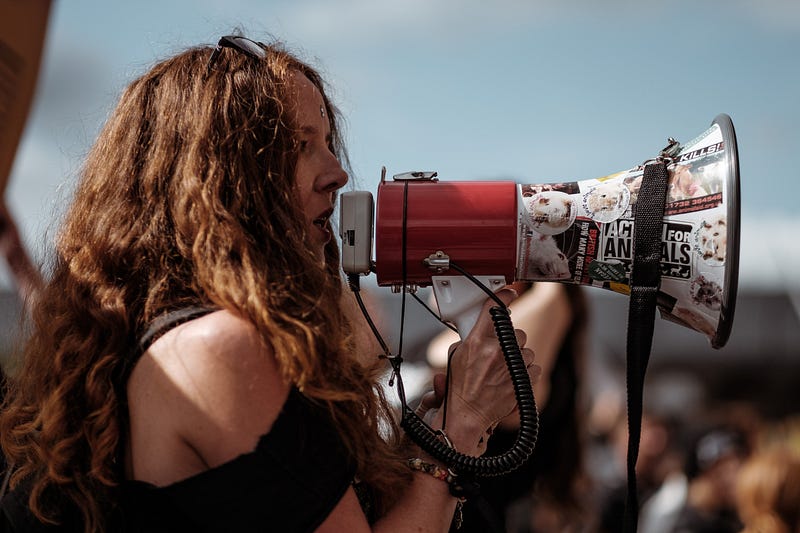
Photo by Clem Onojeghuo on Unsplash — Please don’t yell at people. Let’s be nice to each other.

That being said, I understand that there are many individuals who are unable to find the right-level of socio-emotional support that corresponds to their unique circumstances and finances. Overall, Tumblr seems like a great resource, but just like everything else, we can balance it with other resources and support, such as friends, music, and therapy.

For more articles from the author, please visit:

Mental Health
Psychology
Tumblr
Counselling
Stigma
Recommended from ReadMedium