
Traveling Back In Time at Bartram’s Garden in Philadelphia
America’s first botanical garden
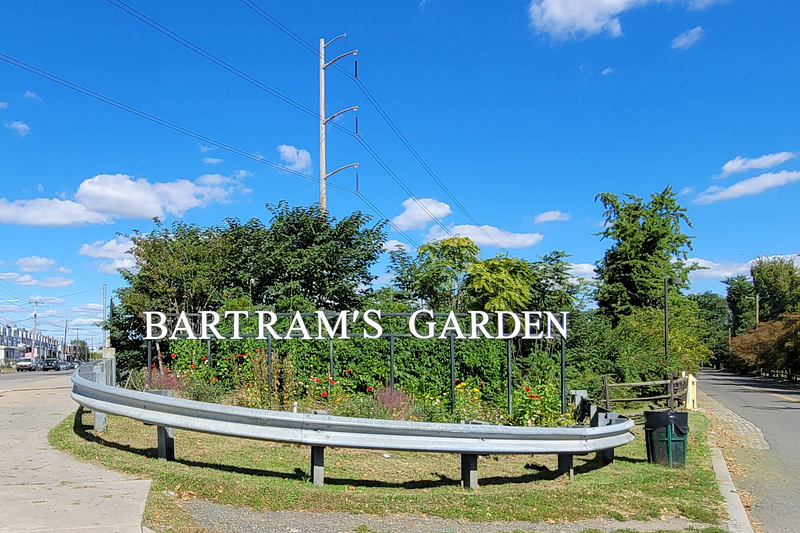
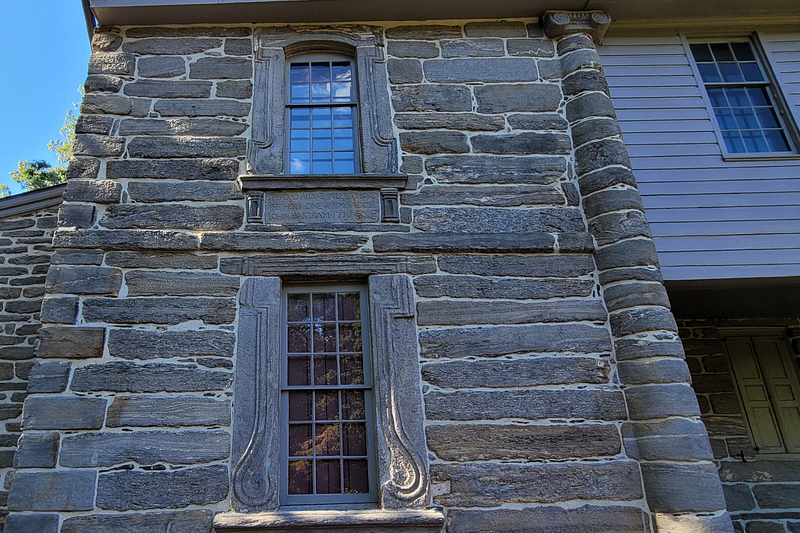
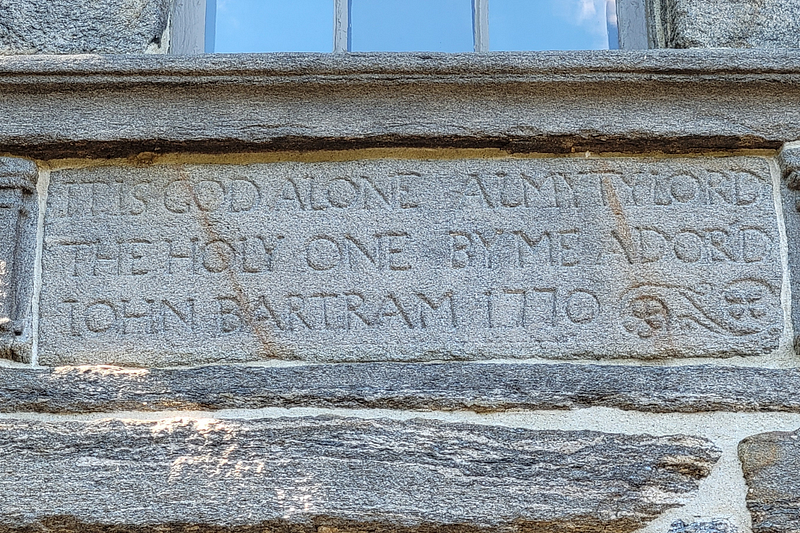
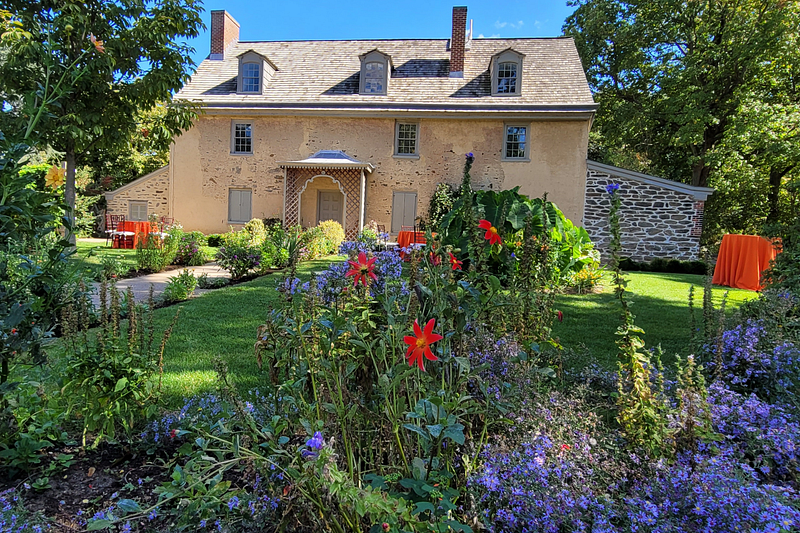
Welcome to America’s first botanical garden. As we proceed through this tour, you will surely be inspired by the Quaker roots and unwavering belief in environmental stewardship of founder, John Bartram.
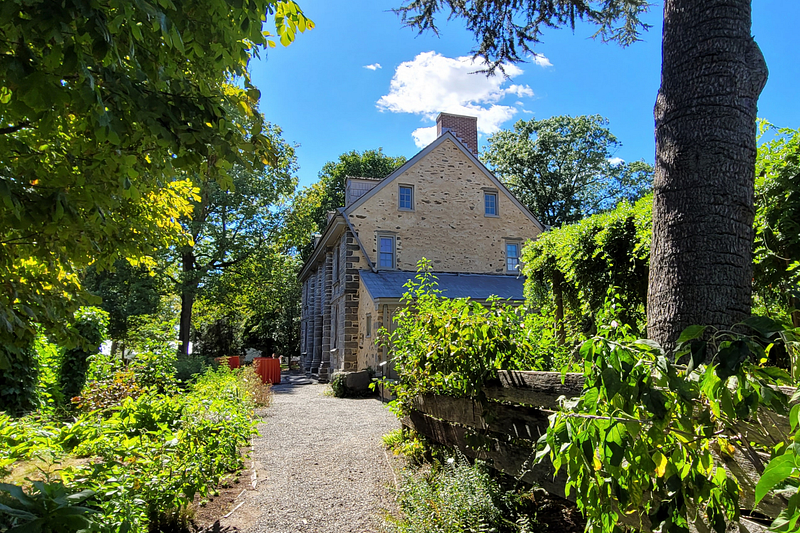
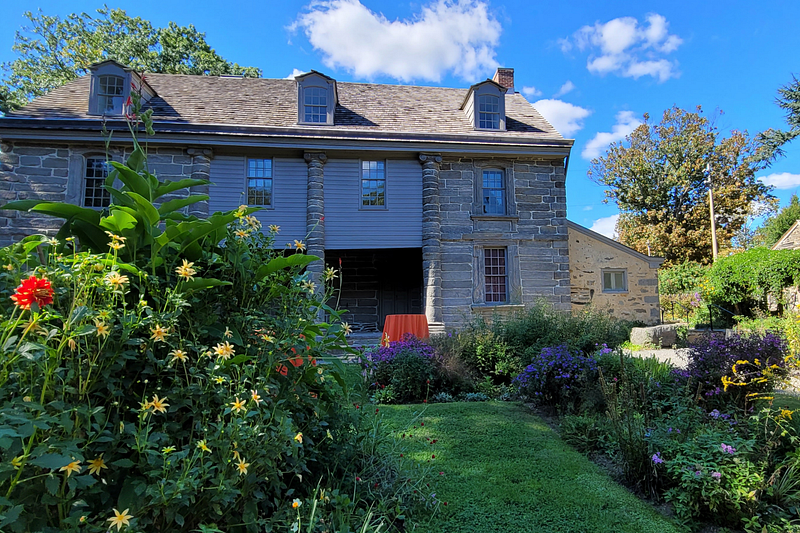
John grew up in Pennsylvania and purchased over 100 acres at this location in 1728 when he was in his late twenties. He developed a thriving plant nursery, seed and specimen collection, study hub, and exchange program. He was named botanist to King George III of Great Britain. He gathered here with his friends Thomas Jefferson, Ben Franklin, and other members of the American Philosophical Society to ponder all aspects of science in service of promoting useful knowledge.
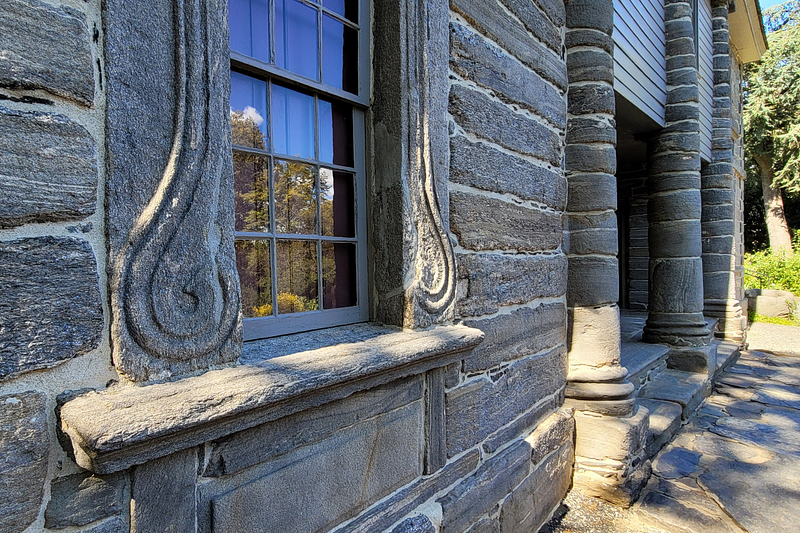
The garden stayed in the Bartram family for three generations. It was then a private estate, then a neglected wilderness, and finally restored, protected, and managed by Philadelphia’s Fairmont Park since 1891. The house became a historic landmark in 1963.
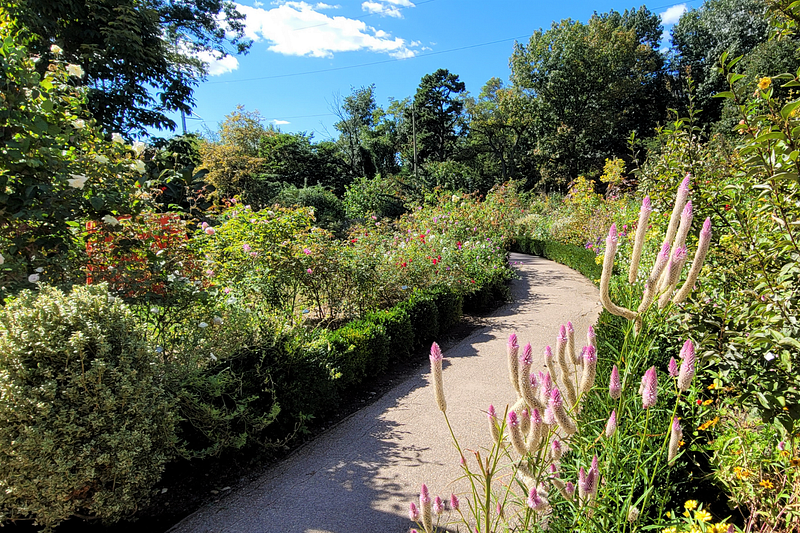
It is not just the serenity of the gardens that inspire awe, it is also the historic timeline. As we travel through these awemazing grounds, envision John Bartram with the Continental Congress, as they adjourned for a field trip to the garden in 1784.
Imagine Ben Franklin and John Adams strolling along the paths, enjoying the natural beauty of the gardens while discussing the relief and excitement they must have been feeling at the time. The Treaty of Paris was just ratified, ending the American Revolutionary War and formally recognizing American independence. How refreshing their visit must have been.
As we continue our tour, enjoy. Let me know if you have any questions.
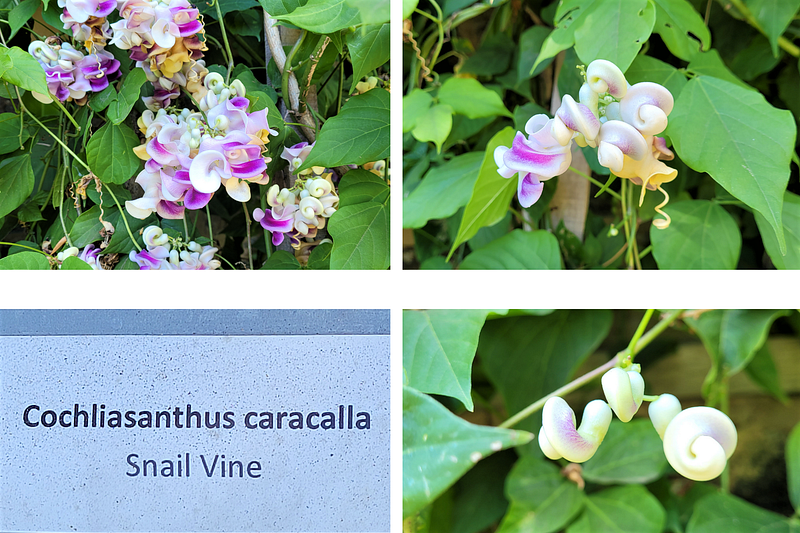
Question
Where did the Bartrams get all of these plants to start with?
Answer
That is a great question. It was not an easy task at the time. John Bartram and then also his sons William and John Jr. traveled by horse, foot, and canoe from Florida to Ohio to collect different plants and seeds. From these travels and other exchanges, they created the first plant catalog in the country with over 200 offerings.
When I was a teacher at a school nearby, my class worked on a project with artist Mark Dion. He was retracing Bartram’s travels to collect items for an installation piece here at the garden. It was interesting to compare the past travel finds to the more modern items. There is a book documenting the collaboration across centuries, Travels of William Bartram Reconsidered.
I thought I might experience some of the Bartram Trails last summer when I visited Alabama. I found a location on google maps and we had spent a bit of time driving around trying to find the actual trail. I guess it was more time than anyone else wanted to spend because once I excitedly pointed it out, my cousin barely tapped the breaks. My experience was a blurred view of the trail marker.
So, I can’t tell you much about the Bartram Trails except for what I have read and from the “souvenirs” that have been brought back to this location.
Now let’s head down through the meadow to the waterfront. This is where the Bartram’s would have set out in their canoe for one of their wonderous adventures.
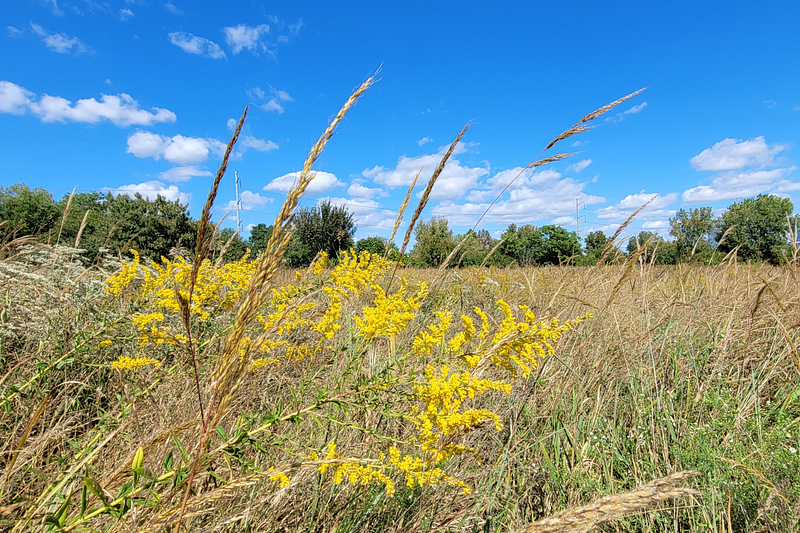
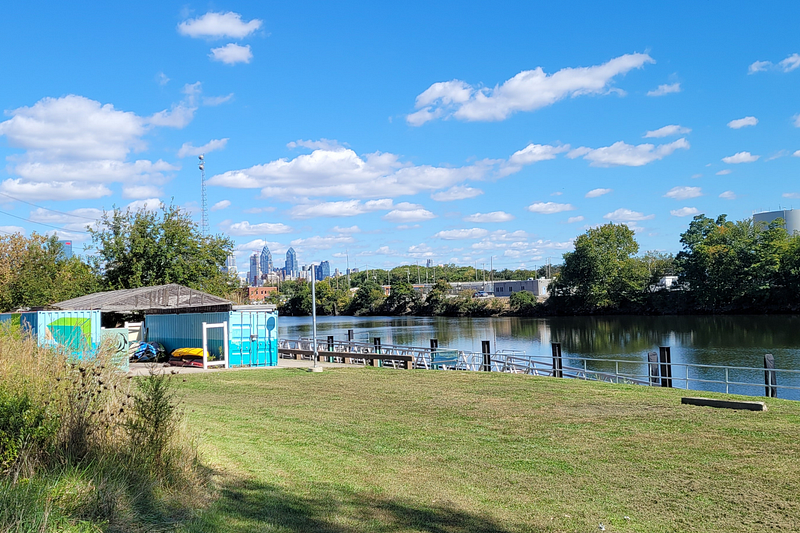
Now, as we travel back toward the more wooded trails, I want to show you the famous ginkgo tree.
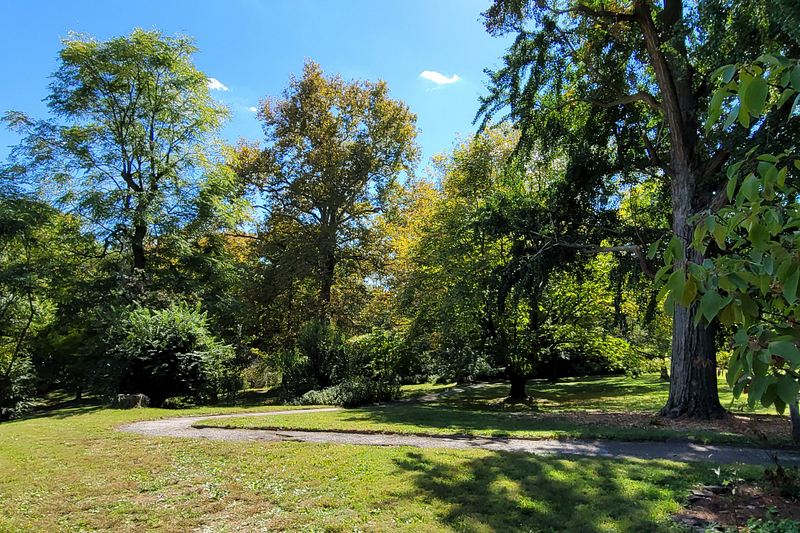
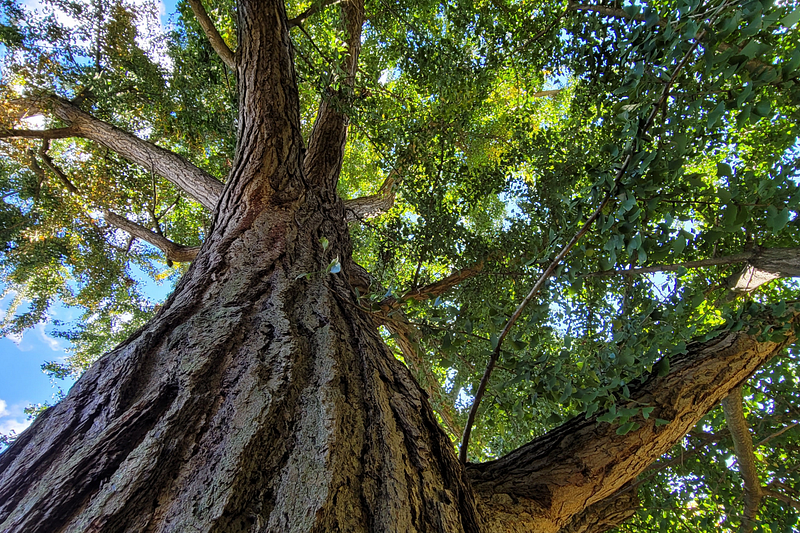
To think, all of this is possible because John Bartram was intrigued with a seed and the science of plants in the 1700s. I may never fully understand how this could all be possible, but I will be filled with wonder and awe each day I spend here. The tour ends here, but feel free to continue to explore.
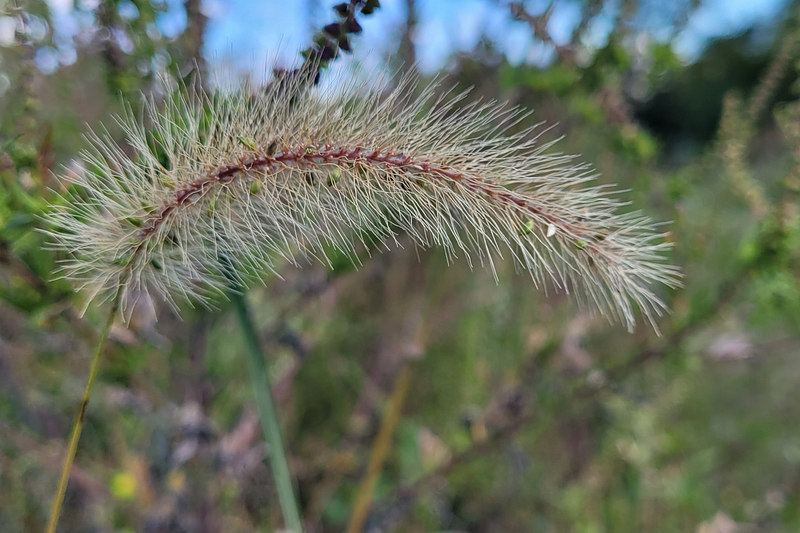
Whatsoever whether great or small ugly or hansom sweet or stinking, everything in the universe in their own nature appears beautiful to me. -John Bartram
Thanks for reading I hope everyone finds awe in the historic timelines behind the experiences we are afforded today.
There are so many awe-inspiring places filled with their own rich history. I just realized, another reason Bartram’s Garden is such a special place for me. It reminds me of my most beloved place on the planet. They both have a special combination of my favorite things: flowers, waterfront, and history.
Here is another project that stemmed from my time at Bartram’s Garden:
Sign up for the Medium membership to receive unlimited access to my stories and the stories of many other great writers. (By signing up here you can directly support me, but my small commission does not impact your low cost of membership.)


