
A Ginkgo Tree Made My Day
And expanded my view of the world
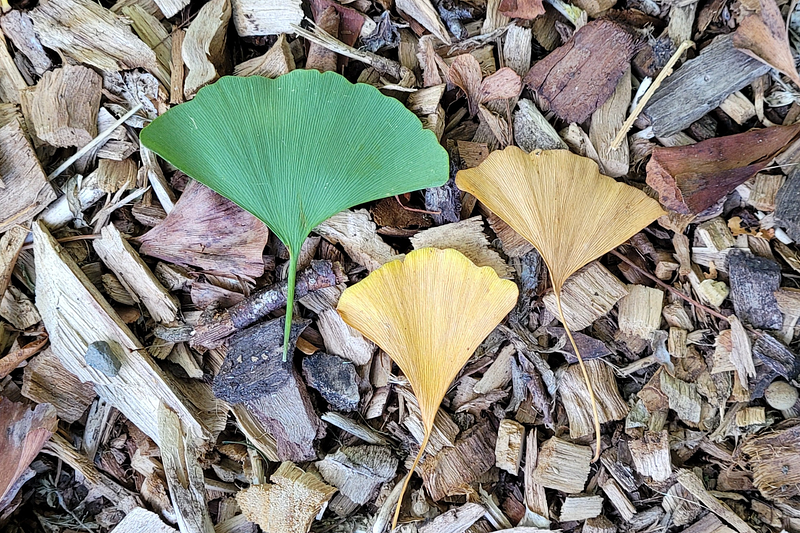
How could a tree get from China to the United States?
I actually asked myself this question when I was in elementary school. I could imagine animals traveling from continent to continent. Of course, the picture in my mind of the animals traveling on their own was unlikely to happen the way I saw it in my mind. I didn’t have a realistic sense of distance or of the power of oceans and winds. But, even with my imagination, I couldn’t think of any way that a tree could get from one continent to another. Then, I learned more about seeds.
This learning was part of a leaf collection project for school. I learn a lot about trees and life cycles. The ginkgo leaf I identified marks a more significant moment. A tree from china. It was the first time I was aware of my worldview and I could feel it expanding with this new information. My eyes were opened to a world far beyond my small rural town. This experience prompted me to wonder more about what people experienced across the globe. I was intrigued by how much there was beyond my understanding.
My Students
I repeated projects like this with my own students when I became a teacher. I wanted my students to notice things they wouldn't otherwise have noticed. I wanted them to see the connectedness of everything in the world and to develop a sense of personal and collective responsibility. I took them on many trips. I also brought countless collections of things into the classroom for observation and analysis. This resulted in my students asking, don’t your neighbors think you’re weird?
The kickoff to our tree project was a trip to nearby Bartram’s Garden. When we saw the ginkgo tree I shared the story about the first ginkgo leaf I identified when I was their age.
This project also resulted in an interesting phone call from a parent. The father received the note that his son hadn’t submitted his tree project. So, he was making his son complete it at the football field before he could join the practice. He called to confirm what the assignment was. Was his son really supposed to sit and look at a tree for 10 minutes? He was sure there must be something else to it.
I assured him that this was the observation and inquiry stage of the project. His son was to observe and take notes of what he saw, what he thought, and what he wondered. There were also some guiding questions for the observation.
The father seemed a bit annoyed and sounded like he didn’t think observation and inquiry were very important skills to practice, especially when there was football to be played. I could have explained, but he had to get back to coaching.
Back to Bartram’s Garden
After over 10 years, I stopped by Bartram’s Garden on my way home from work. When I turned the corner and saw the huge ginkgo tree it made my day. Thinking about the strength, stature, and stateliness of this tree, the joy it has brought to so many people over the years, and the memories of my experiences with ginkgos made me stop, smile, and take some pictures.
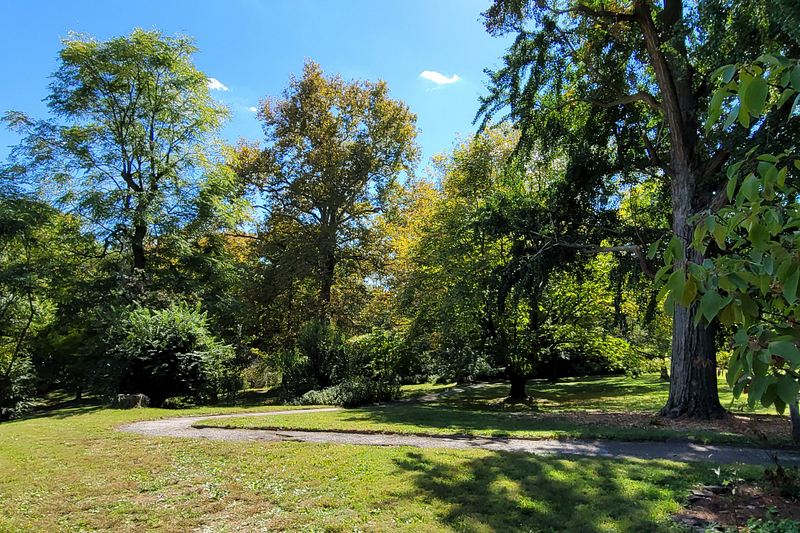
I walked closer to enjoy its magnificence. I still love the thick, ridged, fan-shaped leaves.
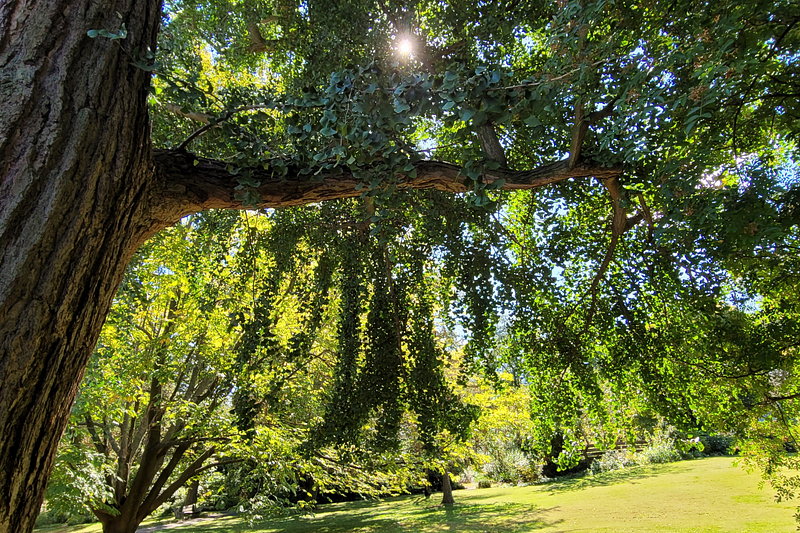
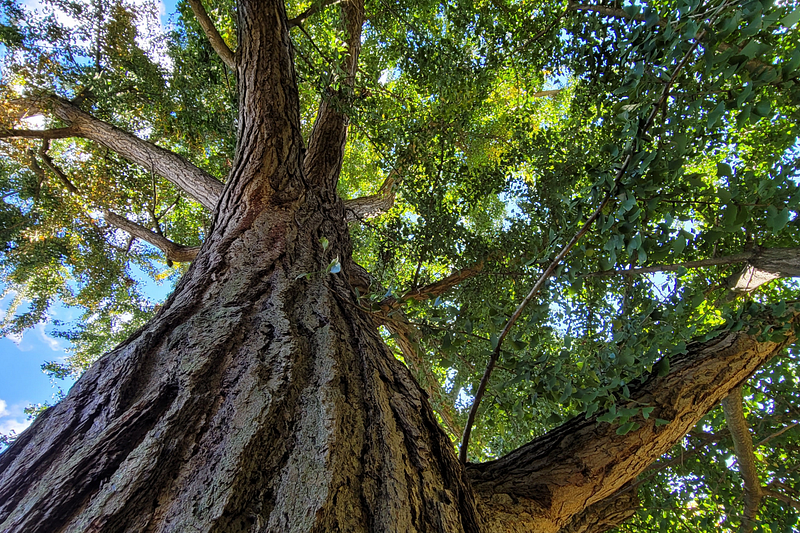
Then, I read the plaque and it left me in awe, a gift from 1785. That is a timeline I have to pause to comprehend.
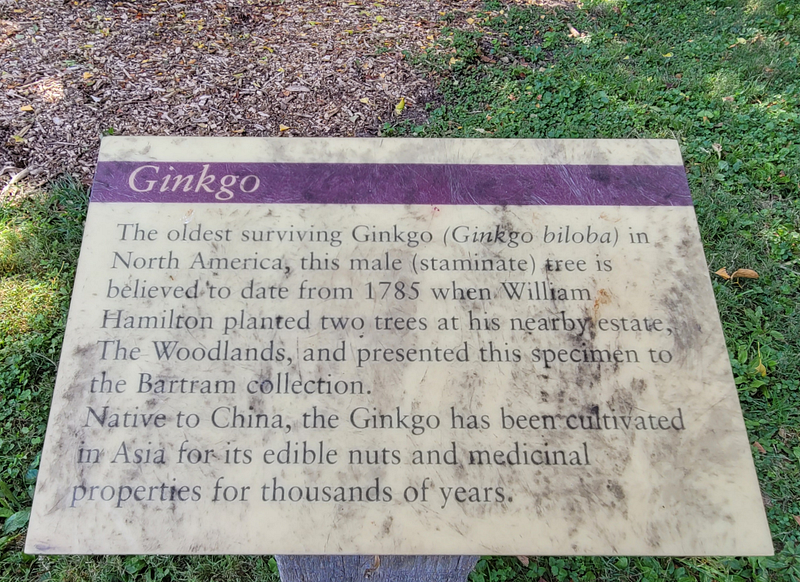
I took a step back to take it all in. As I walked away my mind was reeling and I was still wearing the smile.
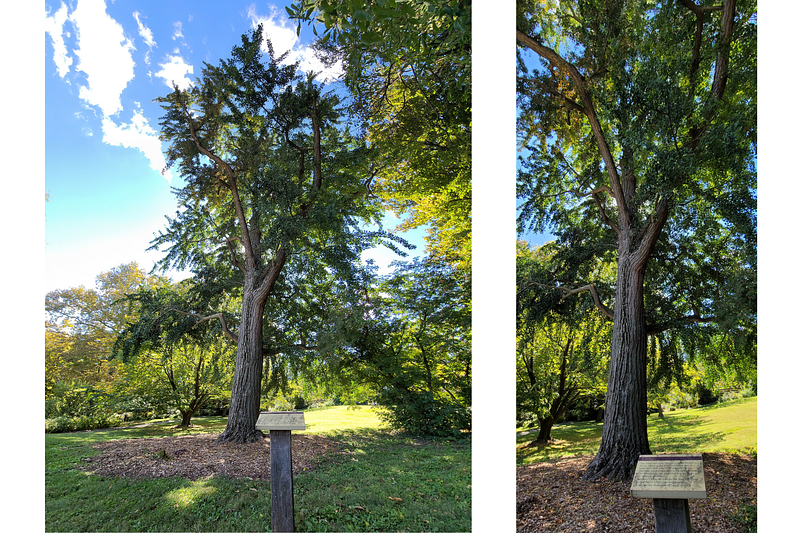
Thanks for reading! I hope everyone takes time to notice things that make their day and expand their worldview.
More about Bartram’s Garden:
If you are interested in reading and writing about your moments of awe:


