
Travel to Panama?
Possibly A Cruise?
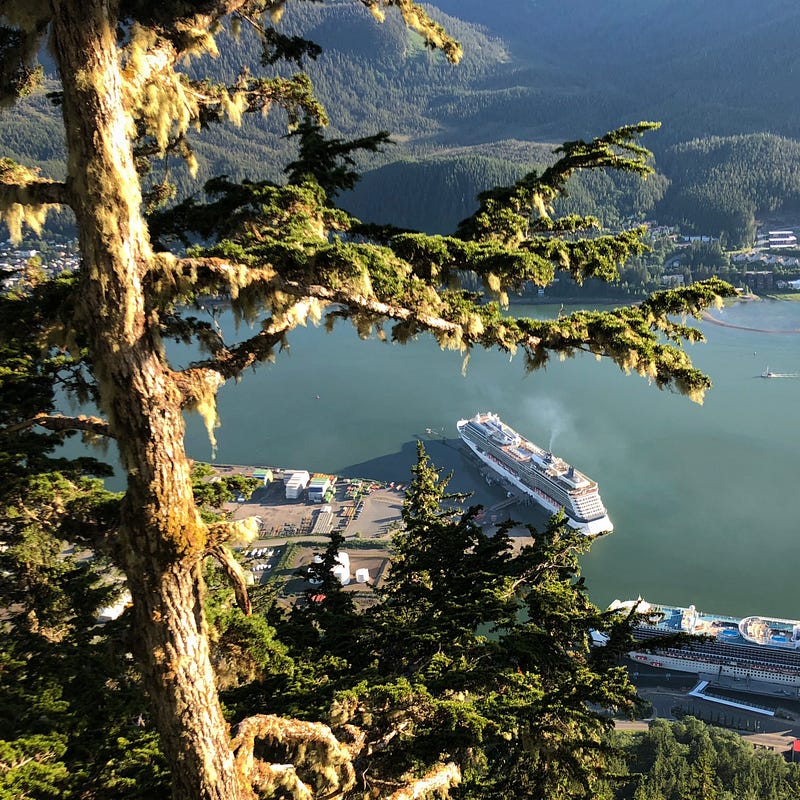
We’ve cruised around the Caribbean, then to the Bahamas, and also to Alaska. We enjoy the comfort of the cruise ships and the beautiful ports that we visit. We haven’t done a cruise in a few years, but now our feet are itchy. It just feels like time to travel again. Where should we go?
My husband is trying to convince me to cruise through the Panama Canal, starting in California and ending in Florida. I am researching the idea. I’m reading that this cruise involves several days on board to get to the Canal, then a day to get through the Canal. There are brief stops before and after the Canal. Then, there are a few days on board again to complete the cruise. We are retired, so we have time to just enjoy the cruise for a few days.
My first research project is about the Panama Canal, its history, and the technology of the canal.
The Panama Canal is a waterway that connects the Atlantic and Pacific Oceans and divides North and South America. It is 40 miles (65 km) long. Did you know that the Pacific Ocean is slightly higher than the Atlantic Ocean? I didn’t before I read Daniel Ganninger’s Completely Random Facts about the Panama Canal. That’s embarrassing. I taught earth science for years. I should have known that fact.
Due to the shape of the Panama isthmus, the Canal runs more from southeast to northwest, than from east to west. Without the Canal, ships would have to sail around South America to get from the Atlantic to the Pacific and back again. All school kids know that, right? But, it isn’t just a long ditch that was dug for ships to go through. It is much more complicated than that.
Construction of the Canal was started in 1881. It was “an engineering challenge due to the combination of tropical rain forests, debilitating climate, the need for canal locks, and the lack of any ancient route to follow.” The French started the construction. The Americans completed it in 1914. Since 1999, it is managed and controlled by the Panama Canal Authority. (Panama Canal, Wikipedia)
A mountain range runs the length of Panama, although it is lower in the area of the Canal. Ships enter and are raised by water through a series of locks to freshwater lakes, and then the ships are lowered into the sea on the other side via locks. It takes an average of 10 hours to go through the Canal, but with waiting time to get into the Canal and then the passage through the Canal, it can take 25 hours total.
I naively thought the Canal was full of seawater that was pumped in and out but in fact, most of the water in the locks and the lakes is fresh water from artificial lakes in the mountains. These are managed by a series of dams.
The problem is that the locks and lakes are thirsty. Climate change has left the area with less overall rainfall, so it is much drier than usual. The locks were expanded from 2007–2016 so larger cargo ships could pass through the Canal, but the low level of water in the locks and lakes now due to climate change is limiting the size and weight of cargo ships that can pass through.
The Panama Canal Authority is researching what to do to solve the problem. One of the possibilities is to create another dam to control more water. This is a controversial solution because the construction of a dam will mean farmers will lose their land, but a solution is needed.
The Canal is a critical piece in the transportation problem in our modern world. According to history.com between 13,000 and 14,000, ships use the Canal every year. If the large cargo ships have restricted access to the Canal, there will be a dramatic increase in the number of goods that will have to be shipped via land and air.
I’ll be following developments to see what happens.
More Research for Our Trip:
How do we get around? What are the people like? What is the culture? Here are some Medium.com links with information to read. This is part 2 of my research.
I Quit My Job and Moved to Panama by Rebecca Marauskas
Getting to Downtown Panama City from Tocumen Intl Airport by Collin Groat