avatarKim Baker

Free AI web copilot to create summaries, insights and extended knowledge, download it at here

3550

Abstract

9c2">Visiting the trenches in Gallipoli, I was sobered and amazed by the stories of soldiers, young men, who were fighting a war few of them understood. They thought they were going to travel, have an adventure, but instead realized, too late, that war was not the kind of adventure they were looking for. Still, they tried to make friends with the enemy, throwing tobacco and paper to each other between battles, and even taking a day off to play football together.</p><h2 id="686b">“Never be afraid to be a poppy in a field of daffodils.” Micheala DePrince</h2><h1 id="00fa">Japan- Lotus (Rotasu) and Hydrangea (Ajisai)</h1><p id="ff3e">Most people think of the cherry blossom (sakura) when they think of flowers in Japan, and while I acknowledge their importance, and loved the Haname gatherings under the pink trees, I am going to focus on two flowers that were important to my time in Japan, the Lotus and the Hydrangea.</p><p id="4e21">I was living in Sendagi, a beautiful little part of Tokyo, located between Hakusan and Ueno. Every weekday I would walk to work in Hakusan and most weekends I found my way to Ueno Park where I could be amongst the birds and flowers for a few hours.</p><p id="1b61">In Hakusan, at the temple around the corner from my office, at Toyo University, every summer the Hydrangeas became the most important flower. At around the same time, the lake in Ueno Park was filled with huge lilly pads and giant pink lotus flowers poked up from the murky water.</p><figure id="303f"><img src="https://cdn-images-1.readmedium.com/v2/resize:fit:800/1*w402nfjoLZNOHr-yH8eVDQ.jpeg"><figcaption>Photo by Author — rooted in muck, Lotus flowers find the light and add beauty</figcaption></figure><p id="41e0">Just as the tulip is associated with Islam in Turkey, the lotus is connected to Buddhism in Japan. The flowers shoot up from the dirty, mucky bottom of ponds to bloom in the summer sun, just as human beings struggle through difficult circumstances to rise above and find enlightenment and purity.</p><p id="057a">While I was living in Tokyo, I was often overwhelmed by the sheer size and action of the city. Taking a break to walk around the lotus pond in Ueno Park and photograph it, certainly helped me find a bit of enlightenment.</p><h2 id="3b47">“If you feel lost, disappointed, hesitant, or weak, return to yourself, to who you are, here and now and when you get there, you will discover yourself, like a lotus flower in full bloom, even in a muddy pond, beautiful and strong.” — Masaru Emoto</h2><figure id="0c19"><img src="https://cdn-images-1.readmedium.com/v2/resize:fit:800/1*z1Akpb7LKYJLvAqHuXJY7A.jpeg"><figcaption>Photo by Author- Hydrangeas come in many different colors depending on the mineral content of the soil.</figcaption></figure><p id="8acb">The hydrangea was another flower that was important to me while I was in Japan. It blooms in the rainy season, that is to say, summer. It has a kind of double meaning, symbolizing both deep emotion and a fickle heart, and that kind of sums up how I feel about Japan. I absolutely love so many parts of the culture and so many people who live there, yet my fickle heart had enough eventually, and I left.</p><p id="7d72">The Hakone hydrangea festival is a wonderful event and I went every year. We ate hydrangea-shaped sugar creations, painted hydrangeas on cloth bags, listened to traditional music and appreciated the heck out of the abundant flowers.</p><h1 id="5d1c">Spain - Geranium (Geranio)</h1><p id="fda5">Beautiful, sunny Southern Spain wouldn’t be

Options

the same without its little white villages and a big part of that is the flowerpots that hang from the walls along with beautifully tiled street names and religious icons. By far, the most popular potted wallflower is geranium. It pops out pink and red, flowers pretty much year around, and contrasts with the white of the walls perfectly.</p><p id="ed1e">It also symbolizes happiness, good health and friendship, three things that can be found in abundance here.</p><p id="2f5f">Life in Andalucia is full of small feelings of happiness: an afternoon of tapas, guitar music in the distance, a hike in the mountains, hanging out laundry with a view…</p><p id="6cdb">It is also known for having people who live a long time. A less stressful lifestyle, regularly walking, biking and hiking, a local diet and looking at those beautiful beflowered walls all contribute to this.</p><p id="d94d">Last but not least, friendship. I have rarely encountered a community of friends like the ones I have found here. People have time for each other. If two cars pass on the street and the drivers want to talk, they stop and talk. The cars that back up behind them respect that, and do not honk. Saying hi to your friends and taking a moment to catch up is more important than being on time.</p><figure id="0510"><img src="https://cdn-images-1.readmedium.com/v2/resize:fit:800/1*xOn_C76-r2uAQ6hcohtwQw.jpeg"><figcaption>Photo by Author- Easter is when the flowers are in full bloom here. They witness the Catholic processions of Semana Santa.</figcaption></figure><h2 id="cd79">Men are like that. They’re like geraniums. When they look as if they’re ready to be tossed into the bin they revive. — Carlos Ruiz Zafon</h2><p id="2633">The next time you find yourself in a foreign land, or just the next block over and you notice a preponderance of flowers, take a moment and appreciate them. Look them up, they might have as many meanings and stories as they do petals.</p><p id="fe98">Finding flowers and other beauty in Spain is easy, read more about it in this article about the Alhambra by <a href="undefined">Keith Kelley</a>.</p><div id="9943" class="link-block"> <a href="https://readmedium.com/the-floral-enchantment-of-the-alhambra-dedbd8ce23ec"> <div> <div> <h2>The Floral Enchantment of the Alhambra</h2> <div><h3>Where nature and decoration become one.</h3></div> <div><p>medium.com</p></div> </div> <div> <div style="background-image: url(https://miro.readmedium.com/v2/resize:fit:320/1*JqFCEi_PEKy09vbauud4-g.jpeg)"></div> </div> </div> </a> </div><p id="228a">For a great description of what it is like to go to a Japanese hanami party, check out this article by <a href="undefined">Vincent Van Patten</a>.</p><div id="c7b9" class="link-block"> <a href="https://readmedium.com/the-magic-of-hanami-japans-deeply-rooted-spring-tradition-d147687a73a7"> <div> <div> <h2>The Magic of Hanami: Japan’s Deeply Rooted Spring Tradition</h2> <div><h3>Celebrating life beneath the falling cherry blossoms.</h3></div> <div><p>medium.com</p></div> </div> <div> <div style="background-image: url(https://miro.readmedium.com/v2/resize:fit:320/1*X56NCev7e7_rUCJ2Oz9OJw.jpeg)"></div> </div> </div> </a> </div></article></body>

Travel through Flowers, Cultures and History

“The Earth laughs in Flowers” — Ralph Waldo Emerson
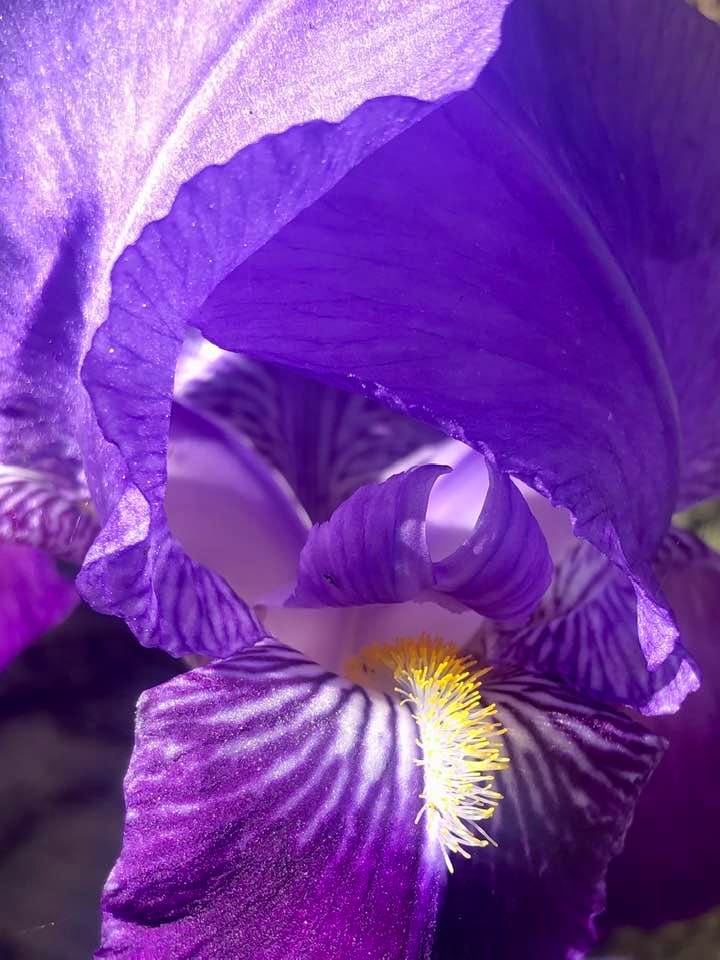
Photo by Author

Love, death, redemption, war, renewal, enlightenment, friendship, passion and beauty are all said to be found amongst the petals of a flower. They burst from the Earth with exuberance, irrepressible, and our world would be impossible without them, not just because they make eating a reality, but because they bring joy to those who take a moment to notice them.

As Alice Walker said in her book The Color Purple, “I think it pisses God off if you walk by the color purple in a field somewhere and don’t notice it. People think pleasing God is all God cares about. But any fool living in the world can see it always trying to please us back.”

Wandering the world, flowers have always been there, imbued with meaning, special to the culture and history of the place they have taken root.

Turkey — Tulips (Lale) and Poppies (Has has)

Most people think of Holland when they think of tulips; I certainly did. My grandmother was Dutch and I took some pride and ownership of the flower until I went to Turkey and discovered that it was actually from there.

In the Spring Istanbul is covered in tulips, and the rest of the year, images of them adorn fountains, tiles, ebru (the art of marbeling), and even in the shape of the diminutive tea cups, without which, Turkey would surely grind to a halt.

In Turkey, tulips are associated with wealth and luxury and also, the Islamic religion.

The next time you find yourself in Turkey, wandering through the ancient and modern, make a point of looking for tulips, once you start, you will find them everywhere.
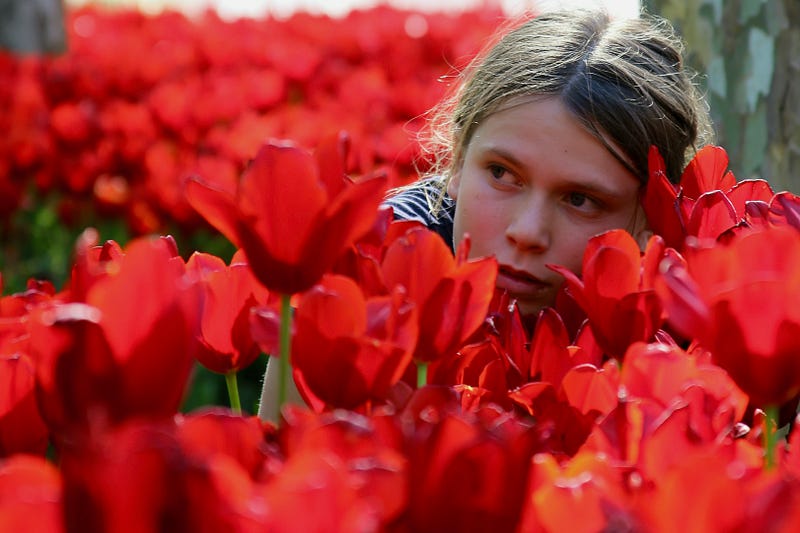
Photo by Author — My daughter is surrounded by Tulips, the color of the Turkish flag. Don’t worry, she is sitting between 2 bunches of flowers, not trampling or damaging them.

“A tulip doesn’t strive to impress anyone. It doesn’t struggle to be different than a rose.” — Marianne Williamson
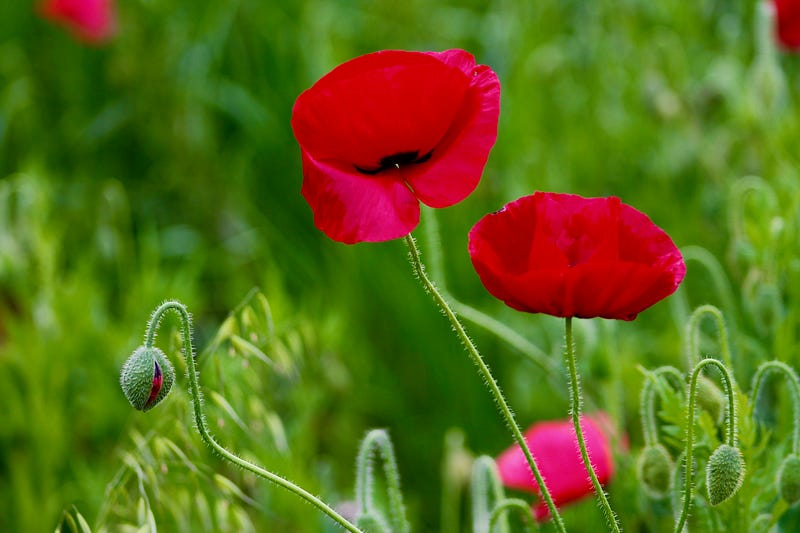
Photo by Author- poppies, blood red, pop against their green foliage

At once bold and delicate, poppies don’t last long once plucked. They are not travelers, and you will never find them in a bouquet, yet they pop up wild every spring in Turkey.

I first became aware of them while reading a book called Birds Without Wings by Louis de Bernieres. The book takes place during World War I and its aftermath in Turkey and the flower was mentioned so many times I became curious as to what it could possibly mean.

Poppies spring out of disturbed earth when the seeds get churned up. Nothing churned up the earth like the trench warfare around Gallipoli in Western Turkey during World War I. After the battles, in the spring, the blood-red flowers flourished and became an important symbol of the war, not only to the Turks but also to the British, Australian and New Zealanders who were fighting there.

Visiting the trenches in Gallipoli, I was sobered and amazed by the stories of soldiers, young men, who were fighting a war few of them understood. They thought they were going to travel, have an adventure, but instead realized, too late, that war was not the kind of adventure they were looking for. Still, they tried to make friends with the enemy, throwing tobacco and paper to each other between battles, and even taking a day off to play football together.

“Never be afraid to be a poppy in a field of daffodils.” Micheala DePrince

Japan- Lotus (Rotasu) and Hydrangea (Ajisai)

Most people think of the cherry blossom (sakura) when they think of flowers in Japan, and while I acknowledge their importance, and loved the Haname gatherings under the pink trees, I am going to focus on two flowers that were important to my time in Japan, the Lotus and the Hydrangea.

I was living in Sendagi, a beautiful little part of Tokyo, located between Hakusan and Ueno. Every weekday I would walk to work in Hakusan and most weekends I found my way to Ueno Park where I could be amongst the birds and flowers for a few hours.

In Hakusan, at the temple around the corner from my office, at Toyo University, every summer the Hydrangeas became the most important flower. At around the same time, the lake in Ueno Park was filled with huge lilly pads and giant pink lotus flowers poked up from the murky water.
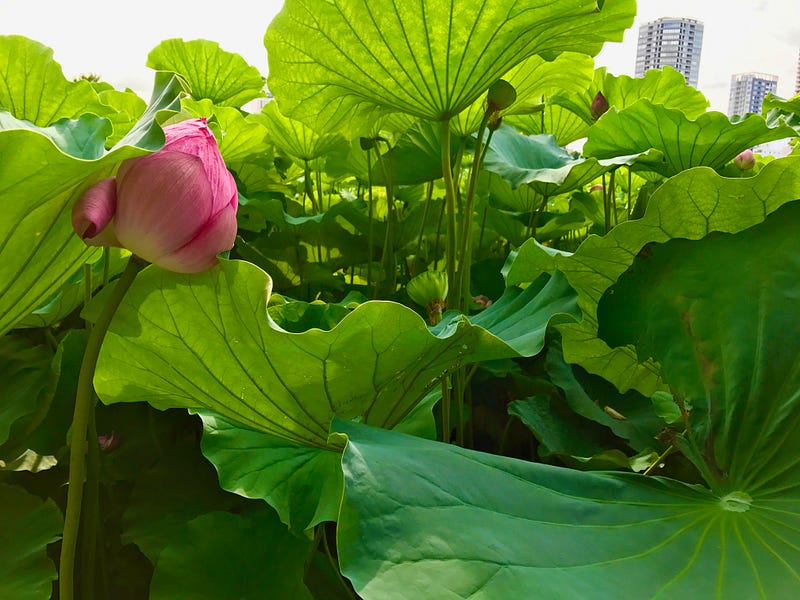
Photo by Author — rooted in muck, Lotus flowers find the light and add beauty

Just as the tulip is associated with Islam in Turkey, the lotus is connected to Buddhism in Japan. The flowers shoot up from the dirty, mucky bottom of ponds to bloom in the summer sun, just as human beings struggle through difficult circumstances to rise above and find enlightenment and purity.

While I was living in Tokyo, I was often overwhelmed by the sheer size and action of the city. Taking a break to walk around the lotus pond in Ueno Park and photograph it, certainly helped me find a bit of enlightenment.

“If you feel lost, disappointed, hesitant, or weak, return to yourself, to who you are, here and now and when you get there, you will discover yourself, like a lotus flower in full bloom, even in a muddy pond, beautiful and strong.” — Masaru Emoto
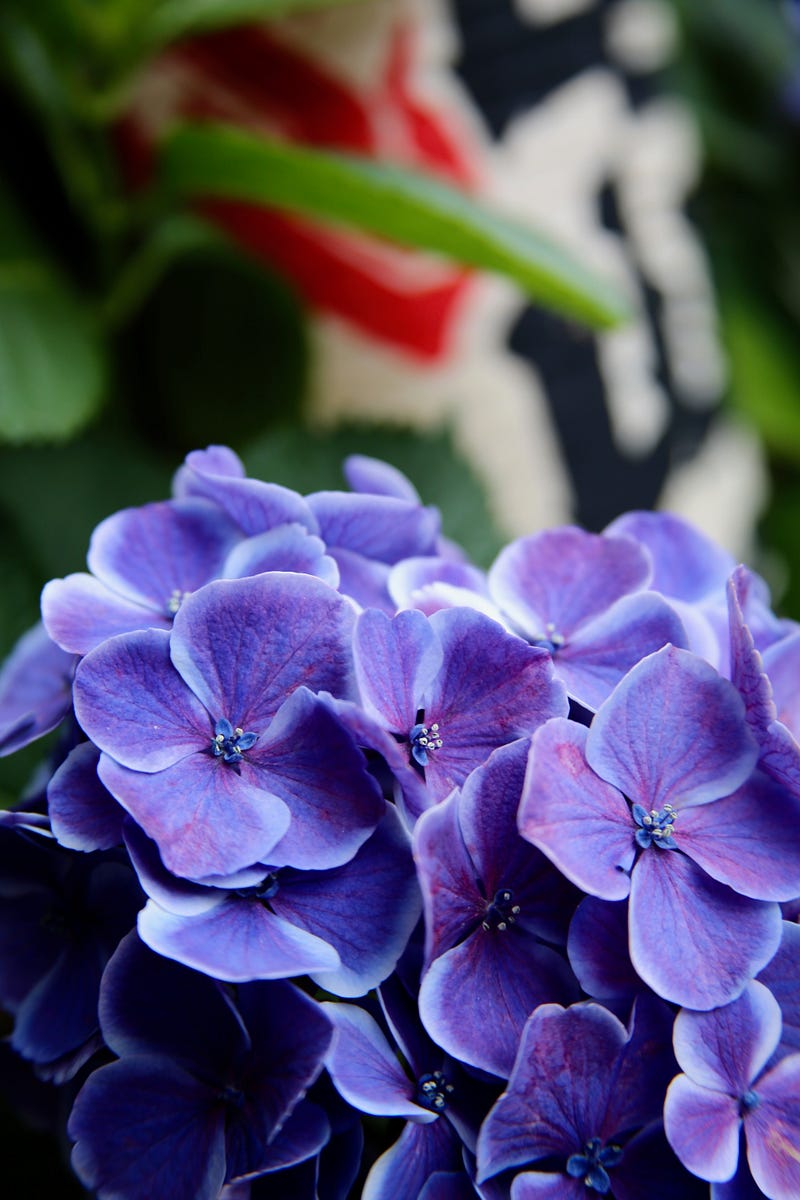
Photo by Author- Hydrangeas come in many different colors depending on the mineral content of the soil.

The hydrangea was another flower that was important to me while I was in Japan. It blooms in the rainy season, that is to say, summer. It has a kind of double meaning, symbolizing both deep emotion and a fickle heart, and that kind of sums up how I feel about Japan. I absolutely love so many parts of the culture and so many people who live there, yet my fickle heart had enough eventually, and I left.

The Hakone hydrangea festival is a wonderful event and I went every year. We ate hydrangea-shaped sugar creations, painted hydrangeas on cloth bags, listened to traditional music and appreciated the heck out of the abundant flowers.

Spain - Geranium (Geranio)

Beautiful, sunny Southern Spain wouldn’t be the same without its little white villages and a big part of that is the flowerpots that hang from the walls along with beautifully tiled street names and religious icons. By far, the most popular potted wallflower is geranium. It pops out pink and red, flowers pretty much year around, and contrasts with the white of the walls perfectly.

It also symbolizes happiness, good health and friendship, three things that can be found in abundance here.

Life in Andalucia is full of small feelings of happiness: an afternoon of tapas, guitar music in the distance, a hike in the mountains, hanging out laundry with a view…

It is also known for having people who live a long time. A less stressful lifestyle, regularly walking, biking and hiking, a local diet and looking at those beautiful beflowered walls all contribute to this.

Last but not least, friendship. I have rarely encountered a community of friends like the ones I have found here. People have time for each other. If two cars pass on the street and the drivers want to talk, they stop and talk. The cars that back up behind them respect that, and do not honk. Saying hi to your friends and taking a moment to catch up is more important than being on time.
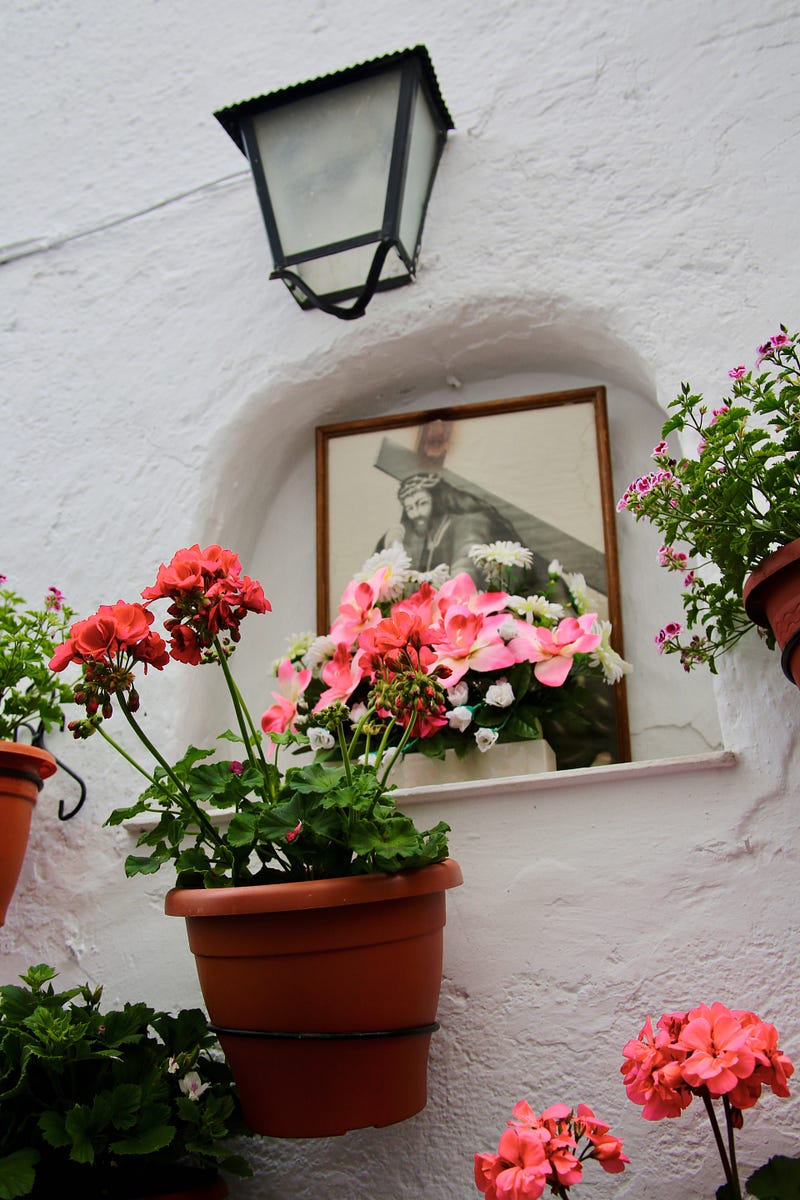
Photo by Author- Easter is when the flowers are in full bloom here. They witness the Catholic processions of Semana Santa.

Men are like that. They’re like geraniums. When they look as if they’re ready to be tossed into the bin they revive. — Carlos Ruiz Zafon

The next time you find yourself in a foreign land, or just the next block over and you notice a preponderance of flowers, take a moment and appreciate them. Look them up, they might have as many meanings and stories as they do petals.

Finding flowers and other beauty in Spain is easy, read more about it in this article about the Alhambra by Keith Kelley.

For a great description of what it is like to go to a Japanese hanami party, check out this article by Vincent Van Patten.

Monthly Challenge
Globetrotter
Travel
Turkey
Japan
Recommended from ReadMedium