avatarKP_the_writer

Free AI web copilot to create summaries, insights and extended knowledge, download it at here

2268

Abstract

y should be (of a different biological structure than the gender identity), but there is no mental distortion of the body part. For example, a trans-masc non-binary person who was presumed ‘female’ at birth (based on external biological representation only) may feel their chest should be flat and therefore experiences discomfort and misalignment with their body configuration. They may wear a binder to achieve a flatter chest, but they are under no confusion or misunderstanding that the body parts are there.</p><figure id="c447"><img src="https://cdn-images-1.readmedium.com/v2/resize:fit:800/1*UvSeNEcrfELmQPfqAGeXWA.jpeg"><figcaption>Representation of body dysmorphia image purchased from Deposit Photos</figcaption></figure><p id="b5cc">Body dysmorphia is extremely different from body or gender dysphoria. When a person with body dysmorphia looks in the mirror, their brain tells them that they see something different to reality — different from what others see. Body dysmorphia is common among people with eating disorders, such as Anorexia Nervosa and Bulimia. Someone with body dysmorphia can be presented with medical evidence to the contrary and still see themselves as a different shape than they are. The example used here is only one type of dysmorphia and is certainly not all-inclusive. I’d love to read an article from someone with personal experience of body dysmorphia as I can only write to what I’ve read.</p><p id="3fd0">Yes, it is totally possible for someone to have body dysmorphia <b><i>and</i></b> gender dysphoria, but they are not interchangeable. Nor does one necessitate the existence of the other. For example, when I look at myself in the mirror, I see body parts that don’t necessarily feel like they are as they should be, but I do see them as they are. I see a chest that isn’t as flat as it should be. I see a jawline that is too thin and too feminine. I can think about how I’d like those body parts to be but I still see them as they are. The discomfort from dysphoria comes from that disconnect between what we see and what we feel. On the other hand, the discomfort from dysmorphia comes from seeing themselves differently than they are. If I was to look in the mirror and see my chest as flat when it is not, that would be

Options

body dysmorphia.</p><p id="b60c">When I look in the mirror, I do see someone who is large, but that’s <b><i>not</i></b> body dysmorphia because<b><i> I am</i></b> large. This is strange, but I’m about to argue for my own weight to prove a point. I have the doctors and medical opinions to back it up that yes, I am overweight. The point is, someone with Anorexia Nervosa may look in the mirror and see someone who’s overweight, despite the tube in their nose providing them nutrition because they are malnourished and starving. That’s the difference.</p><p id="d00c">Body Dysmorphia and body dysphoria, are not the same thing. And one does not indicate the presence of the other. I hope this has been helpful.</p><div id="15d8" class="link-block"> <a href="https://readmedium.com/about-me-kp-the-writer-f56a5e65ea7e"> <div> <div> <h2>About Me — KP-the-Writer</h2> <div><h3>Podcaster, writer, and queer, oh my</h3></div> <div><p>medium.com</p></div> </div> <div> <div style="background-image: url(https://miro.readmedium.com/v2/resize:fit:320/1*7yTzy4Uqux13evoV0WoMpw.jpeg)"></div> </div> </div> </a> </div><p id="0ef4"><i>Don’t miss out on any of my articles or any of the other great articles on Medium. For only $5/month you can have unlimited access to everything! Please note that below is an affiliate link and if you use it, you help feed an author. I promise they only bite when they are really hungry!</i></p><div id="aa8a" class="link-block"> <a href="https://kp-the-writer.medium.com/membership"> <div> <div> <h2>Join Medium with my referral link - KP_the_writer</h2> <div><h3>As a Medium member, a portion of your membership fee goes to writers you read, and you get full access to every story…</h3></div> <div><p>kp-the-writer.medium.com</p></div> </div> <div> <div style="background-image: url(https://miro.readmedium.com/v2/resize:fit:320/0*V45e8LqIFL3eWqYn)"></div> </div> </div> </a> </div></article></body>

TRANSGENDER

Trans Ask: Why is Gender Dysphoria Different Than Body Dysmorphia?

Clarity on dysmorphia and dysphoria
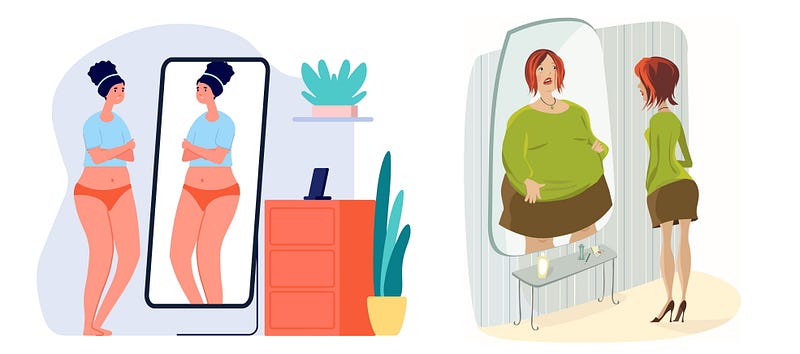
Adapted by author from images purchased on Deposit Photos

Dysphoria =/= Dysmorphia

Body Dysmorphia and gender dysphoria, are two entirely different things yet I often see them confused or used interchangeably. I see this confusion in ally interpretations as well as in the transgender community itself where body dysphoria is common. It took me a hot minute to understand the difference and now, I would like to do my part to help clear up the confusion and clarify the difference between the two.

To establish my personal connection here, I experience dysphoria but do not experience dysmorphia.

Let’s start with the Merriam-Webster definitions of each.

Medical Definition of body dysmorphic disorder: pathological preoccupation with an imagined or slight physical defect of one’s body to the point of causing significant stress or behavioral impairment in several areas (as work and personal relationships)

Definition of dysphoria: a state of feeling very unhappy, uneasy, or dissatisfied — see GENDER DYSPHORIA

Definition of gender dysphoria: a distressed state arising from conflict between a person’s gender identity and the sex the person has or was identified as having at birth

What does that mean?
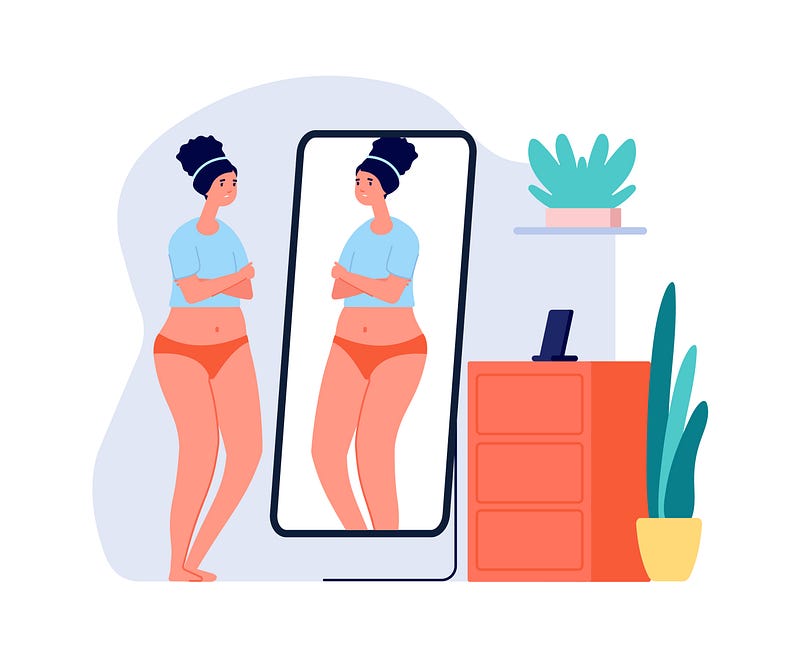
Representation of gender dysphoria image purchased from Deposit Photos

In simple terms, gender dysphoria is related to the feeling that a body part or parts are not as they should be (of a different biological structure than the gender identity), but there is no mental distortion of the body part. For example, a trans-masc non-binary person who was presumed ‘female’ at birth (based on external biological representation only) may feel their chest should be flat and therefore experiences discomfort and misalignment with their body configuration. They may wear a binder to achieve a flatter chest, but they are under no confusion or misunderstanding that the body parts are there.
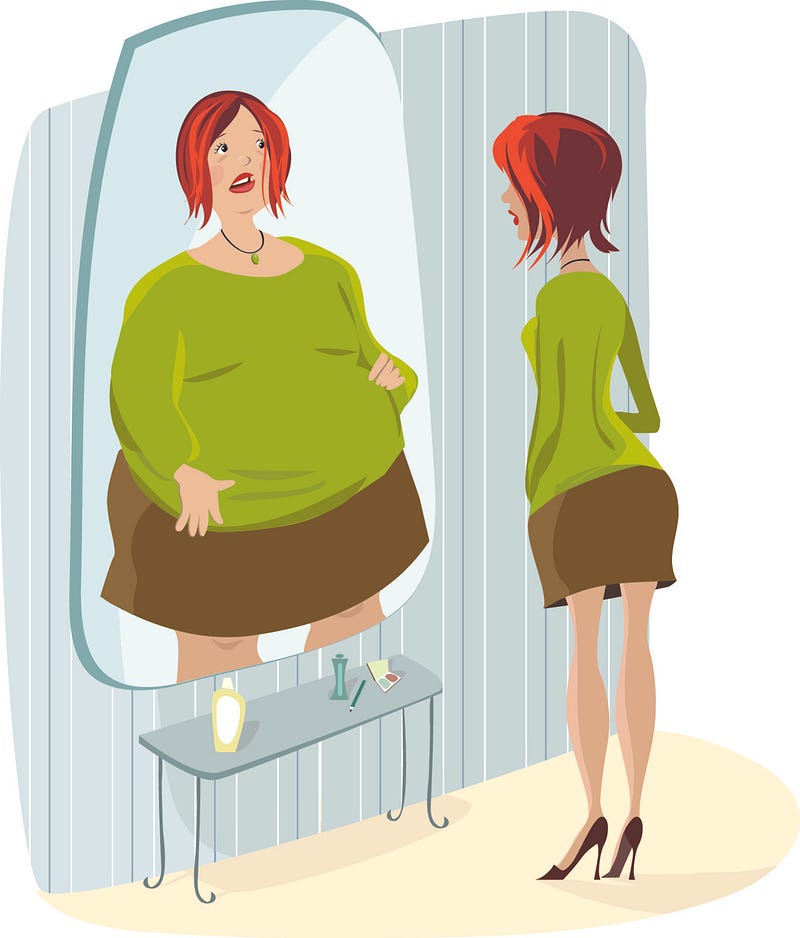
Representation of body dysmorphia image purchased from Deposit Photos

Body dysmorphia is extremely different from body or gender dysphoria. When a person with body dysmorphia looks in the mirror, their brain tells them that they see something different to reality — different from what others see. Body dysmorphia is common among people with eating disorders, such as Anorexia Nervosa and Bulimia. Someone with body dysmorphia can be presented with medical evidence to the contrary and still see themselves as a different shape than they are. The example used here is only one type of dysmorphia and is certainly not all-inclusive. I’d love to read an article from someone with personal experience of body dysmorphia as I can only write to what I’ve read.

Yes, it is totally possible for someone to have body dysmorphia and gender dysphoria, but they are not interchangeable. Nor does one necessitate the existence of the other. For example, when I look at myself in the mirror, I see body parts that don’t necessarily feel like they are as they should be, but I do see them as they are. I see a chest that isn’t as flat as it should be. I see a jawline that is too thin and too feminine. I can think about how I’d like those body parts to be but I still see them as they are. The discomfort from dysphoria comes from that disconnect between what we see and what we feel. On the other hand, the discomfort from dysmorphia comes from seeing themselves differently than they are. If I was to look in the mirror and see my chest as flat when it is not, that would be body dysmorphia.

When I look in the mirror, I do see someone who is large, but that’s not body dysmorphia because I am large. This is strange, but I’m about to argue for my own weight to prove a point. I have the doctors and medical opinions to back it up that yes, I am overweight. The point is, someone with Anorexia Nervosa may look in the mirror and see someone who’s overweight, despite the tube in their nose providing them nutrition because they are malnourished and starving. That’s the difference.

Body Dysmorphia and body dysphoria, are not the same thing. And one does not indicate the presence of the other. I hope this has been helpful.

Don’t miss out on any of my articles or any of the other great articles on Medium. For only $5/month you can have unlimited access to everything! Please note that below is an affiliate link and if you use it, you help feed an author. I promise they only bite when they are really hungry!

LGBTQ
Mental Health
Transgender
Self Improvement
Relationships
Recommended from ReadMedium