
STREET ART | GRAFFITI | PHOTOGRAPHY
Toronto’s Graffiti Alley Gets Its Street Cred
Is this the Renaissance of graffiti and street art
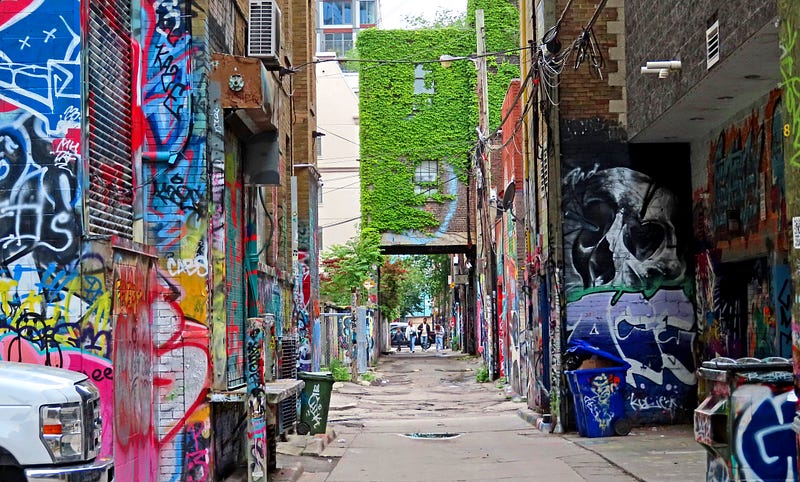
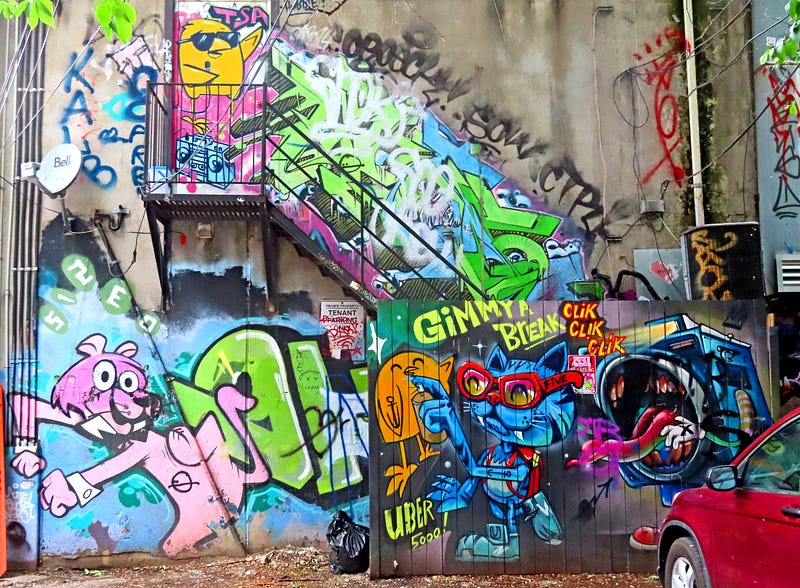
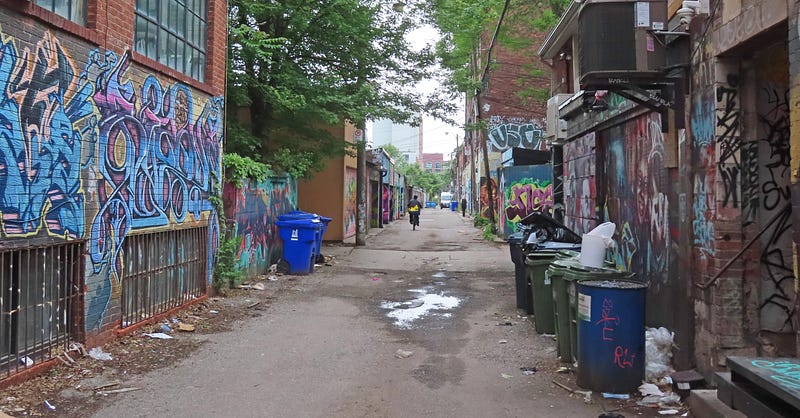
Take a step from the busy street into a concrete alleyway, the traffic noises are suddenly muted by the buildings. And instead of the expected gray drab underworld, the alley bursts with color, energy, and creativity wherever you look.
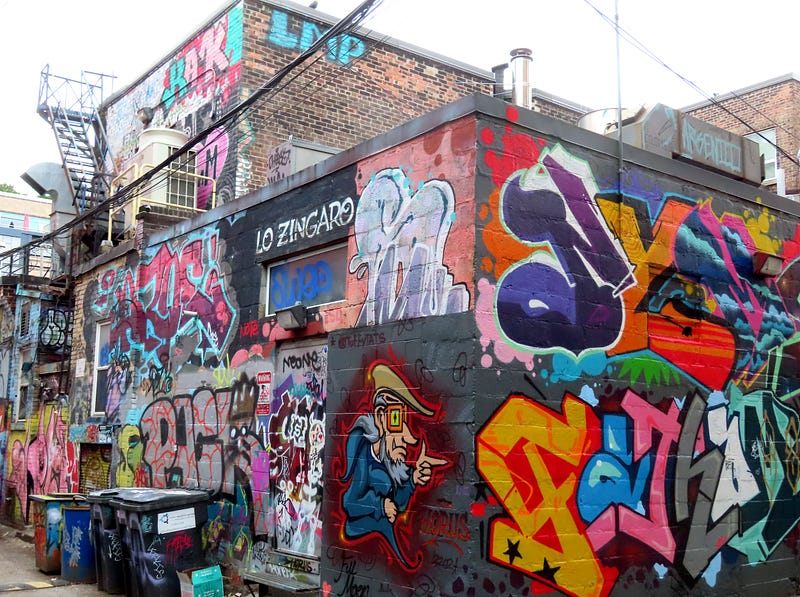
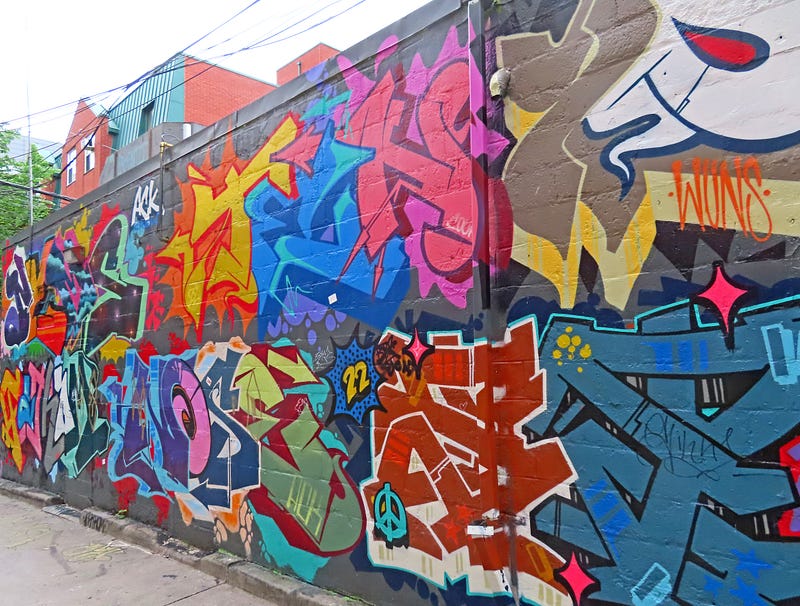
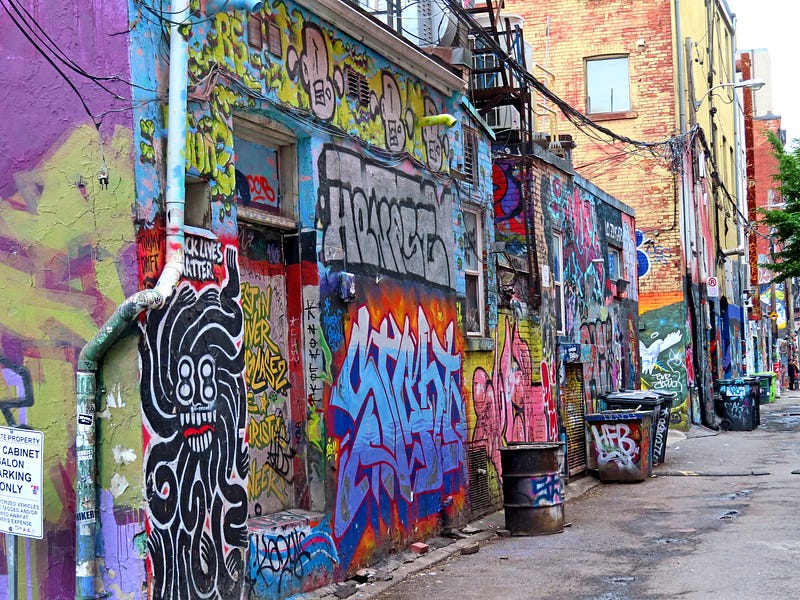
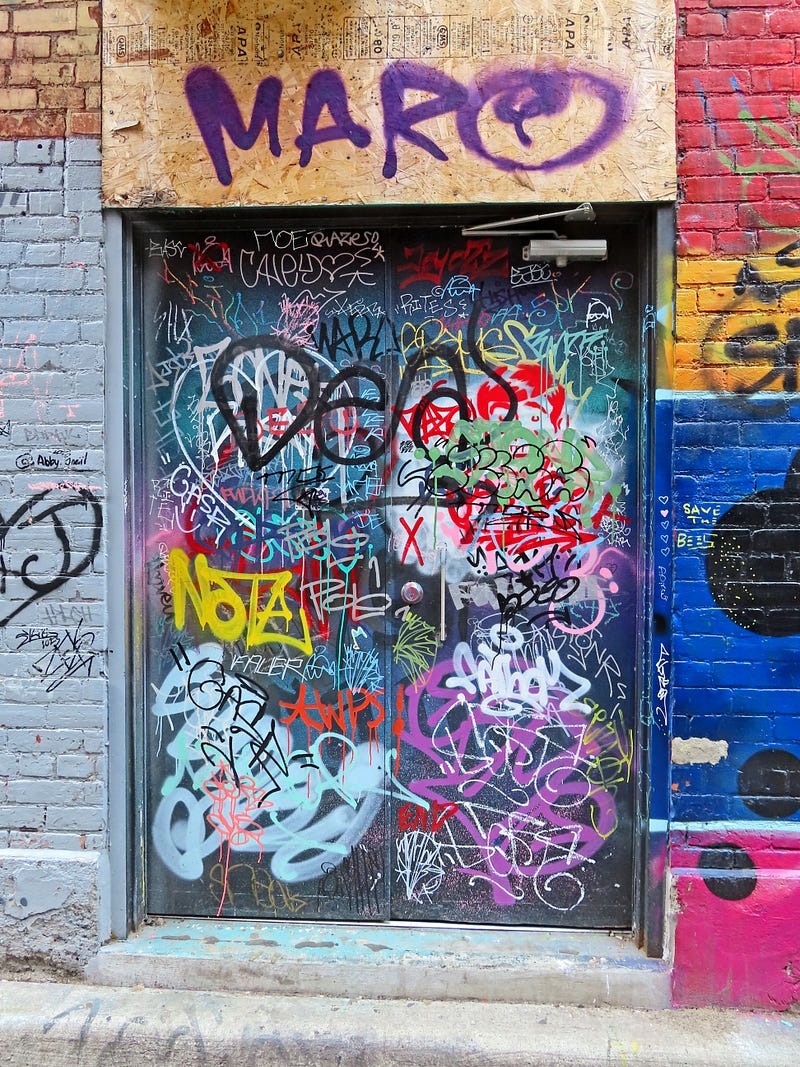
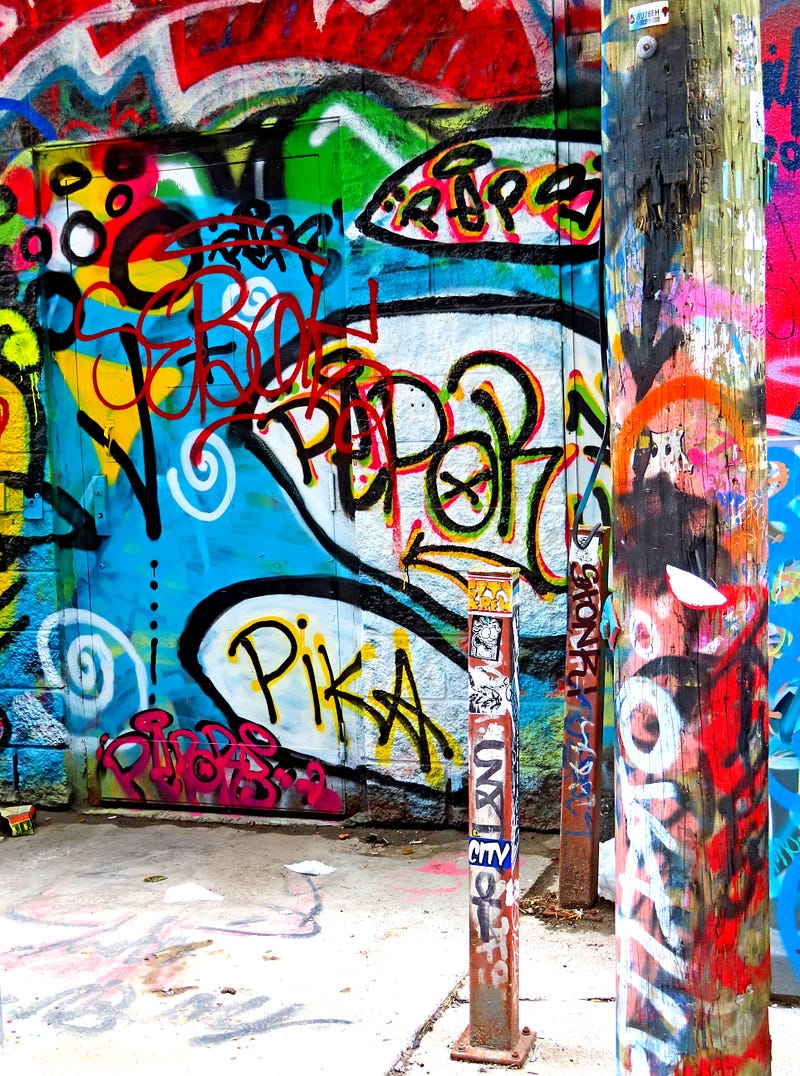
Even garbage cans and metal doors are covered in layers of spray paint from countless artists. Some are just simple tags but if you look closer you will see the creativity hidden below.
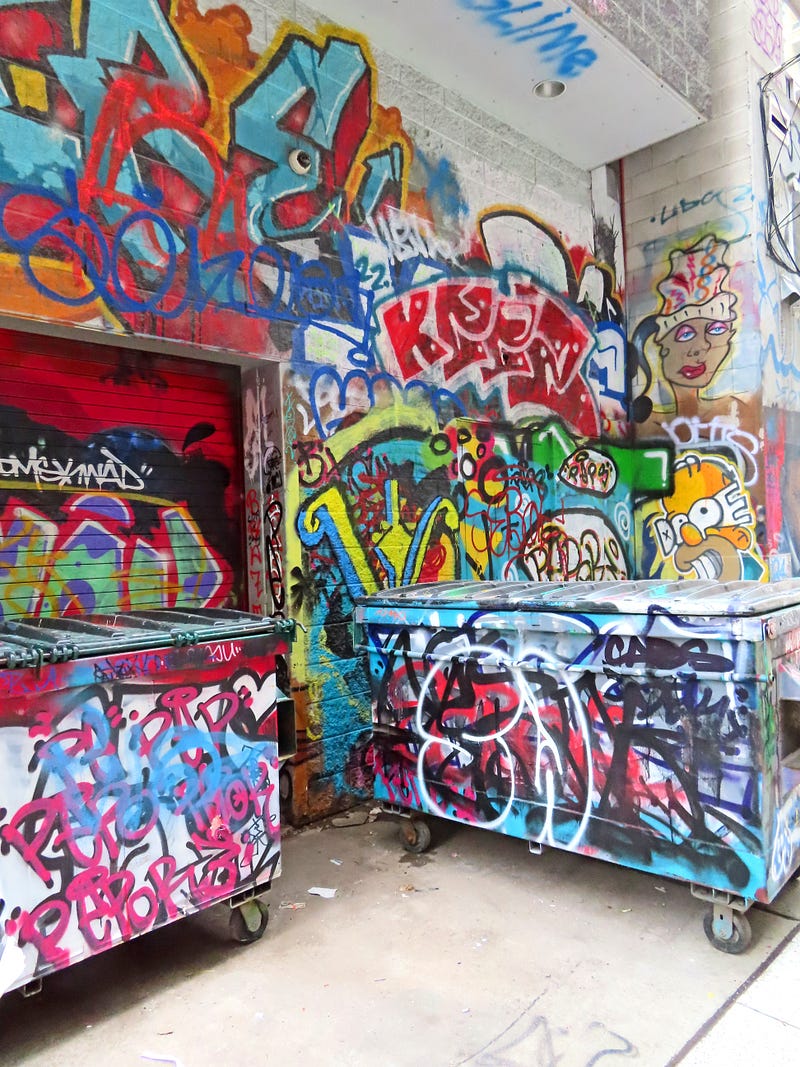
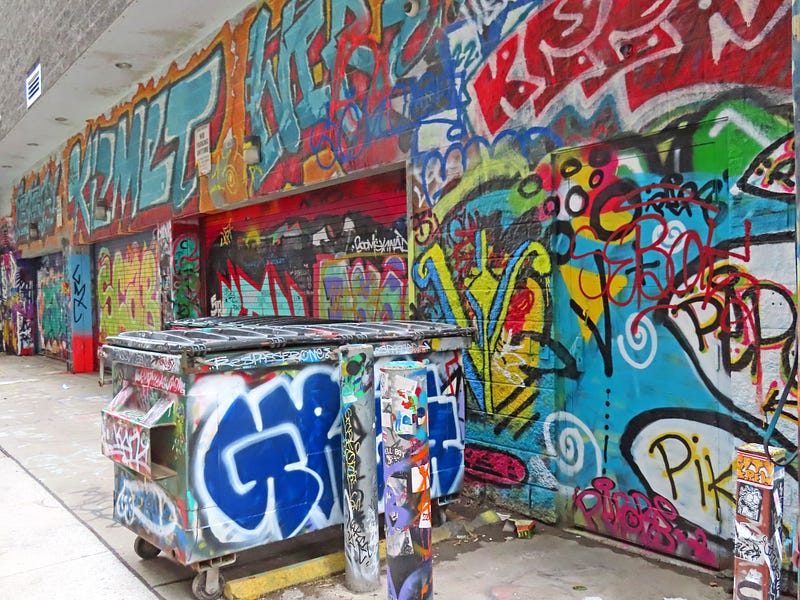
Graffiti Alley is a three-block, one-kilometer-long stretch in downtown Toronto from Portland to Spadina, parallel to Queen Street. And it has been bombed with graffiti, end to end. Some of it is old school but many new-school artists are taking over. It’s a constantly changing canvas.
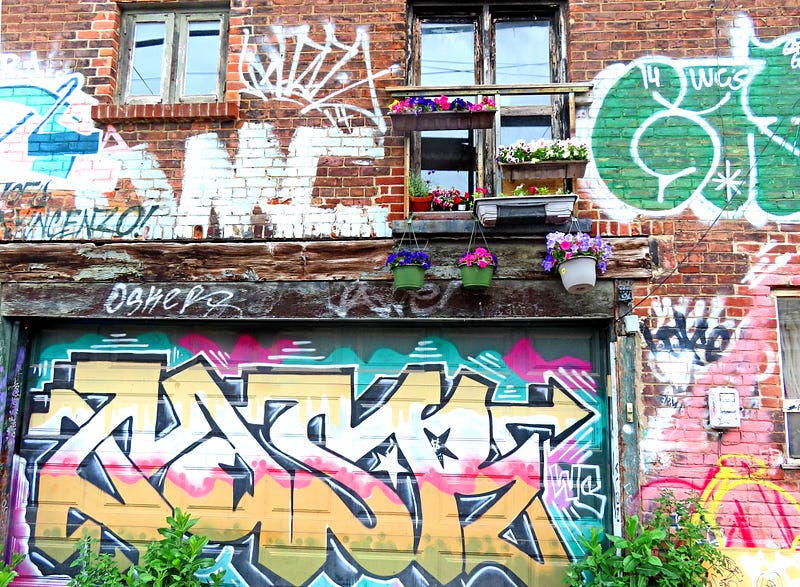
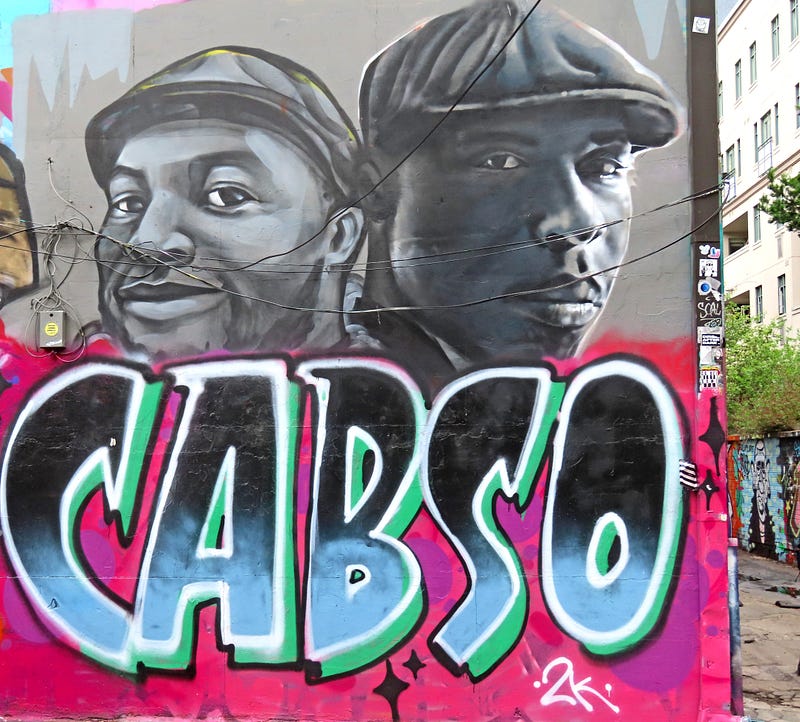

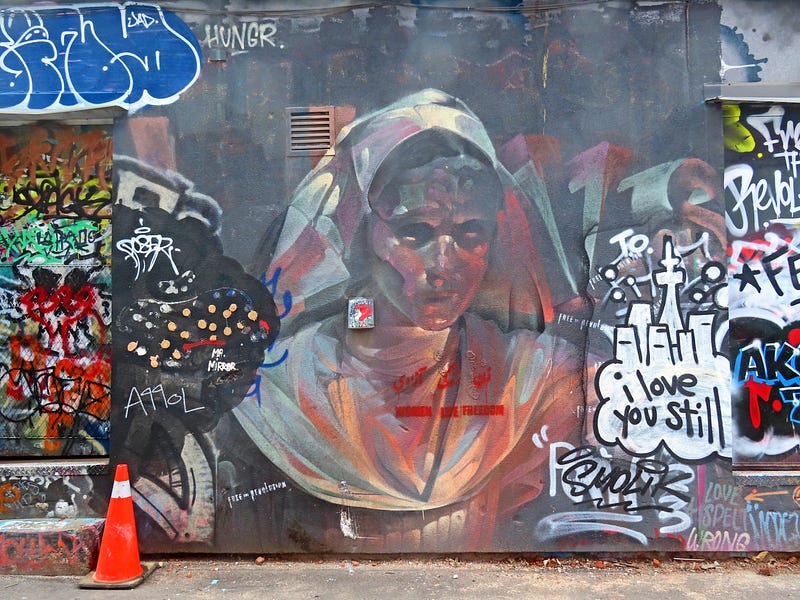
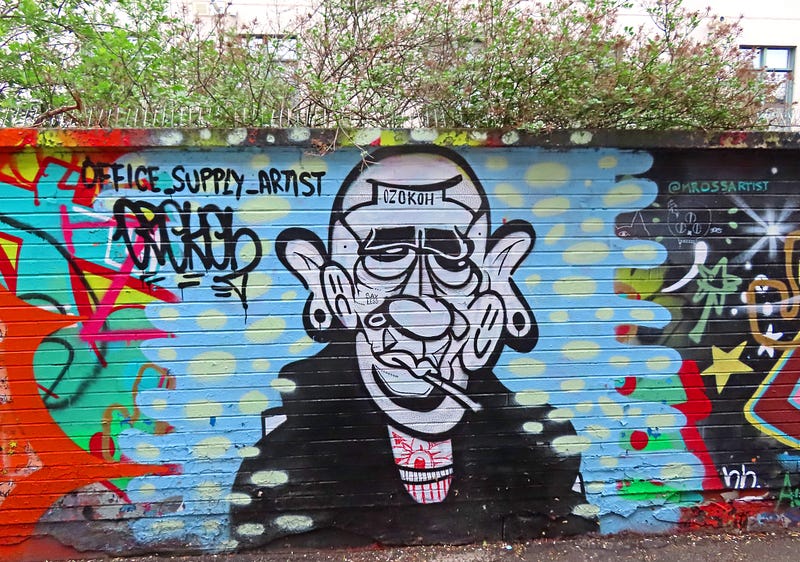
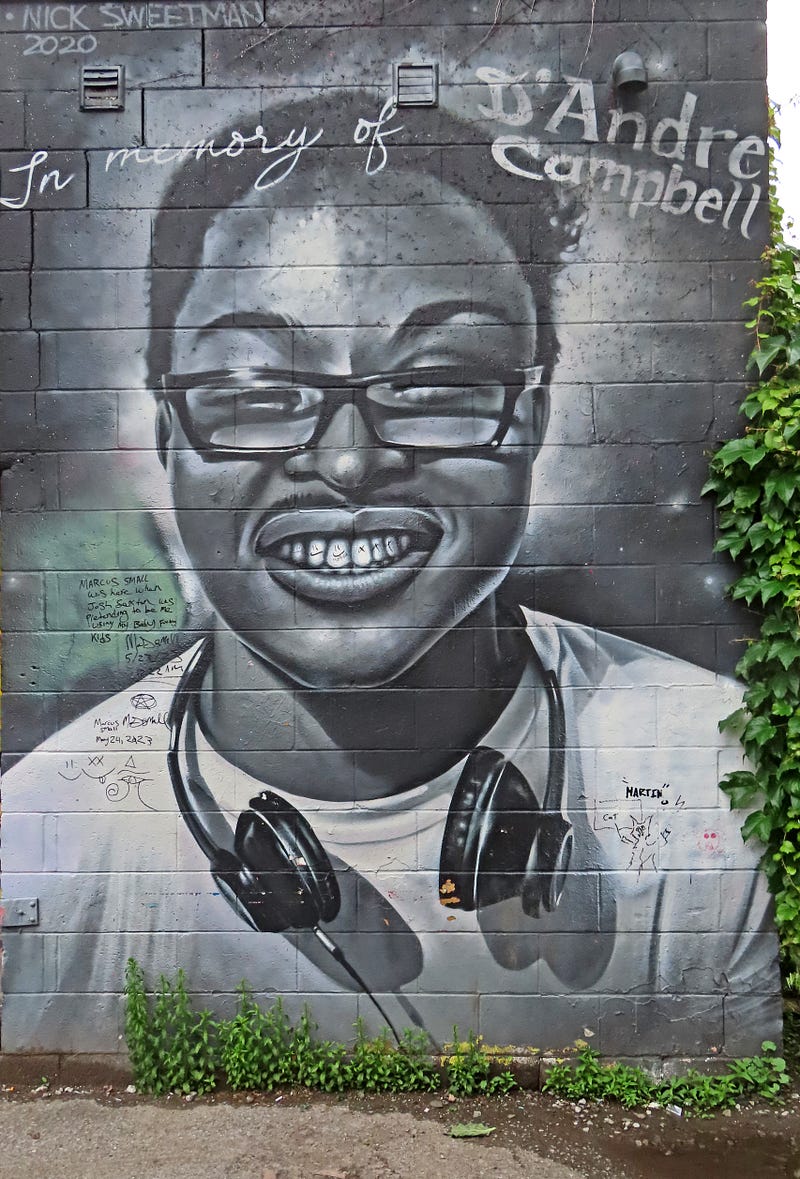
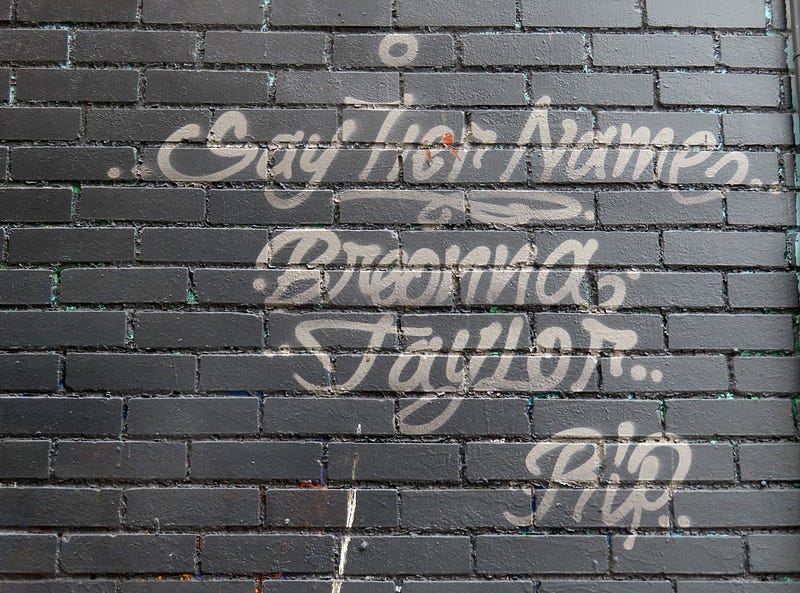
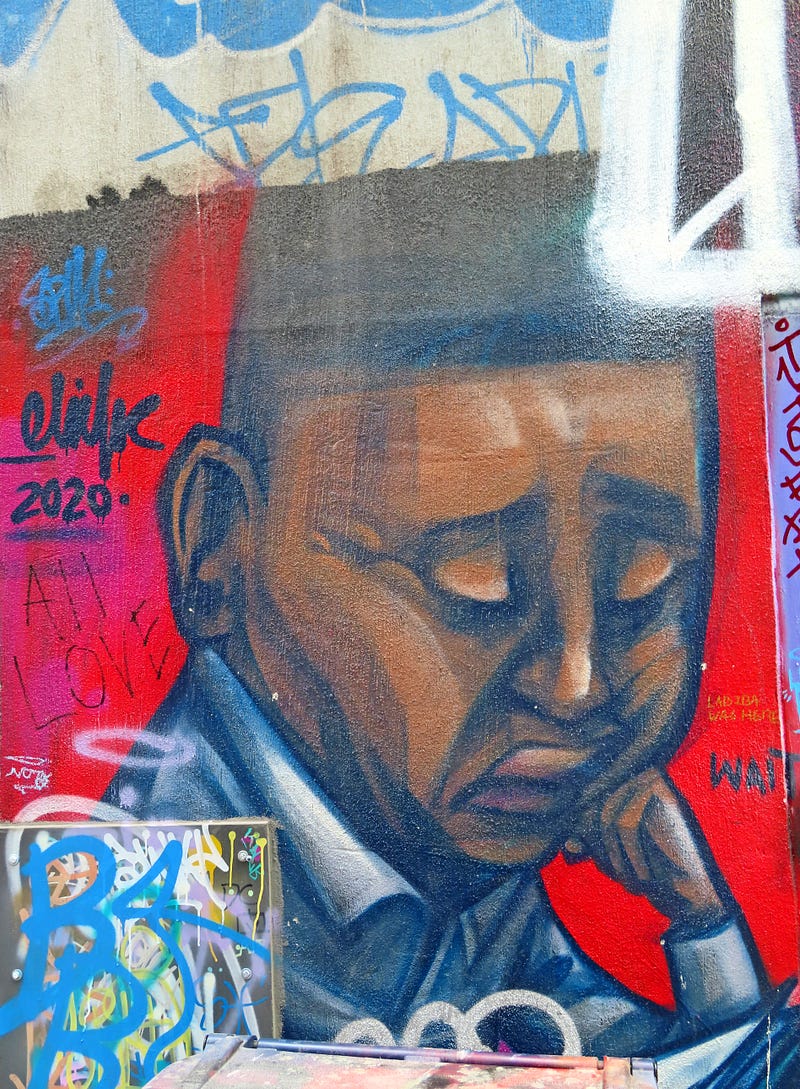
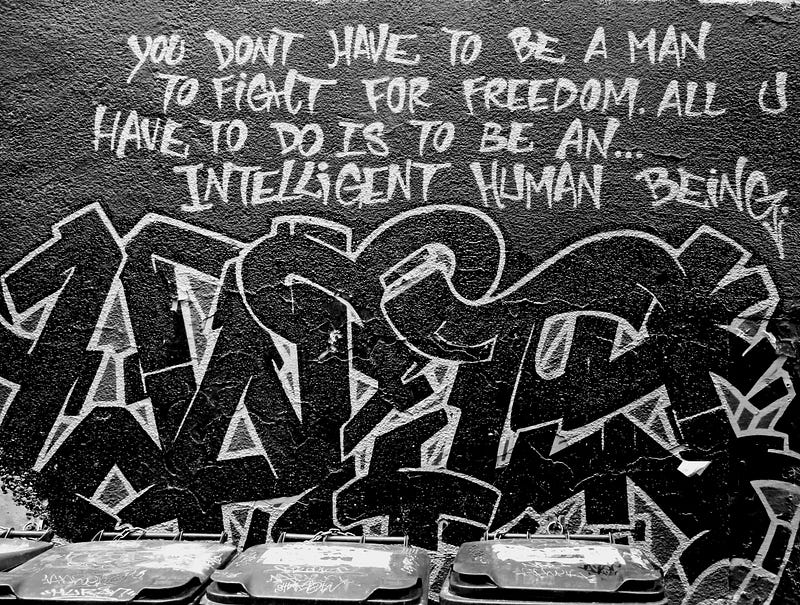
Some artwork is political and some pay tribute to victims of police violence both here in Toronto and elsewhere. The artists' talent highlights their passion for the subject matter.
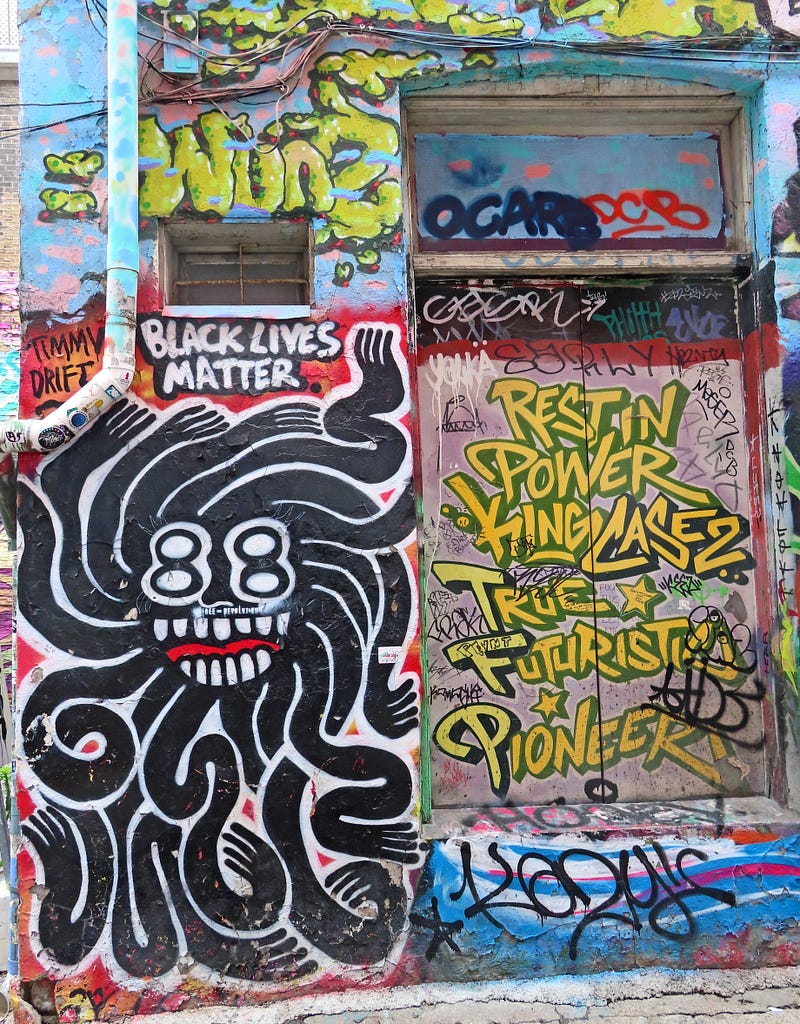
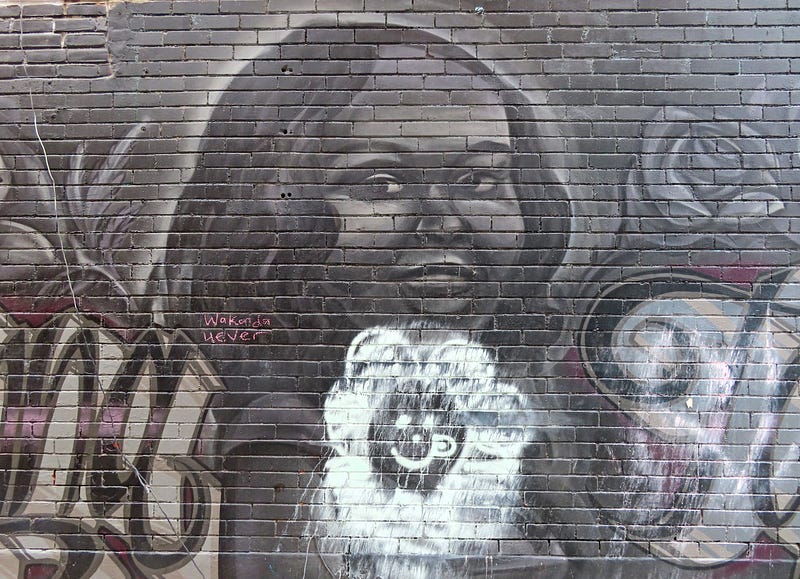
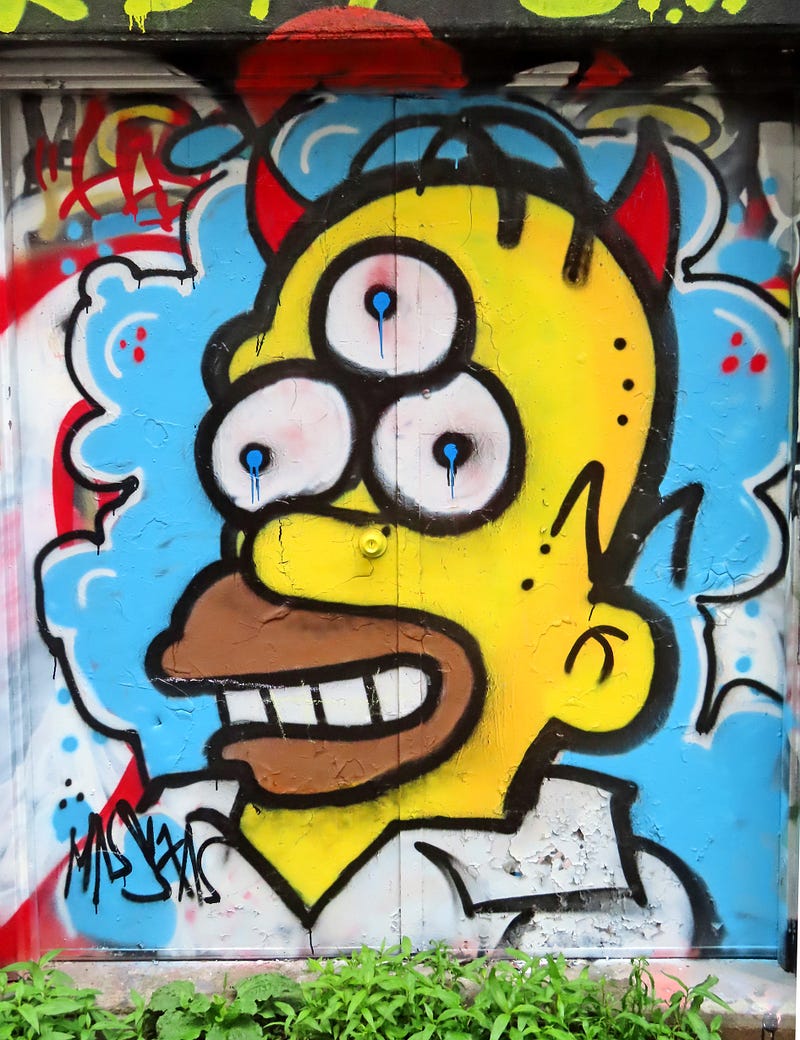
For some artists, graffiti allows them to express their inner demons in a very public visual forum.
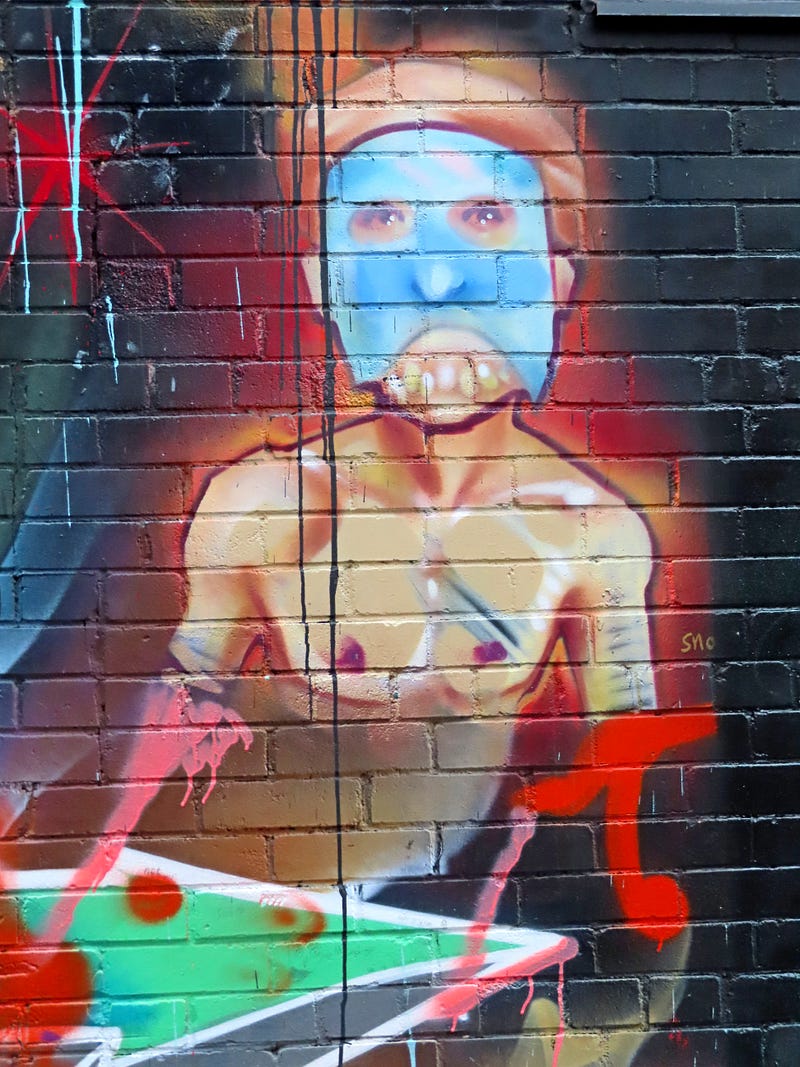
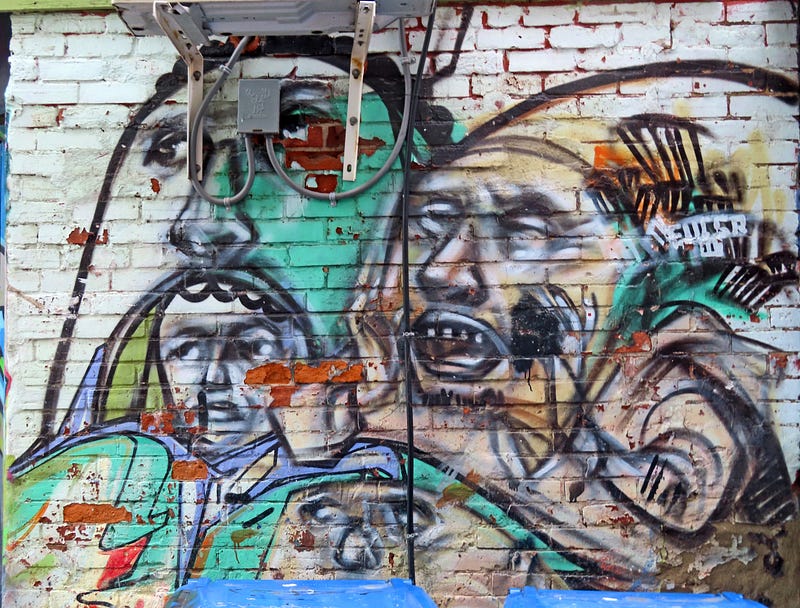
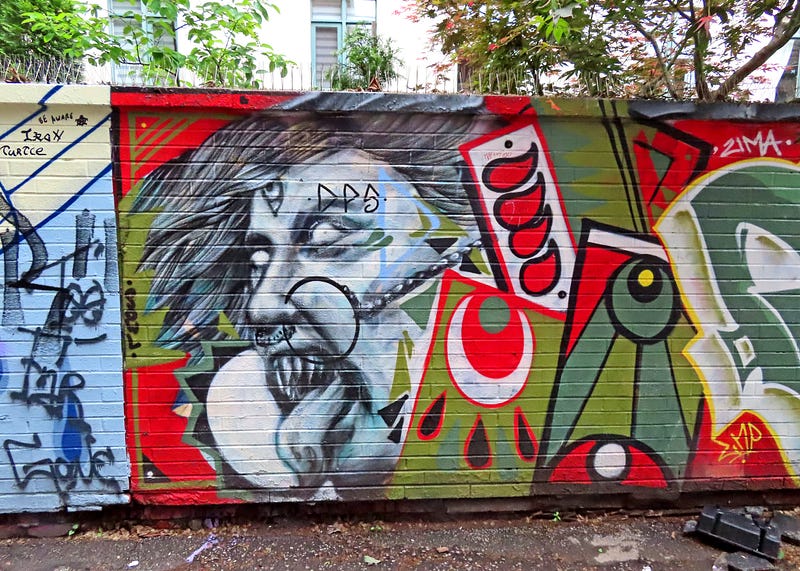
Some artists create colorful magic with their spray cans like one entire building enveloped with a bright, cartoonish underwater scene.
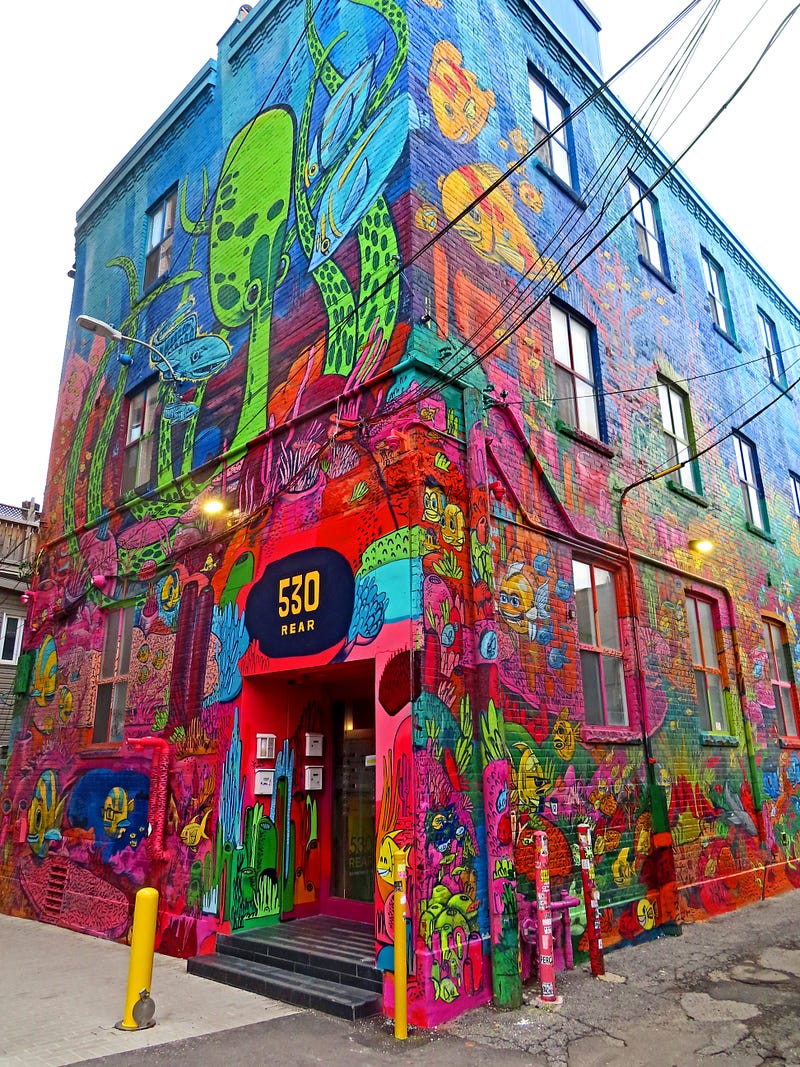
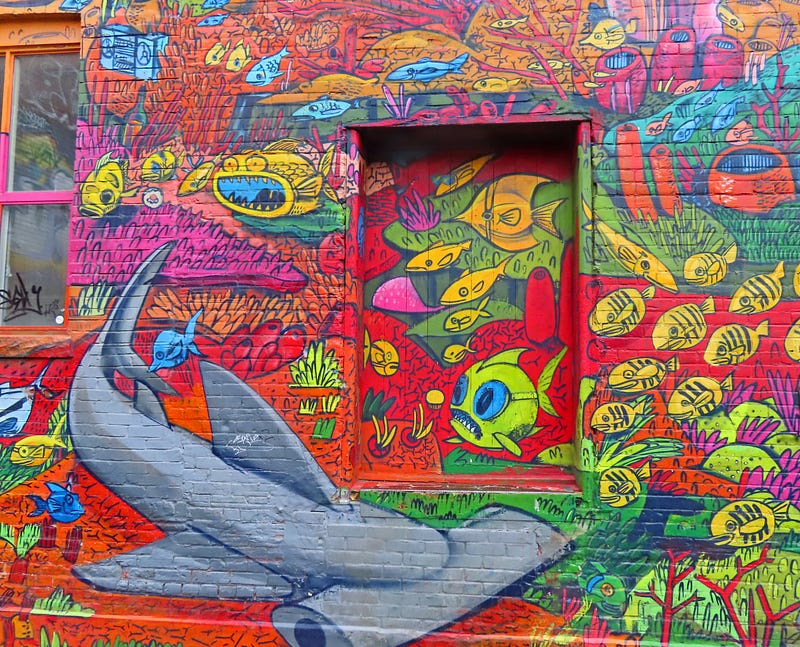
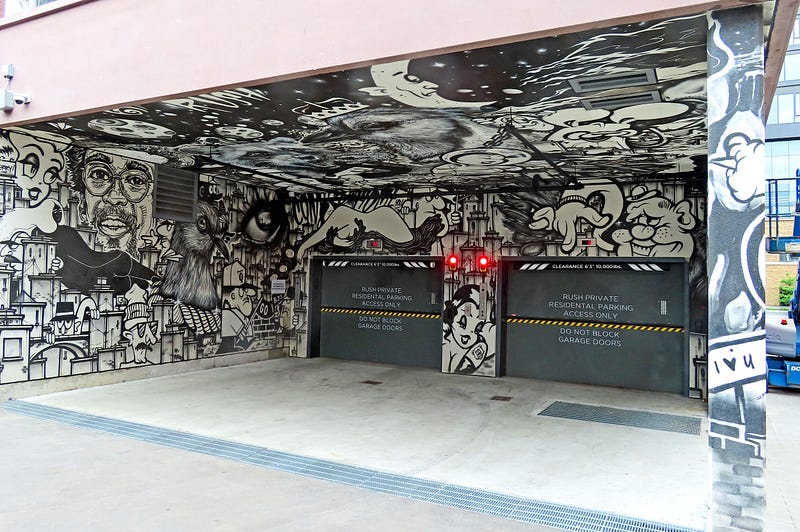
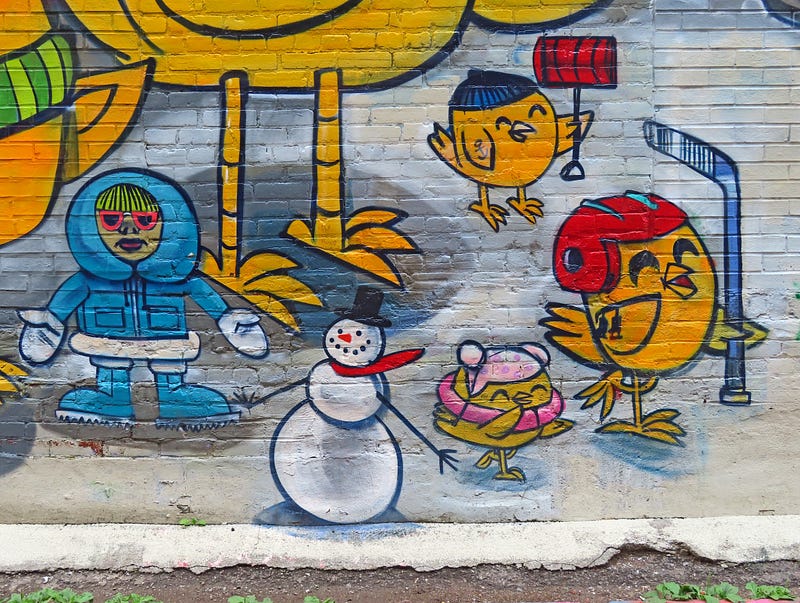
Cartoon characters are always a favorite as well as animals, real or imagined.
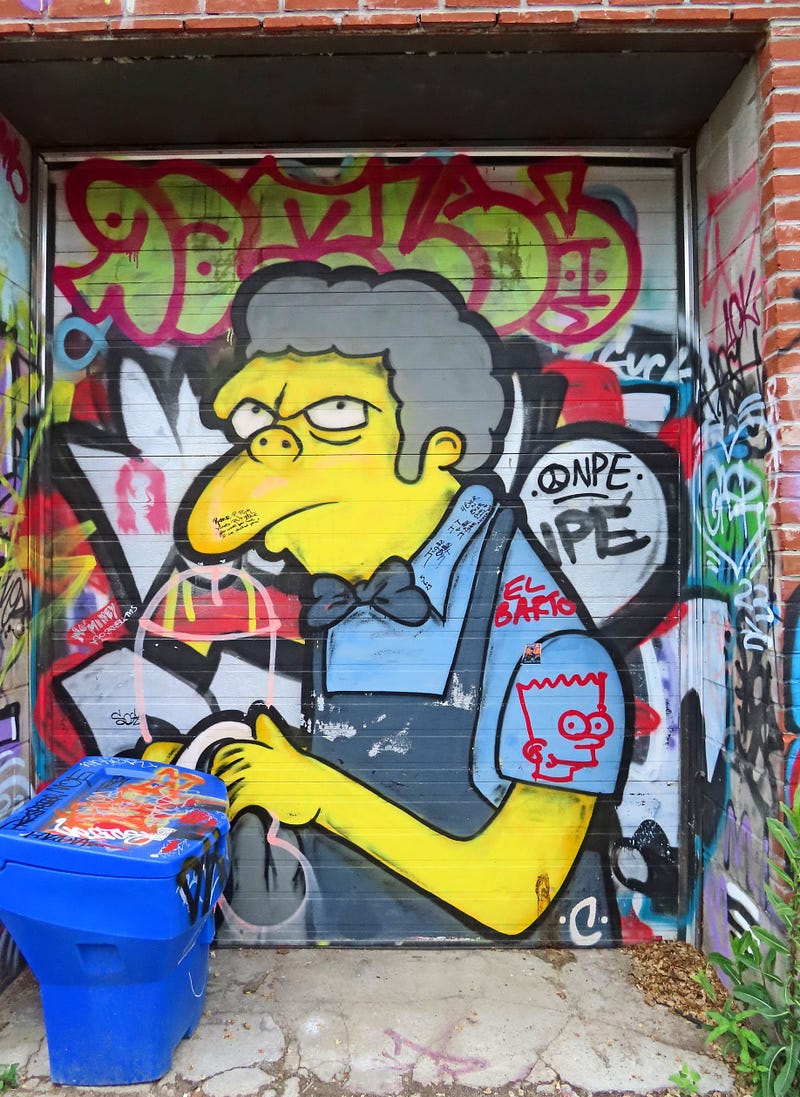
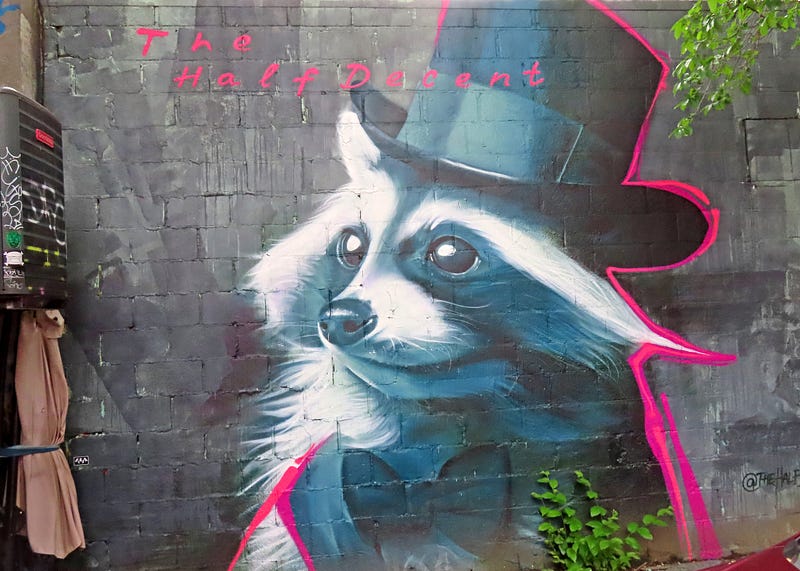
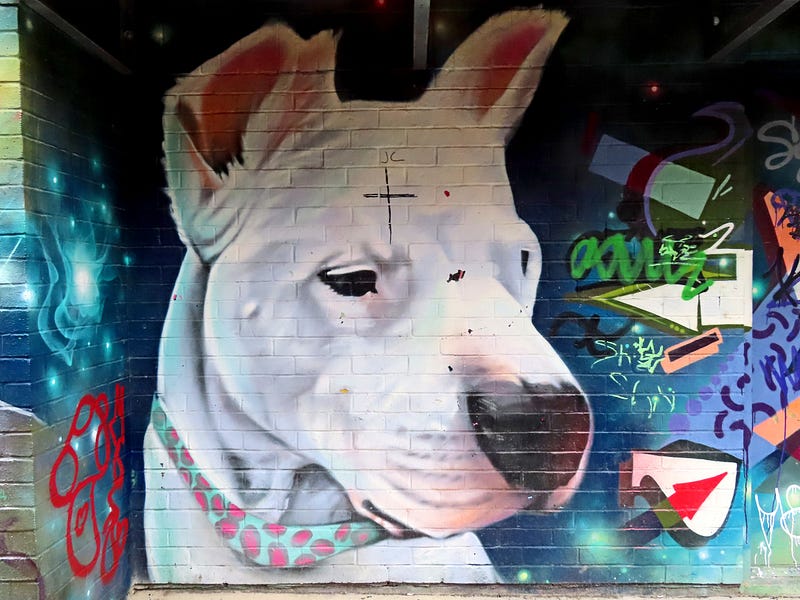
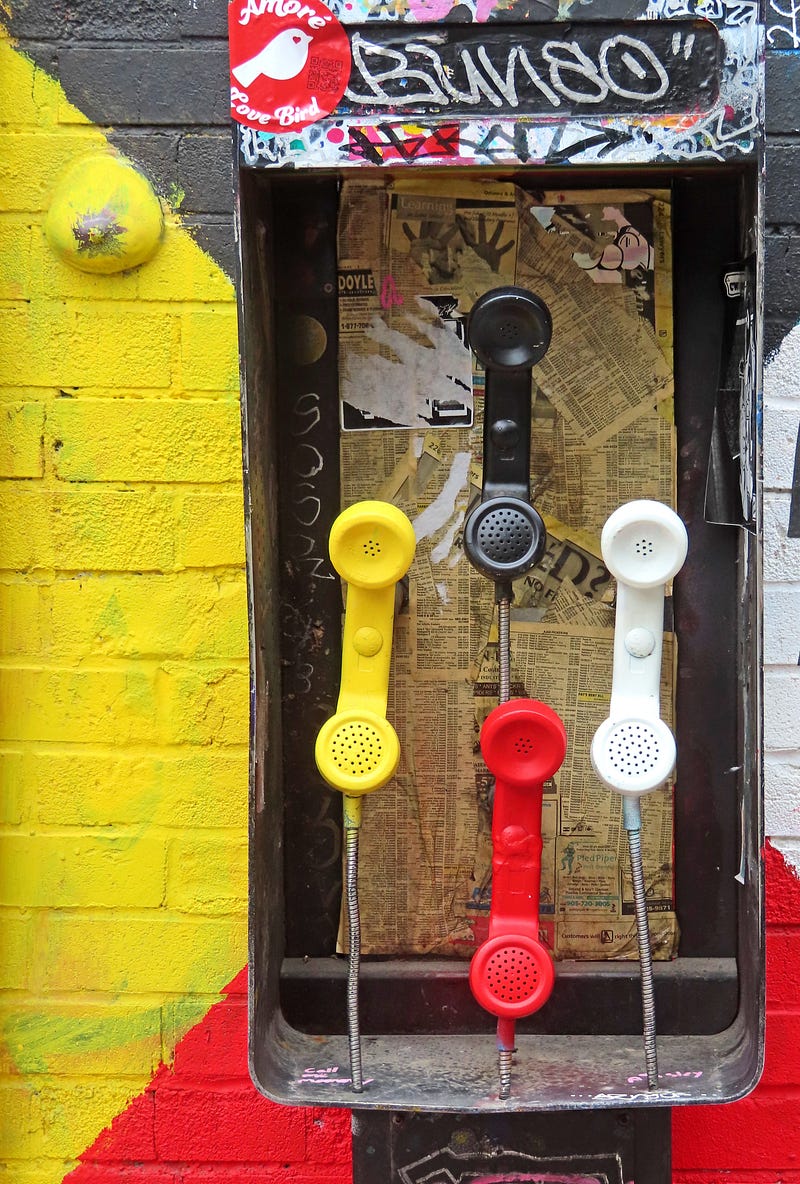
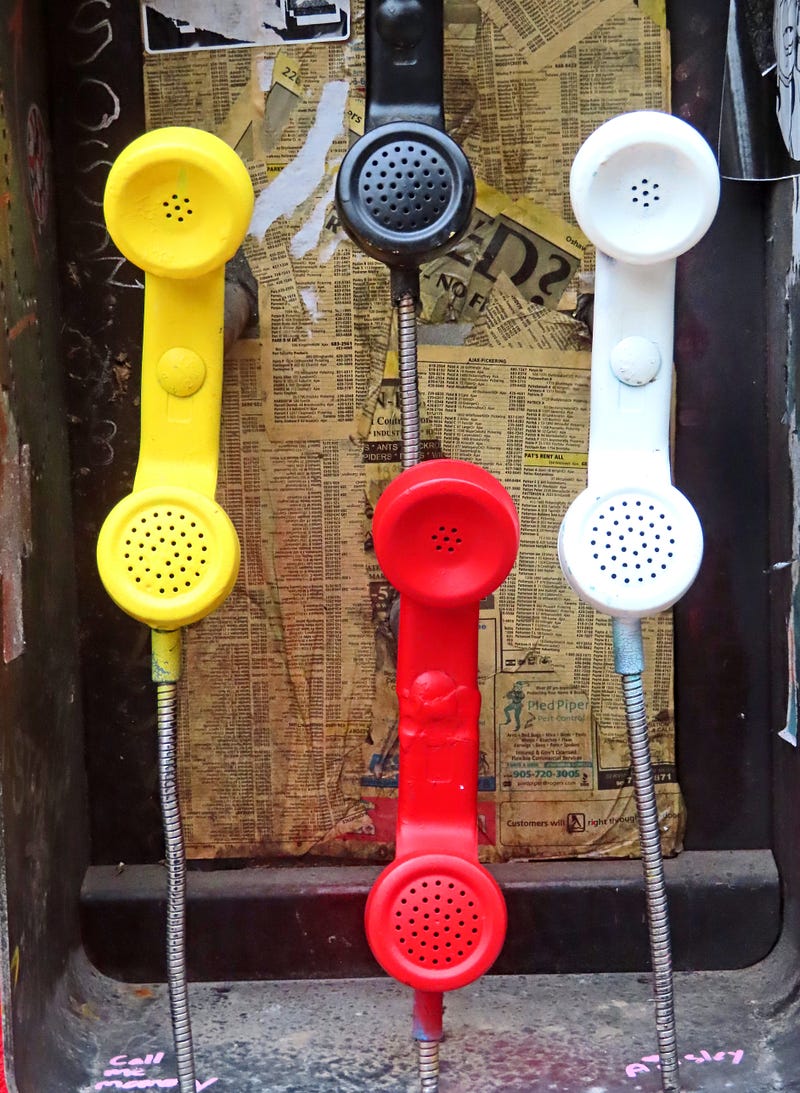
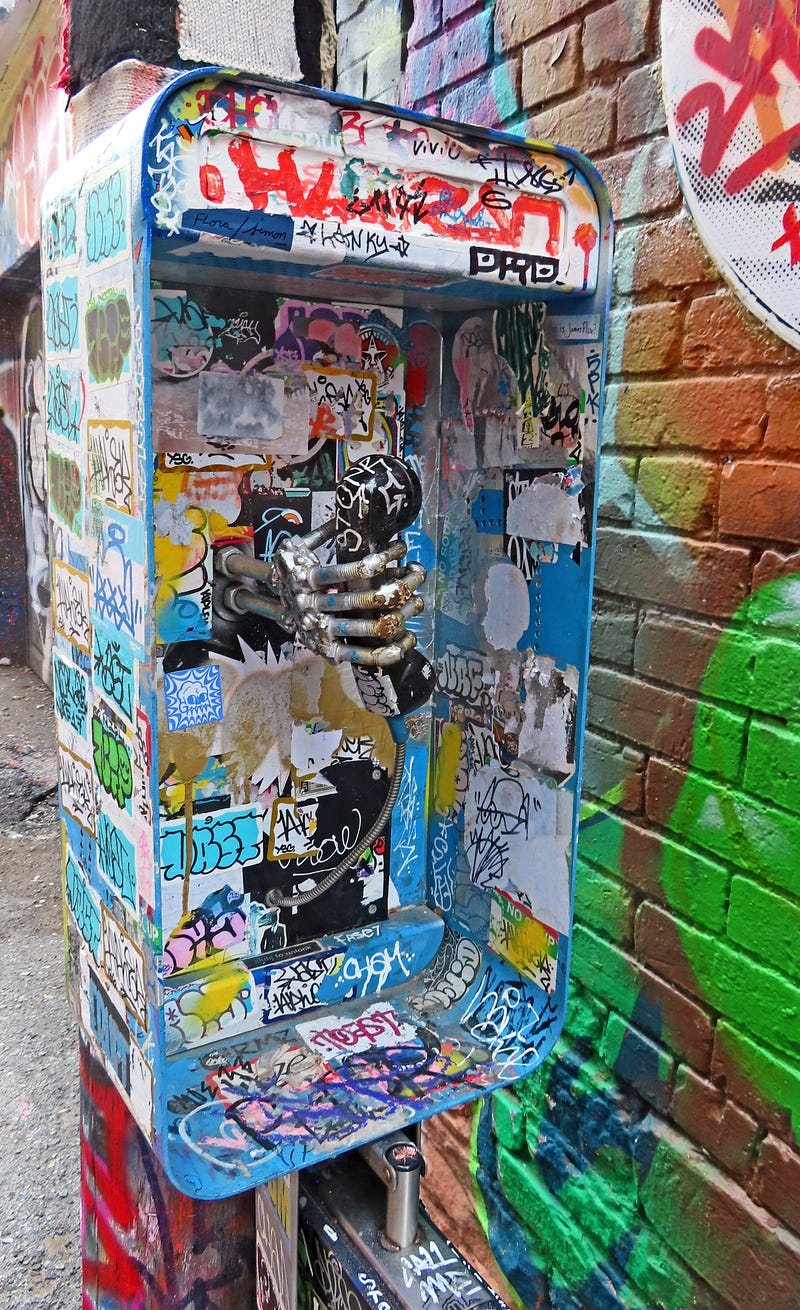
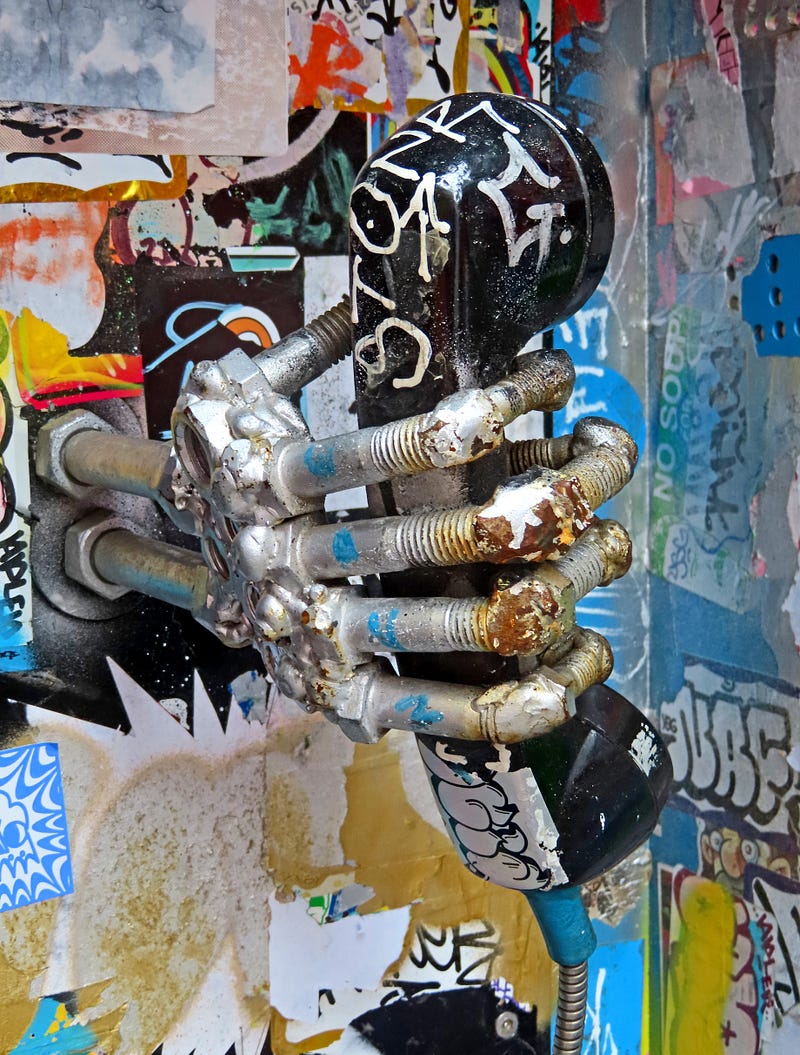
Here in Graffiti Alley even the old-fashioned telephone booth, now decommissioned, has a new use as urban art.
Politicians in the seventies and eighties blamed most inner-city problems on graffiti and vandalism. People were shocked when they would see the photos on the news of NYC subway cars covered in graffiti. I realized then that my artistic tastes were slightly different than most people's because I thought they were the most incredible thing I’d ever seen.
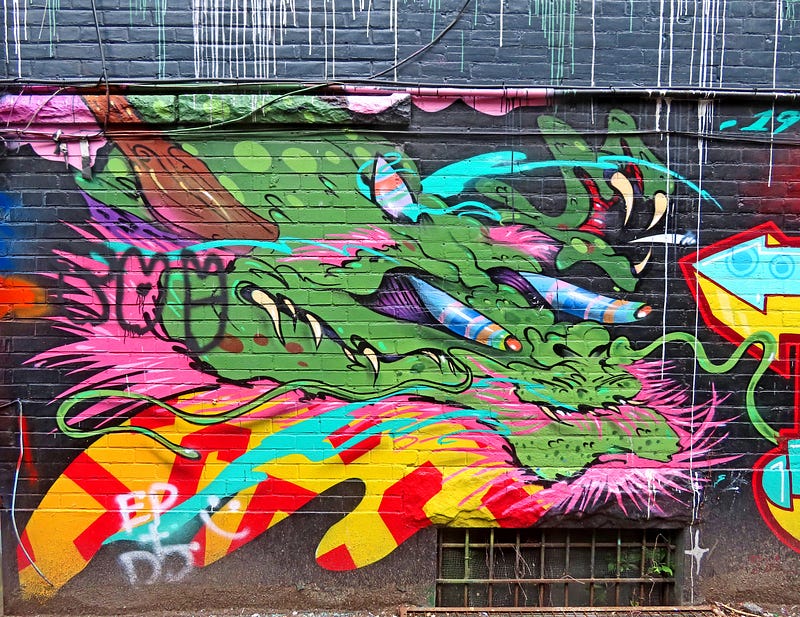
While graffiti and street art used to be considered evidence of a decaying neighborhood, today some cities now recognize it as the spark for revitalization.
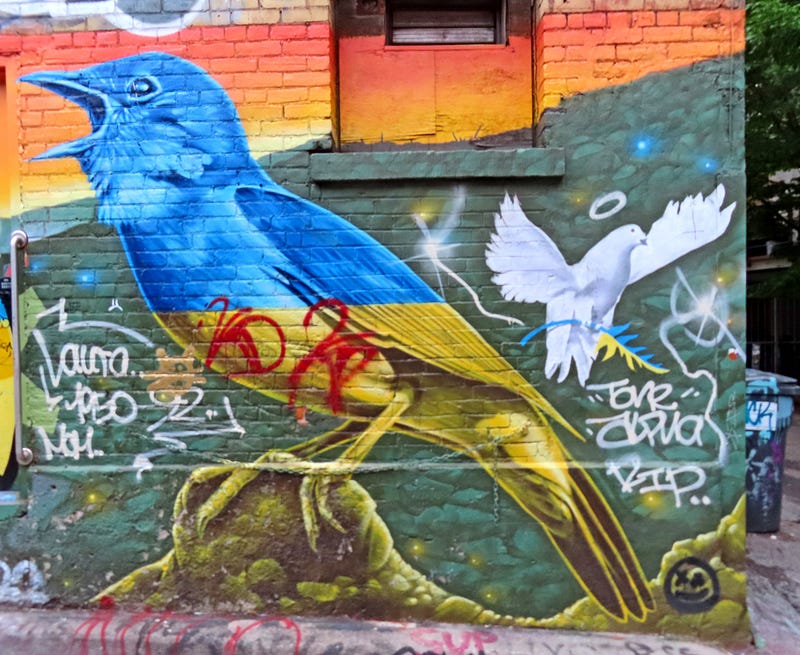
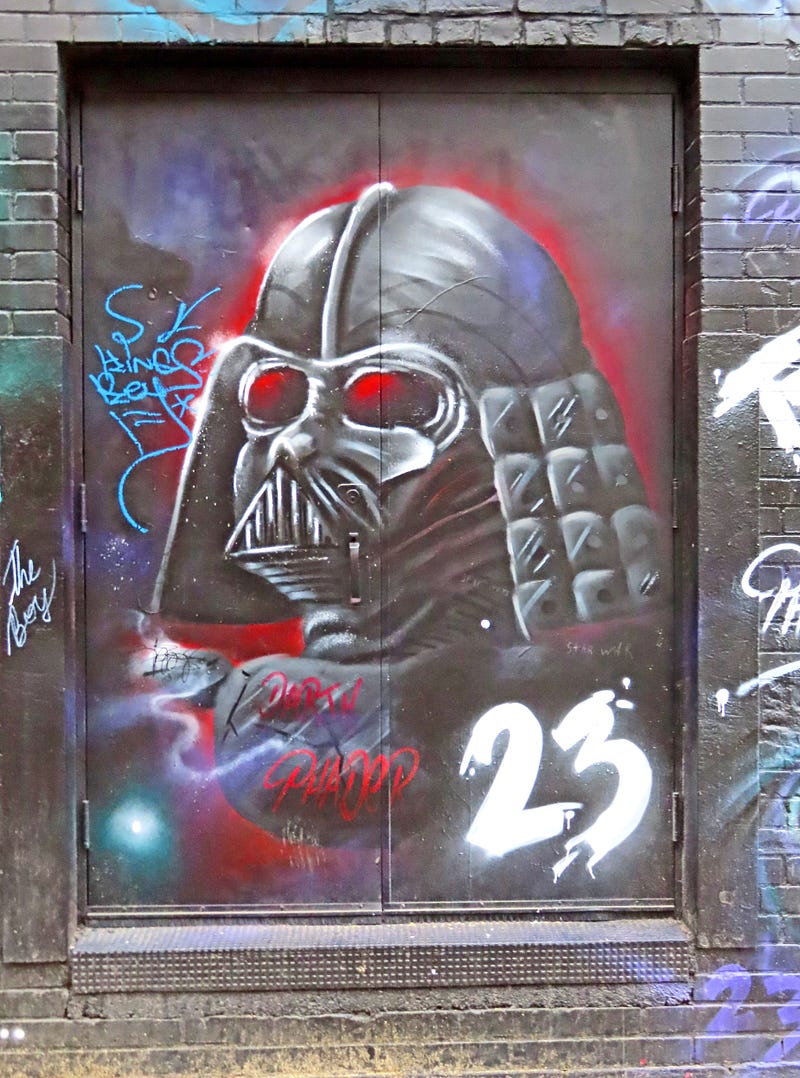
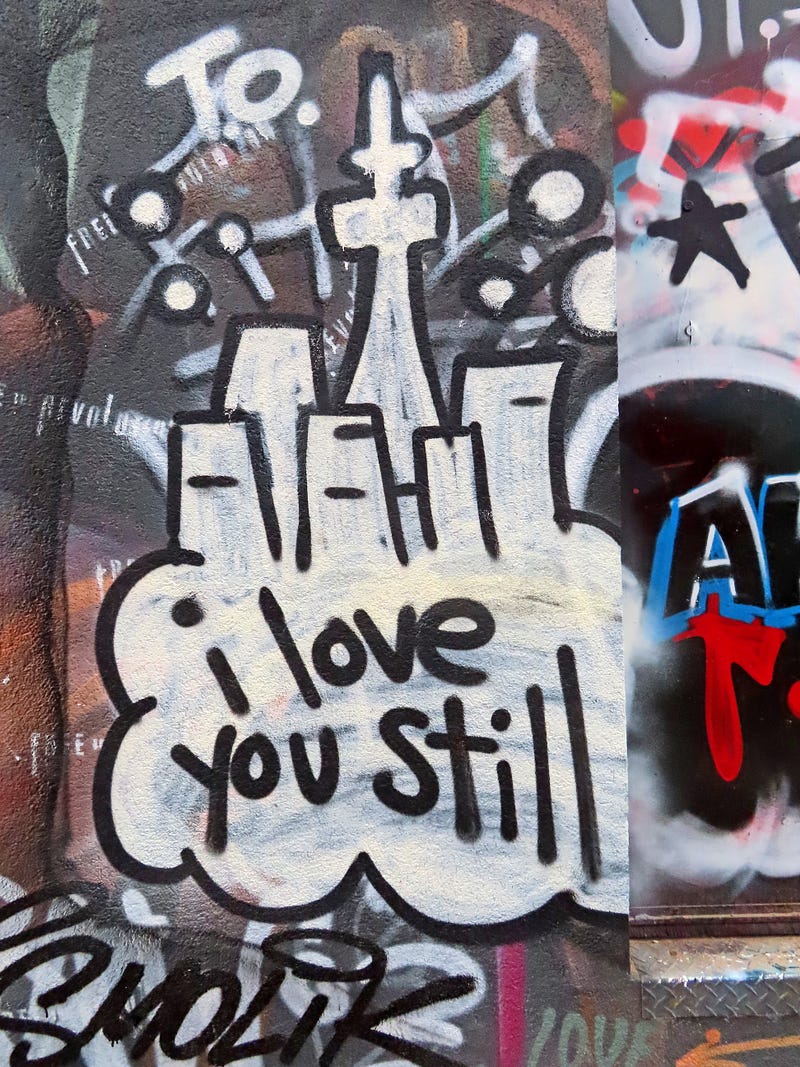
Toronto now has a vibrant street art scene displaying graffiti and murals. I can’t go anywhere without my camera capturing new work that has added color to an otherwise drab and monotonous streetscape.
But it wasn’t always like that.
When I grew up, graffiti in street art was seen as a symbol of urban decay. I rarely saw it growing up on Canada‘s prairies. That was in the seventies, a time when newspapers and televisions were obsessed with the downfall of New York City.
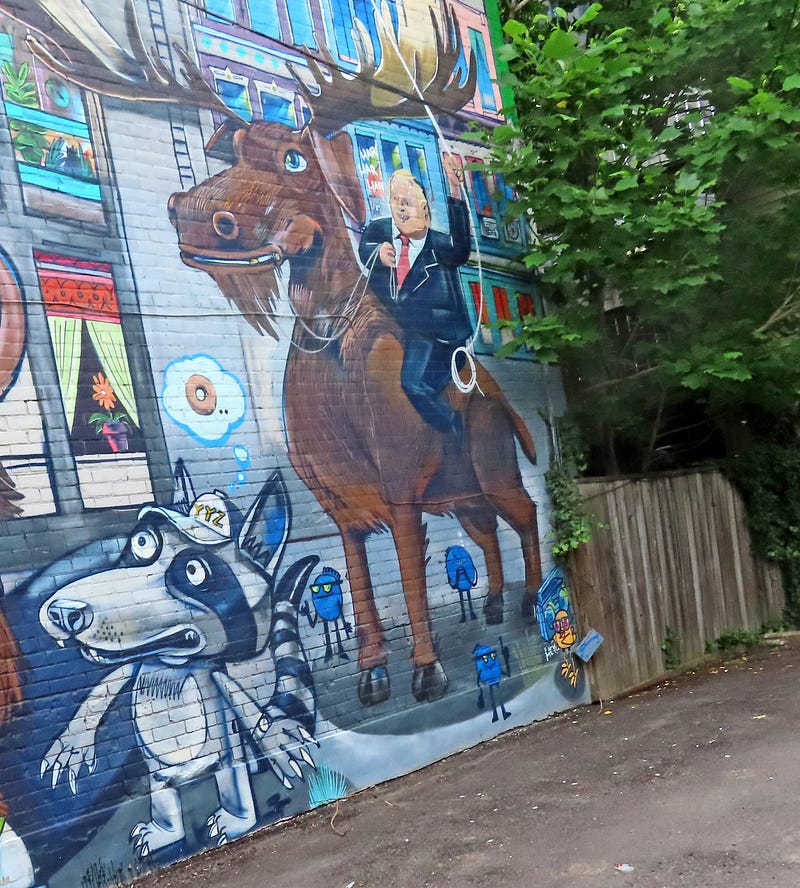
In 2005 Toronto politicians cracked down with tough laws against “graffiti vandalism” which also made it illegal for someone to allow graffiti to be created, even on their property. But that only inflamed and inspired the street artists. And sometimes those politicians were depicted in the art.
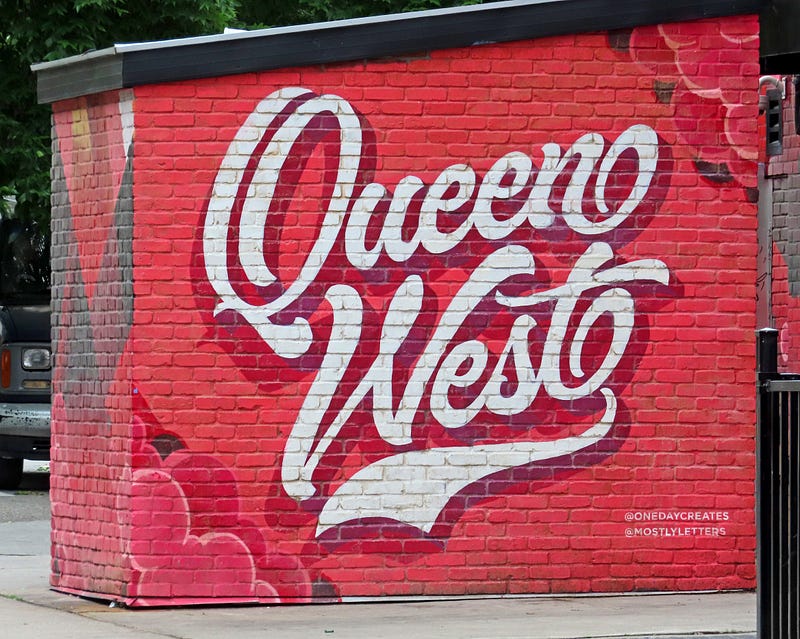
The Queen Street West neighborhood has been Toronto’s Center of creativity. It’s the city’s entertainment district, fashion district, and arts neighborhood. So it’s not surprising that street artists found their workspace and gallery under the cover of night in an alleyway behind the storefronts.
Toronto cracked down in 2005, making it not only illegal for someone to create graffiti, but for anyone who allows graffiti on any property including their own. I followed the debate closely partly because I worked at a famous television station in the Queen West neighborhood. I also lived there and had friends who were a part of the street art scene.
In 2011 the Queen Street West BIA (Business Improvement Area) won its fight to declare Graffiti Alley as an area of “municipal significance.” The aim was to decrease graffiti vandalism in other parts of the city by giving artists a place to show off their work. Graffiti Alley has attracted some of the world’s best and most famous street artists.
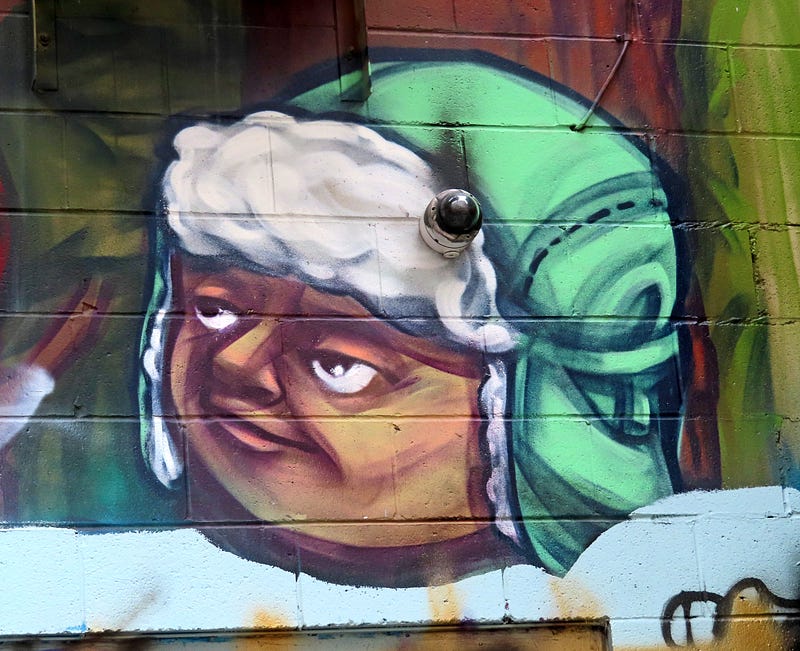
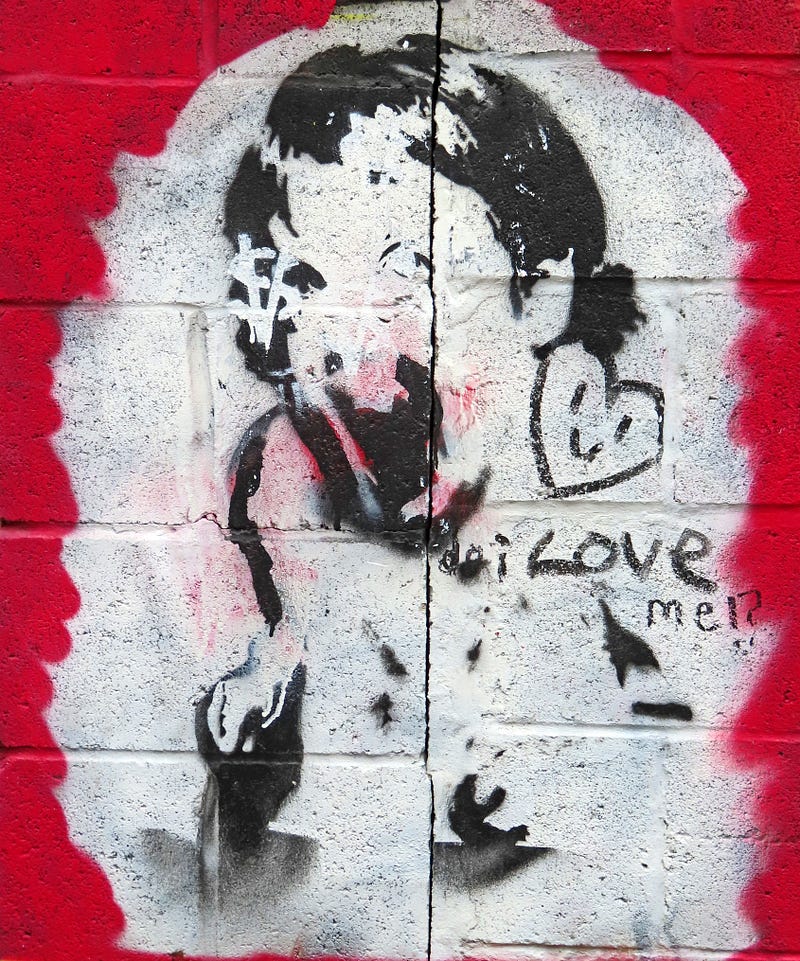
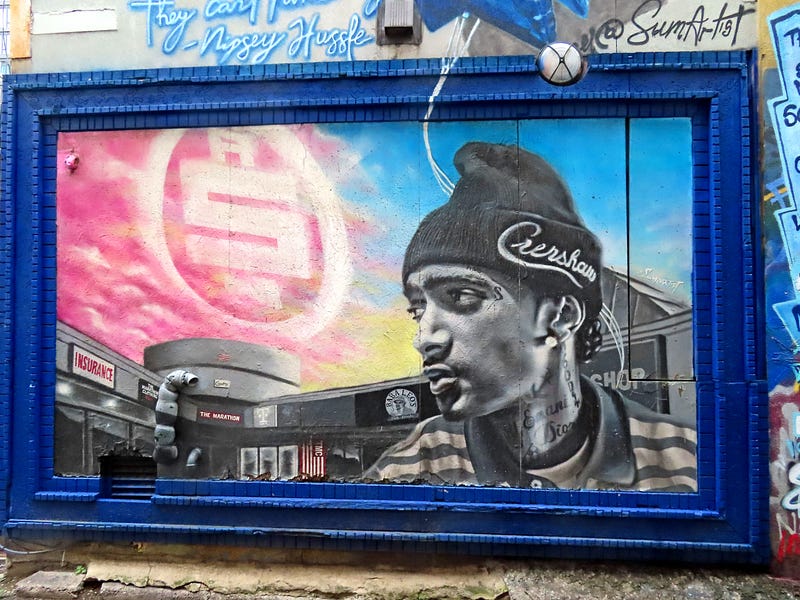
They blanket the exposed brick, the wood fences, and the metal garage doors, as anything with a surface becomes a canvas for their work. Their tool of choice is/was/and always will be the spray paint can.
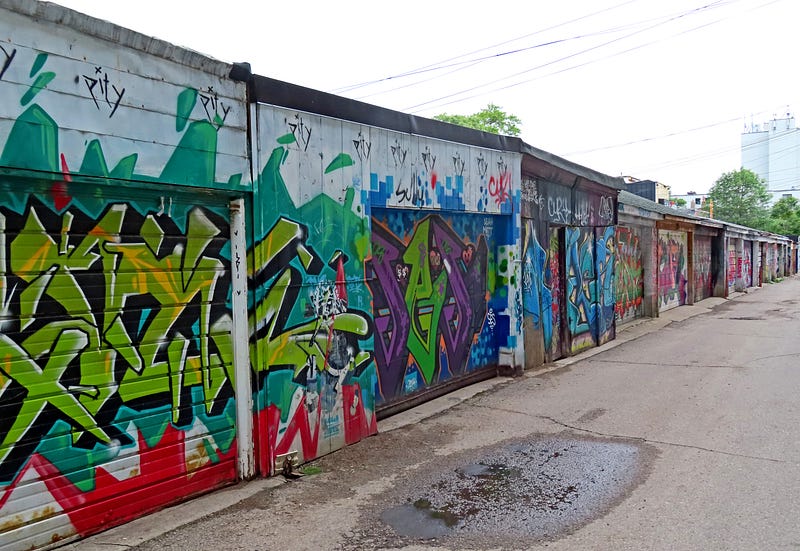
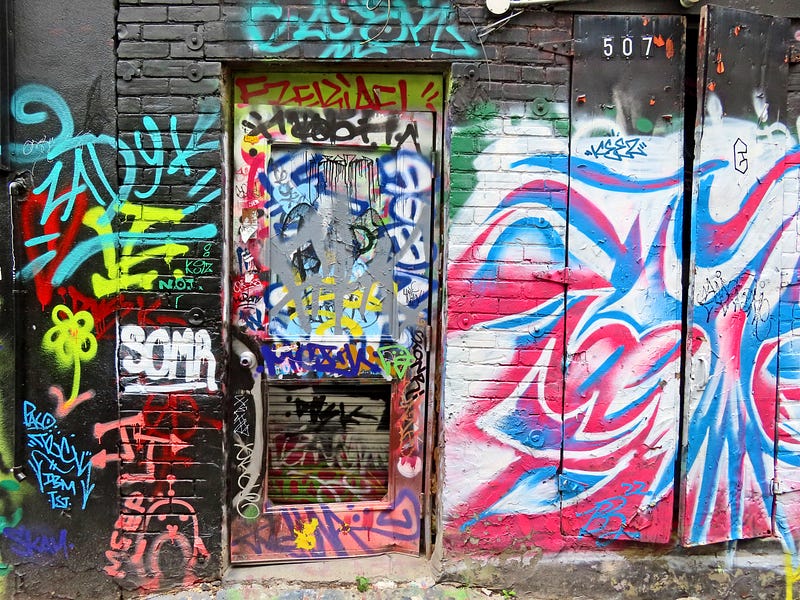
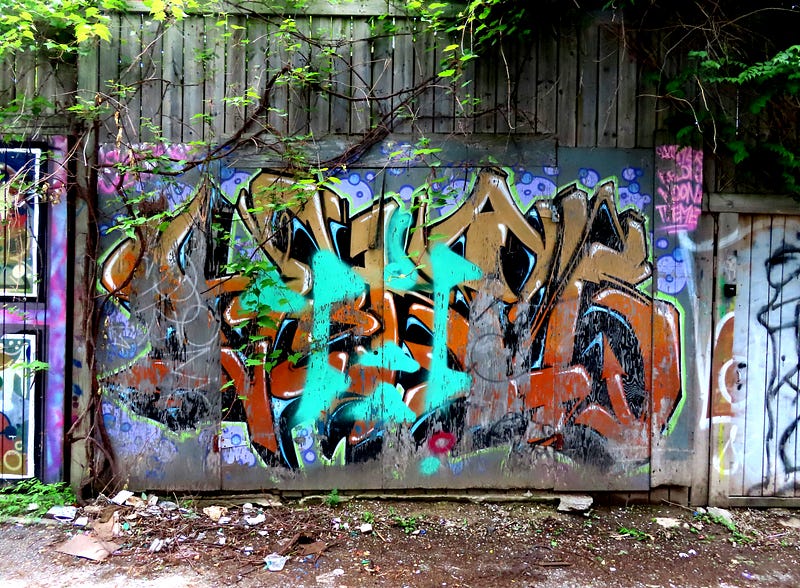
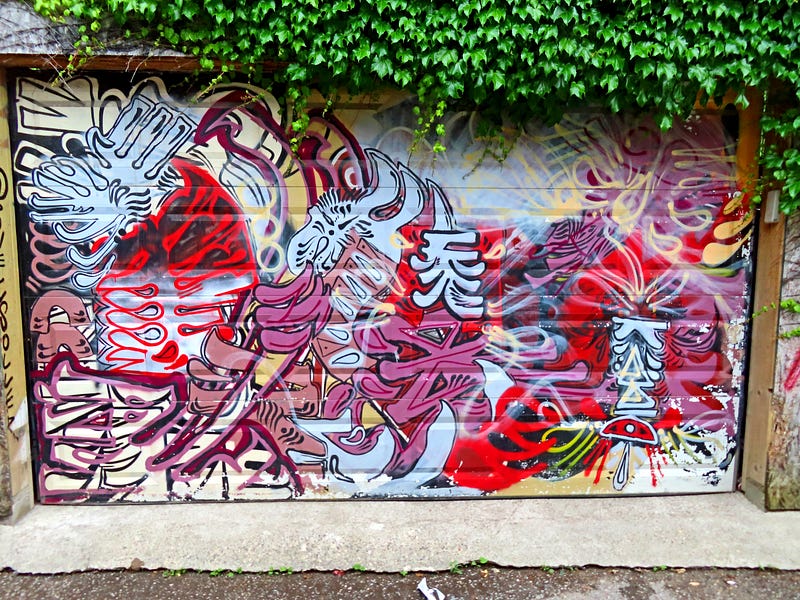
Graffiti Alley has spawned a renaissance of street art throughout the entire city. But many cities around the world have now embraced street art. Some of its creators have become rich and successful or at least famous. Artists like Banksy, Keith Haring, Jean-Paul Basquiat, Eduardo Kobra, Lady Pink, and Canadian artist Richard Hambleton, who has been called the Godfather of street art.
But the art itself will never lose its subversive edge. It’s a reflection of the issues society faces each generation, through color, graphic design, and art.
The price to share your message is a can of spray paint and the courage to leave your mark.
Thank you for reading. Here’s a story I wrote about some of the street art I found in Marseille.


