
TIDBITS, A SERIES ON “DID YOU KNOW?” FACTS
Top Ten Archeological Discoveries
Mysteries that continue to baffle scientists
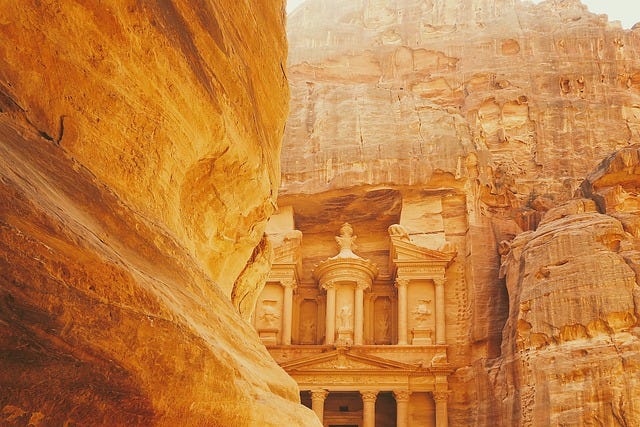
Archeology is the study of human history and prehistory through the excavation of sites and analysis of artifacts and other physical remains. (Oxford Languages)
In another life, I would return as a world-renowned archeologist. I hope you enjoy the amazing sites below.
Did You Know the Top Ten Archeological Sites in The World?
1. Pompeii
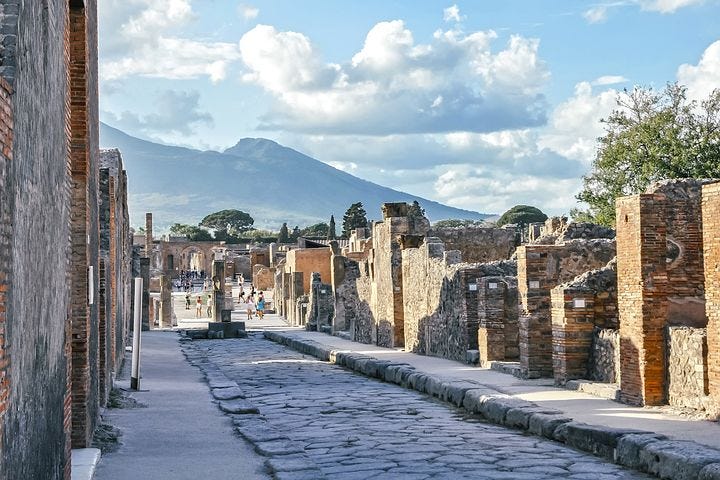
The devastating volcanic eruption of Mt. Vesuvius in 79 AD buried the ancient Roman city of Pompeii. All the people were killed and the treasures of the city were buried air-tight (without moisture). Because of this, all objects and cadavers (human corpses) remained intact for thousands of years.
2. Tutankhamun’s tomb
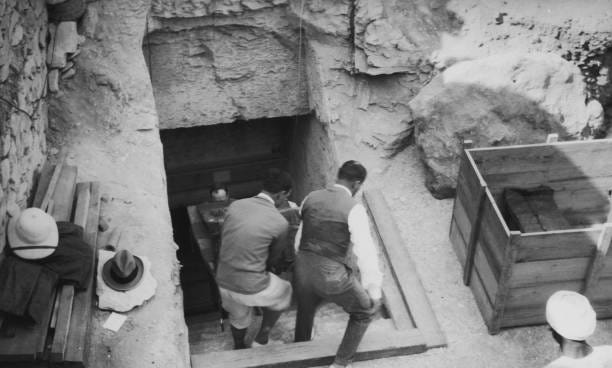
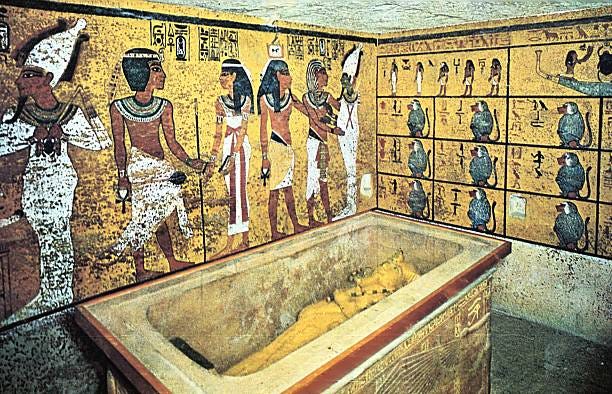
The tomb of King Tut (Tutankhamun) was discovered in 1922. It was discovered fairly intact (in excellent condition) in the Valley of The Kings. The tomb held over 2,000 pieces of valuable antiques. Most of these artifacts are now housed in the new GEM, Grand Egyptian Museum.
The Valley of the Kings held the most famed pharaohs and elaborate tombs. It is located on The Nile River’s left bank in Luxor, Egypt.
They believed that to enjoy an everlasting afterlife, a Pharaoh's treasures of gold and precious stones should be buried with him. Pharaohs were also buried with many carved, mummified servants to care for them. The servants were carved in great detail to show what their job was in the afterlife.
Special Note: I lived and taught school in Cairo, Egypt, for three years between 2014 and 2018.
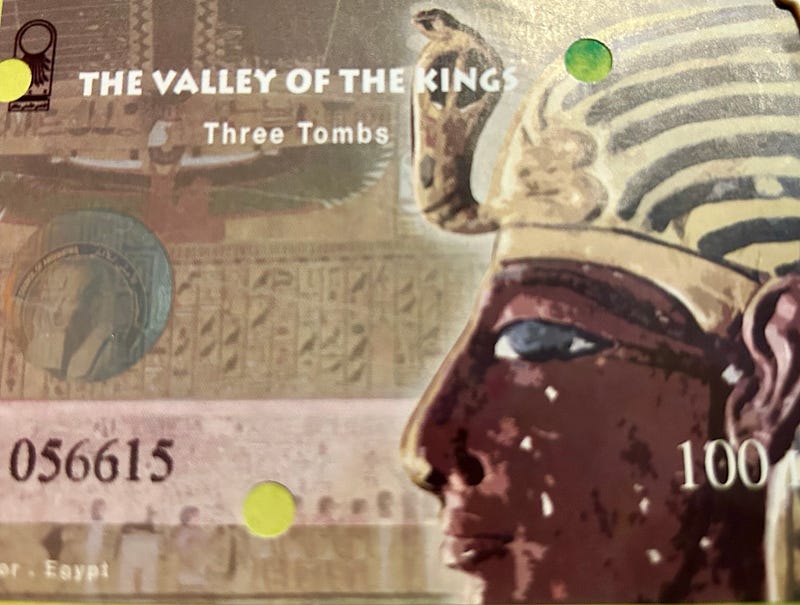
In 2015, I took the Nile Cruise to Luxor and visited the Valley of the Kings. Below are two pictures from that trip.
Ticket To Valley Of the Kings
Luxor Statue
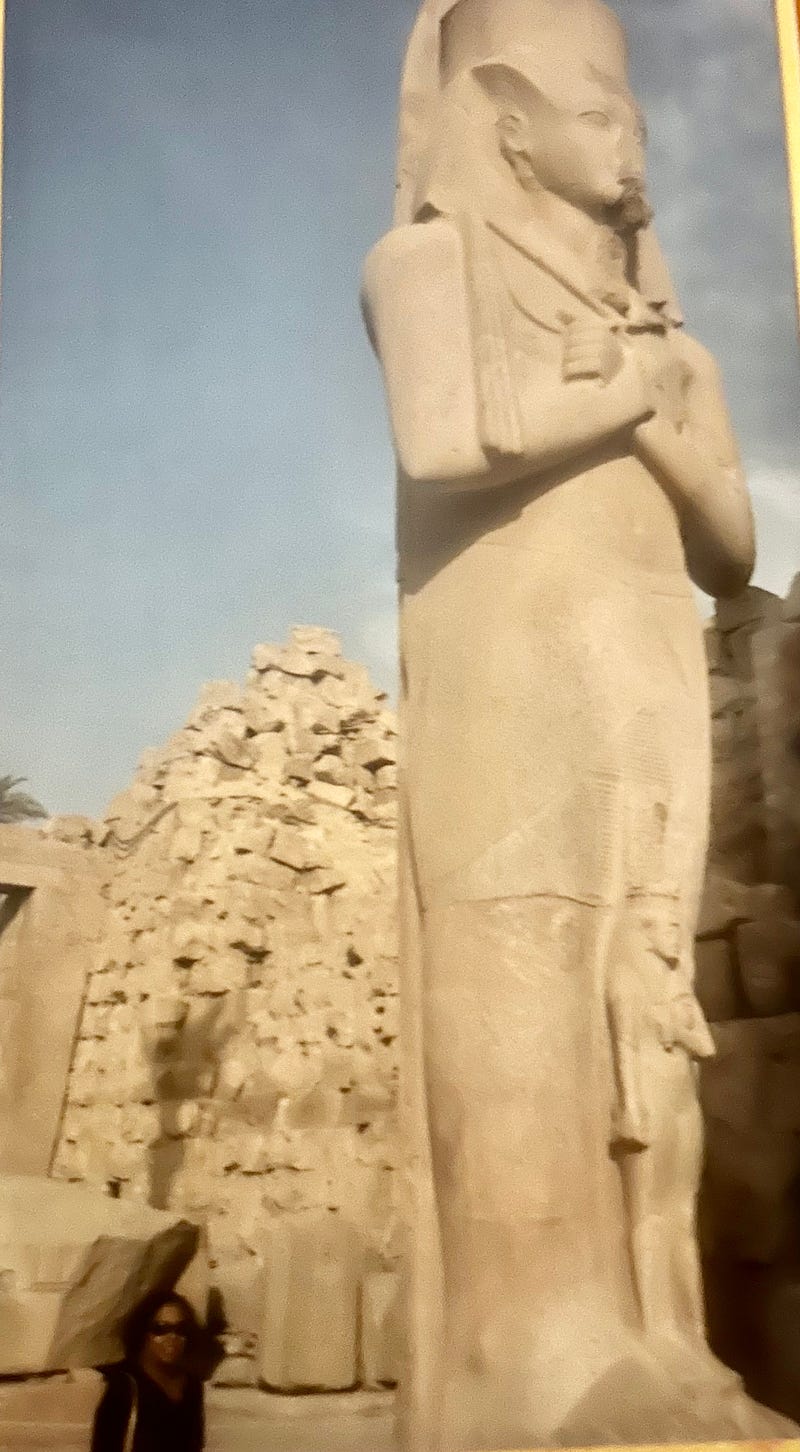
I included this picture to show the enormity (extreme scale/size)of the statues in Luxor. In the bottom left corner, I am standing beside the statue.
I won’t begin to talk about how fascinating this trip was, or the article would go on forever. However, if you visit Egypt, please be sure to visit Luxor, with its rich archeological history.
Special Note: Before retiring, I checked off a huge goal on my “Bucket List.” That goal was to teach in another country. I lived and taught school in Cairo, Egypt, for three years. The following articles tell the story of my time there in pictures and words.
Living in Cairo, Egypt — Part One
Living in Cairo, Egypt — Part Two
3. Rosetta Stone
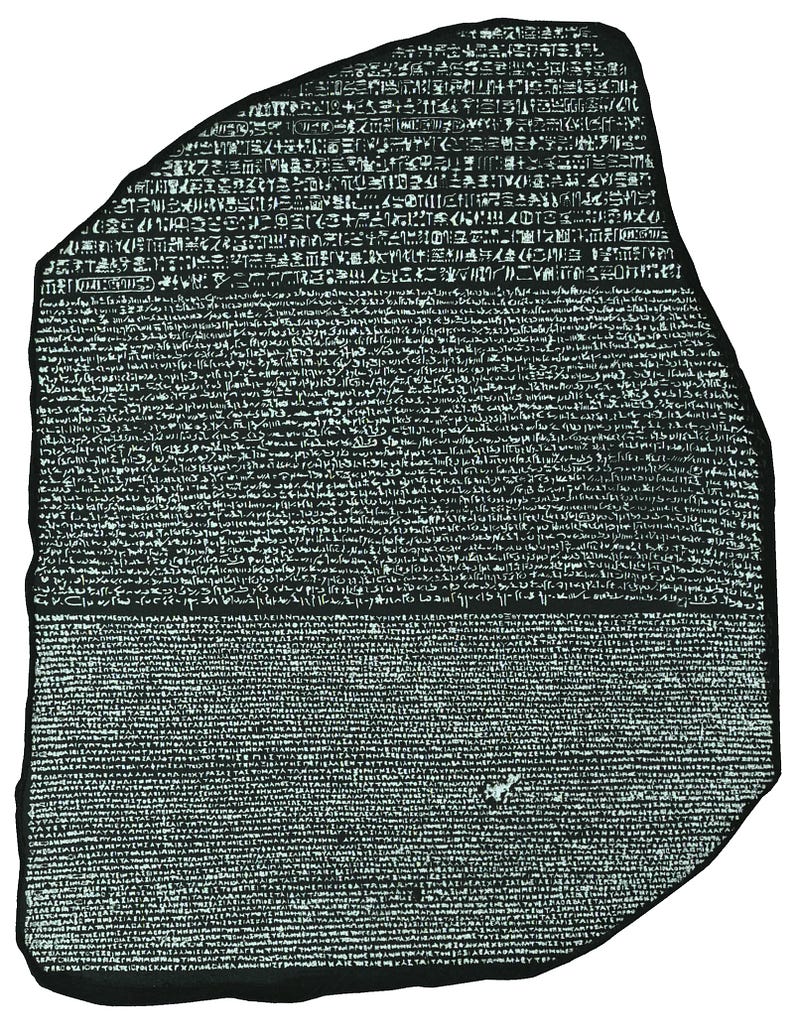
The Rosetta Stone was ordered inscribed by the Ptolemaic King Ptolemy V. It was inscribed in three languages: Ancient Egyptian Hieroglyphs, Demotic Script, and Ancient Greek.
When it was discovered in 1799, it was the first Ancient Egyptian bilingual find. This made it possible to decipher Egyptian hieroglyphs for the first time.
4. Terracotta Army
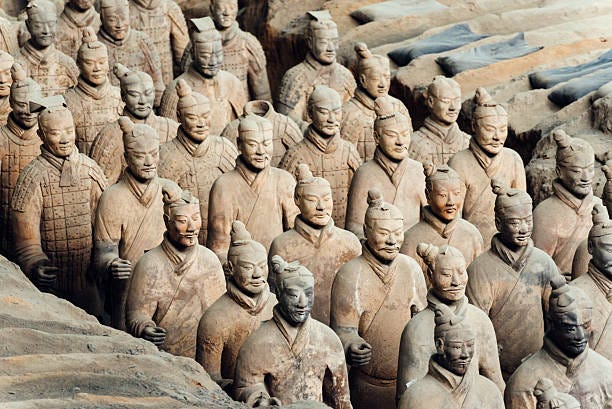
The Terracotta Army is a collection of terracotta sculptures depicting the armies of China’s first emperor, Qin Shi Huang. It is funerary art (like that of the Egyptians) made to protect the Emperor in the afterlife.
This masterpiece reflects what China’s army was really like. Dating back to the third century BC, it included approx. 8,000 soldiers, 130 chariots, and 520 horses.
5. King Richard III’s Grave
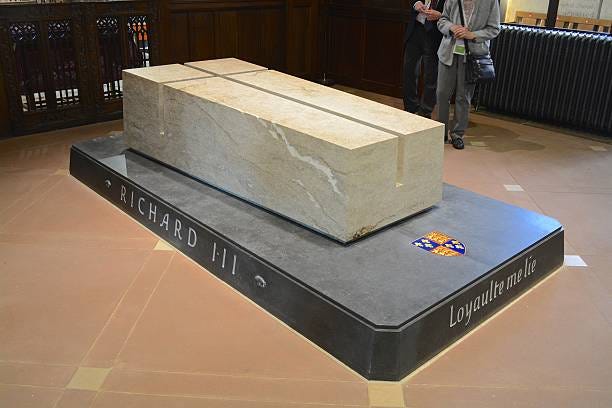
English Folklore states that King Richard III had a reputation as being a prince killer, crookback (hunchbacked), and power grabber. His grave was a hidden mystery. The Looking For Richard project was started in 2012. The remains were tested and scientifically proven to be the king.
6. Olduvai Gorge
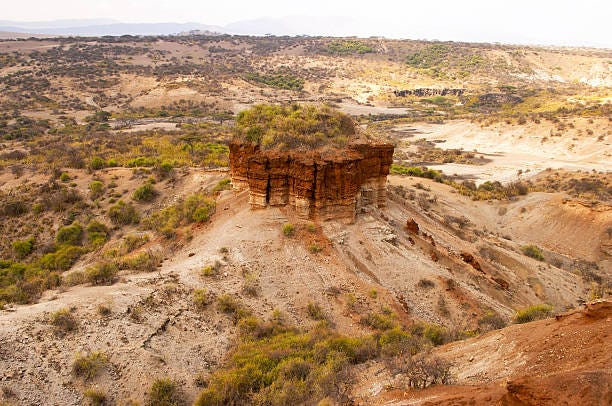
The Olduvai Gorge is a 30-mile section of Tanzania’s Rift Valley (Africa). It revealed much of what we know about the evolution of man. The fossils there showed the precursor of the human species dating back 1.9 million years ago.
The tools and animal remains found in a central area indicated social interaction and skills development.
7. Cave of Altamira
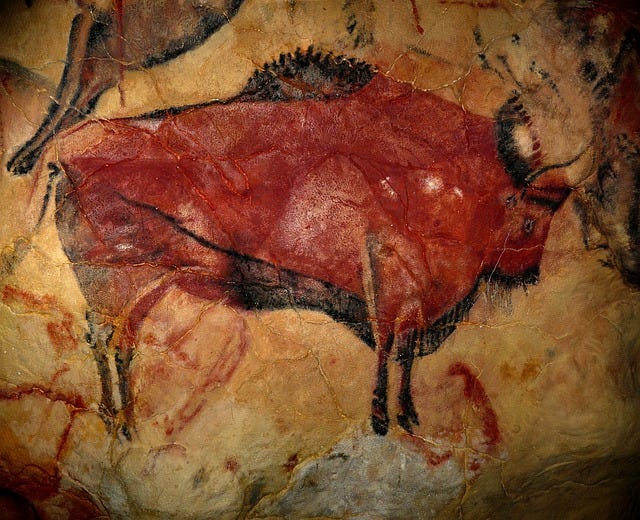
The Cave of Altamira, a Spanish cave, is a mixture of archaeology and anthropology. It contains prehistoric paintings of mammals and human hands. When it was discovered in 1880, it was the first of its kind.
It was previously believed that prehistoric humans lacked the intellectual capacity for artistic expression.
8. Dead Sea Scrolls
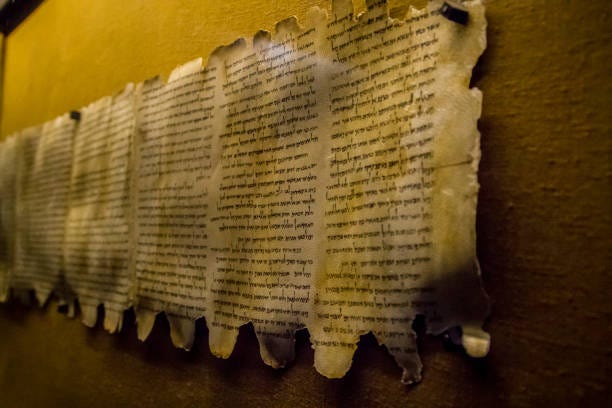
The Dead Sea Scrolls are a collection of 800 manuscripts found in 11 caves just 2km inland from the Dead Sea near Khirbet, an ancient settlement on the West Bank (Coast of the Mediterranean in Western Asia). It is bordered by Jordan and the Dead Sea to the east.
The text is some of the earliest known Hebrew biblical documents, and dates over a 700-year period, before the birth of Jesus Christ. It provides insight into biblical translations and what the Bible was like 2,000 years ago.
9. Easter Island Moai
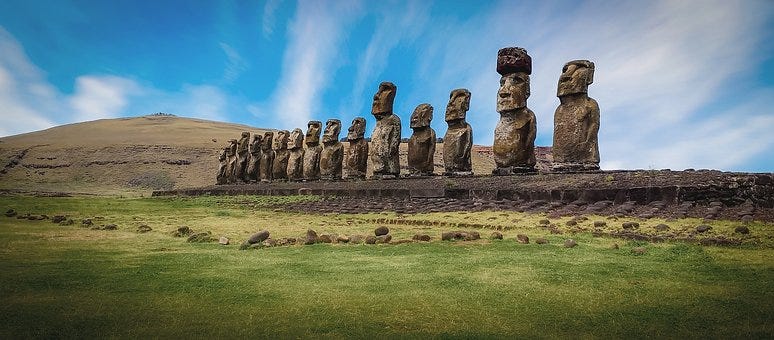
Easter Island is an archeological site with more than 887 massive statutes. It is a Chilean Polynesian island in the Pacific Ocean. The statues are known as Moai, and are an impressive tribute to the Rapa Nui people dating between 1250 and 1500.
They were massive and located across the island. Legend among the Rapa Nui people is that “divine power” was used to command the statues to walk.
10. Staffordshire Hoard
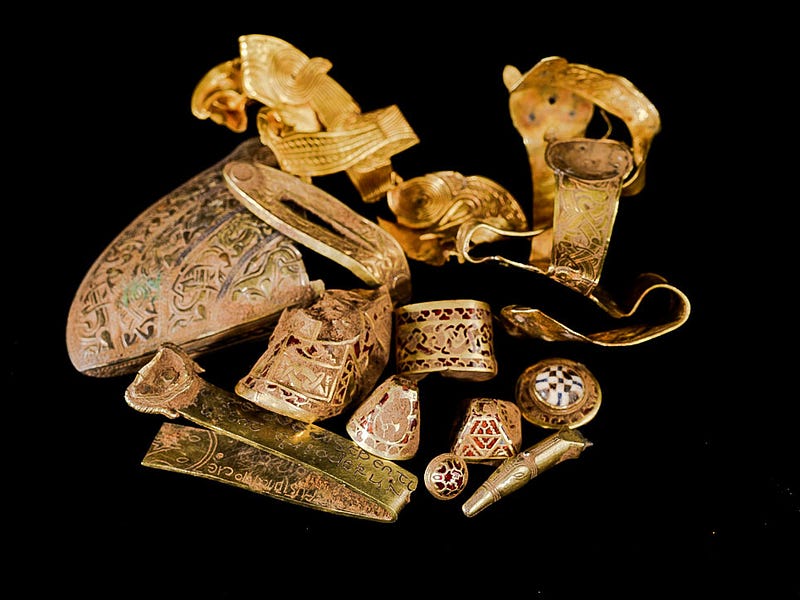
The Staffordshire Hoard is the largest hoard of Anglo-Saxon gold and silver metal ever found. It comprised 3,500 items. It was found by a metal detectorist, buried underneath a farmer’s field in Stafford, UK, in 2009. They valued it at over £3 million.
Conclusion
Some of the archeological sites are riddled with folklore. However, they are all very real, exciting, and extraordinary places in our history.
I have only touched the surface of these amazing archeological sites. I invite you to do further research on those of interest to you.
I will also love to hear from you if you have visited any of the top ten or other exciting archeological sites.
Thanks for reading!
I took facts from the comlpleteuniversityguide.co.uk