Philosophy, Spirituality
Top Seven Shlokas from Bhagvad Gita for Children
Nurture your child’s mind and give them a meaningful life.
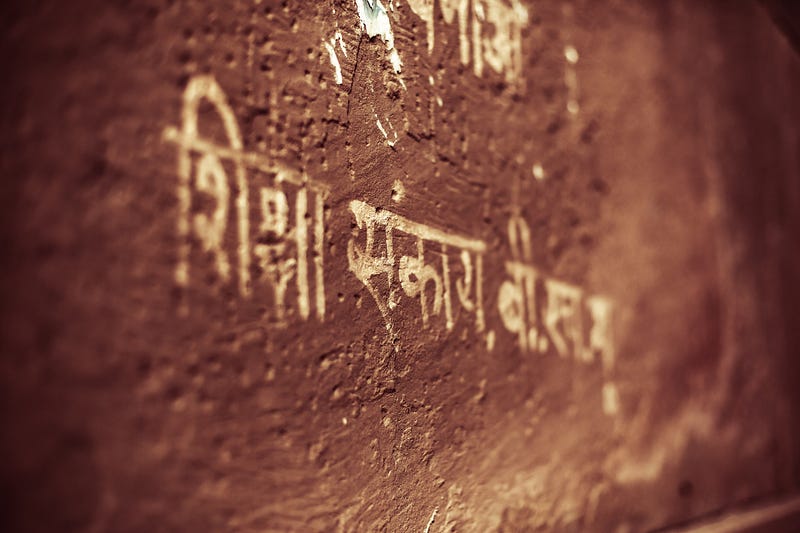
Indian civilization is one of the most ancient civilizations in the world. Indian subcontinent has a vast wide sources of ancient wisdom and tradition, some of them are still untapped by modern science. Indian ancient wisdom has offered some of the greatest gifts to humanity.
Many of the world renowned scientists, philosophers, intellectuals, scholars have been acknowledging the inspiration received from various sources in the vast ancient Indian wisdom.
Vedas, Upanishads, Puranas, Yoga, Ayurveda, Scientific discoveries in scriptures are few of the sources. One of the greatest gifts, humanity has ever received is the Bhagvad Gita, one of the greatest philosophical and spiritual books. It is also called the song of God as it was the conversation between Bhagwan Krishna and Prince Arjuna in a battlefield of Kurukshetra. In the Indian tradition, the Bhagavad Gita, as well as the epic Mahabharata of which it is a part, is attributed to sage Vyasa.
Many pundits say that Bhagavad Gita is the manual of our life. We can get all sorts of answers to our questions related to life and its activities. It clears up mind, it brings your focus to action. I personally get so much benefit while reading the shlokas (verses), exploring the meaning and implementing them in my life.
I will try to emphasis on 7 shlokas and their meaning and commentaries from the Gurus which can be taught to the children to give them meaningful perspective of life. Once they acquire the knowledge of some shlokas, they will be able to resolve any conflict in minds, their focus and concentration will be sharp, they will develop a sense of ability to fight with any challenges in life.
So, here are few of the shlokas, I picked up from the total 700 verses and total 18 chapters.
(1) Bhagavad Gita — Chapter 2 — Verse 47
कर्मण्येवाधिकारस्ते मा फलेषु कदाचन | मा कर्मफलहेतुर्भूर्मा ते सङ्गोऽस्त्वकर्मणि ||
karmaṇy-evādhikāras te mā phaleṣhu kadāchana mā karma-phala-hetur bhūr mā te saṅgo ’stvakarmaṇi
Core philosophy: Focus on your action and not on the results
Translation:
You have a right to perform your prescribed duties, but you are not entitled to the fruits of your actions. Never consider yourself to be the cause of the results of your activities, nor be attached to inaction.
Meaning:
This is probably one of the most famous shlokas from Bhagavad Gita.
It offers deep insight into the proper spirit of work and is often quoted whenever the topic of karm yog is discussed. The verse gives four instructions regarding the science of work: 1) Do your duty, but do not concern yourself with the results. 2) The fruits of your actions are not for your enjoyment. 3) Even while working, give up the pride of doership. 4) Do not be attached to inaction.
( Commentary by Swami Mukundananda)
This is what students are taught from childhood (if you are from India) that “Karm Karo, Fal ki Chinta mat Karo”. It simply means , do not worry about result too much, just concentrate on your action to achieve the goal. Because actions are known to us and gives us surety if we want to do it well or not. However, results are not in our hand and they are uncertain. It depends on multiple factors, for example, situation, other people who are involved, etc. It can not depend on solely on the doer.
If we develop result oriented mind , then if the result is not up to our expectation, pain is certain to occur.
Also, do not attach yourself to inaction (निष्क्रियता) because sometimes when the work is hard and burdensome, we resort to inaction. So never lose interest in what you do.
What can parents do?
Take the example of children exams. If they are too much focused on things like which college to get admission, which rank they should secure and at the same time not concentrating on their studies, then results will be not as per their expectation. Parents should encourage kids to concentrate on their studies first,have a positive mind while visualizing the goal at the same time.
(2) Bhagavad Gita — Chapter 2 — Verse 20
न जायते म्रियते वा कदाचि नायं भूत्वा भविता वा न भूय: | अजो नित्य: शाश्वतोऽयं पुराणो न हन्यते हन्यमाने शरीरे ||
na jāyate mriyate vā kadāchin nāyaṁ bhūtvā bhavitā vā na bhūyaḥ ajo nityaḥ śhāśhvato ’yaṁ purāṇo na hanyate hanyamāne śharīre
Core philosophy: Don’t be afraid of your life. Be fearless — Soul is neither born nor does it ever die.
Translation:
The soul is neither born, nor does it ever die; nor having once existed, does it ever cease to be. The soul is without birth, eternal, immortal, and ageless. It is not destroyed when the body is destroyed.
Meaning:
We must eliminate the fear of death as it might sometimes create hindrance in taking risk or in whatever you wanted to do it in life.
It also helps to discover the inner self (which you may call as “soul”) and find a true purpose of life.
What can parents do?
This philosophy is very useful in overcoming the grief of death of near and dear ones. Whenever any person dies, we can console our children saying the meaning of this shloka. Sooner we accept this fact of soul transferring from one body to another, more meaningful will the perspective about life and death.
(3) Bhagavad Gita — Chapter 16 — Verse 21
त्रिविधं नरकस्येदं द्वारं नाशनमात्मन: | काम: क्रोधस्तथा लोभस्तस्मादेतत्त्रयं त्यजेत् ||
tri-vidhaṁ narakasyedaṁ dvāraṁ nāśhanam ātmanaḥ kāmaḥ krodhas tathā lobhas tasmād etat trayaṁ tyajet
Core philosophy: There are three gateways to destruction— Lust, Greed, and Anger:
Translation:
There are three gates leading to the hell of self-destruction for the soul — lust, anger, and greed. Therefore, all should abandon these three. These traits are the main source of all the problems of life.
Meaning:
When a person with deep desire or lust, he will soon develop greed to achieve or get something more. This excessive thrust turns into anger and he will lose control. He will harm himself and people around. Here, the term “naraka” may mean hell to someone, self destruction to others or even we can correlate loss of mental peace.
So, lust, greed, and anger actually disturb the balance of mind and soul. These things block the spiritual path and therefore called the gateways to hell.
What can parents do?
Parents can show their children some real life examples from their friend circle . Or, parents can create some stories to make them understand the meaning of this shlokas. There are many folk tales about how greed, anger became the root cause of someone’s downfall. Let them understand that too much desire for everything is not good.
(4) Bhagavad Gita — Chapter 2 — Verse 14
मात्रास्पर्शास्तु कौन्तेय शीतोष्णसुखदु: खदा: | आगमापायिनोऽनित्यास्तांस्तितिक्षस्व भारत ||
mātrā-sparśhās tu kaunteya śhītoṣhṇa-sukha-duḥkha-dāḥ āgamāpāyino ’nityās tans-titikṣhasva bhārata
Core philosophy: Learn to tolerate — Nothing is permanent in this world
Translation:
O son of Kunti, the contact between the senses and the sense objects gives rise to fleeting perceptions of happiness and distress. These are non-permanent and come and go like the winter and summer seasons. O descendant of Bharat, one must learn to tolerate them without being disturbed.
Meaning:
The absolute meaning of this shloka is “nothing is permanent in this world”.
Seasons come and go in nature. Likewise, pain and pleasure are also temporary.
Tough time does not stay for long. The bad phase passes after certain period of time. Learn to tolerate them without being affected by them.
What can parents do?
Parents can cite an example of any bad phase of their life in the past and show to the children how it passed . Parents can talk about the corona situation and make the children understand that the current situation is not going to stay for long. We have to have patience. It will pass.
(5) Bhagavad Gita — Chapter 2, Verse 63
क्रोधाद्भवति सम्मोह: सम्मोहात्स्मृतिविभ्रम: | स्मृतिभ्रंशाद् बुद्धिनाशो बुद्धिनाशात्प्रणश्यति ||
krodhād bhavati sammohaḥ sammohāt smṛiti-vibhramaḥ smṛiti-bhranśhād buddhi-nāśho buddhi-nāśhāt praṇaśhyati
Core philosophy: The side effects of anger
Translation:
Anger leads to clouding of judgment, which results in bewilderment of the memory. When the memory is bewildered, the intellect gets destroyed; and when the intellect is destroyed, one is ruined.
Meaning:
A person with anger loses control to judge what is right and wrong. Hence, he destroys the power of his intellect and as it says without intellect, a person can not achieve anything in life. He will be doomed.
What can parents do?
Parents can take example from past experience, historical stories and explain how and why people fail due to his anger. How sudden eruption of anger leads to creation of confusion in mind and it destroys the power of thinking and judgement.
(6) Bhagavad Gita — Chapter 6, Verse 5
उद्धरेदात्मनात्मानं नात्मानमवसादयेत् | आत्मैव ह्यात्मनो बन्धुरात्मैव रिपुरात्मन: ||
uddhared ātmanātmānaṁ nātmānam avasādayet ātmaiva hyātmano bandhur ātmaiva ripur ātmanaḥ
Core philosophy: The power of mind
Translation:
Elevate yourself through the power of your mind, and not degrade yourself, for the mind can be the friend and also the enemy of the self.
Meaning:
We are responsible for our own elevation or debasement. Nobody can traverse the path of God-realization for us. Saints and Gurus show us the way, but we have to travel it ourselves.
To rise in our activities, we must create a healthy relationship with our mind. If we can not keep a balance in mind, it leads to disturbances and affects our body and soul.
What can parents do?
Parents should make children understand the existence of mind and the power of it. Parents must explore the different techniques to make balance in mind. They should encourage their kids to practice regularly those methods to sharpen their minds so that they can use it in proper way to earn knowledge.
(7) Bhagavad Gita — Chapter 2, Verse 38
सुखदु:खे समे कृत्वा लाभालाभौ जयाजयौ | ततो युद्धाय युज्यस्व नैवं पापमवाप्स्यसि || 38||
sukha-duḥkhe same kṛitvā lābhālābhau jayājayau tato yuddhāya yujyasva naivaṁ pāpam avāpsyasi
Translation:
Fight for the sake of duty, treating alike happiness and distress, loss and gain, victory and defeat. Fulfilling your responsibility in this way, you will never incur sin.
Meaning:
Treating happiness and sadness is a great virtue. Maintaining a balance between both, a person can attain peace of mind in any situation he faces. But to get that state of mind, it requires a great deal of dedication and practice.
What can parents do?
Children must be taught not to get hyper excitement if they achieve something and not to be in deep sadness when they lose something. They should be taught that happiness and sadness are part and parcels of life.
Why children?

“There is a common adage that children’s brain can absorb and soak up information like a sponge. Is there any scientific evidence to prove it? Scientists reveal that there is a fundamental difference between the learning processes between children and adults known as synaptogenesis andsynapse elimination or pruning, respectively.

1. Gita chanting is a great stepping stone for children’s future connection with their culture.
2. Even if they rebel during their teenage and they seem to not care, if they have chanted and memorized in the childhood, it all comes back later.
3. Shloka chanting, in general, improves their memory and concentration, thereby making them better students at school. Chanting also improves their voice culture and their overall lung capacity improves.
4. Chanting mantras helps to heal the body, protect the mind, and manifest human desires by connecting the person who is chanting with the divine.
There are many other life changing shlokas (verses) for all aspects of life. One must go through the great book and introspect.
Happy reading !!!
If you are interested to read more of my write-ups on kids related topics, you can go throw.
Reference:
Few of the above lines are directly from the below links.
- https://www.holy-bhagavad-gita.org/ (for translation section)
- https://www.gitasupersite.iitk.ac.in/srimad?language=dv&field_chapter_value=1&field_nsutra_value=1
- Most of the explanations are copied from https://mythgyaan.com/5-shlokas-from-bhagavad-gita-will-change-your-life/
- https://pdfs.semanticscholar.org/c5ea/8e3bb00108fa0ebbc63e1c9f8cb0133ad92a.pdf
- https://blogs.scientificamerican.com/observations/a-neuroscientist-explores-the-sanskrit-effect/
- https://bulletin-archive.hds.harvard.edu/articles/winterspring2016/mantra-chanting-heals-and-connects


