
My Top Hardware Hacking Tools of 2022
As the world evolves to use more and more technology each day, crucial aspects of the security world become digitalized. Programming languages and applications increase in importance exponentially. Thus, exploiting these languages and applications also becomes more important. Today, I’ll be showcasing some of the top pen-testing/hacking physical tools that I’ve accumulated over a few years. These are great for gifts, or just neat things to showcase to your friends. They can also be used in physical penetration tests, if your occupation involves that type of hacking.
Disclaimer: I am not responsible for any financial damage or otherwise unexpected results of the usage of these items. I am also not responsible for any usage of these tools, I am simply informing others on what is popular in the physical hacking world. Do not use these tools for any malicious purposes.
Let’s get right into it, as not to waste any time. These 6 tools are a mix of my all time favorites, and also the essentials for most hackers. They range in price from about 15$ to 190$. I have NOT been paid or sponsored for any of these items, I paid out of pocket for these as I feel that’s the best way to provide my genuine opinion. A few of the links to the products are Amazon Affiliate links though, which means if you buy a product I get part of the proceeds from Amazon, with no extra cost whatsoever to you. Using that, I can find even more tools and interesting things to share on my posts, so it’s a win-win.
6. 2.4GHz Panda Wireless USB Adapter
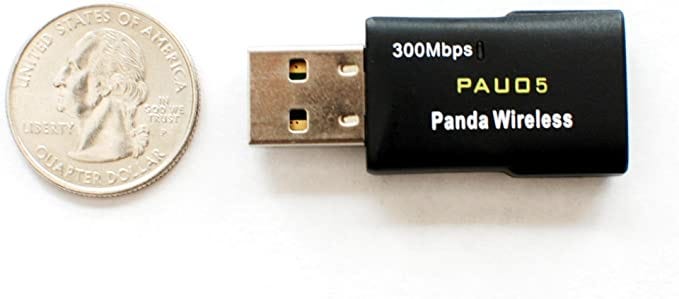
Having a USB wifi adapter that supports packet injection and monitor mode is essential for cybersecurity, and this is the best 2.4GHz one that I’ve tested. With the two modes of wifi being 2.4GHz and 5GHz in the U.S., most wifi applications will end up choosing 2.4GHz as it’s more popular and has a longer range from its lower frequency.
At a bare minimum, at least buy this if you don’t have a wifi card as it can be used in other scenarios as well, not just hacking. If you’re working with a computer that doesn’t have wifi, or to monitor packets on a normal computer, this is a great plug and play solution (also plug and play on Kali Linux, which is a nice perk). It’s fairly cheap for hacking, and it’s something I personally carry each day because of it’s range of functionality.
5. WHID Cactus
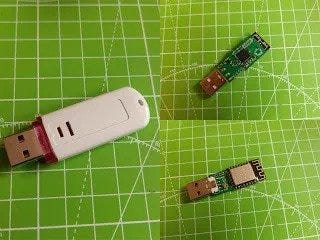
This is a really neat concept, and I’ve used it a few times to test the functionality. It proved very useful in my pen-tests, due to its wide range of capabilities. The WHID Cactus is an advanced hot-plug attack, where you’ll plug in a device to run malware or files, but you can do just about anything a user can do. This is because it emulates a keyboard, so the computer just thinks whoever’s typing has a 300WPM typing speed. There’s no guards for this though, so hot-plug attacks are one of the most dangerous vectors when it comes to pen-testing.
WHID Cactus (Github) takes this a step further, spawning a wifi for the attacker to connect to and run even more commands at their leisure, as long as the WHID Cactus is plugged into the machine. It’s got some awesome configuration options, and is compatible with DuckyScript if you’re familiar with the Rubber Ducky (another hot-plug attack, without the wifi functionality). Also a cheaper tool, but with some awesome value.
4. ESP8266 Arduino Board
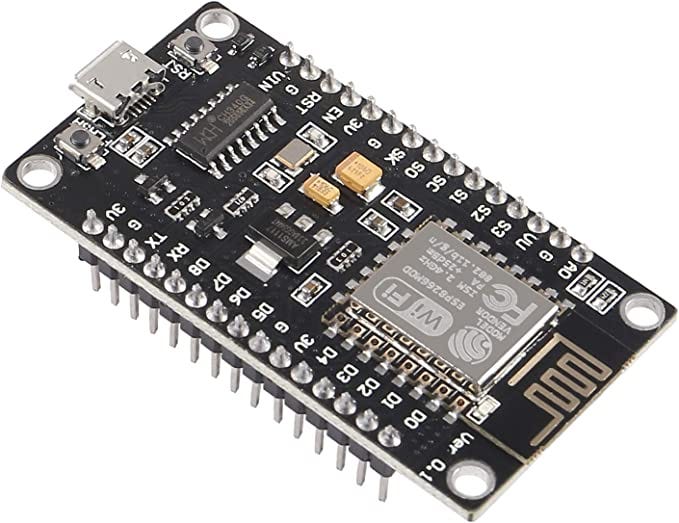
This is the cheapest tool, but it does take prior knowledge to utilize the full capabilities of it. The ESP8266 board is as simple as you can get, but with GPIO pins it can be chained to other Arduino hardware and programmed with even more functionality. The ESP8266 has a wifi chip which is it’s main functionality, at a 2.4GHz frequency. It can send de-authentication packets (kicking everyone off of a single 2.4GHz network at a time), spawn networks, and probe networks for information.
Spacehuhn has a great Github repository, and if you’ve ever used Arduino, it shouldn’t be too hard to upload some code to the ESP8266. I’ll make a post explaining the process if I hear some people are having trouble, so let me know in the comments if you’ve been able to utilize this tool. It’s the cheapest item on this list, a pack of 6 costing just under 20$. I’ve got a bunch of these in some awesome 3d printed cases, and they’re fun to use for pranks and useful in it’s de-authentication functionality.
3. 32GB USB 3.0 Storage

I don’t know about you, but I am constantly running out of available USBs. Sometimes I lose them, sometimes they’ve got important info on them, there’s a million different possibilities. I recently bought these 32gb USB 3.0 drives, and I’m really happy with them. I can store my crypto in a custom cold vault, keep sensitive and encrypted files on them, and flash ISO images in record time. The speed is a huge perk, and the USB 3.0 really shows for this specific product.
I suggested this 5 pack because not only did I feel it was a great value for the price, and because I really like the design for my keychain and hacking ‘toolbox’. Having USBs to store secure information, ISOs for Kali Linux or other hacking files, and making sure you’ve always got any files you need to pen-test is crucial. 32gb I’ve found is a good middle with price and storage, getting enough storage for larger encrypted files, while also not paying serious cash for 2TB drives.
2. 5GHz and 2.4GHz Wifi Adapter
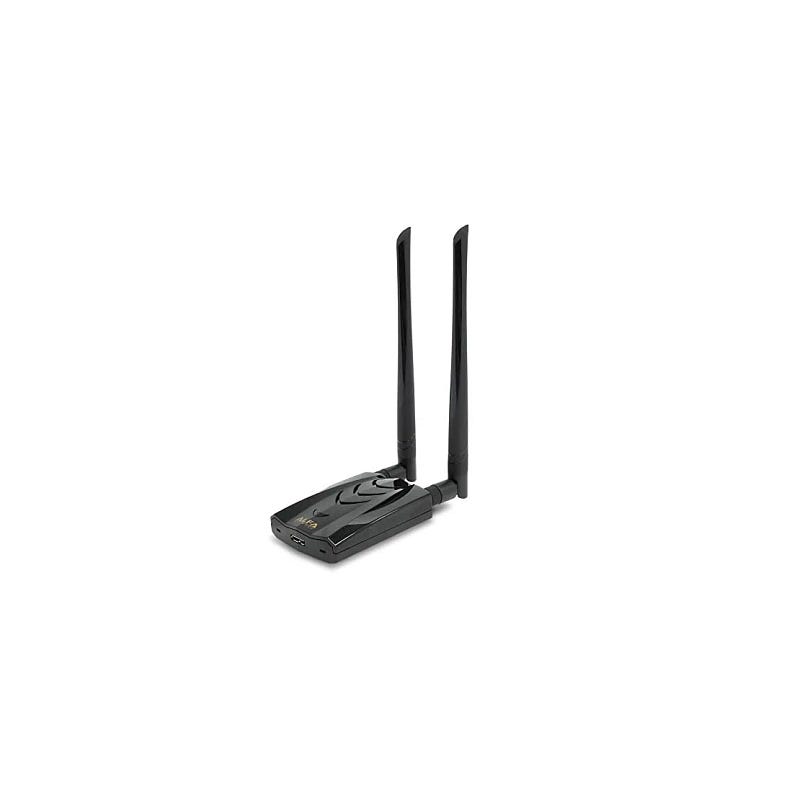
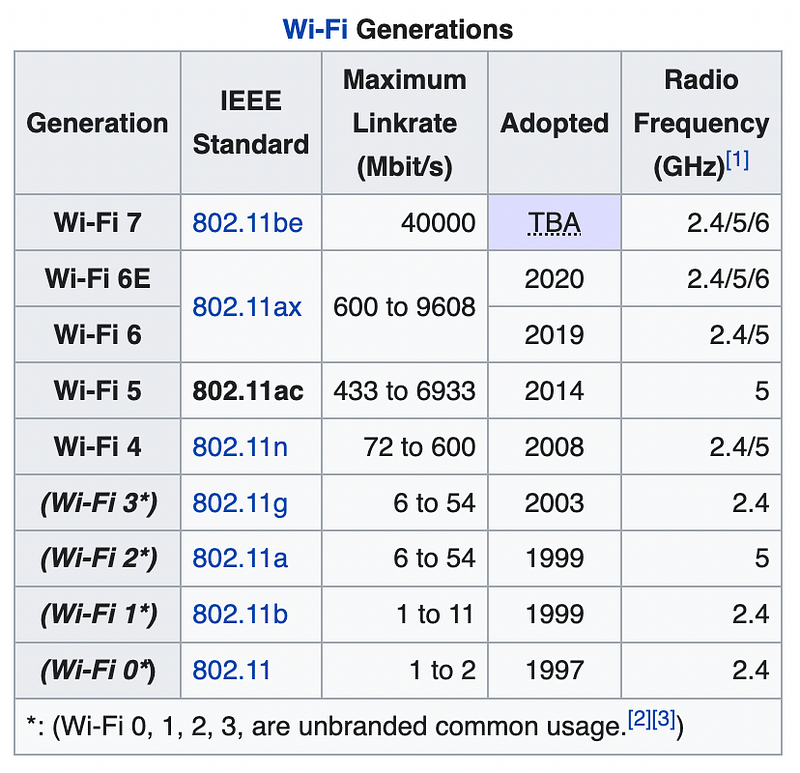
This is essentially the bigger and better 2.4GHz adapter, as it utilizes both of the more common frequencies being 5GHz as well as 2.4. In this, we can now experiment with 5GHz networks, the faster and smaller range signals. This is what most people use in day to day, as schools, homes, and businesses have mostly incorporated IEEE 802.11ax in my experience. Some network chips in computers aren’t capable of Wifi 6 / IEEE 802.11ax, so they’ll use commonly use Wifi 5 / IEEE 802.11ac for their 5GHz network connection.
This wifi adapter makes it simple to test any 2.4GHz or 5GHz network, and it supports pen-testing functions like packet injection and monitor mode on Kali Linux. That’s worth mentioning because not all of them do, and it’s important to do your research because only a few quality adapters can use both 5GHz and support packet injection/monitor mode. These 5GHz adapters compatible with Kali Linux are unfortunately not ‘plug and play’. However, you can install the drivers from this repo, and it’s well worth the price for the incredible functionality. I always have this adapter with me, and it’s worked great for anything I’ve done in cybersecurity.
The #1 Spot: The Bash Bunny!
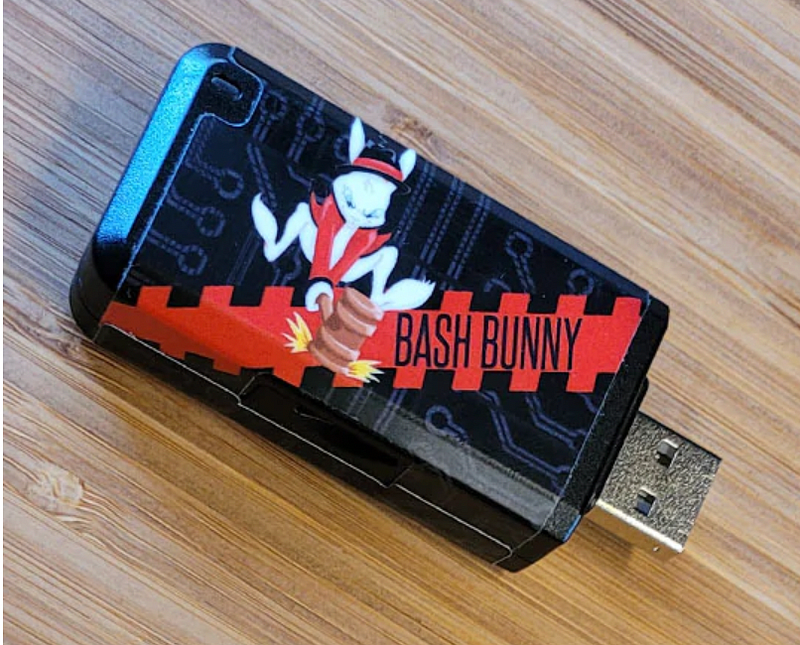
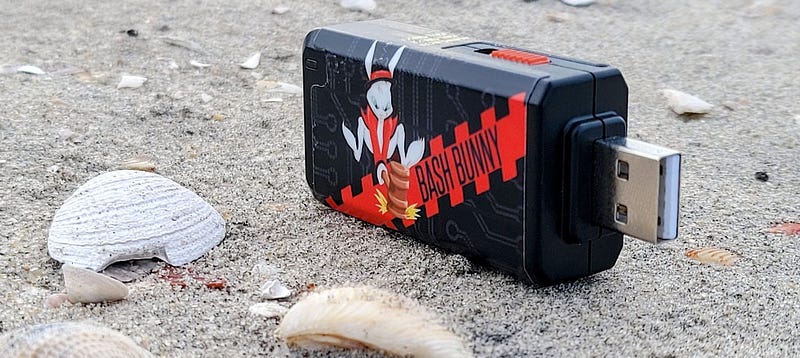
The Bash Bunny is a simple idea at first glance, but packs a serious punch. A hacker dedicated enough to gain physical access to things like server rooms would have the hard work done as soon as they picked the lock. This ultimate hacking tool just got redone and the Mark 2 is available on Amazon through my link, just below the image. It’s the most expensive item on this list by far, but it’s well worth the money and I don’t know what I’d do without mine. The most advanced hot-plug attacks I’ve ever executed, from spreading a botnet in seconds for kicks or legitimate purposes (kinda neat but not very useful) to root user permissions → antivirus bypass → execution of your own script for a multi-platform Metasploit meterpreter shell worm capable of obliterating multi-million dollar companies and political agendas (easily the better option, script here).
I don’t go anywhere without this thing. If I’m bringing a backpack to work somewhere, this goes in with my WHID Cactus and 5GHz wifi adapter. I also bring these tools when I pen-test somewhere on-site, or just to experiment a bit with them (legally, of course). I’ll be making an EDC post on what I use as a Developer/Hacker/Writer to further my skills later this week, so make sure to check up on The Gray Area to see if it’s there.
Future Hacking-Related Posts —
I hope you enjoyed looking at some of the best hacking tools I’ve come across in the past few years. The kinds of stuff the hackers used in my article, The Best Hackers of The 21st Century, are the barebone versions of some of these tools. Here’s an article where I’ll show the applications of some of these physical tools with the corresponding software →
Subscribe to my newsletter if you want to be the first to know when I post, and give this list a few claps at the bottom if you thought it was worth reading. It’ll tell me if people like this kind of post, and let me know to make more. Check out grahamzemel.xyz for more personal info on who I am as a developer and hacker, if you’re interested in learning more. Thanks!


