
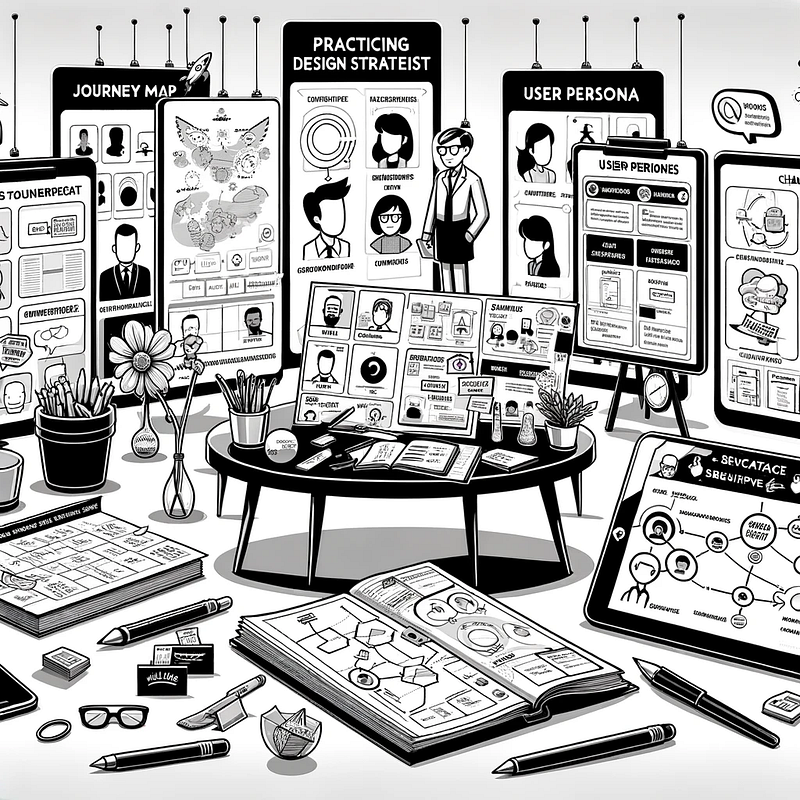
Top 10 artifacts of practicing design strategists — beyond journey maps
Understanding design strategy through the work we produce
“In the midst of chaos, there is also opportunity.” — Sun Tzu, The Art of War
Before I start discussing the work artifacts of a design strategist, let me first talk about my own background in design. Good design practices are timeless and do not come and go with the whims of what app is in style. With over 20 years of experience in the broader field of user research, reflecting on the journey is somewhat overwhelming yet affirming of my expertise in this area. My journey in design commenced at Siemens in Princeton, NJ, where I was instrumental in establishing the first usability lab. Our efforts during that period were primarily centred on promoting user-centered design, historically referred to as human factors.
Subsequently, upon returning home to Canada, I was sought out to set up a usability lab for Research In Motion, presently known as BlackBerry, in Canada. My role involved overseeing the construction of two usability labs and significantly growing the team from a basic intern group to a robust staff of approximately 27 members. Following that role, I joined another global corporation, Autodesk, where I took the lead in managing the User-Centered Design Research team and Content Design, encompassing roles known at the time as Technical Communicators.
Currently, I serve as an occasional university lecturer in Information Design and have also held full-time positions in Digital Strategy and Transformation, assuming roles such as Director of Design Strategy, Digital Transformation, or Innovation Coach. My return to academia in 2018 was prompted by a realization that the landscape of Design practice had evolved dramatically into a realm filled with numerous tools yet lacking a comprehensive view of how strategy is integrated with tactical execution.
I am now in the process of preparing for a doctoral degree in Computational Rhetoric — a field distinct from traditional Design but one I firmly believe represents the next frontier in user-centric design strategy.
My decision to pursue further education was not driven by the anticipation of employment within a company engaged in this specific domain. Instead, my enthusiasm for technology remains undiminished, accompanied by a growing concern over technology’s overwhelming impact on humanity. I plan to discuss such topics related to the future of the design practice with a focus on design heuristics for AI and emergent tech, in a future posts. Hence why I dubbed myself a Tech Humanist.
Further insights into my areas of interest will soon be accessible through an upcoming book that explores the intersection of Design Strategy and Computational Rhetoric. However, for those eager to learn more about my work in the interim, I invite you to read my paper or abstract presented at the 2022 HCII (Human-Computer Interaction International) Conference.
This conference, a pivotal event in the field, gathers experts from various disciplines to discuss advancements and research in human-computer interaction, offering a rich platform for exploring the latest in design and technology. My contribution to the conference focuses on the critical role of computational rhetoric in enhancing user-centric design strategies, providing a glimpse into the evolving landscape of design practice.
In short, what happens at these conferences will the the practice of the future.
More broadly my research explores design heuristics for healthcare data as well as surveillance systems design — these will form the core of my dissertation.
I consider much of my work to be what Dr. S.Scott Graham (University of Texas), in his online talks has called “boundary work.” It is not unlike when in 2012, I decided to go left in my career and when everyone was touting such utterances like: “there is an app for that,” instead, I wrote one of the first books in the space of Sustainable Design, now a notable text in many grad design programs, worldwide.
This spring, my latest work will be featured in the Rhetoric Society Quarterly journal, where I continue to explore the nexus of design and computational rhetoric, with a particular emphasis on women’s healthcare data design practices. This forthcoming paper, titled “Sex After Technology: The Rhetoric of Healthcare Monitoring Apps,” co-authored with Dr. Randy A. Harris, my own academic supervisor from the University of Waterloo, will be part of a curated collection of four or five full-length essays. This collection aims to shed light on the complex interplay between AI, emergent technologies, and rhetorical practice.
I share my perspective, here, for two reasons:
firstly, to briefly highlight my qualifications, as acknowledging one’s expertise is vital in a world where everyone is an “expert”; and, secondly, to point out a prevailing crisis within the design sphere.
Despite the plethora of tools and technologies at our disposal, there is a noticeable fragmentation within design practice. This fragmentation indicates that many practitioners lack a cohesive system or a clear understanding of the essential work artifacts they ought to create.
Having led teams and conducted numerous talent interviews, I’ve observed an overwhelming reliance on journey maps, as though they represent the sole artifact and outcome of our profession.
This trend is not only troubling but also reflects a deeper issue within the field. It is against this backdrop that I write, drawing inspiration from the old African proverb “each one teach one,” to advocate for a more grounded and systematic approach to design practice.
From design research to design strategy
The work visible in today’s design landscape originates from the natural strategizing of teams committed to pushing projects from their inception in research, through design and development, to their ultimate delivery. Today, we seemed to have arrived at a space where the field has become so specialized that the works once conducted by design teams have become their own functional teams, in some regard, adding a sense of shattering to a field that bodes better as a holistic practice. For example there is now prototyping teams, insight teams and frankly no one speaks to each other anymore.
My foray into Design Strategy was sparked many years ago by witnessing the impending challenges faced by traditional design teams. They were unknowingly constructing vast UI component libraries, inadvertently making their own roles redundant. I could not be caught up in this plateauing of the space. And as a parent, I always thought of how to support my kids and make the right moves away from saturated spaces. I was not wrong.
In response to these challenges I observed in the design field, I took a six-month hiatus from corporate practice to distill my experience into a comprehensive system, capturing the methods and techniques I had employed.
This period of reflection led me to also recognize an inevitable trend: the proliferation of so-called experts emerging from rapid training programs, diluting the quality and depth of design expertise. This too, added to the over saturation of design. Everyone was doing it — good or bad — it was, and still is today, a mess.
So, the excitement of discovering a training program that aligned with my evolving goals was a turning point. Before making this transition — and while at Autodesk — I had spearheaded the pioneering cloud deployment of Maya, the company’s leading 3D tool. This project was fundamentally a strategic design initiative, although it might not have been acknowledged as such at the time. I just needed more opportunities to apply “design thinking” to other areas that was not a screen.
Appropriating design strategy in other spaces
Given my background, my focus shifted from analyzing usability results and competitive analyses to leading workshops for company leaders and teams. These sessions aimed at driving digital transformation, particularly through the modernization of outdated systems. Among the diverse topics I addressed were the Future of Work, Streamlining Efficiency in Risk and Compliance processes, planning for Engagement Survey actions, Change Management, and promoting Women in Leadership, to name a few.
These endeavours might not have involved traditional UI work, but they were deeply rooted in the same principles of Design Strategy. This broad application of design thinking underscores its relevance across various aspects of organizational development and leadership.
An excellent book that extols the alliances of Design to other spaces, alongside business practices is Tim Brown’s Change by Design: How Design Thinking Transforms Organizations and Inspires Innovation. This book confirmed for me that Design could be elevated to sit alongside strategy without always falling back on a piece of UI. There were other aspects to it as well as other deliverables.
Getting certified — How did I get there?
If you live in Canada, we love our certifications. So in 2016, I invested in a series of intensive week-long costly courses in the US — one in San Francisco and the other in Pittsburgh because I wanted to, as I had done prior, gain some degree of certification for the work I wanted to do — especially to teach design strategy, though at the time I did not frame it as such. I framed it as remaining relevant.
I came across an intensive program, from the LUMA Institute, which allowed me to integrate the various practices I had honed over the years into a coherent framework. My role evolved to encompass Design Thinking and serving as a Digital Transformation Coach, dedicating most of my time to training teams, including designers. It was amazing! I began eating journey maps for breakfast and stakeholder maps for lunch.
I even unboxed my coach kit back in 2019:
I eventually convinced the company I was working with, at that time, to consider enterprise wide training in Design Thinking for everyone from leaders to non-leaders. I did not realised that after a year I had trained over 400 individuals as part of that company’s move towards Agile; Design Thinking was a perfect pairing. It was data I got from our teams project manager who kept track — 407 people to be precise.
Related posts
Reclaiming the integrity of design
Today, many practitioners find themselves immersed in tools like Miro, Figma, and Mural. This marks a commoditization of the practice, leaving many to piece together what constitutes a contextually appropriate project plan or a series of steps to create a strategy. While these tools are widely available, many functions that were once part of a holistically owned aspect of my work have now been fragmented into bite-sized pieces and apps. This fragmentation has everyone competing for a slice of what used to be a function housed alongside engineering.
I distinctly remember an instance when a junior project manager, lacking a design background yet newly acquainted with Design Thinking, was so daunted by the task of “acting on a journey map” that she broke down in tears during a meeting. In her attempt to carve out a niche for herself and create a sense of job security, she declared, “I own the journey maps,” not realizing that true progress in design and design strategy demands a collaborative effort.
This episode highlights a wider problem within our field: the erosion of a comprehensive understanding of design and the fragmentation of elements that should be part of a cohesive whole — the journey map is but one of many artifacts that enables the creation of a strategy.
To advance and restore the integrity of design practice, which is increasingly recognized for its strategic value, it is imperative to adopt a holistic approach. Design transcends isolated components like wireframes, journey maps, or prototypes. It encompasses a deep understanding of the user and the business, recognizing how each aspect of design contributes to an integrated whole. It necessitates fostering cross-disciplinary collaboration, where “owning” a part of the process doesn’t detract from the broader vision.
It’s about recognizing that the true value of design lies in its ability to solve problems and create meaningful experiences, not in the tools we use or the specific components we’re responsible for.
As designers meander through this commoditized environment, it becomes crucial for those of us in the field to mentor, guide, and inspire a return to the foundational principles of design thinking — where empathy, creativity, and strategic vision are at the forefront of creating solutions. These solutions should not only be innovative but also genuinely meet the needs of users and the objectives of businesses.
Design strategy — the process
So, what does it take to be a design strategist? What exactly do we do, and more importantly, what should our work products look like? As I reflect on this, I’ve been considering the sequence of tasks, though in practice, one may enter a project where certain elements already exist, such as a stakeholder map. Even when this is the case, it’s imperative to conduct your own research to understand how these components integrate to form a cohesive Design Strategy.
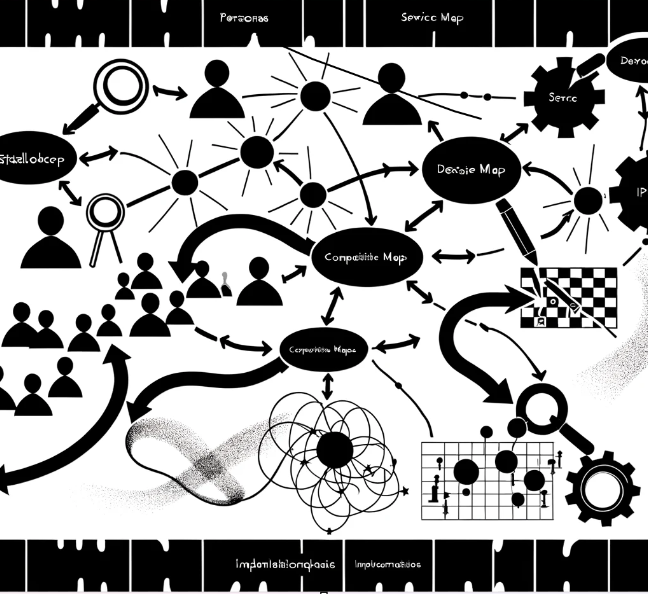
This approach ensures that every aspect of the strategy is informed by a deep understanding of the project’s unique context and goals. I have tried to order the major work artifacts in a logical manner, though they overlap and can sometimes be done concurrently, as the context permits. I do not include the how tos here because there are so many tools and templates that affords this. Rather you can see this list as a checklist of the what and the why; the how to is up to you.
Here goes:
1. Stakeholder maps — Know the lay of the land
What it is: A stakeholder map is a visual representation of the different stakeholders involved in a project and the relationships between them. It typically includes users, systems, processed, suppliers, partners, internal departments, and any other parties with a stake in the project’s outcome.
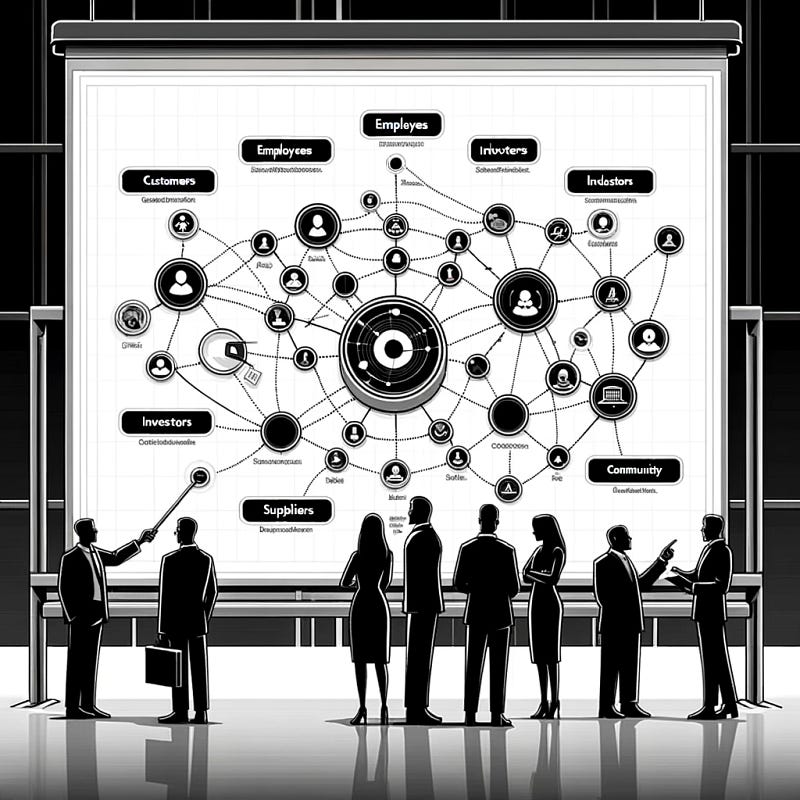
Why it’s important: Stakeholder maps are crucial for identifying and understanding the needs, interests, and influence of all parties involved in or affected by a project. They help in ensuring that all perspectives are considered in the design process, leading to more inclusive and successful solutions.
2. Competitive analysis — know the competitor
What it is: Competitive analysis is the process of evaluating your competitors’ strategies to determine their strengths and weaknesses relative to your own service or product. It involves identifying major competitors, gathering information about their products, sales, and marketing strategies.
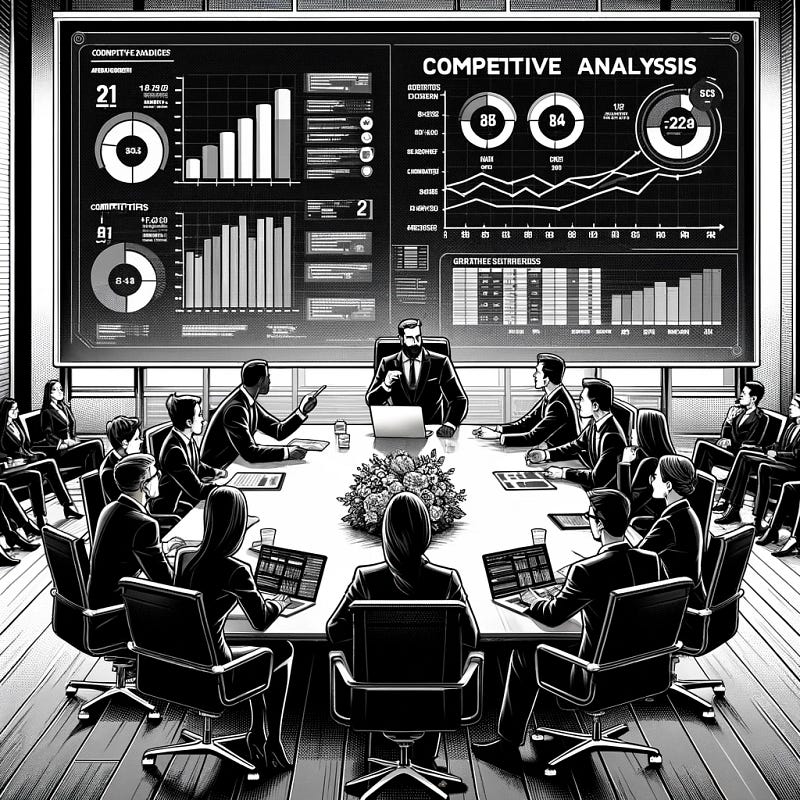
Why it’s important: Understanding the competitive landscape helps design strategists identify market gaps and opportunities for differentiation. It ensures that design decisions are made with a comprehensive understanding of the market dynamics and what it takes to stand out.
3. Personas — Know your customer types
What it is: Personas are fictional characters created based on user research to represent the different user types who might use a service, product, site, or brand in a similar way. They are detailed descriptions that include behaviour patterns, motives, goals, skills, attitudes, and background information, as well as the environment in which a persona operates.
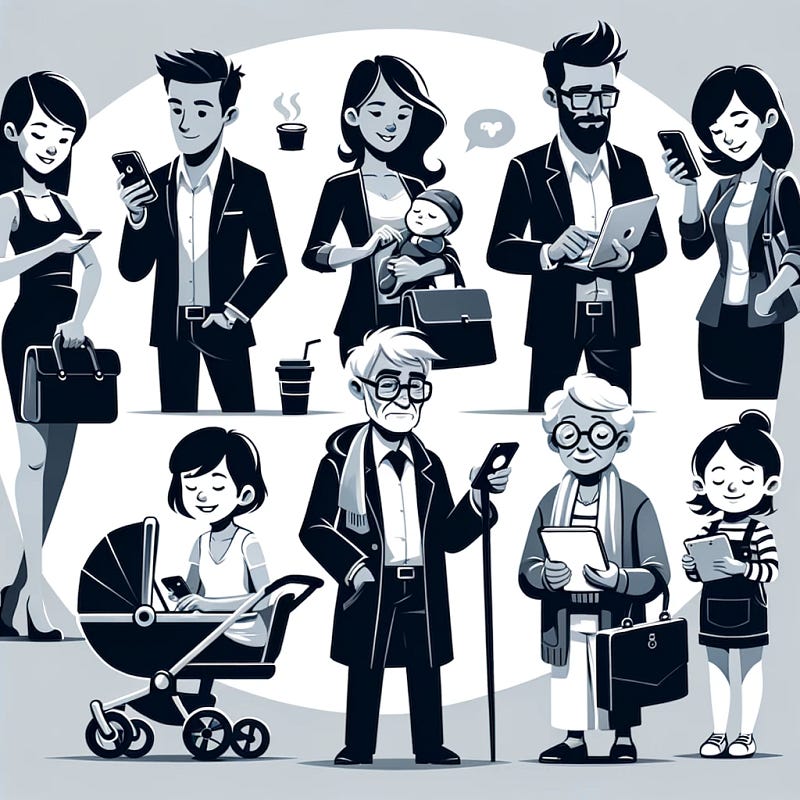
Why it’s important: Personas, or archetypes help in understanding and empathizing with the end-users. They make the users’ needs, experiences, behaviors, and goals more tangible, allowing teams to design solutions that are deeply rooted in the users’ perspectives and needs.
4. Journey maps — Know your customer journey using your product
What it is: A journey map is a visual story of a user’s interaction with a product or service over time and across different channels. It details the user’s feelings, goals, and touchpoints with the service or product.
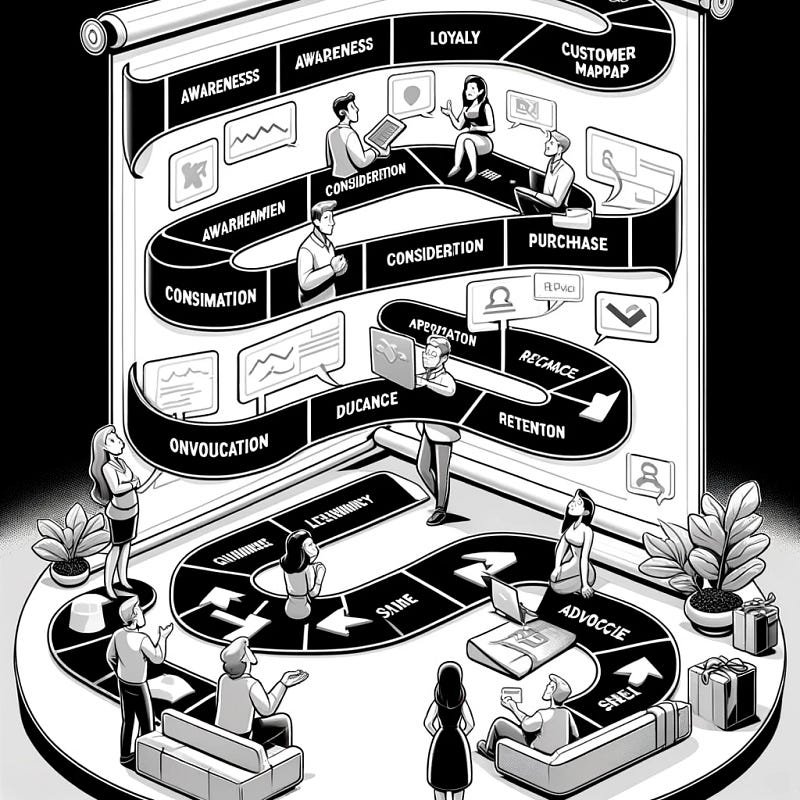
Why it’s important: Journey maps offer invaluable insights into the user experience, highlighting pain points, emotional highs and lows (pains), and opportunities for improvement (gains). They help design strategists to empathize with users and to refine products or services to better meet user needs.
5. Service maps — Know your front and back stage workings
What it is: A service map (or service blueprint) outlines the relationship between different service components including the frontstage (user-facing) and backstage (internal processes that support the service) interactions.
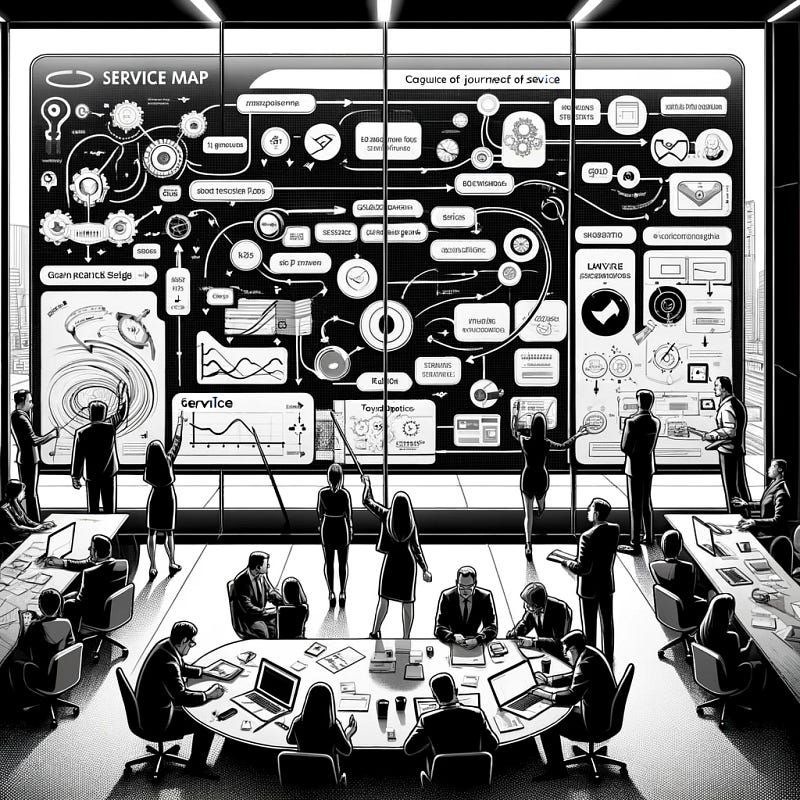
Why it’s important: Service maps are essential for understanding and improving the service delivery process. They help identify bottlenecks, inefficiencies, and areas where the user experience can be enhanced, ensuring the service design aligns with user expectations and business objectives.
6. Impact maps — Know how to advance to the destination (goals)
What it is: Impact mapping is a strategic planning technique that visually maps out the objectives of a project and the assumptions underlying those objectives. It connects the goal of a project to the interventions needed to achieve it, outlining how actors (users, stakeholders) can help or hinder the project’s objectives.
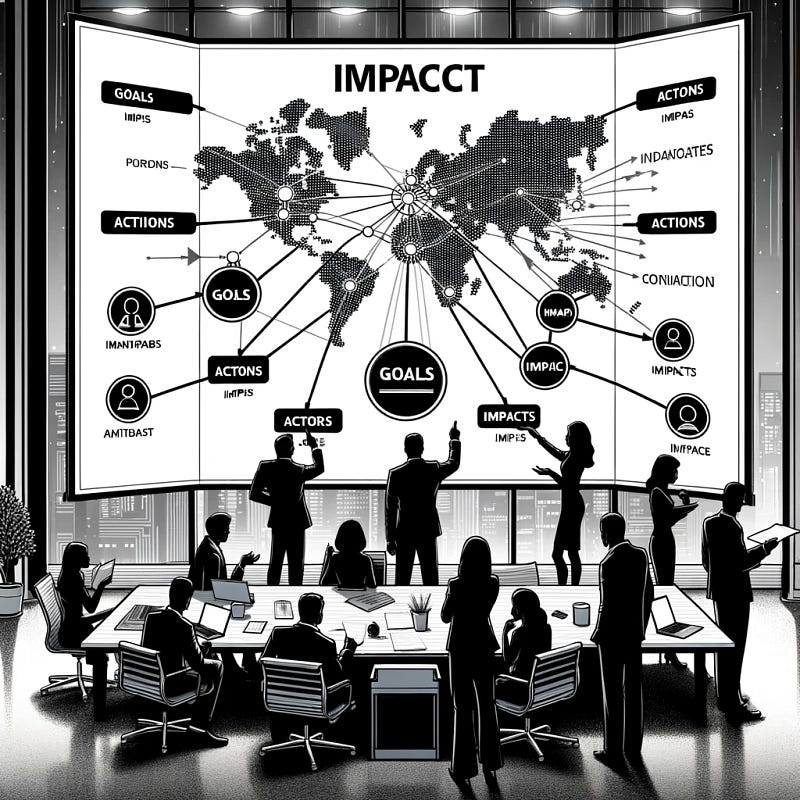
Why it’s important: Impact maps help teams focus on the underlying goals of a project and ensure that every feature, improvement, or piece of work directly contributes to those goals. They are instrumental in aligning teams around a shared understanding of what to build and why, facilitating more strategic decisions in the design process.
7. Design principle guides — Know what standards guides the path
What it is: A design principle guide is a document that outlines the core principles and standards guiding the design process and decision-making. It ensures consistency and alignment with the project’s goals and user needs.
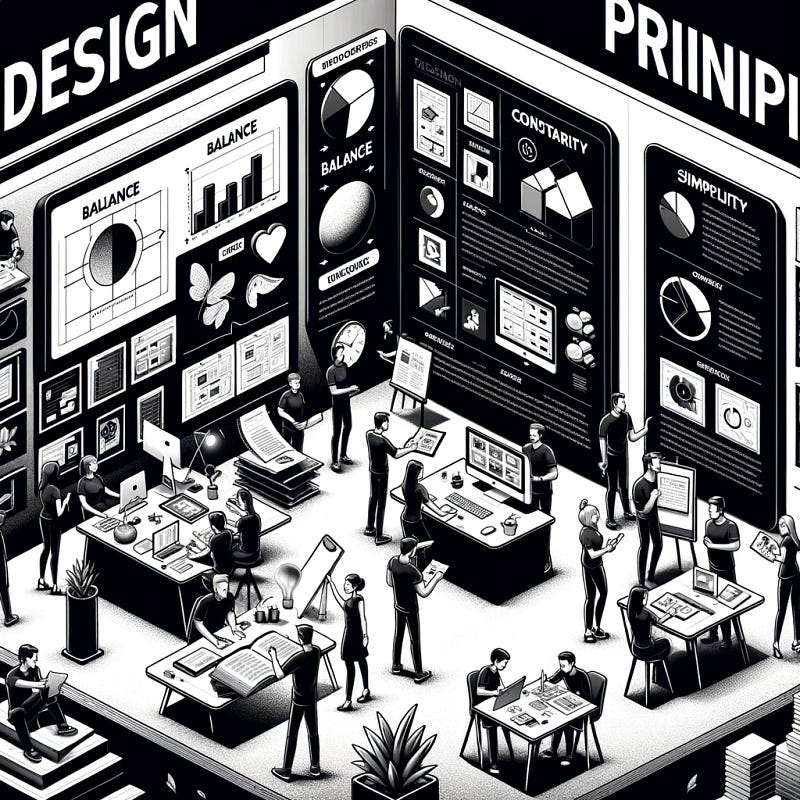
Why it’s important: Design principle guides serve as a compass for the design team, ensuring that all decisions align with the established values and goals of the project. They help maintain focus on the user experience and the strategic objectives, promoting coherence and integrity in the design output.
8. User feedback reports — Know what users think and how improve
What it is: User feedback reports compile observations, insights, and feedback gathered from users through various methods such as interviews, usability testing, surveys, and direct observations. These reports analyze and synthesize user feedback to inform design decisions. Today you can also leverage data analytics as part of this prcess.
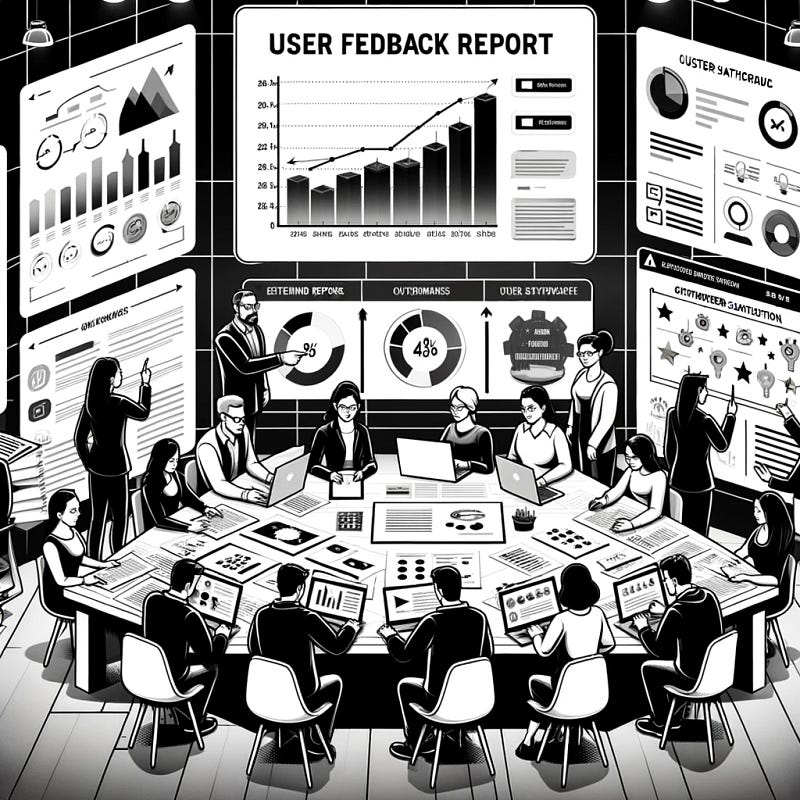
Why it’s important: User feedback is vital for understanding how real users interact with and respond to designs. Feedback reports help ensure that the design strategy remains aligned with user needs and expectations, allowing for informed iterations and improvements based on actual user experiences.
9. Prototypes — Visualize the solution
What it is: A prototype is an early sample, model, or release of a product built to test a concept or process or to act as a thing to be replicated or learned from. It is a tangible representation of part or all of a solution that allows for testing and exploration before final production.
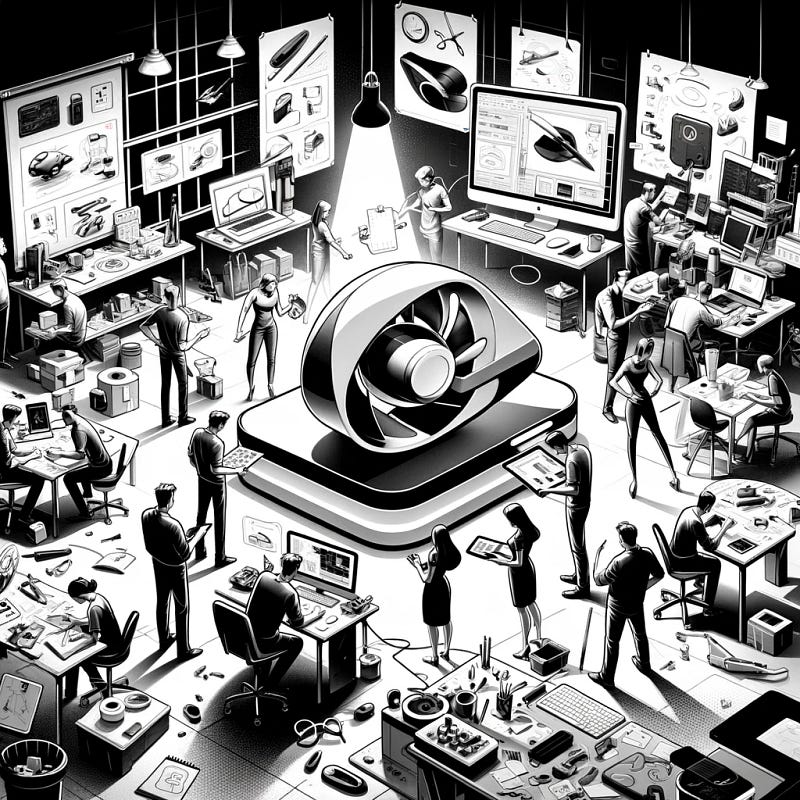
Why it’s important: Prototyping is crucial for validating concepts and designs before investing significant time and resources into development. It allows design strategists and their teams to explore ideas, receive feedback, and iterate on solutions, significantly reducing the risk of failure by identifying potential issues early in the design process.
10. Implementation plans — Know the plan to achieve the goals
What it is: Lastly, an implementation plan is a comprehensive guide detailing the steps, timelines, resources, and metrics for executing a design strategy. It bridges the gap between strategy and action.
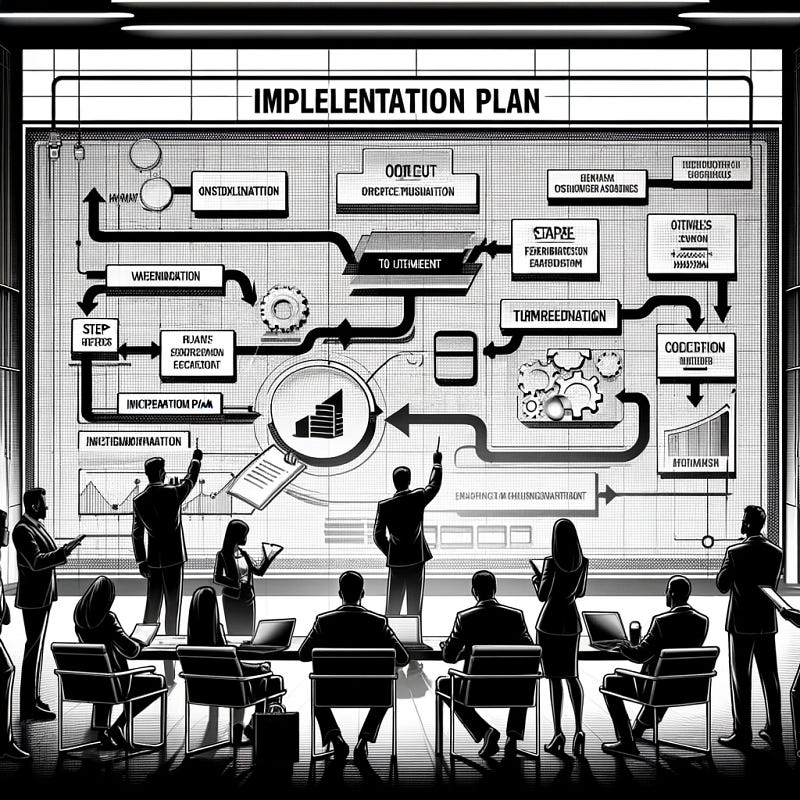
Why it’s important: Without a clear implementation plan, even the most innovative solutions can fail to see the light of day. This artifact ensures that there’s a roadmap to follow, making it possible to bring design concepts to life in a structured and effective manner.
Taken together, these ten artifacts are more than mere outputs; they serve as essential instruments within the design thinking process, enabling a methodical approach to innovation that is centered around the user and aligns with strategic objectives. It’s worth noting that in larger organizations, the task of compiling these artifacts can be complex and challenging.
This complexity is often exacerbated by the fact that artifacts may be scattered across different functions, and corporate silos and politics can impede the swift development of a cohesive Design Strategy. However, through effective communication and collaboration, what initially appears as an overwhelming task can become more manageable.
I wish you all the best in gathering these critical work artifacts. Happy design strategizing!

About me: Hello, my name is Kem-Laurin, and I am one half of the co-founding team of Human Tech Futures. At Human Tech Futures, we’re passionate about helping our clients navigate the future with confidence! Innovation and transformation are at the core of what we do, and we believe in taking a human-focused approach every step of the way.
We understand that the future can be uncertain and challenging, which is why we offer a range of engagement packages tailored to meet the unique needs of both individuals and organizations. Whether you’re an individual looking to embrace change, a business seeking to stay ahead of the curve, or an organization eager to shape a better future, we’ve got you covered.
Connect with us at https://www.humantechfutures.ca/contact


