
Too much CO2? Let’s eat it!
We are entering an era of generating food from chemical processes, bypassing agricultural crops and animal husbandry. Solar Foods has announced the opening of a factory in 2023 where it wants to produce 100 tons of food a year using carbon dioxide and bacteria. Is protein from CO2 the future of nutrition?
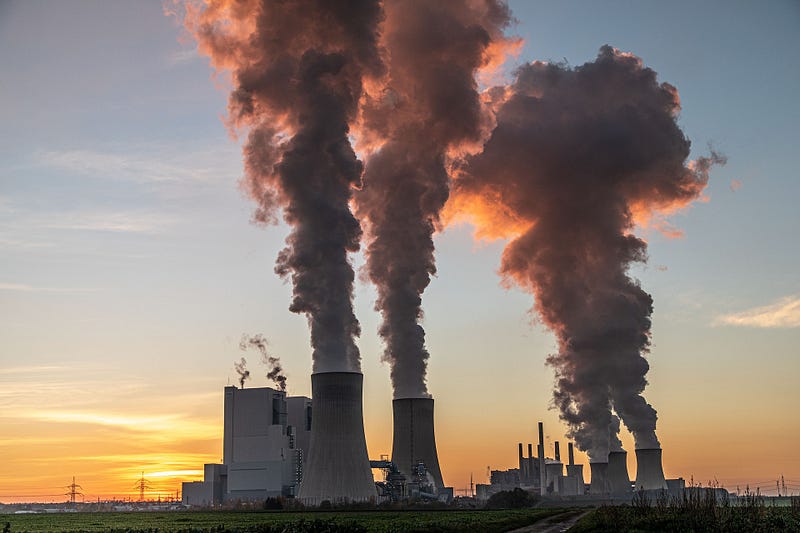
Solein — this is the name of the biochemically generated protein. It could solve the problem of feeding astronauts on distant missions, as well as free the Earth from the rigors of cultivation. The place of farmland will be able to be taken up again by forests and grasslands, the founders of Finnish startup Solar Foods argue.
Protein from bacteria
The company has succeeded in making a nutrient-rich protein using carbon dioxide from the air, hydrogen, electricity and bacteria. Solar Foods CEO Pasi Vainikka argues that the gaseous fermentation process used to create the protein is in some ways comparable to the method of making beer or wine.
“Wine making uses yeast, which is added to a sweet liquid. The yeast eats the sugar and changes it into carbon and energy to grow and release alcohol into the liquid,” Vainikka explained. — “We do the same thing, but our microbe doesn’t eat sugar, only hydrogen and carbon dioxide. The whole process takes place in a fermenter without using agricultural raw materials,” he added.
How to produce food in space
Solar Foods is a startup originating from the so-called ESA Business Incubator Centeres (ESA BIC), the European Space Agency’s space technology business incubator.
The company has come up with a solution to the problem of supplying food to astronauts on distant missions. Most notably the Martian one, which is planned for the next decade of our century. The ability to generate the necessary protein without creating crops could give astronauts some security. It could ensure that they don’t have to figure out how to plant potatoes on Mars.
But space missions are one thing. Feeding eight billion people is another, increasingly problematic issue. The more people there are, the more land agriculture must grab. Ancient forests are being cut down to make room for soybeans and other crops that serve both humans and provide fodder for animals.
Bacterial protein requires fewer resources
In addition, the process of obtaining food in the traditional way consumes many resources. According to Solar Foods, generating Solain protein powder according to their method is, on a per hectare basis, 10 times more energy efficient than photosynthesis. In doing so, it uses 10 to 100 times less water than growing crops or raising animals.
Solein contains up to 70 percent protein, 10–15 percent dietary fiber, 5–8 percent fat and a few percent mineral nutrients. In addition to protein, it provides iron and B vitamins. The company compares Soleina’s composition to that of dried soybeans.
“About one-third of the man-made climate impact is due to what we eat. And about 80 percent of that is the impact of animal production.” — Vainikka said. — “That’s why we need to significantly reduce the role of animals in the food supply system. Our Soleina is nutritionally similar to meat and meat-like products, dairy products or milk. And these are the products we want to replace.”
Food or animal feed factory
Solar Foods’ first factory is expected to start up as early as next year. Its goal is to produce 100 tons of Solein a year, enough for 4 or 5 million meals. The first batches will go to Singapore, which has allowed the powder to enter its market and be used industrially.
Solar Food is seeking similar permits in the European Union and the United States. However, many experts believe that solein powder should not replace plant and zoonotic protein in the human diet. It could, however, be well suited as an additive to animal feed. This would already be a sure solution to the problems of modern livestock farming and agriculture.
Cool that you made it to the end of this article. I will be very pleased if you appreciate the effort of creating it and leave some claps here, or maybe even start following me. It would be nice if you also left a tip! Thank you!


