
To Regard an Ecological Community
Please note that this is a work in progress. The running title for my manuscript is Finding Satori Within Nature. There are currently 14 chapters being edited. I will attempt to post the following chapter within 2 weeks.
Thank you for your collective interest.
Previous chapter:
The Quotes Journal: Part One
Usually at 6:07, I am tying on a pair of Kevlar boots in a morning meeting room while greeting forestry crew members at our tree nursery. Today, however, is Saturn Day, a beautiful balmy Minnesotan Saturday. An inherited bicycle is waiting for me to pedal to Ford Parkway once I write out this intro. A slingable bag full of reminiscence is waiting to be transcribed at a park or two. The sunny Summer forecast invites an adventure for constructive soul-searching under unexplored canopies beneath a clear open sky.
One peaceful bicycle ride later.
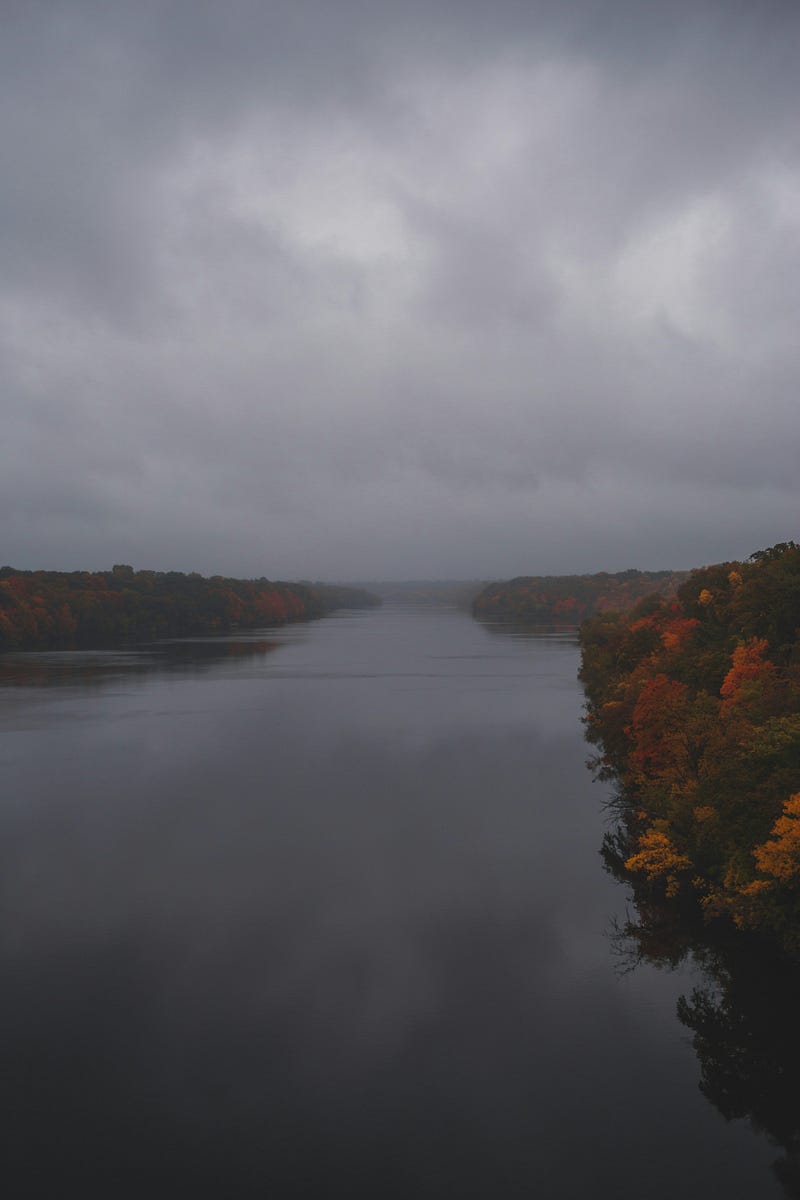
Crosby Regional Park of St. Paul Minnesota in the United States has a canopy of 60 feet spanning along beachy banks of the Mississippi River. Exposed roots overhanging the water are shooting up at the shore as some of the trunks have capsized. The Oaks, Maples, and the massive eight-foot wide Cottonwoods are firmly protruding upwards in unison. They feel us mammals running about in our scrambling manners above their roots. Chains of ideas seem to openly radiate out and up from them. Being aware of trees is to be and to feel Life in a safe public park. Parks are the place to write, edit, and read within. Writing encourages a more productive procurement of proactive idle moments. Days like these are what journals were made for.
Journaling for many is a productive facet for relinquishing pent-up jumblings of ideas. There is an honest attempt to capture and articulate observations and expressions into words. Compressing thoughts into words can be spurred from, say, a gentle floating leaf. There emerges an opportunity to portray the present moment. Journaling as a hobby helps an author to expel word amalgamations that a mind can hold. In a society distracted by screens, a simple pen and paper really does help determine where to focus ideas and goals. I will attempt to make the process of demonstrating my own peace across to you within this journal by describing moments where I was present with honesty and admiration of nature. May today’s journaling serve as a template for which I can edit at a later date.
Regardless of how winding and tangential these paragraphs may become, I must profess that there are incredible hidden intricacies of Life in Minnesota to explore and to be within. The beauty of this protected river canopy is humbling. It gives precedence and awareness to the staggering need for biodiversity. At the moment of this particular writing, I am hoping to convey an environmental justification for reforestation. Protecting biodiversity is of the utmost importance for the sustained survival of these ecosystems. I must bring awareness to conservation solutions because complacency in many instances means withering decay. Environmentalists are driven because we are losing beautiful ancient powerful intricate ecosystems faster than we are able to save them. As the years pass, we see more and more people sacrificing precious and organic quality to scroll their lives away indoors down a colorful…bright…screen.
This forewarning against getting lost in the internet void and instead getting people outside has become a driver to my life’s purpose. I believe the less we are intimately involved with the lives that evolve around us, the faster this Life will wither and die. We all require nourishment and attention to some extent. Accepting calmness and recentering helps us be peaceful within these settings. Inhale first, exhale next, then proceed. If we acknowledge the natural world’s existence from time to time, we may find ourselves becoming more intrinsic to our surroundings.
I look away from this page to contemplate.
Wrapped around the side of a large fallen Maple tree, my legs are jutting ten feet over the running water. The trunk is posing as an outdoor desk as I reflect upon how to become a better peer and professional. This Maple will not mind if I rest upon her slowly decomposing trunk. She majestically demonstrated just how useless social media is out here in the grand timeline of existence. Trees are blissfully carefree in their understanding of us. They are keen silent listeners who support whomever may climb in their branches, human or not.
There is turbid water fleeting below these trees. My dangling feet remind me of a lesson my father used to teach, “Inner peace is a struggle with ones’ self, not with our surroundings.” I feel this here and understand. Centering our focus on where we are and who we are within a place helps us to be more in harmony with ourselves in what we are doing. Finding situation peace for yourself is imperative for sustaining extended productive contemplative periods.
I invite you to assess who you are at this time. Let us take a few seconds of concentrated silence together.
…
I am here to formulate for you a comprehensible perspective in a natural scene to encourage your own implications and to be in a good place while I write. Journal provides a pipeline for my incomprehensible thoughts and this park provides our exposition. So I’d like to propose to you a perspective on Life that you may or may not have. There will be subsequent notes, observations, and solutions in this section on living peacefully and intentionally in hopes that you can also procure your own cohesive and workable strategy for peace. Making internal observations and external observations of the ecosystem’s health that you are in/near helps to demonstrate an achievable process for living peacefully. These strategies are imperative for ecosystem survival as we can provide them the voice that they deserve. May our reading conversation be well met.
Indulge yourself for a few seconds. Let’s look up from the page or pause the audio to absorb your immediate surroundings. Take a moment for yourself. Close your eyes if you’d like. I’ll join you. Let us take in three long deep breaths and continue slowly. What do you hear? Inhaling, I close my eyes. From my current perspective, I am hearing a plane take flight from the Minneapolis-St. Paul International Airport. Interstate 494 flows in the distance. Breathing out I hear a Robin’s high pitch ‘ts-ts-ts’ to my upper right. Upon opening my eyes there is a lady in black garments strolling toward me calmly along the Mississippi beach. She and I are wearing similar pairs of hiking shoes. We both have metal drinking cups at our sides, presumably both with a good cup o’ joe or tea. We maintain eye contact for a short smile before she peacefully glances down at my notebook and journals lying on the trunk. What is she consoling in herself out here in the forest breeze? Her eyes wander about me as well. Maybe she wonders what is there to write about out here along the river? She continues on. I look out over the water.
A Northern Red Cardinal (Cardinalis cardinalis) has caught my attention. Easy name to remember isn’t it, Cardinalis cardinalis. He is a common bird around the state, yet nonetheless beautiful with his bright red coat of feathers. This one is flaring his crown and fanning his tail. He is ever so carefully leaning as far as he can to the right while intently maintaining eye contact with a female. Look at them. She watches his carefully coordinated practiced balanced bobbing invitation. She obliges and they fly off together. To simply see wildlife living alongside one another without disturbance is to acknowledge an inherent healthy dynamic in the area.
The canopy sways
A breeze expands underneath
A breath of fresh air
Bare feet silently slip forward on the trail near my perch. A woman is enjoying her flowing maroon shawl along the trail in the Summer wind. Her hand is held by a lover who wears tight rain-deflecting gear herself. The couple passes by gracefully as I look back down over the trunk. Atop are my circular shades, this notebook, and my previous commercial. I have chosen to leave my phone at home to be able to be here. Can you imagine enjoying a peaceful day because you left your phone at home? That can be an uncomfortable thought for some of you. Currently, it is putting me at ease. I am unattached, free. There is a feeling of comfort now that I am quite settled in for the next couple of hours. At long last, there is another journal to reread and explore.
Upon the inside cover page is a colorful pastel and pen drawing of my old Smart Car’s interior from this past Winter. The is an old knit pair of mittens drawn in blue on the dashboard. A green parking permit is where the rearview mirror should have been. An incense stick is lit, burning away. Probably filling the car with Nag Champa (Magnolia champaca) or myrrh (Commiphora myrrha). It protrudes out of a heating vent. I loved that car before the accident.
There was a rush of inspiration that came over me that day when this journal’s first entry was realized. I was having an internal debate on how to go about implementing functional improvements to natural resource systems. It’s a cold memory of sandy roads echoed with the occasional distant trumpeting call of Sandhill Cranes (Antigone canadensis). I’ll check back in after this first transcription.
A path to success has been found in this new year. Today I am celebrating being hired for a ten-month position with the Conservation Corps of Minnesota and Iowa! What better way to enjoy my last day of unemployment than to explore a park. Today, I’ve driven to the Carlos Avery Wildlife Management Area in rural Columbus Minnesota. There are 23,000 acres set aside for animal privacy, hunting grounds, and the headquarters for some local environmental officials. I hope to just get lost on purpose. Join me on their 9-mile (14 km) self-guided tour.
I’ll be honest with you, I’ve pulled over immediately upon entering as the navigational signs are difficult to interpret. Those who are directionally challenged probably would have trouble loading their GPS out here, but honestly, I kinda prefer orienteering anyway. We specifically don’t want cell towers out here because there is wildlife to be left alone. I feel comfortable heading in knowing I may get lost within.
I have driven into the snowy parkway with my itty bitty two-seater to what looks like a trailhead of sorts. Wooden displays could mark this as a pathway someday. For now, what will have to do is this low metal plaque on a boulder. Hmm…apparently in 1991, the Minnesota Department of Natural Resources built logging roads into these forests. These sandy roads should provide for an excellent makeshift hiking trail system. Let’s enter.
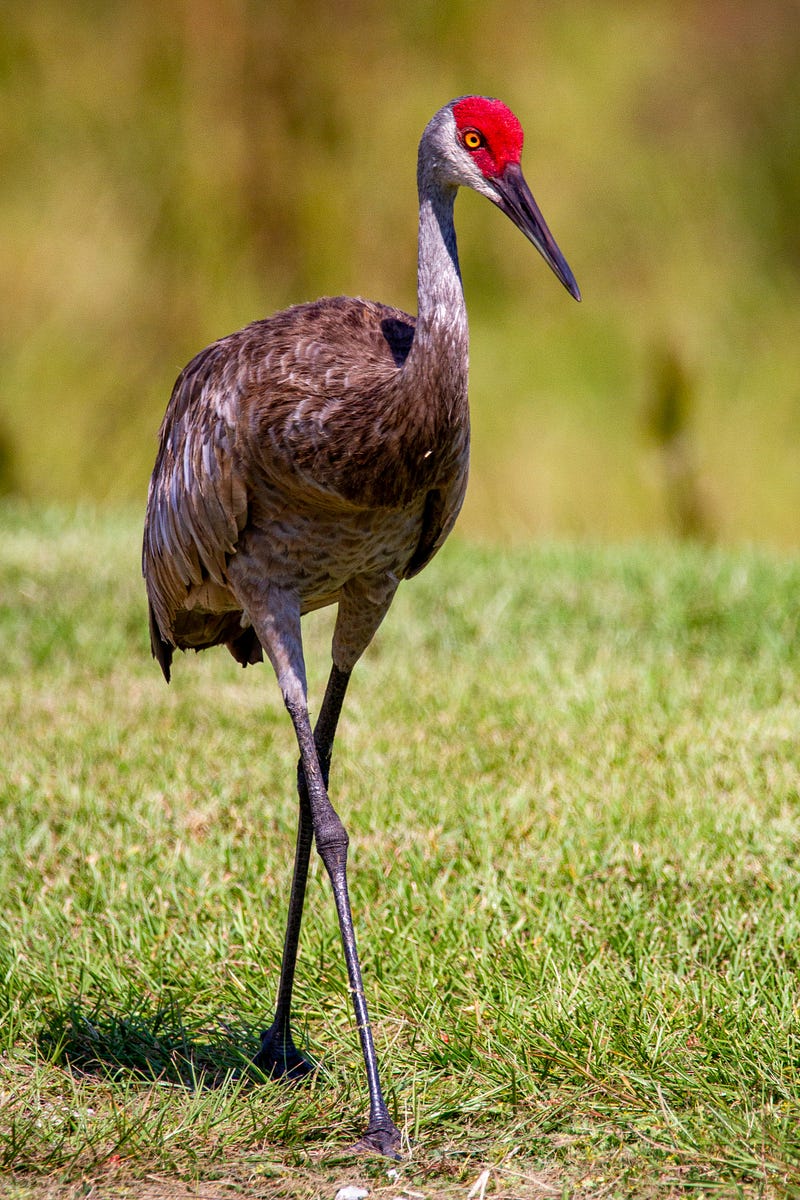
An outdated pamphlet I picked up at the entrance states there is an eagle’s nest larger than my car nearby, though I don’t see such a sight. Ospreys are hovering above the canopy searching for a meal in the marshland. A group of Sandhill Cranes are currently feeding there instead. They calmly wade through the frozen marsh, elegantly lifting and placing their legs carefully with every step. The majority of their populations flew to Nebraska and Florida for the Winter, but this bunch is eating just fine here with all the rodents making their tracks in the snow.
There are hints of rampant poaching and the signage really needs a bit of updating. The ‘trail system’ exists, technically, even if the hand-drawn map doesn’t seem to display as much. Other than the infrastructure issues, there seems to be a booming ecosystem. Life out here is being protected due to its obscurity.
The decades-old drawn map is guiding me to a few sites down an unmarked one-way dirt road. I am now standing where there was originally a fire tower. A nearby desolate grown-over railroad line has been subjected to decades of silence broken only by the booms of shotguns in the not-so-far distance. The tracks idly lead nowhere, peacefully forgotten. I should get back to the car though. I don’t want to get splattered by a hick who can’t distinguish me from a passing deer. I have officially come to realize that this park has been truly abandoned.
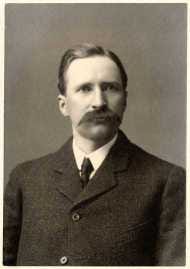
Looks like Carlos Avery’s original headquarters date back to the late 1910s. He originally set this land aside as a means to reduce hunting pressures. His overharvesting observations are being rerealized though. A worn-down truck passes by the blatant NO POACHING sign near where I’ve parked. He has a large dog in the passenger seat. There are sadly more shotgun shells scattered along these dirt roads than expected. This is a biodiverse sanctuary for wildlife and it is incredibly disheartening to see this beauty being abused by both loggers and poachers. The old headquarters have obviously been demolished and removed years ago, but I feel there is still a quiet heartbeat to this park. It remains, subtle, pulsing still.
The answer is complex no less to justify a sustainable life. When nature writers talk about divestment, reforestation, and manual labor, there is the ubiquitous responsibility to provide solutions for environmental justice. Writers describe HOW to protect life. The implementation of environmental protections here has continued to wane over the past century due to a lack of funding and systemic upkeep. Yet, the area does have the potential for more modern conservation strategies. The user-unfriendly self-guided tour, for example, does not grab the attention of youth as much as it grabs away the attention of those who are driving. This could easily be adapted and updated.
The park was established in 1938 to prevent an imbalance of wildlife populations to protect habitat. A politician with an affinity for wildlife, the park is named after Carlos Avery because he slaughtered animals and abused…no that’s not right. He managed the landscape by relaxing regulations and disintegrating infrastructure to…no that’s not right either. The land has been set aside to encourage habitat destruction and overharvesting, headless timber sales, and claimable hunting grounds. This much is very true. Educational grants are denied so poachers can hunt as much as they want without restriction. This is why Mr. Avery established the park, right?
We could provide an economic stimulus to the 9-mile scenic wildlife drive with signage and by updating the pamphlets. Geographic Information Systems (GIS) mapping has come a long way since whenever this one was printed and could assist in non-intrusively plotting out the existing landmarks. Not to mention the ones that are no longer present. Prepaved hiking trails could have displays with modern GIS photography and information ensuring the longevity of this conservation. Simple bright detailed accounts of animals, fungi, and plants who live here could be pictured on a sign to solidify who we are protecting. Historical panels, ‘What Do You See?’ panels, orthophoto map panels, and maybe even panels simply justifying this preservation in the face of our environmental crisis. If funding would allow, viewing areas could be built where there are concrete foundations that currently lay dormant. There are 180 degrees of wetland where I am writing this page that stretches out 1000 feet in each direction. This is quite the spot for such display panels. A fluidity of public outreach can ensure visitor education. This park does have the potential to be an environmental research hub and an academic resource. Signage with the mindset of carrying out what we bring in could be implemented to set up guidelines to reduce trash. A new fire tower could be built where the current pamphlet says there was one. A set of quality wooden signs should guide traffic in and out. All of this infrastructure can be installed, again non-intrusively, along the one-way drive without having to introduce the damaging wheels of construction trucks. These are not hunting grounds. These are grounds for Life to flourish with and for us to respect.
I am back in the car for a new parking spot and to warm up.
A forest nursery used to operate near the entrance. A massive clearcutting campaign started back in 1989 due to lack of funding, the pamphlet continues. Unfortunately, there is now noticeable chaotically-harvested deforestation along the trail today. Wasted timber cuts have torn through this landscape, scarring their somewhat manageable forestlands. I stand in front of hundreds of trees cut, dozens of which lay degrading back into the soil, wasted.
275 species of birds were documented to inhabit this area when the last wildlife managers were here. 26 wetland pools have provided nesting locales for unique birds to claim. One such species is the Bank Swallow (Riparia riparia). They house themselves on the sandy beach bank during the hot summers. Yellow Blanding’s turtles’ artlike shells resemble old army helmets. Fascinating creatures; they breed at the Sherburne National Wildlife Refuge not too far Northwest of here. Simply put, this park was established by naturalists to protect animals who will otherwise die without these havens.
I wonder how old these wetlands are. How long did they take to settle into this form? 4,000 years? 40,000 years? 400,000 years? What animals did Mr. Avery want to protect in 1917 when he convicted poachers as Monnesota’s Game and Fish Commissioner? He must have appreciated Gifford Pinchot’s conservation work a decade prior. The park brochure reads that Mr. Avery, in a similar fashion to Mr. Pinchot, helped draft legislation for a national forest for Theodore Roosevelt. With the President’s input, Carlos Avery was able to help establish the Superior Forest Reserve in the 1930’s.
What are the current implementations of his original environmental protection plan? A simple update does not mean new buildings or even the need for energy infrastructure. That which exists now was put into place expecting to be amended eventually. What this park needs is a dignified revamp for the next 100 years. This is a park that is justified in the minds of those protecting it. Mr. Avery respected this land well enough to fight for it. He saw a future for the muskrats, the Great Egrets, and Black Crowned Night Herons. He set up systems for saving local wildlife specifically here by preventing overharvesting. As I watch yet another beaten-down truck drive past with a dog in tow, visitors can see that this is no longer what Carlos Avery envisioned.
There is an opportunity for modern naturalists to protect these lands again. This park could be an environmental resource again. Hikable trails already exist, albeit the lack of safety from the occasional illegal rifle shot. The young generations growing up with these climatic changes can learn from a tangible place what Life was like before we destroyed it. There is a foundation for a land receive that could flourish. This deserves an environmental research and evaluation plan.
It is now 6 in the evening as I finally turn on my Smart Car for warmth. My circulating breath is no longer enough to keep my windows from icing over. The landscape around me can no longer be seen. If I hold my finger up to the window just long enough before the sting of frost, I get a peephole out to the dirt road for several seconds before the frost consumes it again. In a spur
I’m glad I brought extra ink! In a spur of creative intrigue, I have grabbed from my bag a fresh unlined journal and a box of art supplies. I think it’s time to do some artwork of this frozen car’s interior. I’m signing off.
In the six months since spending the day at the Carlos Avery WMA, I have learned to appreciate writing more freely about how I would revitalize Minnesota parklands. There are so many explorable parks to love here. In the far northern reaches, there are the Boundary Waters Canoe Area, Voyageurs National Park, and the Lake of the Woods. All of which I have yet to be within. These lands hold waters that we will continue to protect. Mining within these preserved havens is a pathetic excuse for capital gain. I shame those who are unwilling to reuse the materials we already have in heaps. We are wiping away millions of years of evolution for what, car batteries?! IMMENSE masses of Life have already been stripped from the wetlands and waterways. We can find resources in plenty when Life is left to their own whims before the needs of the human population. We all have these materials lying about, more goods than we will ever be able to utilize just sitting, rotting in our incredible wastelands: our junkyards and landfills.
To interrupt modern-day implications of what Carlos Avery had conveyed to lawmakers in his day is to consider what infrastructure we have in our toolkit to work with now. Usually, this process requires legislation to restore environmental injustices plaguing the United States through economic support. There are underfunded wetlands across this continent and all over this world that wildlife managers continually protect. We allow these flourishing inhabited lands to survive by proactively setting aside environments to save them from ourselves. The function of a wildlife management area is to regard an ecological community as a multifaceted amalgamation of naturally working components. The system works when there is holistic inclusivity of healthy species that help the whole. We call this ecosystem biodiversity. A community lives better when every resident lives better.
To save our resources, we must save wildlife and the land they evolved to live in. To interact through conservation and preservation. Constructive environmental management does occur when funding is utilized to research how multiple species have evolved to live together. Through observation, we learn the preexisting solutions each phylum and community has implemented over the millennia. Back from longer than our species has been walking. Think of a wolf pack. The best way to handle their territory is simply to give them space to let them be. Or, say, a heron. Let them have fish to pick from. Even bumblebees have taste in which meadows they frequent for supper. Let them show us which flowers to propagate. To conserve is to characterize the successful traits of a species within a community and to determine how we can perpetuate their specific adapted solutions. Then and only then can we really consider sustaining a human presence. This observational and conservation-directed method helps Life thrive during human existence.
If you would like to see this project turn into a tangible published book, consider donating here!
Next chapter:
Copyright 2023 Casimir Curney. All rights reserved. No portion of this book may be reproduced in any form without written permission from the author, except as permitted by U.S. copyright law.


