
The Soil is Respected
Please note that this is a work in progress. The running title for my manuscript is Finding Satori Within Nature. There are currently 14 chapters being edited. I will attempt to post the following chapter within 2 weeks.
Thank you for your collective interest.
Previous chapter:
The Fire Journal: Part One
College was where I learned to type. The Carlos Avery Wildlife Management Area was where I learned to type for myself. Taking the time to jot down ideas and filter through a racing mind in the backwoods was exactly what was warranted to process the gibberish and gobshite that comes off the tongue at times. While at university, students not only learn how to consolidate, research, and present data, there is also a useful lesson in finding our own voice. I would take a hammock and set up a writing spot just off of campus to write about the misplaced ethics of hydraulic fracturing or linear consumerism while sipping on steeped pine needles. The campus had several White Pine (Pinus strobus) to snip for tea or maybe even to climb.
It was on a weekend, one where you just have to take time to yourself and stroll downtown when I stopped into a local bookshop rather happenstance to purchase my first set of pocketbooks. A set of six would eventually be filled with study schedules, playlists, idlings, and any odd random passing ideas. They gave me the ability, for example, to write down a thesis that came to me while out at a Noodles and Company with friends on our way to a state park one weekend. I realized in that moment the power and opportunity that journaling can lay out before us. The material from those first six is all but lost except a quote I retained from an interview that has become important to me:
“You’re never thinking about what people are gonna think about what you’re thinking about because you just assume no one’s gonna listen. That’s the honesty part of it all.”
-Courtney Barnett. The World Cafe. 2014.
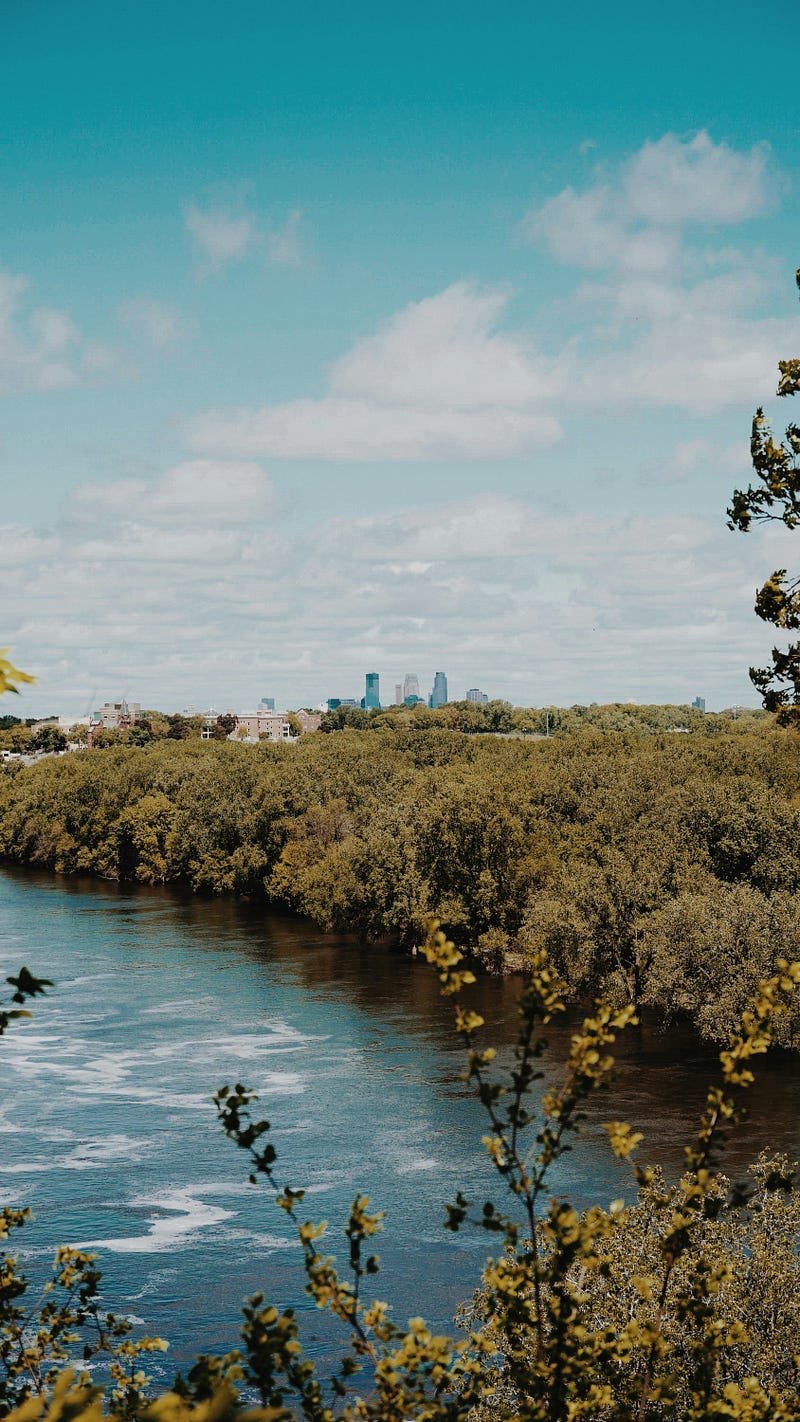
The Oak trees at Crosby Park here in St. Paul are towering over the Mississippi River as I write this. Their large green leaves signal to the passing birds that here is where their habitat is; here is where to rest. Here is where the best nesting areas are where one can sing a song. Each male can display his flair for color. Females can match their tune to his and watch him dance, making their decisions. They chirp together when their eyes finally meet.
I’ve picked up my Fire Journal and am paging through it, seeing where I left off. A randomly flipped page brings forth a drawing of a Hackberry tree (Celtis occidentalis). “Fall will bring edible fruits,” my caption says. Observations, doodles, and house designs follow. Along with all my various to-do lists and entry-less scribbles. I sit here enjoying a flip through in the wind underneath the canopy considering staying out at this park all day.
An eight-oared boat is slipping by on the water. The graceful rowers are skilled enough to likely each own their own boats someday if they can afford them. Until I make a decision otherwise, I am offered a read of my first entry with the Conservation Corps of Minnesota and Iowa as the boat passes…
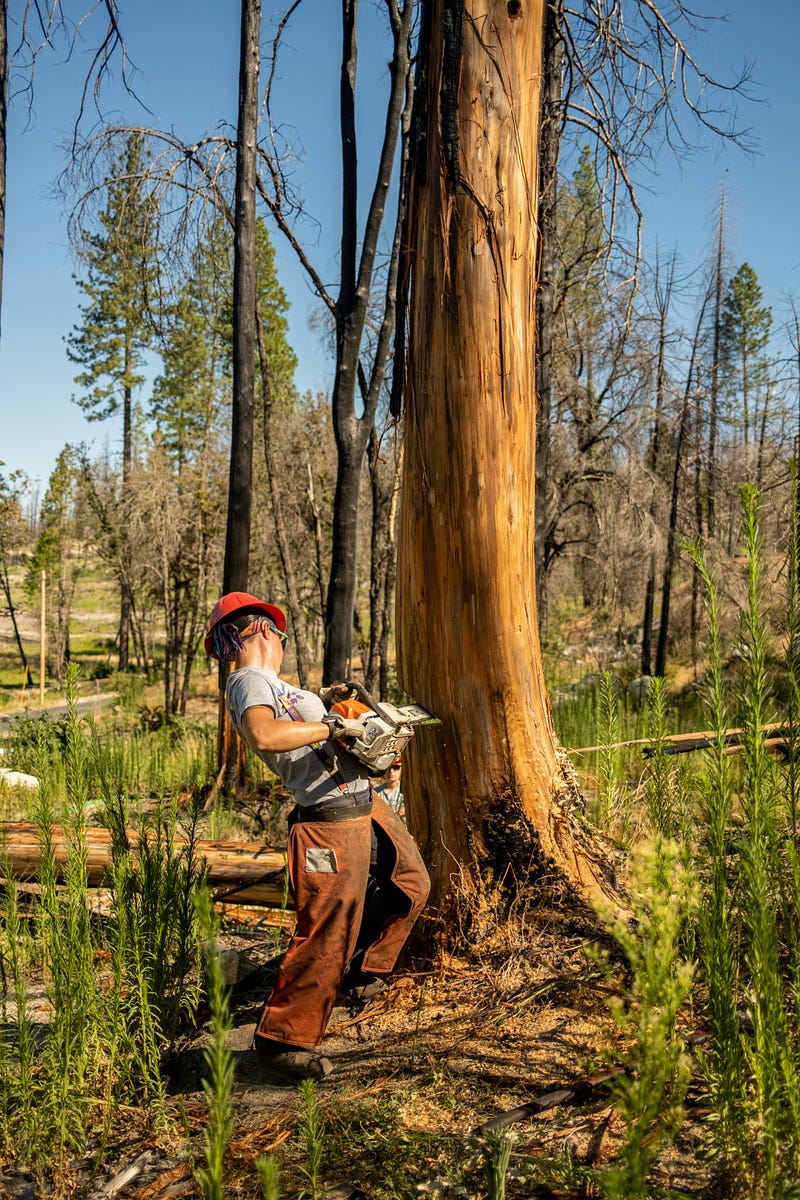
I met a forester from our project host The Three Rivers Park District named D___ today. His 30+ years with the Forestry Department stationed at the Crow Hassan Park Reserve have me asking him about the history of these lands. I wonder how much the Conservation Corps of MN & IA crews of decades past have contributed to the resiliency within the state’s woods? How many acres have been rehabilitated? The park board’s business model helps to convert what was once farmland into biodiverse wildlife-supporting woodlots and recreational areas. D___ estimates he has seen 2.1 million trees and shrubs planted in the district in his day, either by his hand or under his direction. I wish to be able to say as much when I am his age.
D___ took our crew to the Baker Park Reserve to gauge our tree identification knowledge for when planting season gets underway come springtime. Basswoods, Oaks, Maples, Aspens, and Pines each provide levels of windbreak, aesthetics, and various ecosystem services such as transpiration, soil retention, and water purification. I walk next to another crew member named D_____. He tells me there are Ironwoods in these trees. The group comes up to an Ash tree and D___ begins his lesson, “To prune a tree is to establish a centralized trunk to guide the branching in an upwards motion more so than outwards.” (SIC) He demonstrated the three-cut method to trim off dead weight. The first cut is halfway through the top of a branch to prevent the second cut from ripping the bark when the branch falls. The third is at a slight angle at the trunk to allow the bark to seal over the exposed tissue. I have expected teaching moments such as this. So far, all we’ve really done was drive a skid-steer last week. We were assured fire and first-aid training upon being hired, so I’m looking forward to that.
A stroll during lunchtime around Baker Park is giving me time to look at the Hackberries and Cherry trees in detail. Hackberries have corky bark, as everyone keeps telling me. Fall will bring edible fruits. Up close, they look more like an insane topographical map of a cylindrical planet towering upwards and covered on every surface with canyons for ants to travel upon. The Cherry trees are budding. Their ruby red buds taste stronger and drier than their fruit.
Later that same week…
Since the rest of the crew is participating in a fire training refresher at our project base, ‘the shop,’ crewmate C_______ and I (who have not been certified yet) are heading to the Elm Creek Park Reserve to the North of Maple Grove to team up with the Wildlife CCMI crew. I hear we will be burning brush piles of invasive species collected by last year’s Corps crews.
I had a chat with B____ from the Wildlife Department as we arrived. “There are 160 acres of scrappy cedar fields being reverted into deep-root tallgrass prairie.” The diameter of one of the previous burns lays out on the ground 50 feet across. He is giving us the rundown of our duties and says, “In five years or so, the hope is to see animals that used to inhabit this area such as the Blanding’s Turtle.”
A____ (?) from the Wildlife CCMI crew is watching a pile burn 150 feet Southwest of us. Another gal S____ is listening to the Adventure Zone podcast with her pile to the right. To the East is T_______ (?) and C_____ burning away a stack that is towering into a massive smoke cloud looming up into the sky. B____ and I talk as I set aflame my assigned brush pile which is now crackling away as I write. I can just picture all the Big Bluestem, Lead Plant, Bushclover, and all the prairie grasses they plan to scatter here soon. I can’t wait. “The area was predominantly a Basswood forest in transition before becoming a prairie when the settlers developed the region,” he says.
This park system has had 27,000 acres restored across urban and suburban Minnesota. The Forestry Depart at the 3RPD has what I have extrapolated to be a 7-step reforestation process that spans decades: seeding, nurturing, harvesting, site-prepping, burning, invasive species removal, and of course, the climatic planting overhauls. Each division in the system has a proprietary methodology so I won’t go too far into detail. Thankfully, the district has successfully reforested thousands of acres because of these methods during its tenure. Time to adjust the wonderfully aromatic crackling brush pile.
The river flow has me silent as the slowing of my pen brings attention to an increase in my focus on the ecosystem around me here at Crosby. Trees come in waves over the course of millennia. Imagine 200,000 years of growth and species maturity edited into a 200-second video. Their existence flows through the ages like green water, ever-changing and adapting. Zooming perspective outward reveals our role within our current global status. How many trees were planted on planet Earth today? :) Zooming further out more existentially, we can give awareness of who we are as a species. How long will time pass until humans stop growing appendixes? Zooming inward and more localized, we can give attention to others within our eyesight. The water has an inexhaustive neverending pull to it. I sit here on a massive organism that is literally supporting my life.
Focusing our perspectives can teach us to live around ourselves. We constantly focus our smiles, disgusts, and compliments toward each other. I implore you to accept that all living beings, plants/bacteria/animals/fungi, all have the ability to conduct perspective focusing. And if you don’t mind, the next Fire Journal entry is about to head off in a different direction.
Let’s go this way…
I can’t help but keep myself in an international mindset when networking. My good friend C_______ holds this morality as well. She has been suggesting that we travel to Asia together next Winter. I would love to do so to learn about their forestry practices. If we go on an excursion, I want to research the role of ecofeminism in traditional farming cultures. Measurable extensions in droughts are causing heavier monsoon seasons. These changes in the water cycle are, without a doubt, disproportionately affecting the already belittled societal role of rural subsistence farmers. Many of whom are neglected women.
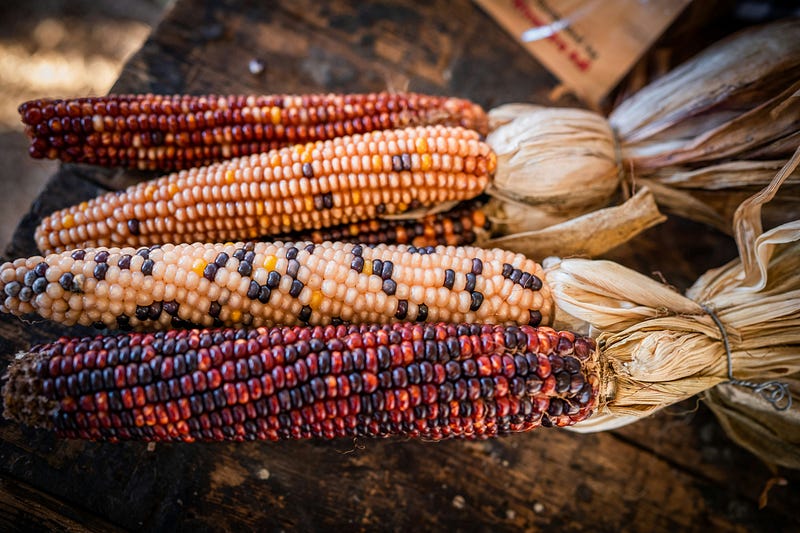
I am interested in studying the fight against monoculture-incentivized corporatism and how we can prevent the exploitation of women in the economy. Peaceful organizations, such as the Chipko Movement in India, are leading global-scale efforts to protect ancient heirloom foods grown for thousands of years through biodiverse farming methods. What we refer to as permaculture these days. Bayer and Dupont actively profit by indirectly causing the extinction of these plants. Numerous basic grains have evolved to propagate their genealogies in the presence of fellow species to gain a variety of nutrients. The ecosystems were healthy until Monsanto seeds and tractor farming came into practice, not to mention the withering effects of chemical sprays. How are local wilderness managers implementing a balance between heirloom harvesting and tree planting? Does this occur without utilizing the burden of imperialistic business offers?
Here in Minnesota, traditional harvesting methods have been under constant oppression from the weaker monoculture crops. The ancient constructive and successful natural traditions of old are still in use, one just has to look for them. There are crops with the ability to grow through the harsh Winters unassisted by human chemical engineering if cared for naturally. Local elder and water protector Winona LaDuke travels on her Life’s journey to teach stories of the biodiverse foods from the old times. Cold-season crops survive the cold snaps because they are not tilled. The soil is respected and left to rejuvenate nutrients. The forests and meadows produce all the food one could ever eat if we let them grow. Early peoples were able to feed themselves on maize, squash, beans, animals, and wild rice all harvested in sync with the environments and seasons. There was no construct of selling a species as a product. How about snacking on a plant that you didn’t know was tasty knowing it wasn’t sprayed? A native perspective holds a mindset that isn’t driven to commodify, but rather to respect and coincide with as an equal. The ecosystem communities thrive because the residents are a part of this biodiversity.
The Sioux and Dakota peoples here in the Midwestern United States fought for months in the public eye against a corporation named Enbridge. The native communities lost THEIR land that was not for sale. The company bought them out regardless and forced the construction of a pipeline. All the while being told NO by thousands of natives and allies who came to protest and protect. Over a third of a million gallons of black tar oil has now leaked onto native land directly caused by this construction project. Enbridge has very effectively destroyed square miles of the local water table that potentially will be unable to purify itself again. We cannot replenish the resources we extract from Earth. This process occurred over millions of years. We cannot keep the land viable for habitation at our rate of consumption. In some areas of this planet, there is now simply dead and dormant water.
I want to eat where we can forage in the forest safely for lunch in such a way that the ecosystem can replenish itself without this being a privilege. Places where we can be free from spending fossils for energy; away from the drip of petroleum. Fossil fuels and the mining industry are admittedly a very successful set of systems that have progressed human civilizations and lifted the world economy. This may be true albeit with horrific externalities. I do enjoy the romantic American Dream concept and have admittedly been forced to enjoy it. Yet, the reality of habitat destruction of miles and miles on a daily basis can be disturbing the longer one thinks about this. Communities who respect their local ecosystems are silenced by intense amounts of corporate profit.
Where in the world have there been established energy sources that haven’t accepted the devastation of these imperialistic effects? Why is it so difficult to accomplish this after all the advancements in civilization we’ve built? Why are we being denied places to live where the land hasn’t been tainted or trashed? Is there a place on this planet where trees are being planted faster than they are cut down? I bet there are places where coal mines haven’t reached. I bet there are places where oil remains in the soil, making the local waters naturally iridescent, untouched, and left to Earth where it belongs. There must be a place to live where farmers sell their goods fresh in carts or in boats, where it is normalized to bike and walk to work without breathing in fumes. I desire to visit and live in these places someday.
When our CCMI term began, we went around telling each other what niches we had in mind to have a successful year. Some of my peers wanted to attend a graduate program afterward. Many said they joined for the networking opportunities. I, in juxtaposition, had just written this opinion piece. I said, “I want to write a paper of sorts. Maybe a succinct wildlife management or reforestation plan.” Well, here I am, reading my thoughts about biodiversity along the ancient Mississippi.
We each have our paths in Life. Each of us must find a way to survive. Humans can choose to play guitar, shoot on a camera, or trim trees. Others choose to code, brew beverages, heal people, etc. I would like to make a comparison to wildlife now. Similarly to our job structures, every species of animal and plant you have ever seen has a job, a niche if you will. They are alive today because of it. Tent Caterpillars make prism-shaped webs before metamorphosing. Black Bears (Ursus americanus) become functionally dormant for months on end to survive bitter Winter climates. Ferrets adapted to scurry and slither away from predators and toward their prey. Bur Oaks grow ever-thicker bark during the cold seasons to persevere and propagate through wildfires in the warm season. Every single species on Earth has found a niche, even the ever-so-slight differentiation of Finch species have their flair for their mating dances. The trick is that we all must enjoy these occupations while existing ethically. To not parasitize others’ resources to survive. The possibilities are innumerably extensive on what niches we are capable of. There are always going to be those who get by in this world by exploiting others. Ethical life choices become our duty to prevent normalized exploitation and to have a sense of social justice for the wrongdoings of environmental communities. To manage an ecosystem is to procure and sustain the balance of ethics and exploitations made by the organisms in and around an established community.
If you would like to see this project turn into a tangible published book, consider donating here!
Next chapter:
Copyright 2024 Casimir Curney. All rights reserved. No portion of this book may be reproduced in any form without written permission from the author, except as permitted by U.S. copyright law.