avatarDesiree Driesenaar

Free AI web copilot to create summaries, insights and extended knowledge, download it at here

2286

Abstract

poets about rules and what flexibility can be allowed and what is too far out of the zone.</p><p id="a2bf">Haiku attracts many people from different angles. Some of my mates came to it from a language perspective. Love for words, rhythm, and surprise endings.</p><p id="4b0c">Some came to it from a spiritual perspective. They bathed themselves in the meditative aspect of haiku. And some others were haiku-police-people. They followed strict Japanese rules.</p><p id="03fb">I’m somewhere in between. I love the rhythm and word-sounds. I love a subject that triggers more than meets the eye. And I love the intuitive flow when nature speaks to me through haiku.</p><p id="4706">And I realize that haiku in a Germanic language like Dutch or English is completely different from haiku in Japanese.</p><p id="f303">Their feeling of words is different, their letters are more like images. And their animated spiritual tradition creates a soul-centered life.</p><p id="993d">I want to be part of it. But I can only do so in my own way. Combining our cultures, merging, feeling my way to see where the boundaries are for me personally.</p><p id="5f79"><b>So, my personal conclusion is: it’s good to know the rules so you know where to bend them and when they’ll break.</b></p><p id="1473">If you want to check out the rules of haiku, you can do so in this funny story by <a href="undefined">Charles Roast</a>.</p><div id="3ece" class="link-block"> <a href="https://readmedium.com/a-haiku-by-chuck-roast-a21d54412594"> <div> <div> <h2>A Haiku by Chuck Roast</h2> <div><h3>About Chuck Roast, of course</h3></div> <div><p>medium.com</p></div> </div> <div> <div style="background-image: url(https://miro.readmedium.com/v2/resize:fit:320/0*YxaSogm-EwLatKkP)"></div> </div> </div> </a> </div><p id="050e">What I also like is the fact that haiku triggers the senses and sharpens the head-heart-connection. When I write with some of my clients, we walk a silent walk in nature. All our senses wide open. And then I ask them to write three lines.</p><p id="0220">Two about actual physical observations out there and one about an

Options

internal observation. The most insightful poems emerge… Maybe not haiku as such. But beautiful!</p><p id="5d7d">Thanks to <a href="https://medium.com/polyglot-poetry">Polyglot Poetry</a> for publishing my haiku.</p><p id="696c">Thanks to <a href="undefined">Salam Khan</a> for asking me the question: “do your haiku in both languages follow the 5–7–5 syllabic meter ;) ?”</p><p id="2ff8">This is the answer, Salam. Not always. Flow, and sound, and image are sometimes more important for me than haiku rules…</p><p id="0ffa"><b>Happy haiku writing…</b></p><p id="58b5">If you want to connect, you can find me on <a href="https://www.linkedin.com/in/desireedriesenaar/">LinkedIn</a>, <a href="https://www.facebook.com/desiree.driesenaar/">Facebook</a>, <a href="https://twitter.com/driesenaar">Twitter</a>, <a href="https://www.instagram.com/driesenaar/">Instagram</a>, or <a href="http://www.driesenaar.nl/">my website</a>. Or somewhere feeling flow, tasting words, and trusting the process…</p><h2 id="adb7">Further reading</h2><p id="21af"><i>About the author</i></p><div id="7206" class="link-block"> <a href="https://readmedium.com/nature-me-and-others-fddd71910718"> <div> <div> <h2>Nature, Me, and Others</h2> <div><h3>Here’s my story, especially for Illumination readers, editors, and writers and the rest of my audience…</h3></div> <div><p>medium.com</p></div> </div> <div> <div style="background-image: url(https://miro.readmedium.com/v2/resize:fit:320/1*xM4d3Ngh-wmBuj2j6BZXvA.jpeg)"></div> </div> </div> </a> </div><p id="81e8"><i>Haiku</i></p><div id="4a58" class="link-block"> <a href="https://readmedium.com/moon-and-milk-chocolate-f9936a8014a2"> <div> <div> <h2>Moon and Milk Chocolate</h2> <div><h3>Polyglot haiku</h3></div> <div><p>medium.com</p></div> </div> <div> <div style="background-image: url(https://miro.readmedium.com/v2/resize:fit:320/1*qUYqF9IsWCCy0cw_Rgxntg.jpeg)"></div> </div> </div> </a> </div></article></body>

Poetry writing

To Haiku or Not to Haiku

Rules are just that. Rules. Knowing them is important so you can choose to follow them. Or not…
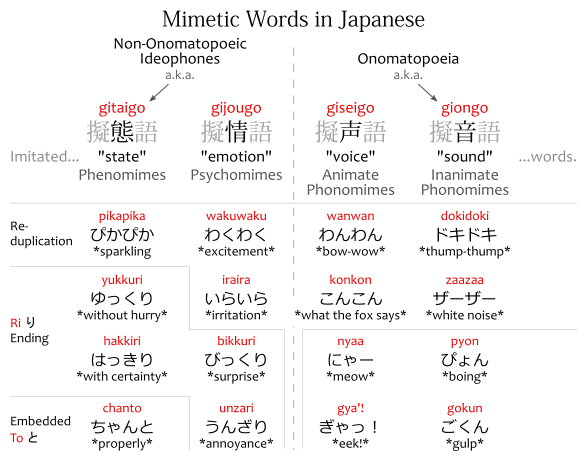
Source: japanesewithanime.com (CC BY-SA 4.0)

I’ve been a haiku writer for many years now. I just love the little three-line-poems that flip my mind into an intuitive state of being.

My haiku adventure started when I arrived in the province of Limburg in 2001. We came from England, where we lived for a while. And settled into this unknown province near the German border in my home country The Netherlands.

And I’m still here, nearly 20 years later…

Limburg is a countryside province. I love nature. And I’ve been a writer all my life. So once somebody told me about haiku, I tried my hand at it. And became a member of the Haikukring Nederland, the Dutch Haiku society.

In this Haiku-circle, I learned the tricks and nuances of this poetry form. The rules. And got confirmation of the fact that I’m not a rule-follower pur sang. In every aspect of my life, I want to be my own guru.

I like my own perspective. I like bending flexible rules if they do not fit a purpose at a certain moment.

Not everybody agreed to that, but some did. So we had numerous discussions with our fellow-poets about rules and what flexibility can be allowed and what is too far out of the zone.

Haiku attracts many people from different angles. Some of my mates came to it from a language perspective. Love for words, rhythm, and surprise endings.

Some came to it from a spiritual perspective. They bathed themselves in the meditative aspect of haiku. And some others were haiku-police-people. They followed strict Japanese rules.

I’m somewhere in between. I love the rhythm and word-sounds. I love a subject that triggers more than meets the eye. And I love the intuitive flow when nature speaks to me through haiku.

And I realize that haiku in a Germanic language like Dutch or English is completely different from haiku in Japanese.

Their feeling of words is different, their letters are more like images. And their animated spiritual tradition creates a soul-centered life.

I want to be part of it. But I can only do so in my own way. Combining our cultures, merging, feeling my way to see where the boundaries are for me personally.

So, my personal conclusion is: it’s good to know the rules so you know where to bend them and when they’ll break.

If you want to check out the rules of haiku, you can do so in this funny story by Charles Roast.

What I also like is the fact that haiku triggers the senses and sharpens the head-heart-connection. When I write with some of my clients, we walk a silent walk in nature. All our senses wide open. And then I ask them to write three lines.

Two about actual physical observations out there and one about an internal observation. The most insightful poems emerge… Maybe not haiku as such. But beautiful!

Thanks to Polyglot Poetry for publishing my haiku.

Thanks to Salam Khan for asking me the question: “do your haiku in both languages follow the 5–7–5 syllabic meter ;) ?”

This is the answer, Salam. Not always. Flow, and sound, and image are sometimes more important for me than haiku rules…

Happy haiku writing…

If you want to connect, you can find me on LinkedIn, Facebook, Twitter, Instagram, or my website. Or somewhere feeling flow, tasting words, and trusting the process…

Further reading

About the author

Haiku

Poetry
Writing
Haiku
Ideas
Language
Recommended from ReadMedium