
Tips For Tapping The Power of Big Data
Finding the truth in a time of lies
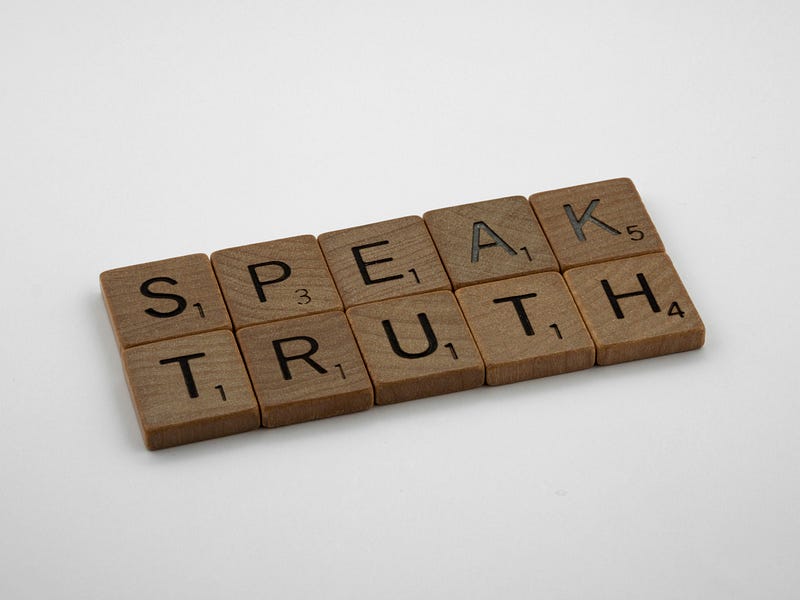
One way to learn the truth is to identify the qualities of a news story that match with high standards of journalism. This would make it easier for automatic news aggregators to focus qualitatively on reporting.
One of the great challenges here no matter how strong the intent is to maintain objectivity is that machine-learning algorithms are usually trained exclusively on human behavior and thus are likely to reflect human biases in their answers. In other words, they have discovered the problem and it is us!
One might assume that search users prefer the best and most truthful information, but this is just not the case. Experts point out that our modern society has created a culture where one does not do any more work than is necessary. Thus it is easy to become a “lazy thing” and simply accept the information that appears before us simply because it is there. Give us some good graphics, a dollar symbol, a picture of Albert Einstein and a girl in a bikini and we may even be more accepting of the information presented.
So in essence when it comes to search we convince ourselves that a picture of Einstein makes the easier, quicker information seem smarter or better. We love our immediate gratification. Like an addict needs a fix.
The option is excellence instead of mediocrity. This requires intention, exploration, and the focus required to access accuracy and attention to detail. A few media corporations have become money machines by giving away the information version of junk food.
The financial structure of digital media has undermined the financial model that subsidized so much investigative journalism during the economic golden age of newspapers, after the Second World War.
In addition, junk information, corporate and government spin, manipulation of information, and infotainment have become so pervasive and dominant in data gathering and news reporting that serious investigative journalism, is struggling to remain alive. In addition the sheer volume of information available and the segmented and the specialized and narrow interests of the information consumers have also become a great challenge.
Though many new nonprofit news organizations with serious journalistic missions have emerged in recent years they have struggled to be profitable and have found that much of the public is more committed to infotainment and spin than serious and accurate news reporting.
An influencer may not be able to control the structure of the news and what people will insist on tapping into for information but they certainly can feed the machine what it is already seeking and use that to gain power and influence.
The key to much influence and power is the ability to clearly and precisely follow extended narratives. This is important when taking In information because it is important to see how we got to where we are. Without this process, it becomes much more difficult to examine multiple perspectives on an issue and to even hold conflicting ideas in the mind simultaneously so that we can make wiser choices. This process does not come easily. It requires patience and the stretching and building of cognitive tools not automatically available like some type of intellectual “fast food.” Stories and narratives help us to see both the facts and beyond the facts. Without narrative, we begin to repeat information we have heard over and over until we think is ours rather than some meme that we have absorbed and turned into a fact in our own minds. To appreciate and understand narrative and story one must practice and hone specific thought skills.
It seems that this would be difficult to do without some level of emotional maturity as well and this Is the case. We are talking about various forms of literacy. A very bright ten-year-old savant or genius can gather and memorize voluminous amounts of information. With maturity, this same individual will develop skills, knowledge, and Interests simply not usually available to a young person no matter how bright they may be. Among these may be not only academic literacy, and Information literacy but also pleasure literacy, cultural literacy, and technological literacy.
The Takeaway
The more expansive one’s literacy is the more one can assess the relevance and credibility of information about the strategies one will choose through game theory.
The gathering of information usually requires reading or hearing an “extended narrative”, a story if you will. Without these narratives, we are presented with quick conclusions based on “sound bite” factoids that may sound completely logical and accurate but are anything but that.
What is the downside of all this? There are many but one surely is the loss of privacy.
This story is an excerpt from my course “How to Become Really Wealthy”
©Lewis Harrison, all rights reserved.
Here are a few stories in a similar vein
@LewisCoaches
@llysandrou
@simplest
Before you go…
I am Lewis Harrison, a successful entrepreneur, and advisor to philanthropists. I am also the award-winning author of over twenty books on business, leadership, personal growth, and strategic thinking. I teach seminars and speak on personal development, and life strategies throughout the world. Reach out to me at askLewis.com


