
Three Simple Thoughts to Build Your Resilience Before the Pandemic Ends
You always have it in you.
I love my comfort zone. I never wanted to be a stoic and enjoy life as it is, between raising kids and writing. 2020 was supposed to be the year of family trips. But you plan, God laughs. In March COVID-19 put us in a state of emergency.
The enemy was invisible and unpredictable. I read about the virus but the research was contradictory. My lovely home turned into a dungeon. I disinfected, cooked, and did preschool homework all day. I couldn’t finish a thought without hearing “Mom”. Then I would snarl back and run away to the balcony. The everyday news was morbid, I hated everyone and was scared of everything.
One evening I started to cough. Did I catch COVID-19? Who was going to take care of my kids if I went to a makeshift hospital?! Dread flooded me, so I decided: Look at the headlines only once a day. And so I started my way out of fear and helplessness.
I didn’t know I was building resilience until I came across a TED talk by Dr. Lucy Hone, a research associate at AUT University. I realized I had been using the very same strategy she suggested. Have I just “self-improved” at the age of 41? Here are the three thoughts Lucy suggests which helped me overcome my COVID-19 overwhelm.
#1 Shit Happens. Accept It
According to the statistics of MPH Online, pandemics happen every 10–40 years. Each takes at least one million lives. Just in the 20th century, we had: cholera (in 1910), Spanish flu (1918), Asian flu (1956), common flu (1968), and HIV (at its peak, 2005–2012). In total, they killed about 40 million people. Since every generation faces a major disease, why should we be the exception to the rule of history?
COVID-19 has made us feel trapped and lost. How can one live on guard for months and without basic human contact for a year? But again, it’s not the first time. During the Spanish flu, people wore masks for 2 years. We shouldn’t ask ourselves Why does this have to happen to us? COVID-19 is just another disease.
To hold it together, I remembered my old hardships: the bombing, poverty, mobbing, and heartbreaks. I could survive this as well. It’s another turbulence and I wasn’t alone in it. The whole world suffered, why should my problem be the worst? Memories of previous calamities don’t make this one wonderful, but the idea of what was already behind you makes the experience easier. This is the part of life that sucks, but it sucks for everyone.
In distress, I’d ask myself: Can I do something about it? I started to choose my reactions and how to invest my energy so I didn’t burn out.
#2 Is What You’re Doing Helping or Harming You?
The night I got afraid of my cough, I realized the size of my panic. Too much negative information didn’t make me better prepared. It just increased my helplessness. It wasn’t useful for my family either. My daughter started to show symptoms of anxiety. She looked for comfort in her mom, but mom was too self-absorbed checking the news. In other words, I was ruining our lives in isolation by being afraid of things I couldn’t control.
That night I activated my “ignore” button. I filtered the data I consumed: Check the news once a day. Don’t take it personally when your panicky friend sends you catastrophic messages. She neither has to leave her home for a month nor comfort children who need to go out despite the 62-hour lockdown.
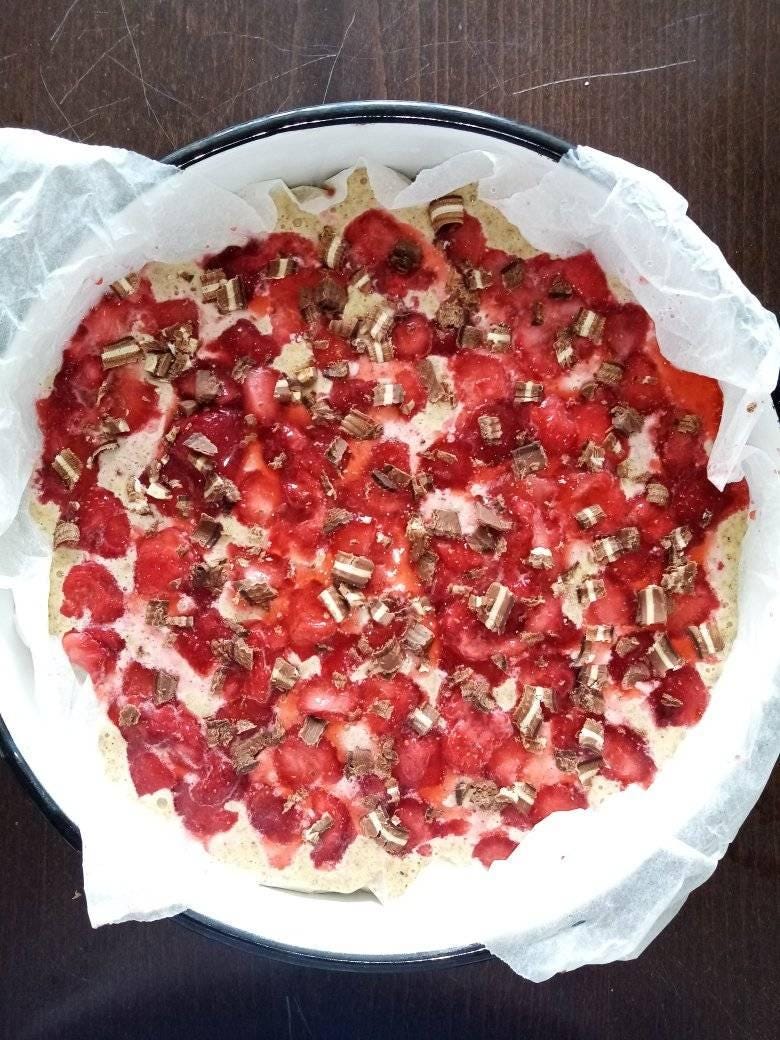
I found freedom in house chores. I’d wash half the dishes and then stop because I didn’t want to wash anymore. I would read while cooking. I made cherry cakes and margarine tub boats with the kids. We drew stories and hammered nails on the balcony. We called their friends for online playdates. It wasn’t the time of my life, but no one was in anguish anymore. When they finally “unlocked” us, I taught them how to ride a bike and rollerskate in the empty campus. We’d stroll uncrowded streets for miles, our rucksacks filled with sandwiches, water, and sanitizers.
There is always something you can do to feel a bit better, even when you’re trapped inside. Put on a straw hat, take a book, and sit by the window — soak up the sun. Accept the situation and fill small gaps of misery with your tiny actions. You have a choice even when your hands are tied.
#3 Focus on What You Can Do
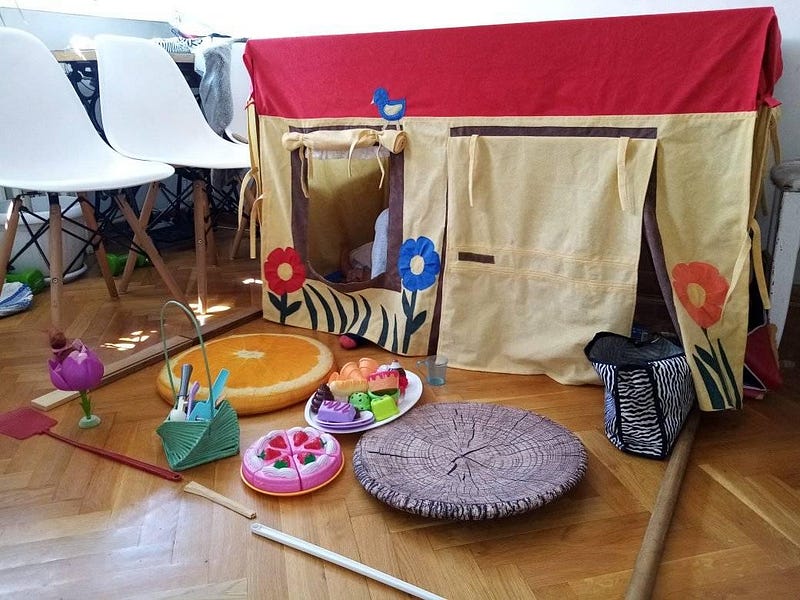
I started enjoying the good sides of lockdown. Life slowed down. There was no rush to be somewhere in less than 13 minutes and a half. Throughout the day the kids and I drew pictures on toilet paper. We planted orange seeds and threw picnics underneath our kitchen table.
In the evening I’d listen to finches in front of our building. The nearby highway was dead silent and the city air smelled of wildflowers. When I got the kids to bed, I would do grownup stuff to distract my negative thinking: a Yale course on well-being. I read how simple habits of slow living lead to happiness. I decided to test kindness and joined a charity group. I started selling my stuff to donate money and got addicted to the endorphin from helping others and getting rid of things. A new practice I discovered amid the pandemic turned into my feel-good habit.
Pandemic also helped us pay out the mortgage. We redirected our travel money to our bank loan. We became debt-free three years before the end of the loan.
If you have enough to make ends meet, choose how to arrange little pieces of your life within the walls. Bad situations often hide good outcomes.
Conclusion:
I love to bask in comfort. I never thought I could fight huge unpredictability. But desperate times activated my healthy stubbornness and I saved myself from my negative self. I spontaneously came up with simple tools to protect me from the harshness of the world:
- Accept the bad because it happens to everyone. The pandemic has happened to all 7.6 billion of us.
- Ask yourself if your actions help you or hurt you even more. Don’t go down the road of self-destruction. Filter. Everybody has a certain amount they can take. Don’t go over your limits.
- Focus on what you can do to create a more comfortable reality. Flowers can grow at every crack of concrete if there is a tiny piece of soil in it.
I know I was privileged enough: My partner didn’t lose his job, my parents didn’t get sick. Still, the pandemic was a hard tribulation for everyone. I suffered but didn’t break down. I’ve realized the power these little thoughts have on my well-being. And I’m willing to strengthen them even further. There is always something you can do. You always have it in you.
Other popular stories:
Mind Cafe’s Reset Your Mind: A Free 10-Day Email Course
We’re offering a free course to all of our new subscribers as a thank you for your continued support. When you sign up using this link, we’ll send you tips on how to boost mental clarity and focus every two days.