
Three Things to Know Before Freelancing in Japan
New tax registration system increases costs and complications for gig workers
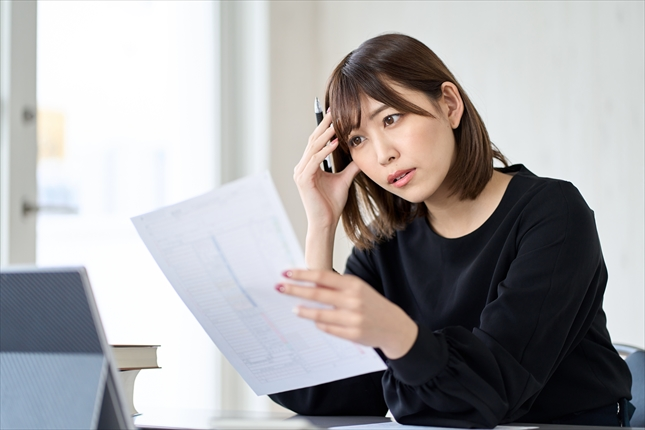
According to a CNBC report, remote workers in Tokyo increased by 369% in 2022.¹ It’s no secret Japan is a fast-growing destination for digital nomads because of the low cost of living, extreme safety, cultural heritage, and amazing food.
However, it is little known that freelancers are now facing higher costs and additional complications due to the new ‘Qualified Invoice System.’ So let me share three significant drawbacks to freelancing in Japan along with my firsthand experience as an office worker-turned-full-time-writer.
1. Tougher Tax Responsibilities
Japan is known for imposing higher income taxes than the global average. The nickname of Prime Minister Fumio Kishida is zōzei megane, literally meaning “tax-hiker glasses.” (I was disappointed this term didn’t make it into this year’s list of top buzzwords.)
You may assume that if you’re only staying in Japan for a short while and engaging in sporadic gig work, you wouldn’t have to deal with taxes. However, even if you don’t have a permanent address in Japan, if you receive compensation from Japanese companies, you still need to pay income tax. So you should be aware of the Japanese taxation system from the beginning.
For office workers, income tax is typically deducted from their salaries by their employers, removing the need to file a tax return except for special conditions.
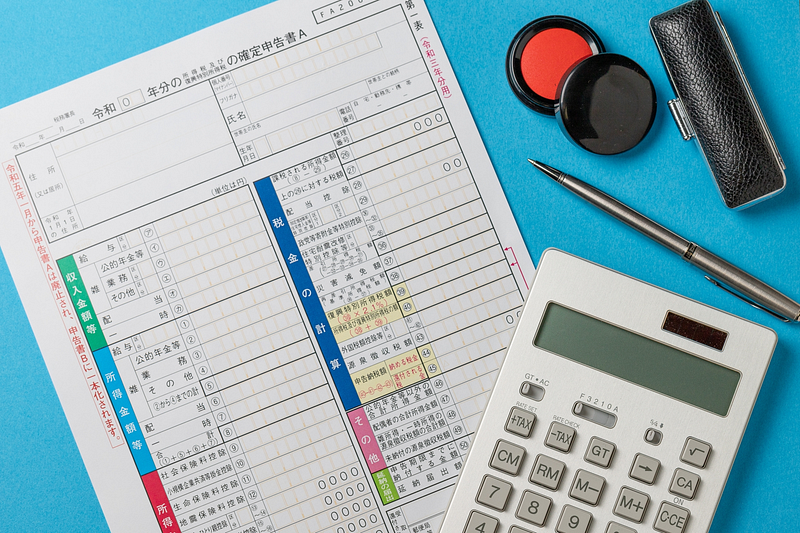
However, freelancers must file an income tax return— known as kakutei shinkoku — since payment is based on a self-reporting system. The tax rate varies from 5% to 45% depending on your income level. If the tax office finds you evaded tax, you will be charged for the tax plus penalties.
The Burden of the Invoice System on Freelancers
Aside from income taxes, there is a separate Goods & Services consumption tax. Japan’s consumption tax was designed based on the EU’s VAT system, but for a long time, invoice registration was not required for small suppliers. However, after a reduced VAT rate of 8% was introduced in addition to the standard 10%, the rules changed. Today, suppliers are encouraged to stick with the Qualified Invoicing System, which makes freelancing pretty challenging in many ways.
The Japanese government launched this new Invoice System in October and now urges even self-employed workers to register as qualified invoice-issuing businesses and receive a 14-digit tax ID. After a transition period, buyers will only be able to receive tax credits when suppliers are registered businesses.
Businesses earning 10 million yen (US$ 66,700) or less are not required to register, but if they’re not registered, their clients are responsible for collecting the full amount of the tax. Many freelancers now fear the potential loss of clients because of this system.
The Japan Fair Trade Commission has called on companies to refrain from unfair price reductions in transactions with these small business owners including freelancers under the Antimonopoly Act, but the commission has already had to warn dozens of companies of possible violations.
Personally, after examining all the pros and cons, I chose not to register for this Invoice System. My main client asked me to sign up for it, but I didn’t see any advantages that outweighed the daunting paperwork. I haven’t had any contracts terminated so far, but that might be only because my clients are mostly American companies.
Becoming an English Tutor Is No Longer an Easy Path to Income
After the government’s notification of this Invoice System, one of the largest English language schools, Gaba, announced that it would stop renewing contracts with teachers who were not registered under the Invoice System starting in April 2024. While the tax system provides transitional measures until September 2029, Gaba has opted to completely discontinue contracts with unregistered freelancers.
This announcement blew up on social media because most Gaba teachers are contract workers. One Japanese teacher who has been working for Gaba for 15 years is now facing the risk of losing his job at the end of next March. Even after a massive protest, Gaba hasn’t changed their controversial policy.
In addition to the Qualified Invoice System, having an address in Japan brings additional financial obligations, including resident tax, national health insurance payments, and even pension contributions, which vary based on resident status. Most foreign media don’t cover these details, but it’s essential to understand these costs to calculate the full cost of residing in Japan.
2. Lower Credibility and Fewer Financial Aid Opportunities
Dropping out of Stanford or Harvard and starting a business in your 20s (or younger) may earn admiration in the US, but in Japan, you don’t hear any stories of “I dropped out of Tokyo University to start my unicorn.”
It is often said that you get the best job right after graduation from college in Japan. College brand names go a long way in large even at bureaucratic companies, and so do employer names on your resume when transitioning to other jobs. Quitting a full-time job is as crazy as dropping out of college, subjecting your credibility to heightened scrutiny.
So if you’re currently working full-time and planning to freelance in Japan, you should act wisely. Make sure you have sufficient financial support including available credit cards, and consider making big purchases before handing in your resignation to your employer.
Freelancers should brace themselves for credit card rejections and challenges making major purchases like cars or homes. In Japan, credit is closely tied to your employer’s brand value and official guarantees.

3. Lower Childcare and Healthcare Quality
If you’re raising a young child, you also want to pay extra attention to secure a position at a daycare in your neighborhood because freelancers face childcare challenges more frequently than office workers when it comes to public support.
As of 2023 April, 2,680 children didn’t have access to daycare facilities.² The number was the lowest record in five consecutive years, but there’s a catch. Experts suggest that the real number of children who can’t get into daycare in their immediate proximity must be 87,343, a 4,585 increase from the last year.² The government is so determined to record the lowest number of kids out of childcare that it tweaks the data.
Many freelancing parents have reported getting rejected from daycare or sent to an inconvenient facility because of their “flexible” working style. Finding daycare can be challenging especially in Tokyo, and the lack of childcare continues into after-school care at elementary schools as well. Unfortunately, the availability of spot nannies is still limited in Japan, even though apps like Kids Line are gradually sprouting to meet the demand.
Freelancers also tend to be asked to volunteer in their local communities such as acting as president of PTA (parent-teacher association) or serving as a local festival organizer. If you don’t want to take on these additional responsibilities, be careful who you tell you’re working as a freelancer.
Lack of Healthcare
Last but not least, it’s crucial to discuss health checkups. Generally speaking, Japan’s healthcare quality and accessibility are great, but freelancers have to take charge of their own medical conditions.
Office workers are given regular thorough checkups by their employers, and mental health checks are also paid for by the company. I’ve never met a non-Japanese office worker who doesn’t appreciate their employer’s healthcare fringe benefits.
In contrast, freelancers need to rely on vouchers from the local municipalities. Although they’re mostly free, you have to make each appointment—sometimes only for one specific type of screening—and visit a doctor within the designated time.
I never skipped health checkups during my salaryman era, but for the past couple of years, I’ve forgotten to make appointments. Freelancers have no vacation or sick leave, yet most tend to fail to actively manage their physical and mental health.

As a freelancing mom, discouraging someone who is striving to live the best life in Japan is absolutely not my intent. I’ve personally benefitted a lot from my flexible work style as a writer. But at the same time, I don’t want to see anyone feeling overwhelmed due to a lack of support from the local community because I’ve been through that phase myself.
Japan’s affordability is balanced by significant tax burdens, and living in this country can be quite different from what is portrayed in Western media. Taking the extra steps and conducting thorough research before making the leap is always a smart approach, isn’t it?
Sources
If you enjoyed this article, follow Yuko to read more stories like this and connect with her on social media. She’s currently writing her debut novel set in Tokyo.


