avatarsimplest

Free AI web copilot to create summaries, insights and extended knowledge, download it at here

1248

Abstract

houghts in my head.</p><p id="d535">After coming up with a first draft, I would edit it.</p><p id="e235">But I didn’t edit well.</p><p id="d3f5">Learning how to edit would have improved my writing.</p><h1 id="5fcb">The before</h1><p id="ffd7">When I edited my work early on, I would smooth out rough edges and ensure my grammar was correct. It was a process of double-checking things and eliminating big errors.</p><p id="7833">This might have slightly improved my work, but it didn’t accomplish much.</p><p id="0211">I was going through the motions.</p><p id="bb38">And my writing would have been better if I’d invested in my editing process.</p><p id="73a7" type="7">“I didn’t have time to write you a short letter, so I wrote you a long one.” — Mark Twain</p><h1 id="14c7">The after</h1><p id="0b76">Now, when I edit, I accomplish more.</p><p id="0959">Sure, I still check my grammar. But I’m also looking at structure, format, rhythm, and word choice.</p><p id="9aad">When I edit, I now ask whether each word adds something to the story or advances my main ideas. Each word should need to be in there. I ruthlessly cut out words that are in there just to be there.</p><p id="9d56">My goal is to deliver impactful work without all the fluff. In

Options

editing, I separate the wheat from the chaff.</p><p id="a2b3">My biggest regret as a new writer was overlooking the importance of editing.</p><p id="ad1e">I’m not saying that things should be perfect before you publish.</p><p id="0aa8">But I’ve found that my work is better when every word packs a punch.</p><p id="2235">Getting rid of the weakest part of your message will strengthen it.</p><p id="d685">Learn to edit and watch your work improve.</p><p id="fdbb">✌️ Two easy ways you can help me out:</p><ol><li>Subscribe to my <a href="https://simplests.substack.com/">weekly mailing list</a></li><li>Follow me: <a href="undefined">simplest</a></li></ol><div id="4c86" class="link-block"> <a href="https://readmedium.com/read-or-die-publication-rules-03813fc16904"> <div> <div> <h2>Read or Die — Publication Rules</h2> <div><h3>Updated January 2024 Guidelines</h3></div> <div><p>medium.com</p></div> </div> <div> <div style="background-image: url(https://miro.readmedium.com/v2/resize:fit:320/1*12VP38Uw7-aiufW2DP5Ohw.jpeg)"></div> </div> </div> </a> </div></article></body>

This Was My Biggest Regret as a New Writer

And it ruined some of my work
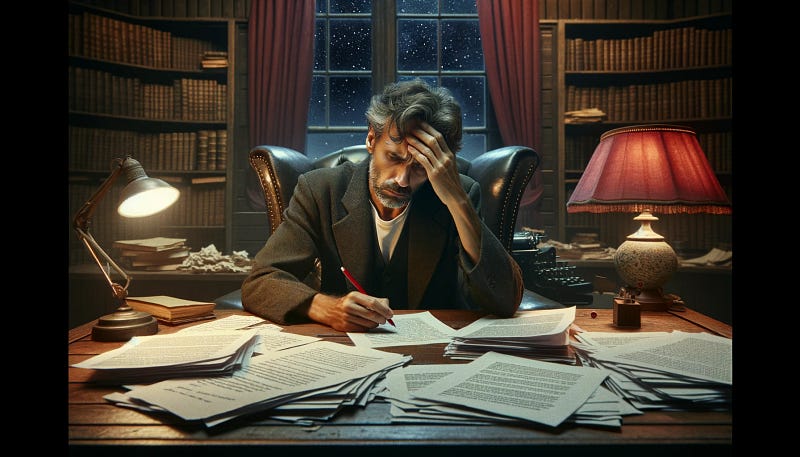
This image was generated with the assistance of AI

When I started writing, I was drinking from the firehose. There was plenty to learn.

I read the work of authors I admired, searched for sources of guidance, and churned out new content.

After a while, I got into the rhythm of writing. I’d come up with an idea, write a draft, edit it, package it up nicely, and ship it.

There was one aspect of the writing process that I neglected. And I wish that I’d learned it sooner.

The neglected step

As I started developing my ideas and putting them onto paper, I quickly realized the importance of writing a rough first draft.

In a first draft, I try to spit everything out even if it’s terrible. Later, I can go back and clean things up.

When I sought perfection in my first drafts, I was unable to come up with anything. I’d spend far too long playing with thoughts in my head.

After coming up with a first draft, I would edit it.

But I didn’t edit well.

Learning how to edit would have improved my writing.

The before

When I edited my work early on, I would smooth out rough edges and ensure my grammar was correct. It was a process of double-checking things and eliminating big errors.

This might have slightly improved my work, but it didn’t accomplish much.

I was going through the motions.

And my writing would have been better if I’d invested in my editing process.

“I didn’t have time to write you a short letter, so I wrote you a long one.” — Mark Twain

The after

Now, when I edit, I accomplish more.

Sure, I still check my grammar. But I’m also looking at structure, format, rhythm, and word choice.

When I edit, I now ask whether each word adds something to the story or advances my main ideas. Each word should need to be in there. I ruthlessly cut out words that are in there just to be there.

My goal is to deliver impactful work without all the fluff. In editing, I separate the wheat from the chaff.

My biggest regret as a new writer was overlooking the importance of editing.

I’m not saying that things should be perfect before you publish.

But I’ve found that my work is better when every word packs a punch.

Getting rid of the weakest part of your message will strengthen it.

Learn to edit and watch your work improve.

✌️ Two easy ways you can help me out:

  1. Subscribe to my weekly mailing list
  2. Follow me: simplest
Writing
Entrepreneurship
Self Improvement
Life
Growth
Recommended from ReadMedium