
This Is What The World Will Look Like In 2030
The Good, The Bad, And The Ugly
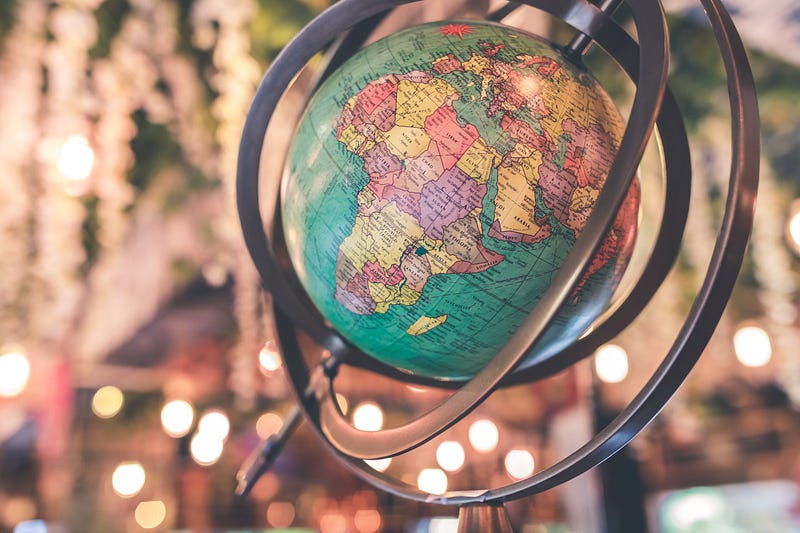
“Your impact on the world is significant whether or not you are aware of it, and even whether you desire it or not” — Gary Zukav
Fire
Drought
Disease
Death
Pain
Suffering
Turn on the news and these are the horror stories and images you see. It seems that the world will self-destruct tomorrow. The media shouts that the end of humanity is near and we should all panic.
However, the world isn’t all doom and gloom. Both positive trends and negative trends are happening in our world right now. These trends will determine the future of where we will head as a species.
So I’m part of Generation Z, yes, that generation who can’t stop scrolling through TikTok on their iPhones. And I am both scared, angry, and confused about the future.
I am scared because the world seems to be unraveling, angry at the lack of action we have done and confused about what is happening.
What are the trends that will happen in the future? Where are we heading as the human race?
These are the types of questions I will answer in this article are based on three main categories.
- Environmental trends
- Social trends
- Technological trends
This article will give an overview of the good, bad and ugly if our world continues to head down its current trajectory.
Environmental Trends
Climate Change. Global Warming. Green House Gas Emissions. The environment has all become buzzword words in today’s media. But are they correct?
Continued Climate Crisis
According to the recent UN report, global temperatures have been rising. If our world continues on its current trajectory we are predicted to cross the 1.5 degree Celsius warming mark by 2030.
And unfortunately, the poorest people will be hit the worst by climate change especially those who live in coastal regions.
So as the planet warms, more places will be hit with extreme weather, fires, droughts, heatwaves, floods. We have all heard it. We all know that our dependence on fossil fuels is increasing the earth’s atmosphere, yet what are we doing about it?
Well, not much at the moment. According to the UN report, our world has been slowly shifting to try and make small pollution reductions but it’s not enough. We still use 66,524 kWh of fossil fuel consumption per person. We have destroyed 83% of wild mammals, despite the human population being only 0.01%.
And what is driving this rapid consumption of fossils fuels? Well many things, our consumeristic lifestyle, population growth, selfish ambition, greedy, economic growth, ignorance, and denial.
However, the all-encompassing pattern in this us, humans, and our actions or lack thereof.
We are not global politicians or world leaders who can enact drastic change in the fossil fuel and renewable energy sectors. However, we put our faith and trust in politicians hoping that they will solve the climate crisis for us as we continue to live our lives. Yet, world leaders are slow at enacting change.
I don’t want to sound like an overly preachy activist, but the facts don’t lie.
We, humans, are slow at making a change unless we are forced to.
Our current capitalist system prioritizes economic growth at the cost of environmental sustainability. We have taken earth’s resources to grow our cities, build our economies and fill up our pockets with worthless pieces of paper. For what?
What do we gain from destroying the planet that we need to live on to survive? Well, nothing. When our planet dies, we die too.
It appears the ignorance and an unwillingness seek the truth is rampant. People don’t want to believe in the harsh realities of the world we currently live in. Instead, we settle for comforting lies that ultimately blind us to the truth.
Continued Waste
Masks, gloves, takeaway containers, delivery packages will continue to be used. Researchers estimate we use 129 billion face masks globally in a month, which is 3 million per minute. These face masks have microplastics that pollute the ocean and the land environment around us.
It has taken years for us to adopt sustainable actions like using reusable grocery bags, taking public transportation, and buying local. However, it will take an even longer time to change people’s habits to adopt more sustainable practices.
Demand For Renewables
There will not be a want for renewables, there will be a need for renewables.
We will need sustainable energy sources if we want to reduce carbon emissions.
Electric cars, solar power, wind power are just some examples of renewables that we need to become mainstream. Consumers will be forced to embrace more sustainable options for various products.
However, the switch to renewable energy has been slow and sluggish. Renewable electricity has grown by nearly 5% in 2020, despite COVID-19. Yet, due to labor shortages and the disruption in the global supply chain, it’s difficult to predict whether this will continue to be an upward trajectory.
Social Trends
Wealth Inequality
There is a common trend throughout human history, the rich exploit the poor. We see rich and powerful people and corporations amass ungodly amounts of wealth off the backs of the working class.
Influential corporations outsource labor to poorer countries and barely pay them a liveable wage so that people in developed countries can buy more stuff.
That fancy new iPhone from Apple, a small child in Africa was probably mining for the cobalt and copper ore needed to make today’s modern phones.
That new dress from H&M was probably made by garment workers in a factory who were working 12 hour days.
However, it seems that we don’t care about this. We live in our little bubble of comfort which blinds us to the realities of what is happening in the world. We see people in developing countries being exploited to produce our material products. Yet, we don’t act. We just sit and consume more.
Our insatiable hunger for more stuff, food, clothes, gadgets, and other possessions have overfilled our lives to the point where we need storage units to keep all our stuff.
It seems ironic how there are approximately 1 billion adults who are obese globally but there are 9.1 million people who die of starvation every year.
Aging Population
Marriage and birth rates are slowing. Coupled with our modern technology, people are living longer than ever.
The age structure for our society is changing.
There has been a rise in older single people living alone, especially those aged over 65, with more older women more likely to live alone than older men.
There will also be the rise in multi-generational homes where grandparents or extended relatives all live under the same roof. And with these new trends, the way we live at home and our homes designs will also change.
This will also mean changes in the aged care sector and how the healthcare system copes with aging diseases.
An aging population also reduces the working-age population. There will be a supply shortage of highly skilled workers to enter the labor market. Consequently, businesses will have difficulties meeting skilled demands which in turn affect their business profitability and then the overall economy.
Technological Trends
There’s no question that technology has been accelerated due to the virus.
Blockchain Technology
Blockchain is usually associated with cryptocurrency and Bitcoin but it’s not only used for those in the financial sector.
Its decentralized network of computer records is called ledgers. These ledgers contain fractional pieces of data that even if someone had access to the data, they would be able to piece together all the information.
This developing technology has the potential to be used in various sectors to improve efficiency and productivity.
For example, blockchain is being used for cybersecurity to protect your privacy. We live in a rapidly expanding technological world, where data breaches are more common.
Another example is the food industry where blockchain is being used for more transparency and stronger client-supply relationships.
This means that blockchain is slowly becoming more mainstream but still has a lot of untapped potential for the future.
Virtual Reality
You have heard of the virtual headset right?
It creates an immersive experience for the wearer which attempts to stimulate living in real life.
Virtual reality is becoming increasingly popular for various industries in entertainment, marketing, media, education, and rehabilitation training.
This could also be used to train doctors in surgery, enhance marketing tactics, and even offer a deeper experience in museums and theme parks. The
The virtual reality market is expected to grow to $209 billion by 2022 as it continues to create more technological opportunities.
Internet of Things (IoT)
The internet of things refers to the growing devices that are connected to Wifi.
You probably have kitchen gadgets, electronic devices, and other home appliances that are connected to the internet.
We as consumers can track our fitness on our watches, install home security cameras or preheat the oven before we get home from work.
However, companies are looking to create more products that increase efficiency and productivity in a variety of sectors.
It’s predicted by 2030, 50 billion IoT devices will be used around the world.
This can enable a more systematic approach to different industries like medical care, improve customer service or help predictive maintenance.
While these are simply just a few technological trends, the increased spending and investments into the technology sector will continue to rise.
Conclusion
While these are only a couple of trends that will be happening in the near future, it is not an exhaustive list. This decade will be a crucial time to solidify trends in the world and start to take drastic action to prevent future catastrophes.
Government leaders and global corporations will continue to push their agenda that works in their best interests rather than the people’s interests.
However, we as individuals can choose to become more aware of the issues and trends that our world faces. We can choose to take action to hold leaders accountable and ensure that the policies they implement will be beneficial. To not do so, would be a disservice to ourselves and others as we continue to consume and take from the earth.
In this technological age, we have the ability to stay informed about what’s happening around us and act accordingly.
If we do not know what is going on around us, how will we be able to prepare for it?
Check out my website and YouTube channel for more insights!


