
This Herb Is a Powerhouse for Foodies and Health Experts Alike
A discovery from the University of California reveals why we’ve been healing with it for millennia.
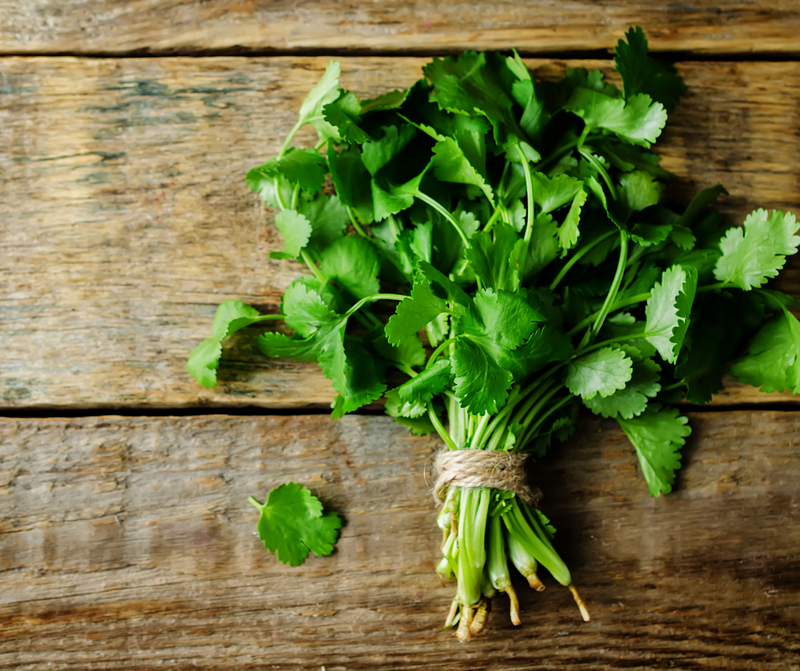
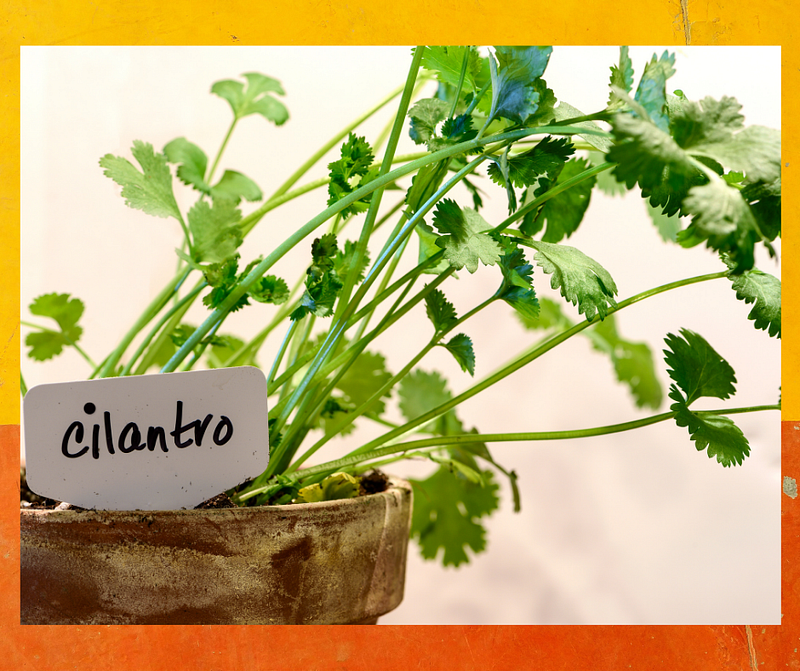
Cilantro, also known as Chinese parsley, is a controversial superstar in the kitchen.
I love it, but my daughter detests it. It’s one of those flavors that seems to spark total devotion or complete disgust.
It’s part of the same family as carrots (which might be surprising until you look at their tops) and parsley.
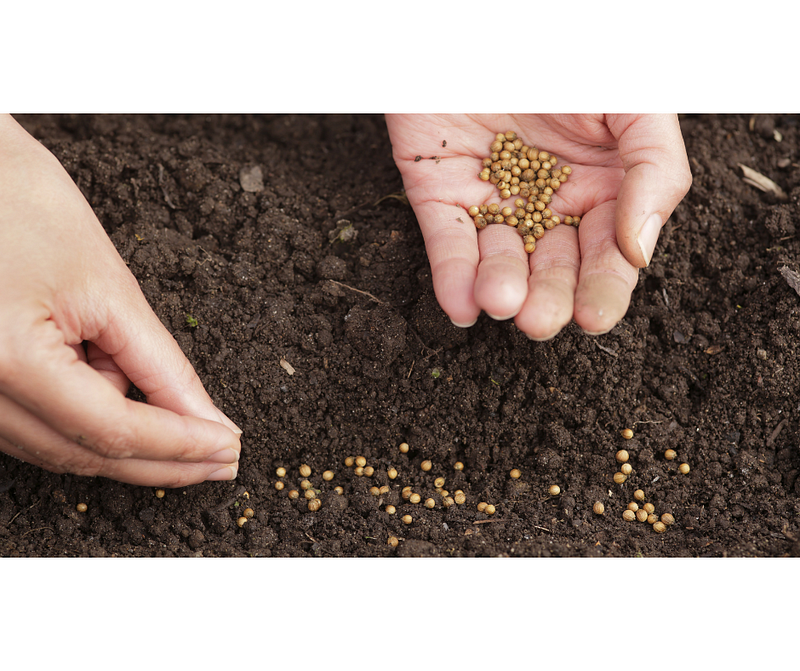
Easy to grow, Cilantro prefers cool weather and grows best in partial shade but can handle a bit more sun if kept moist. This annual that quickly bolts to seed when the weather turns from summer to fall and offers both tender leaves and aromatic seeds to the culinary conversation.
The delicate leaves are usually used fresh or added at the very end of the cooking process.
The seeds can be harvested when green or brown.
If harvested green, they’re a little fresher tasting and can be stored in the fridge or freezer. If you wait until they’ve dried and turned brown just cut off the entire seed head and put it in a paper bag until the seeds fall off. After that, store them in an airtight container. For best results this way, resist the urge to pre-process. Grind as needed.
These seeds are staples of curries and many ethnic stews, frequently paired with cumin, for that quintessential Latin flavor.
For centuries, Cilantro has been a staple of folk remedies offering various health benefits and was possibly one of man’s first herbs. It’s mentioned in Sanskrit as far back as 1500 BC and you can find references to it in the Bible (Exodus, XVI, 31).
DNA evidence, dating back 48,000 years, suggests the plant was even used medicinally by Homo Neanderthalensis.
It’s been used historically as anticonvulsant medicine, and scientists have just now discovered why.
In a new study, researchers have revealed the molecular activity that enables Cilantro to subdue certain seizures common in epilepsy and other diseases.
Scientists discovered how a component in Cilantro called dodecenal, a long-chain fatty aldehyde works. Fatty aldehydes are fragrance and flavor compounds with an odor described as fresh, citrus, and waxy.
This component binds to a specific part of the potassium channels to reduce cellular excitability. Potassium channels allow the flow of potassium ions across a cell’s membrane. There’s generally a filter that selects and allows potassium to pass but not sodium and a gate that opens and closes the channel based on environmental signals.
What does this mean to you and me?
When you smell something and know what it is or touch something hot and instinctively pull your hand away, nerves from your nose and hands have released ions that send signals to your brain and relay the appropriate response. Nerve cells get themselves ready for transmitting signals by concentrating potassium ions inside and selectively pumping sodium ions out.
This action creates a difference in electrical potential across the cell membrane. This binding of the dodecenal to the potassium channels reduces excitability in the cells and produces the anticonvulsive effect. The effects of this cellular action are what our ancestors deduced all those years ago.
By understanding how the chemical components achieve their effect, scientists can use this molecular evidence to develop therapeutic applications.
But in case you’re not a doctor or scientist, you might be more interested in these fun facts about Cilantro from this article by Carol Little on the website Studio Botanica.
Cilantro:
*Is a good source of dietary fiber, iron, and magnesium *Is anti-inflammatory *Removes heavy metals from the body *Helps to promote healthy liver function. *Helps with insulin secretion and regulates blood sugar. *Is an expectorant *Stimulates the endocrine glands
If you hate Cilantro, you might want to skip this part.
But if you’re a fan, you might want to check out this article from HuffPost that chronicles 22 recipes for the herb’s enthusiasts. Then head over to Food52 for 21 more. Among these mouthwatering offerings are recipes for Seared Sea Scallops with Cilantro Gremolata, Szechuan Lambypops with Cilantro Chimichurri, Cilantro Coconut Chutney, and Cooked Green Salsa (Salsa Verde)
It’s been around for a long time, and now it’s unlocking even more healing power for humankind.
So whether you’re a fan of the taste or not, you have to admit that this culinary powerhouse of flavor is more than just a tasty treat. It’s a medical miracle that’s been helping humanity for ages.
Thanks so much for reading!
Also, don’t forget to check out more great writers on Illumination. Or better yet, share your voice, experience, and wisdom and come on board as a writer, you’re always welcome at Illumination!
If you’d like to read more by me, please check these out:
Want to start writing but don’t know where to begin? How about right here?
Explore the world of daily journaling in a lighthearted, fun way with my new book: How To Be Wise AF: A 30-day journalling adventure to your inner Guru. Read one inspirational piece per day and then answer the writing prompt to give your own spin on each issue.
At the end of 30 days, you will have written your very own self-help book!


