
Distributed to #FOOD
Could Mutant Sake Be The Drink That Cures Its Own Hangover?
A new study shows interesting developments in a particular yeast strain.
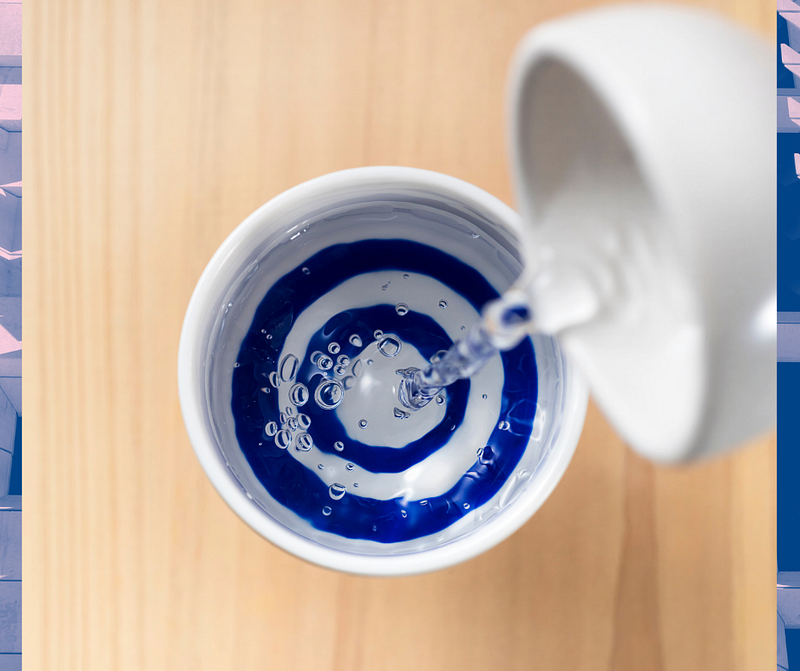
Do you love a cocktail but hate that next-day feeling?
Would you like to be able to enjoy a drink after a long day and have it pick you up instead of knocking you out?
Wouldn’t it be great if a night on the town left you feeling refreshed?
Well, your wishes may be coming true sooner than you think if you drink Sake.
Homer Simpson didn’t know how right he was when he said, “Here’s to alcohol, the cause of, and solution to, all of life’s problems.” The discovery of a new yeast strain might just bring us closer to that being unironically true.
Researchers in Japan have discovered a mutant strain of Sake yeast that produces ten times the amount of Ornithine as the original strain.
But what is Ornithine, and what’s the big deal about this mutation, other than it sounding cool and sci-fi?
Well, Ornithine is an amino acid that binds to another molecule, and this action reduces ammonia in the blood.
As a supplement, it effectively treats conditions that cause excess ammonia, such as chronic liver diseases. It’s also used for weight loss and wound healing.
Why is this significant?
It seems that it also combats hangovers when those sensitive to alcohol take it before drinking. This could be because Ornithine reduces fatigue and increases sleep quality.
Could you imagine if a night out left you feeling rested and refreshed!
Japanese scientists have isolated mutant strains of yeasts that produced ten times the amount of Ornithine from a parent strain already used in Japanese Sake.
The result?
The Sake from those parent strains contained 4–5 times more Ornithine.
Could this mean we have gentler Sake for alcohol-sensitive drinkers to look forward to?
Who knows but here are some interesting facts from the website True Sake:
- There are only four ingredients in sake: rice, water, mold, and yeast.
- Sake is fermented like beer, not distilled like hard liquor.
- Sake has one-third the acidity of wine. For people who get acid reflux, it’s a more stomach-friendly choice.
- Sake has no sulfites.
- It’s pasteurized, so it doesn’t need preservatives.
- Sake has low histamines. Drinking sake won’t give you the histamine headache or red face that wine does.
For those who’ve never tried Sake, it’s a clean drinking beverage that can be enjoyed at many temperatures.
According to an article in the Huffington Post, it pairs well with lobster, Spanish Tapas, Pickled foods, Caviar, and Indian Curry.
For a good reference and a beginner’s guide, have a peek at this article from Decanter Magazine. On one short page, you’ll learn about polishing, fermentation, and different Sake styles. There are even top picks by Anthony Rose.
Obviously, I’m not promoting alcoholism.
But if you like a glass of wine occasionally, Sake might be an interesting new taste.
And who knows, one day, it might be the drink you have not just to avoid a hangover but to wake up feeling refreshed and rejuvenated.
Thanks for reading!
Want to start writing but don’t know where to begin? How about right here?
Explore the world of daily journaling in a lighthearted, fun way with my new book: How To Be Wise AF: A 30-day journalling adventure to your inner Guru. Read one inspirational piece per day and then answer the special writing prompt to give your own spin on each issue.
At the end of 30 days, you will have written your very own self-help book!
Also, don’t forget to check out more great writers on Illumination. Or better yet, share your voice, experience, and wisdom and come on board as a writer, you’re always welcome at Illumination!
If you’d like to read more by me, please check these out:


