
Things to Consider Before Adopting a Cat
A friend for life
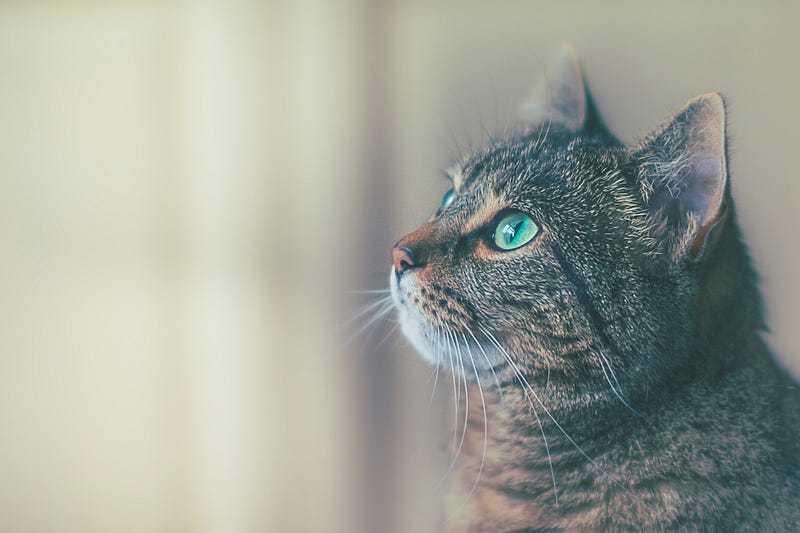
Adopting a homeless cat is a noble thing to do, but should not be a spur of the moment gesture. Don’t just listen to your heart; let your mind get a word in too, as there are quite a few things to consider.
Think for a moment how a cat will fit into your lifestyle. Do you travel a lot for work or do you frequently go away for the weekend? If you do, you will need someone to come to your home too feed the cat, provide it with fresh water, and tend to its litter box. If you don’t have a family member, friend or responsible neighbor to do this, you’ll have to turn to a professional pet sitting service who will charge you a fee.
When adopting a kitten, you will face veterinary bills for inoculations as well as spaying/neutering the little one. Over the years medical problems might present themselves including dental work. Can you afford these bills?
In addition to food, a cat needs a litter box. Are you up to the cleaning? Loving an animal, giving it a comfortable place to sleep and nutritious food to eat is one thing, but lots of people balk at dealing with the results of bladder and bowel movements.
If you already have a cat, introducing a kitten can go one of two ways. Either the older cat will immediately accept the kitten, or the resident cat might sniff and hiss at the little one. If that is the case, there is nothing to worry about. Just give the older cat time and lots love and attention. Within a matter of days or weeks, the new addition will be accepted. A kitten might place a strain on the older cat though. Kittens are generally full of energy and often play rough, while senior cats like to sleep in peace and quiet.
It might also be a good idea to provide your kitten or cat with toys. Toys are not only a form of entertainment, but provide exercise, benefitting the cat’s cardiovascular system. Don’t forget to engage in playtime. Cats love sharing their toys with you.
Don’t declaw your cat. If you’re worried about your furniture, provide your cat with a scratching post of at least four feet tall. Some cats immediately know what a scratching post is for while others require some training.
If you live in a high-rise with a balcony, consider installing netting. Netting is also recommended for windows and doors if you live in a house. For your new friend’s safety, do your research on which fruits, veggies, flowers, and plants are toxic to cats. Store any toxic liquids in a locked cabinet. To be on the safe side, program poison control for pets on your phone. The number is 1–888–426–4435 with 24/7 service.
Unless you are absolutely sure that you and your family members are not allergic to cats, a trip to the doctor is recommended. A cat allergy test is quick and painless and will prevent having to take a kitten or cat back to the place of adoption.


