
Meat and Alternative Protein
There Will Be Demand For Both Meat And Alternative Protein.
Meat and alternative protein can co-exist in a food system.
The rise of alternative proteins, or meat substitute, has always concerning the meat industry. There a few pressures experienced by the meat industry, that result in alternative proteins being more favourable for human consumption:
- According to the United Nation’s estimation, the world population is expected to reach approximately 10 billion in 2050. Hence, it is logical to ask whether the Earth has the resources to produce sufficient meat to feed the population.
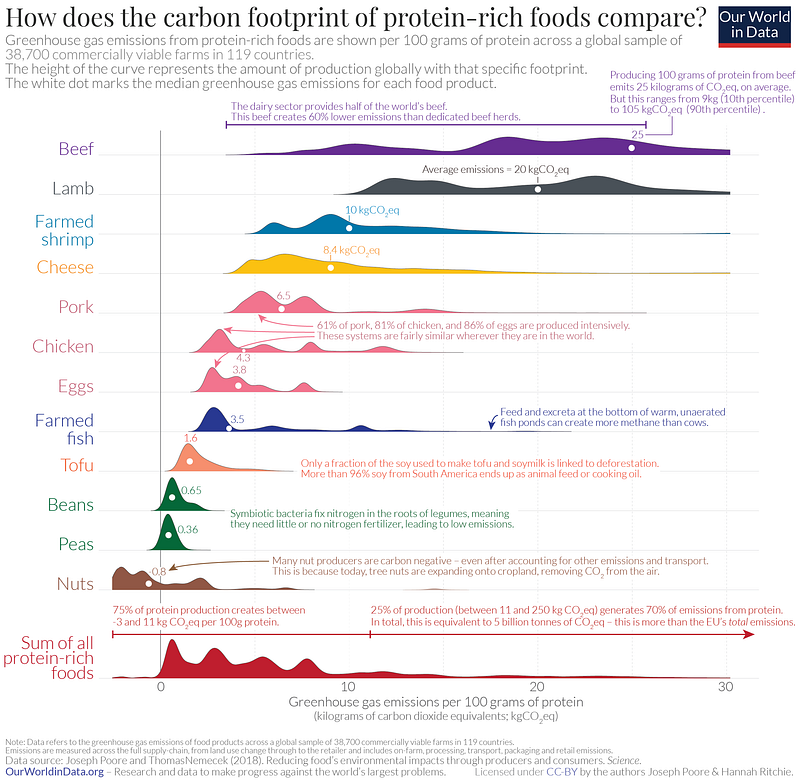
- Meat products, especially beef and lamb/sheep, have high carbon footprint when compared to other meat and alternative proteins. Following the recent President Biden’s Leaders Summit on Climate, it is clear the meat industry is again being challenged.
- Lastly, the connection between red meat and poor metabolic health has been instilled in many people. However, the scientific evidence can be somewhat contradicting. Nevertheless, it is very convincing that substituting red meat with plant-based products, such as adopting the Mediterranean diet, can deliver immense health benefits.
Meat industry: The fear of losing consumer demand?
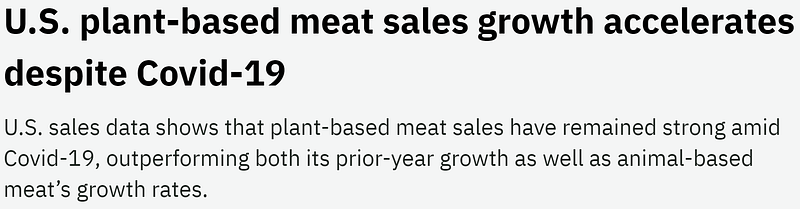
In 2020, we see a surge in the demand for alternative proteins. The phenomenon is profound during the COVID outbreak among the workers in several meat processing facilities in the USA. As a result, consumers turned into purchasing alternative proteins, especially plant-based protein.
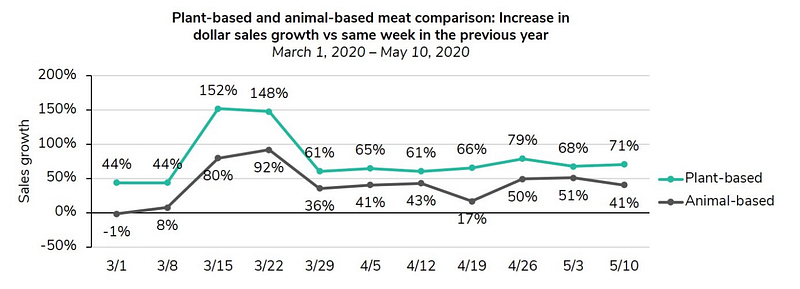
The pressure for the meat industry seems to be as strong as ever. However, are consumers merely turning to plant-based because of the low availability of meat in the USA? Or the consumers are actually making more “sustainable” options? There is no long term data that suggest a change in eating behaviour just yet.
Interestingly, analysts at RethinkX believe that the time has come for
“the most consequential disruption in food and agricultural production since the first domestication of plants and animals 10 thousand years ago”.
There was still demand for meat, and there will be.
The meat industry likes to think that there will be demand for meat, and I also believe that alternative protein is merely increasing the diet variety.
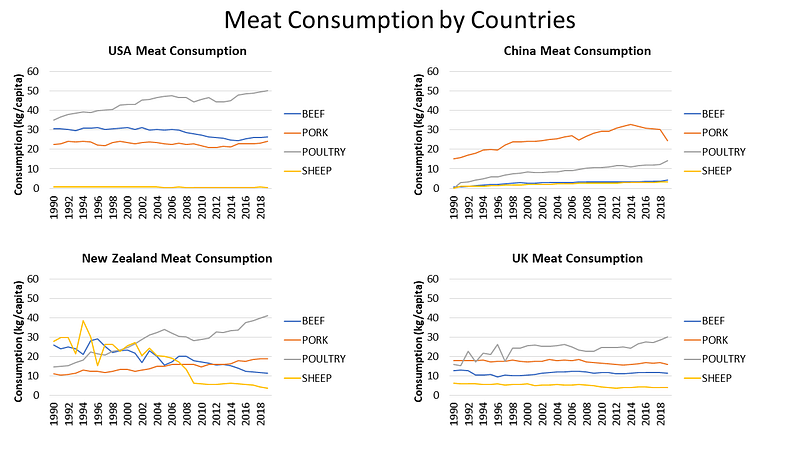
I have searched the meat consumption trends from the Organisation for Economic Co-operation and Development (OECD) database, between the year 1990–2019. In all countries, there was a steady increase in poultry intake over the past two decades.
Red meat consumption (beef, sheep, and pork) in the USA and the UK remained stable over two decades. Interestingly, New Zealand showed a decrease in beef and sheep consumption. Beef and sheep used to be their common staples. More recently, New Zealand exports 88% of beef products and 95% of sheep production, mainly to the China and USA. Hence, it becomes very expensive to consume beef and sheep in New Zealand. In turn, New Zealanders swapped to consume more poultry and pork.
The consumption of all meat is increasing in China. In China, meat consumption is traditionally associated with wealth and status. As China becomes a wealthier country, meat consumption increases as expected. In 2019, an outbreak (African swine fever) killed herds of pigs, resulting in a drop in pork supply, and a drop in pork consumption.
The future of meat.
A sustainable diet has to reduce the carbon footprint. Hence, an easy way is to substitute meat for alternative protein. Another way is to develop technologies/systems to reduce the carbon footprint of meat production. For example, swapping from grain-fed beef (a.k.a. industrialised beef) to grass-fed beef. Although many argue that grass-fed beef cannot solve the climate change problem, it is a valid way to lower carbon footprint.
Alternative protein is providing more options to consume protein other than meat. “Alternative” doesn’t imply the meaning of “either meat or plant”, not one or the other. When we have more options, our diet becomes more variable, hence there will be enough protein to feed the people without having to boost meat production. By introducing alternative protein into the food systems, the meat industry has the opportunity to improve animal welfare and the quality of meat production, without having to mass-farming.
Meat can co-exist with alternative protein, but both industries must collaborate. Nutritionally, alternative proteins are higher in dietary fibre and polyphenols, whereas meat is higher in bioavailable micronutrients, such as iron and calcium.
The meat x plant protein blend already exists in the form of a burger patty and Although this product may not be acceptable by vegetarians and vegans, it is a viable option to lower carbon footprint. Whilst some consumers are ready to give up meat, most of us are not.
Concluding remarks
Vegetarian and vegan movements do not speak for all of us. Consumers have free choice to adopt any diet. However, it is important consumers can make an informed decision based on facts.
The carbon footprint of meat production is real, so is the income of the meat production industries. Perhaps there is no need for the meat industry to scale up meat production at this stage, but to invest in R&D to lower carbon footprint, or to invest collaborate with alternative protein industry. A good example is the diversification of Coca-Cola company, when its sugary coke beverage becomes only desirable for special occasions, the company diversity to manufacture beverages that are desirable, such as no-sugar coke, or fiber-supplemented beverage.
More research needs to be conducted by food scientists to develop alternative protein that tastes great and nutritious. Concurrently, nutrition scientists have to show that alternative protein is nutritionally good for health when incorporating into a mixed diet. Finally, it is up to the business person to promote alternative protein products into the food chain. Whilst there will be disruption to the meat industry, there will still be demand for high-quality, premium, and real meat.
You may also like this story related to alternative protein:


