
Their Beauty Is Their Worst Enemy
Will these Cuban painted snails have any future?
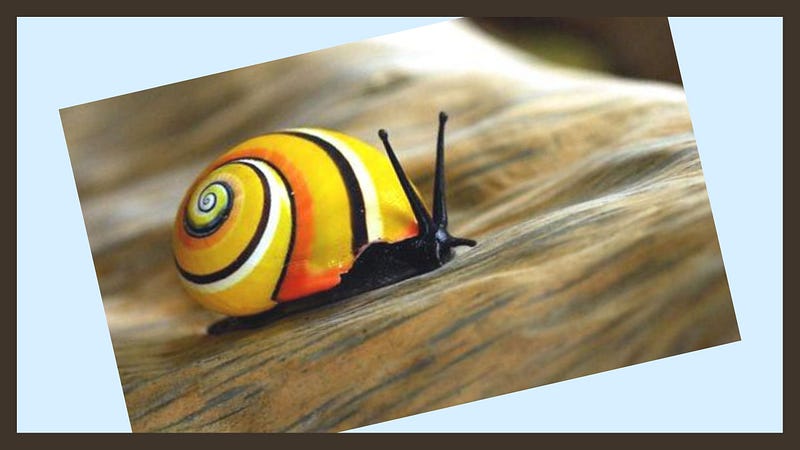
I first saw them in a documentary. I cannot remember which one, but I do remember that I was overwhelmed.
They walk in slow motion — from one tree branch to another, exhibiting their colorful, shiny shells that you will never find anywhere else. In the midst of greenery, they marvel at their unparalleled beauty.
I saw numerous snails and played with many when I was a kid. But none of them were as colorful as Cuban painted snails. These are just magnificent (even when you see them on the screen).
“Pastel yellow and pink, brick red and black, pearly white and ochre,” a National Geographic article reads while describing their wonderful color combination. “Cuba is home to the world’s greatest diversity of snails, but no others have shells with such a range of colors and complex patterns,” the article further explains.
These air-breathing land snails of Cuba belong to the genus Polymita. And they have six multicolored species that live in the coastal habitats in the subtropical forest. They prefer trees like paradise plum, black poisonwood, copperwood, etc.
These beautiful creatures love to eat moss, lichen, bark-fungi, etc. They breed in the wet season whereas become dormant when the season is dry. As they feed on bark-fungi and moss, they help the trees to remain healthy and disease-free. Coffee and coconut plantation also get benefitted by them.
These incredible painted snails have a lifespan of around 15 months. But sadly, because of human greed and selfishness, they fail to live their lives in peace and have a natural death.
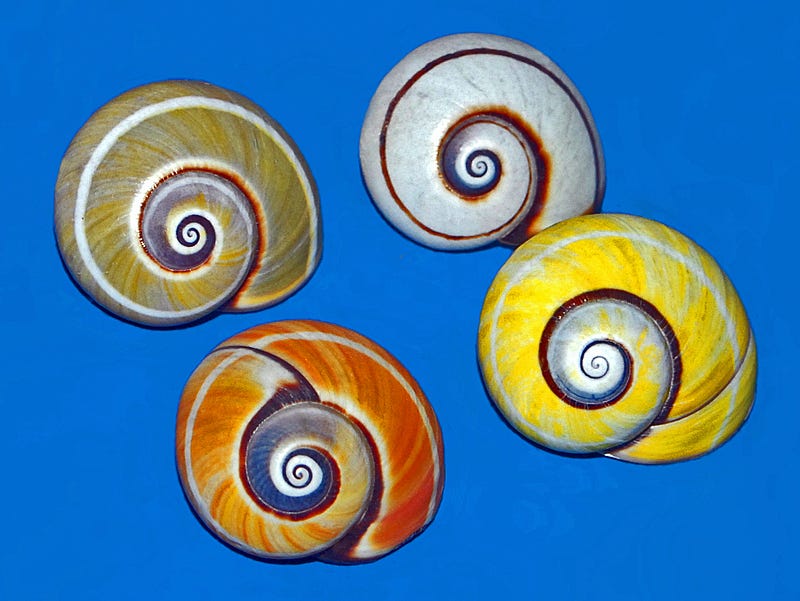
Humans are the most selfish and ignorant animals that if they find anything beautiful, either they want to eat it or have it in their possessions.
As the Cuban painted snails are unlike any snails found in the world, they have very high demand in the USA and Europe. In addition, tourists love to have them hanging in their ears or neck. So, poachers illegally collect and trade them.
Due to the illegal trade, the number of painted snails has declined drastically. Now all six species of them are listed as critically endangered.
In 2017, The Convention on International Trade in Endangered Species of Wild Fauna and Flora (CITES) banned the trade of Cuban painted snails.
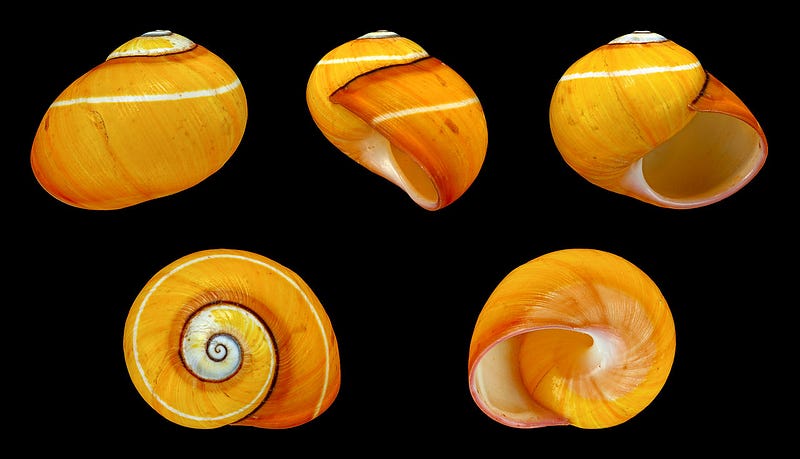
The good news is — for many years, a small group of researchers and biologists are trying hard to increase the numbers of this amazing snails. But I am doubtful about their future.
Because a Nature article published on 21 June 2021 reads, — “Unfortunately, you can find their shells for sale on eBay, and many are exported to places such as the United States, China, and Spain for use in art and jewelry — despite laws banning such trade.”
Thank you for reading!
This article is part of my 90-day writing challenge.
New to Medium?? Unlock thousands of AWESOME stories only for $5/mo. and OUTSHINE others — Click Me.
Read the following articles about the environment and wildlife — and take action to save the planet.
You can also inspire others to experience the beauty of this lovely planet. Just click the below image and be a writer for The Environment


