Using the Science of Learning to Support Cognitive Skill Acquisition
Learning Science 101: Worked Examples
Let’s face it: most kids think video games are a lot more fun than learning. But, that doesn’t have to be the case.
In reality, teaching and video games have a lot in common. Many of the video games that kids today love are actually designed based on the science of how children learn.
That means if we tap into the smart strategies that make video games work, we can make instruction more effective, content more engaging, and students more excited to learn and grow.
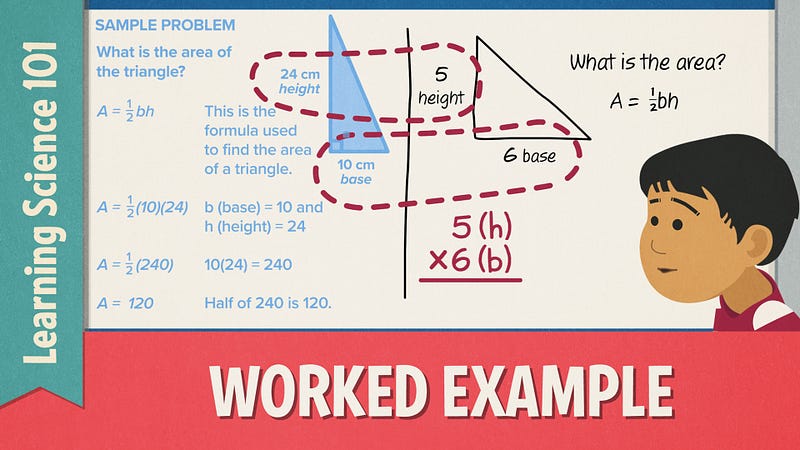
But how might we do this? One effective learning tactic often seen in video game tutorials is a worked example. In the fourth installment of our video series, Learning Science 101, where we translate the wealth of research and data on how students learn into practical strategies educators can use in their classrooms, we explore the concept of worked examples and how they can be used to enrich student understanding.
What is a Worked Example?
A worked example is a teaching approach that walks a learner through the entire solution to a problem. By scaffolding learning through demonstration, students will feel more confident to tackle the same or similar problem, and can often find the solution much faster as a result.
Why Are They Effective?
While worked and faded examples have been used in education for a long time, it wasn’t until the late 1980s that researchers demonstrated that this teaching method was highly effective, in some cases more than other methods of teaching problem-solving.
Research has shown that using worked examples is especially effective at supporting the initial acquisition of cognitive skills; It helps the learner see a successful resolution to the challenge and work through the process of solving the problem.
How Do They Work?
Similar to video game tutorials, worked examples help students learn academic content by providing step-by-step demonstrations of how to perform tasks or solve problems.
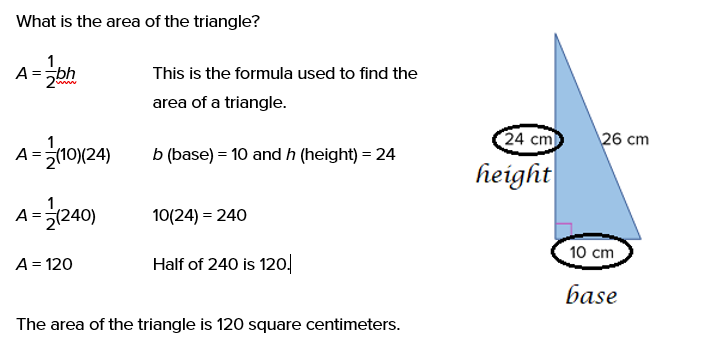
Once learners get the hang of things, the teacher can provide a faded worked example, with only some of the steps shown, so learners can practice using their own knowledge while still having some support. This reduces their cognitive load — which is the amount of information a learner has to remember all at once — so they can devote more of their cognitive resources toward really understanding how things work.
Learning science research, like that on the efficacy of worked examples, is continuing to uncover new insights into how we learn, and how we can support our relentless pursuit of equipping young minds to thrive in a dynamic environment.
Download this free coloring sheet!