
Nutrition and Health
The Vital Role of Vitamin K2 in Health and Disease
Increasing evidence suggests that Vitamin K2 is protective in multiple organs, addressing nine health conditions.

Last year, I wrote an article about the benefits of vitamin K2 for structural health. Some readers from the health community mentioned that their physicians also recommended it for other conditions and wanted to know about my research on K2. As I have been studying this vitamin for a long time, especially its effect on the brain and heart, I decided to share the summary of my literature review in this story in clear language.
Vitamin K has been known for around 80 years for its crucial role in blood clotting. Recently, the discovery of various forms of Vitamin K has shed light on its significant roles beyond just blood clotting. Emerging evidence shows Vitamin K2’s protective role in multiple organs, addressing various health conditions and preventing associated deficiencies.
While numerous trials have shown promising results with Vitamin K2, there remains an ongoing quest to comprehend its precise mechanisms within the body. Notably, global health entities like the WHO, FDA, and EFSA have set recommended Vitamin K intake levels primarily based on K1’s clotting function, potentially overlooking the distinctive attributes of K2. Many scientists in the field are adamant about changing this practice.
Vitamin K2 primarily contributes to Vitamin K’s functions beyond blood clotting. While K1 and K2 were traditionally linked, they have distinct bodily roles. This new finding of Vitamin K’s broader impact might offer fresh perspectives on health and illness. Acknowledging the disparities between K1 and K2 is vital for global health authorities and warrants continued exploration. Yet more research is required to delve deeper and make necessary dietary recommendations.
Among various types of Vitamin K, MK-7 stands out for its superior absorption and bioavailability. In a study comparing K1 and MK-7 intake, both were absorbed within 2 hours, but MK-7 showed notably higher blood concentrations, around ten times greater than K1.
Compared to MK-4 and longer chain menaquinones (MK-8 and MK-9), K1 demonstrated more significant variation in individual blood concentrations and was less absorbed. Meanwhile, MK-7 and MK-9 remain in the bloodstream longer than K1, allowing for an extended presence in various body tissues.
Yet, not all types of menaquinones are absorbed equally. MK-4 doesn’t raise serum levels, unlike MK-7, which elevates and maintains higher levels for several days, contributing to overall Vitamin K levels in the body. MK-9, despite its prolonged half-life owing to its affinity for lipids, isn’t absorbed efficiently due to its high lipophilicity (fat-solubility).
As shown in the National Library of Medicine, research on Vitamin K2 has intensified in the last two decades for compelling reasons I will cover in this story.
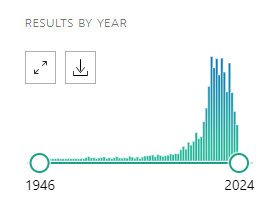
After this brief background, I want to summarize the role of vitamin K2 in various health conditions related to organs and systems in simple language. As requested by readers, I added the scientific references with links to journals at the end of the story for those interested in further research.
1 — Cognitive Function and Neurological Health
I will start with this one as it was most interesting for my studies in cognitive science. Research in lab settings has shown that Vitamin K2 has a protective effect on brain cells. For instance, MK-4, a type of Vitamin K2, boosted energy production and rescued a mutation associated with Parkinson’s disease.
Recent research has identified a new way Vitamin K2 shields neurons: through a unique P38 MAP kinase pathway. Additionally, different forms similar to Vitamin K2 have been found to play a significant role in the development of nerve cells.
In a first-of-a-kind study, researchers examined Vitamin K2 in nerve activity in a group comprising 45 multiple sclerosis (MS) patients and 29 healthy individuals. They discovered significantly lower levels of K2 in MS patients compared to age- and gender-matched controls.
Moreover, the levels of K2 correlated with neurological symptoms and damage to the optic nerves. These emerging findings indicate a potentially crucial role for Vitamin K2 in developing and managing neurological conditions.
2 — Immune System Function
Recent studies outside the body have uncovered a new role for Vitamin K2 in affecting the immune system. Initially, it was found that MK-7 impacted the expression of certain immune-related molecules like TNF-α, IL-1α, and IL-1β. Building on this, Vitamin K2 reduced the growth of T-cells in healthy people, unlike Vitamin K1, which didn’t have the same effect.
This discovery was supported by research involving T-cells from children with pediatric atopic dermatitis and patients on dialysis.
In both cases, Vitamin K2 decreased the number of active T-cells and their growth. This growing body of evidence suggests that Vitamin K2 might act as an agent that regulates the immune response.
However, how Vitamin K2 achieves this is still unclear and needs further investigation. This emerging understanding could potentially reveal a new method by which Vitamin K2 influences immune function, but more research is necessary to understand it fully.
3 — Chronic Kidney Disease
Vitamin K2 could benefit kidney health significantly and offer new avenues for managing chronic kidney disease (CKD).
The dp-ucMGP level (a biomarker) is a recognized marker for Vitamin K deficiency, initially observed in CKD patients. As CKD progresses, dp-ucMGP levels in the blood tend to increase.
Vitamin K2 supplementation has shown positive effects by enhancing the function of the renal artery and preventing further calcification in these arteries, which is beneficial for kidney function.
Moreover, studies indicate that Vitamin K2 supplementation might enhance glomerular filtration, another essential aspect of kidney health.
The potential of Vitamin K2 in CKD treatment is promising, and ongoing large-scale studies are using supplementation to explore its therapeutic effects on CKD patients.
4 — Type II Diabetes
Long-term use of Vitamin K2 has reduced the risk of developing type II diabetes. In the most extensive study involving 38,000 people aged 20 to 70, a daily intake of just 10 μg of K2 decreased the risk of diabetes by 7%.
Researchers are solving how Vitamin K2 achieves this effect. It is known that Vitamin K2 activates osteocalcin, which, in lab studies, has been observed to stimulate the growth of pancreatic beta cells, increase insulin production, and encourage the expression of CyclinD1, a protein involved in cell cycle regulation.
The exact mechanism by which Vitamin K2 impacts diabetes is still being studied. There is a hypothesis that osteocalcin, lectin, and adiponectin hormones form a complex network affecting glucose metabolism, which Vitamin K2 might influence.
These new findings suggest that Vitamin K2 might play a role in managing glucose levels and diabetes, but further research is needed to understand these mechanisms fully.
5 — Cancers
Vitamin K2 has been studied in cancer treatments. Lab studies showed that K2 alone could stop the growth and spread of various cancer cell types.
The ways it works against cancer, involving pathways like protein kinase A, protein kinase C, and others, have been reviewed. In clinical interventions, adding vitamin K2 to standard cancer treatments reduced cancer progression in patients who achieved complete remission.
Notably, Vitamin K2’s anticancer effect isn’t specific to one type but has shown promise across various forms of cancer. It has been explored as a potential addition to standard cancer therapies with encouraging results.
6 — Liver Health
Vitamin K plays a well-known role in the liver, mainly linked to producing clotting factors and activating specific proteins. Most studies focus on K1, but K2 seems more potent and might work similarly in liver tissue.
New research on Vitamin K2 shows it may support liver cell regeneration and development, potentially indicating its importance in liver growth. Some trials suggest MK-4, a type of K2, could be effective against liver cancers related to cirrhosis, both from alcohol and non-alcohol-related causes.
There is also a positive trend in using vitamin K2 supplements to treat liver cirrhosis, but more investigation is needed to confirm its significance and understand precisely how vitamin K2 affects liver diseases.
7 — Obesity and Weight Management
There is a potential connection between osteocalcin and adiponectin, though how they interact precisely remains unclear.
In studies with mice, raising levels of uncarboxylated osteocalcin (ucOC) reduced fat and improved glucose metabolism. Similarly, in rats, Vitamin K1 and MK-4 supplements decreased overall fat and triglyceride levels.
Researchers found that a specific factor (VKORC1L1) encouraged fat cell formation. When this factor was reduced, Vitamin K2 levels inside cells increased, inhibiting the development of immature fat cells. Human studies also support that Vitamin K2 supplements may benefit body weight, waist size, body composition, visceral fat, and diabetes.
These findings hint at Vitamin K2’s positive impact on how the body handles glucose and fat for weight management. However, further investigation is needed for confirmation.
8 — Bone Health [Degeneration and Fractures]
As I covered in my previous stories, ensuring solid bones is crucial to protect from osteoporosis, especially as we age.
Vitamin K2 can enhance bone quality, reducing the risk of fractures, as shown in studies focusing on people over 50. I provided six tips to lower the risk of osteoporosis and gain stronger bones.
Studies suggest that newborns usually have lower levels of Vitamin K, including K1 and K2, which can lead to a deficiency. Correcting this deficiency is essential, particularly for Vitamin K2, as it supports proper bone development and mineralization. Insufficient Vitamin K2 in infants can potentially impact their bone health and development.
Mutations in Vitamin K-dependent enzymes can lead to birth defects impacting bone and cartilage development, supporting this idea. In lab studies, Vitamin K2 treatment has been found to encourage the growth of bone-forming cells. While the exact mechanism is still being studied, a protein called osteocalcin is known to play a role in bone function.
Ongoing population studies aim to provide more insights into how Vitamin K2 impacts bone development, health, and maintenance, contributing to our understanding of its role in maintaining strong and healthy bones.
9 — Cardiovascular Health
I left this to the end, as cardiometabolic diseases cause significant mortality and morbidity. For example, heart disease is a leading cause of death worldwide. I wrote several articles about them, so I will not repeat the details. Here is a summary of seven risk factors.
But in this context, the critical point is that calcification in our blood vessels is a harmful process linked to cardiovascular disease. Vitamin K2-dependent proteins activate a shield against this calcification, protecting our blood vessels.
Studies using Vitamin K2 (MK-7) have consistently shown its long-term protective effects against calcification in healthy people and those with health issues. Moreover, Vitamin K2 has been linked to a reduced risk of developing cardiovascular disease and has shown the potential to reverse arterial stiffness and improve blood vessel flexibility, especially when taken as a supplement.
Interestingly, among various forms of Vitamin K, only K2 has proven effective for cardiovascular health, not K1. The profound role of K2 in heart health is well-documented.
Ongoing large-scale studies worldwide further investigate Vitamin K2’s impact on cardiovascular conditions. These studies aim to provide more concrete evidence supporting Vitamin K2’s role in preventing cardiovascular issues.
Conclusions and Takeaways
For over 80 years, scientists have known about Vitamin K and its essential role in blood clotting. Health organizations set recommended intake levels for Vitamin K based solely on maintaining clotting. However, the discovery of different Vitamin K types reveals a broader role beyond clotting, especially with Vitamin K2 benefiting heart health and bone strength.
Although historically grouped together, K1 and K2 can have very different effects on the body. Recognizing the differences between K1 and K2 is crucial for health organizations worldwide and should continue to be explored through research.
Studies clarified K2 stands out for its activities outside the liver, extending to other organs and systems. Growing evidence shows that Vitamin K2 is involved in various body processes and might protect different organs.
While a new aspect of Vitamin K seems promising, whether it leads to new health discoveries remains to be seen. Despite positive outcomes in many trials using Vitamin K2, scientists are still figuring out exactly how it works in the body.
In summary, Vitamin K2 shows promise in various bodily functions, but ongoing research is crucial to understanding its full potential and mechanisms in treating and preventing diseases across different systems in the body.
Gut bacteria produce vitamin K2, similar to several other vitamins. Healthcare experts suggest obtaining vitamins primarily from food sources and considering supplementation, guided by qualified professionals if dietary intake is insufficient.
Key sources of vitamin K2 include fermented foods like natto and animal products like eggs, poultry, red meat, fatty dairy, and organ meats like beef liver. I have no deficiency as I consume these products, so I don’t need to supplement it. But some people, especially those with specific dietary restrictions or limited gut synthesis, might need to supplement as a critical vitamin covered in this story.
I wrote about many other nutrients that you may find in the attached list.
Thank you for reading my perspectives. I wish you a healthy and happy life.
Prominent References Related to K2 for Researchers
Vitamin K has the potential to protect neurons from methylmercury-induced cell death In Vitro. [Journal of Neuroscience Research]
Vitamin K2 Is a Mitochondrial Electron Carrier That Rescues Pink1 Deficiency [Science]
Two enzymes catalyze vitamin K 2,3-epoxide reductase activity in mouse: VKORC1 is highly expressed in exocrine tissues, while VKORC1L1 is highly expressed in the brain. [Thrombosis Research]
Vitamin K2 protects PC12 cells against Aβ (1–42) and H2O2-induced apoptosis via p38 MAP kinase pathway [Nutrtional Neuroscience]
Inhibition of TNF-α, IL-1α, and IL-1β by Pretreatment of Human Monocyte-Derived Macrophages with Menaquinone-7 and Cell Activation with TLR Agonists In Vitro [Journal of Medicinal Food]
Vitamin K1 and Vitamin K2 immunopharmacological effects on the peripheral lymphocytes of healthy subjects and dialysis patients, as estimated by the lymphocyte immunosuppressant sensitivity test [Journal of Clinical Pharmacy and Therepeutics]
Plasma Desphospho-Uncarboxylated Matrix Gla Protein as a Marker of Kidney Damage and Cardiovascular Risk in Advanced Stage of Chronic Kidney Disease [Karger]
Vitamin K Dependent Protection of Renal Function in Multi-ethnic Population Studies [eBioMedicine]
Dietary Phylloquinone and Menaquinones Intakes and Risk of Type 2 Diabetes [Diabetes Care of American Diabetes Association]
Effect of vitamin K2 on type 2 diabetes mellitus: A review [Diabetes Research and Clinical Practice]
Research progress on the anticancer effects of vitamin K2 [Oncology Letters]
The role of PKC isoforms in the inhibition of NF-κB activation by vitamin K2 in human hepatocellular carcinoma cells [Journal of Nutritional Biochemistry]
Vitamin K and hepatocellular carcinoma: The basic and clinic [World Journal of Clinical Cases]
Pathogenesis, prevention, and management of bleeding and thrombosis in patients with liver diseases [Research and Practice in Thrombosis and Haemostasis]
Vitamin K2-Enhanced Liver Regeneration is Associated with Oval Cell Expansion and Up-Regulation of Matrilin-2 Expression in 2- AAF/PH Rat Model [Ingenta Connect]
Endocrine Regulation of Energy Metabolism by the Skeleton [Cell]
γ-Glutamyl carboxylase in osteoblasts regulates glucose metabolism in mice [Biochemical and Biophysical Research Communications]
The Vitamin K Epoxide Reductase Vkorc1l1 Promotes Preadipocyte Differentiation in Mice [Obesity]
Serum leptin and adiponectin are positively associated with bone mineral density at the distal radius in patients with type 2 diabetes mellitus [Metabolism]
Intake and sources of phylloquinone in 4-year-old British children: comparison between 1950 and the 1990s [Cambridge Public Health Nutrition]
New perspectives on rare connective tissue calcifying diseases [Current Opinion in Pharmacology]
Vitamin K2 promotes mesenchymal stem cell differentiation by inhibiting miR‑133a expression [Molecular Medicine Report]
Vitamin K as Additive Treatment in Osteoporosis [The US Clinical Trials]
Vitamin K‑dependent proteins involved in bone and cardiovascular health [Molecular Medicine Reports]
Initiation and Propagation of Vascular Calcification Is Regulated by a Concert of Platelet- and Smooth Muscle Cell-Derived Extracellular Vesicles [Frontiers]
Prevention of vasculopathy by vitamin K supplementation: Can we turn fiction into fact? [Atherosclerosis]
Is Matrix Gla Protein Associated with Vascular Calcification? A Systematic Review [Nutrients]
Vitamin K: Double Bonds Beyond Coagulation Insights into Differences between Vitamin K1 and K2 in Health and Disease [Internation Journal of Molecular Sciences]
To inform my new readers, I wrote numerous articles that might inform and inspire you. My topics include brain and cognitive function, significant health conditions, longevity, nutrition/food, valuable nutrients, ketogenic lifestyle, self-healing, weight management, writing/reading, and humor. 100+ Insightful Life Lessons from My Circles for the Last 50+ Years
I publish my health and wellness stories on EUPHORIA. My posts do not include professional or health advice. I only document my reviews, observations, experiences, and perspectives to provide information and create awareness. Be Your Own Therapist in 10 Steps.
To get my post in your inbox, you may subscribe to my content. If you are a writer, you are welcome to join my publications by sending a request via this link. I support 26K+ writers who contribute to my publications on this platform. I also have another profile to write and curate tech stories.