
Technology | Future
The Virus Has Proven Tesla’s Place in this World
Elon Musk’s vision fits surprisingly well into a post-pandemic world.
Key Points
- Post-Pandemic Transport
- Tesla’s Mission
- Tesla’s Edge
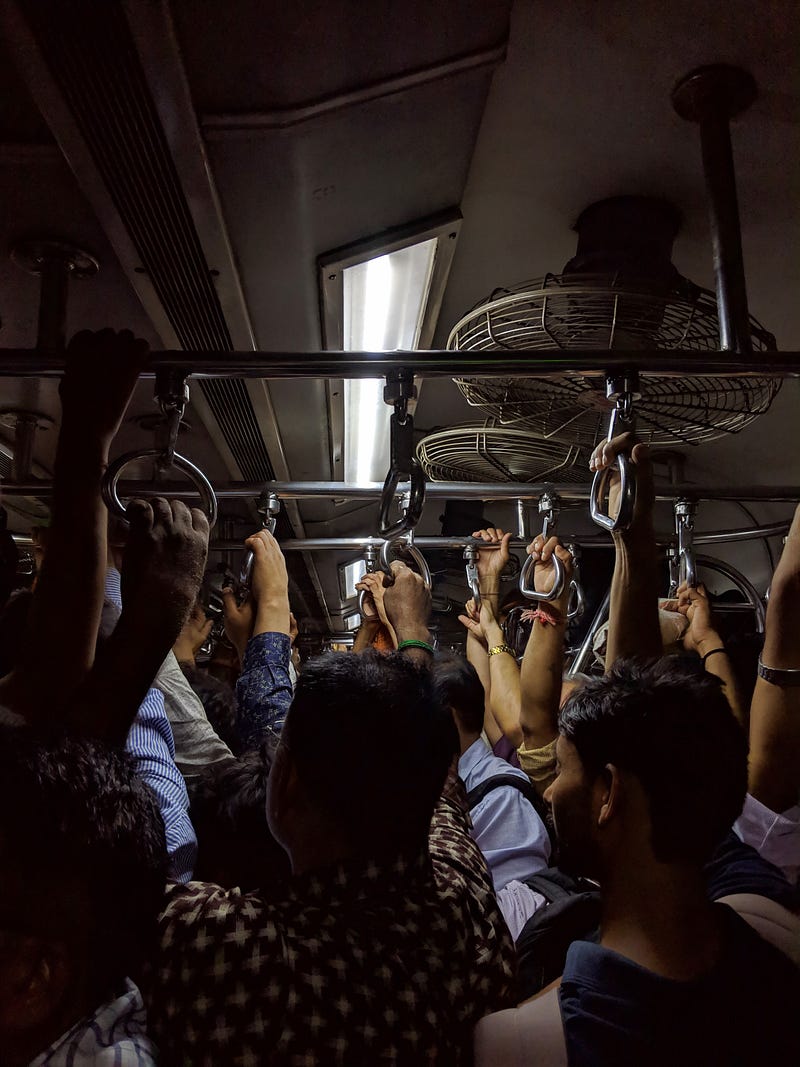
About 30 days since the city reopened, I took my first public bus ride. It was a tense situation in the bus, with easily 100 people in masks looking out to social distance within a 3 by 20 metres space.
However hard I try to look at it, the heightened alert does nothing to hide the elephant in the room: the fact that the bus is an enclosed space of doom.
In this article, I discussed how saliva droplets can linger in an enclosed room for 20 minutes, and infect up to 20 persons in a super-infection.
To avoid a contagion, it is time public transit must evolve.
ELON Musk has been nothing short of the modern day superhero. He helms a whole slew of engineering companies and pet projects prime to disrupt every possible industries in the world. Call it his massive high-growth tech empire.
If the market is really forward looking, the prospects of the Tesla vehicle in a post-pandemic world would have been priced in.
Sure enough, the recent news of Tesla taking over Toyota (Disney, and Coke) as the world’s most valuable car company (by market cap), one cannot help but think Tesla must have done something right, even for the future.
Here, I explore just how Tesla’s vision in a sustainable future fits into this post-pandemic world.
The New City
THE virus is staying. The coronavirus swept across the world quickly spreading through the developed world, as if summoned upon the Earth to cleanse it of ailing human activities. Hyper-connected cities are worse hit by the storm. And when it took the lives of our elders, daily clockwork routines came to an abrupt stop to contain the virus spread.
Just when we, the humans, think we have stopped this common enemy for a long time in history, second waves came in droves. One by one cities went into lock-down, opened up, then considered a second lock-down.
“We have to learn to live with the virus,”
“We have to learn to live with the virus," governments said, having fought an uphill battle. The virus is here to stay. Our personal lives have all been affected. Same for the cities we live in.
Post-Pandemic Transport
Lives were not the only thing that the virus proved to have a fatal impact, transport systems in cities around the world are also threatened.
It is no news that COVID-19 will shape the transport systems of the developed world for years to come, especially severely affected ones like air travel. We immediately lament the cancelled vacation trips.
Air travel aside, land transportation is the backbone of cities, and by extension, the backbone of the lives of city dwellers.
It is unavoidable for the function of cities to include land transport. We simply need drivers to get things and people to places.
It then has to exist in a different form.
The likely impact and policy changes surrounding drivers are said to be:
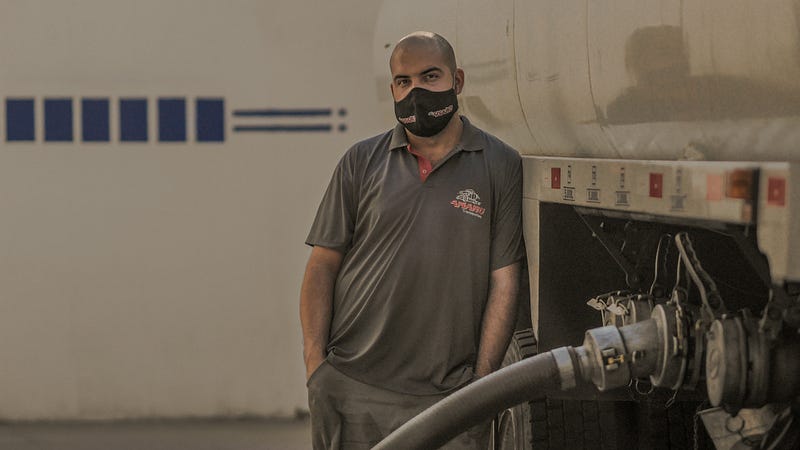
- #1 Regular medical checks on drivers
Offloading and unloading in the freight sector will begin to enact mandatory medical checks on drivers with standard procedures such as temperature taking, evaluation of symptoms, and wearing of masks.
- #2 Tighter cross borders control
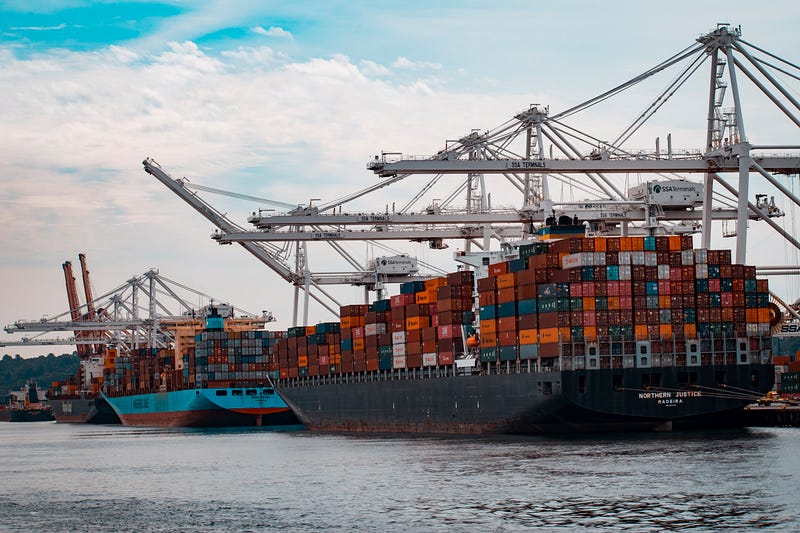
In attempts to isolate their territory, local governments will strive to become more self-subsistent and rely less on cross-border produce. It is also in their best interest to reduce contacts and cross-infections in times of uncertainty and crisis.
This is already directly affecting the European Logistics market.
We have learnt that in times of uncertainty and crisis, people only have themselves to depend on. (US and China have already systematically turned against each other.)
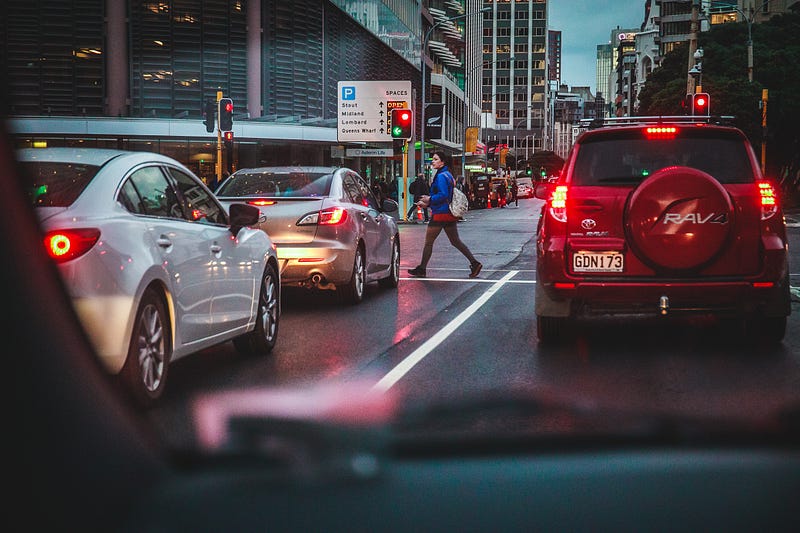
- #3 Surge in private vehicles over public transport
Automotive tech companies are priming themselves for the rise of private cars in the post COVID-19 world.
According to CARS24, an startup, a considerable percentage of commuters will now look to shift towards private cars.
- #4 Contact reduction
Where public transport is inevitable, contact reduction is advised.
- #5 Rise of members-only transportation, chartered transport, and private networks
Similar to point #3. Companies and organisations will begin to provide standalone service to essential commuters.
- # 6 Objective of maintaining minimum service in the public sector
Managing coronavirus in public transport is a herculean task. Above educating the public about preparedness, personal protection, and contact reduction, cities would roll out new schedules to reduce frequency of service.
Tesla’s Mission: Sustainable world
Tesla’s side goal of making electric cars desirable and shedding its “boring” image has seen much success. It’s main mission is loftier: to accelerate the world’s transition to sustainable energy.
As it works towards that, Tesla enjoyed overwhelming success, largely in valuation, and plans its next steps in leading the next-generation tech.
Most prominent to me, they are the next-gen electric vehicle batteries and solar-powered superchargers off the grid, which I see as fitting surprisingly well in a virus-cautious city.
Here, we explore how Tesla’s vision in a sustainable future fits into a post-pandemic world.
Tesla’s Edge
ALREADY some of you may see how Tesla fits into this picture.
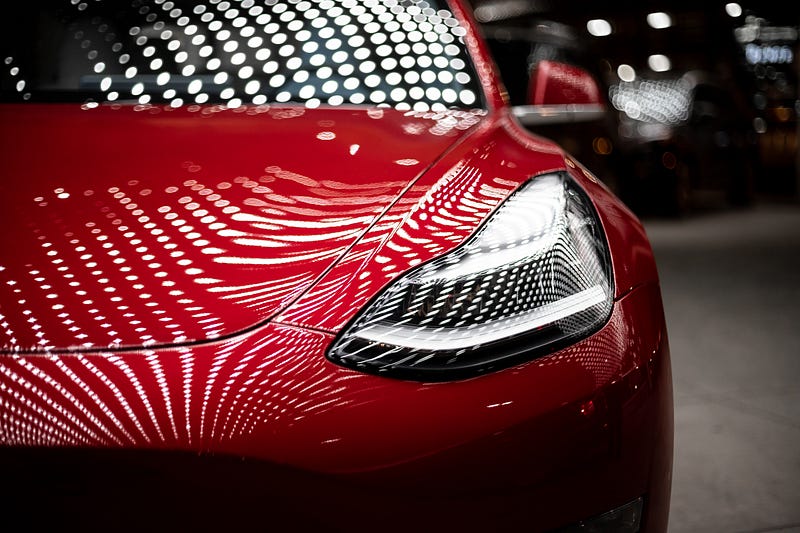
Here is the list of how I think Tesla’s vision fit well into a virus-paranoid city:
- Private EVs
- Battery Cell
- Superchargers and Home charging
- Smart contact tracing
- Disconnected from the grid
Private automobiles over shared transit
Public transport in cities is highly vulnerable to disease outbreaks, such as the COVID-19 pandemic. Solving the shared transport problem will be key to pandemic recovery. New habits will emerge and help.
As China recovers from the peak of COVID-19 pandemic and reopens its economy, consumers are registering for cars, with Tesla EVs making up 10,160 units in March, a 260% increase over the pandemic peak month of February.
As had happened after SARS, first-time consumers are likely to be buying a car to avoid public transit and its health risks. Pent-up demand is also supporting the car resurgence.
It appears that automobile may become the safer mode of transport, and wisely so.
Battery cell over petrol
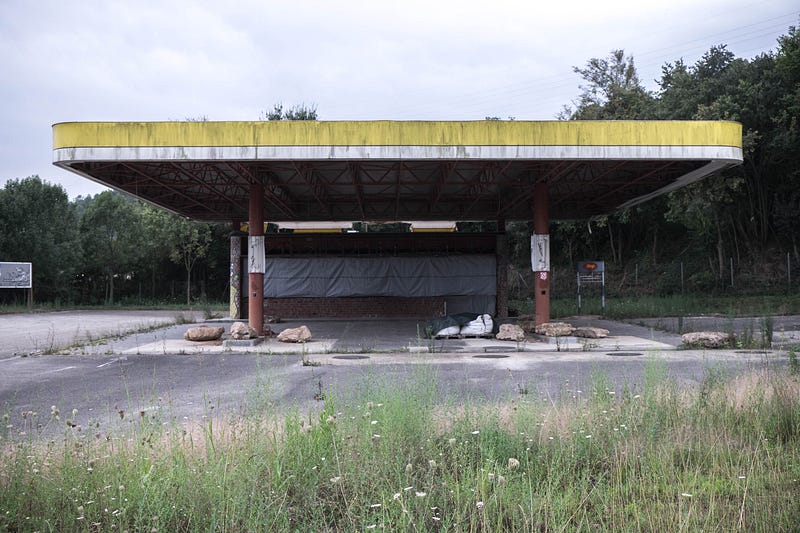
Ever wondered how those petrol stations get their petrol?
Fuel is usually offloaded from a tanker truck into the tanks through a separate valve, located on the filling station’s perimeter. Fuel from the tanks travels to the dispenser pumps through underground pipes.
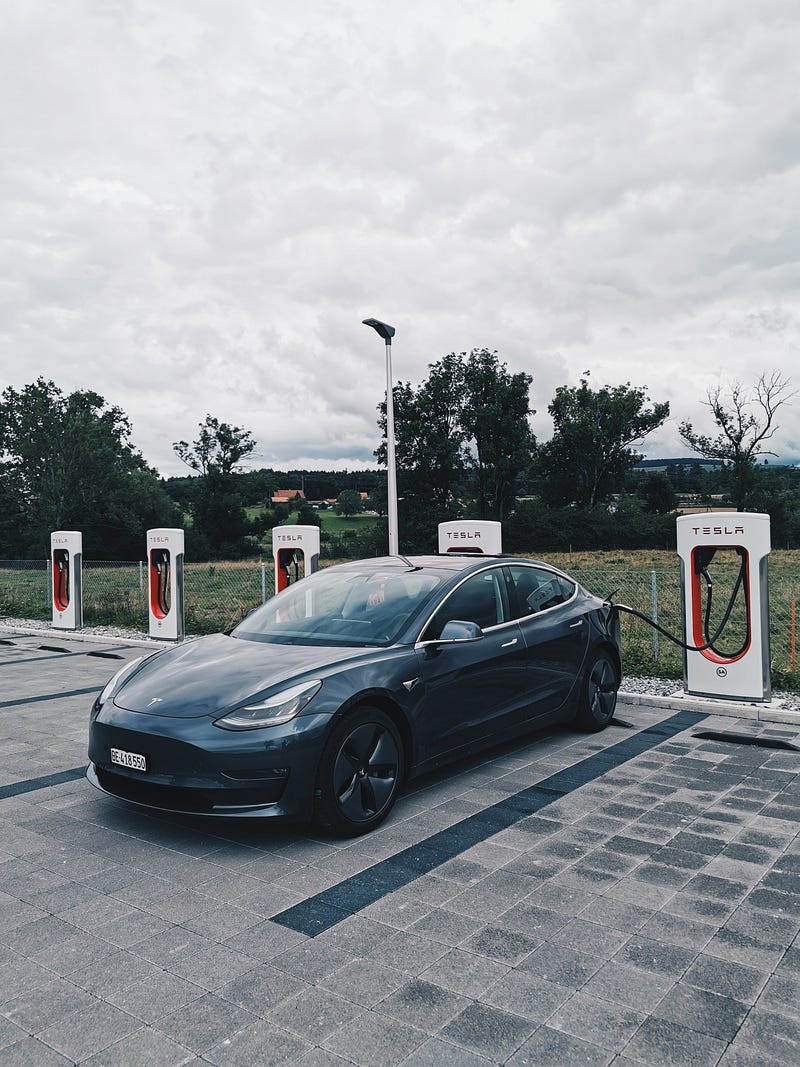
With powercell and supercharging stations, there is no need for fuel freights.
In attempts to isolate their territory, local governments will strive to become more self-subsistent and rely less on cross-border produce. […] to reduce contacts and cross-infections in times of uncertainty and crisis.
Self-sufficient Superchargers and home battery stations
Elon Musk used to joke that his solar-paneled charging station for his Tesla electric cars would still be in operation in an event of a zombie apocalypse. Now, the joke turned out rather well thought out.
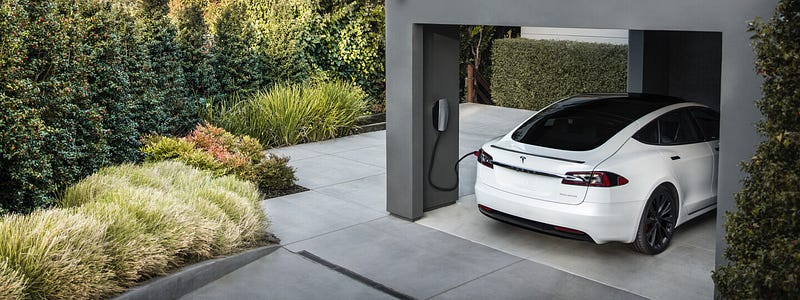
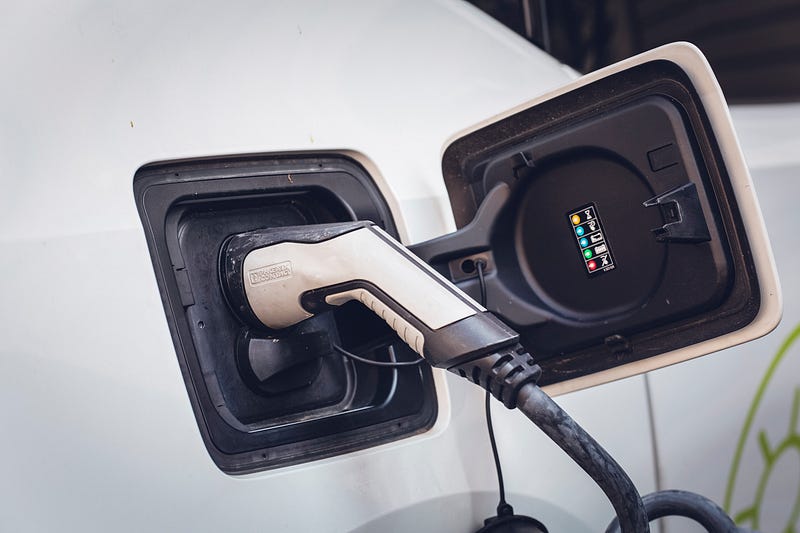
Designed to function self-sufficiently without a need for human assistance, the solar-powered charging stations seems like a natural progression from gas stations in automotive fueling. The lack of refueling staff also meant the removal of a point of super contagion.
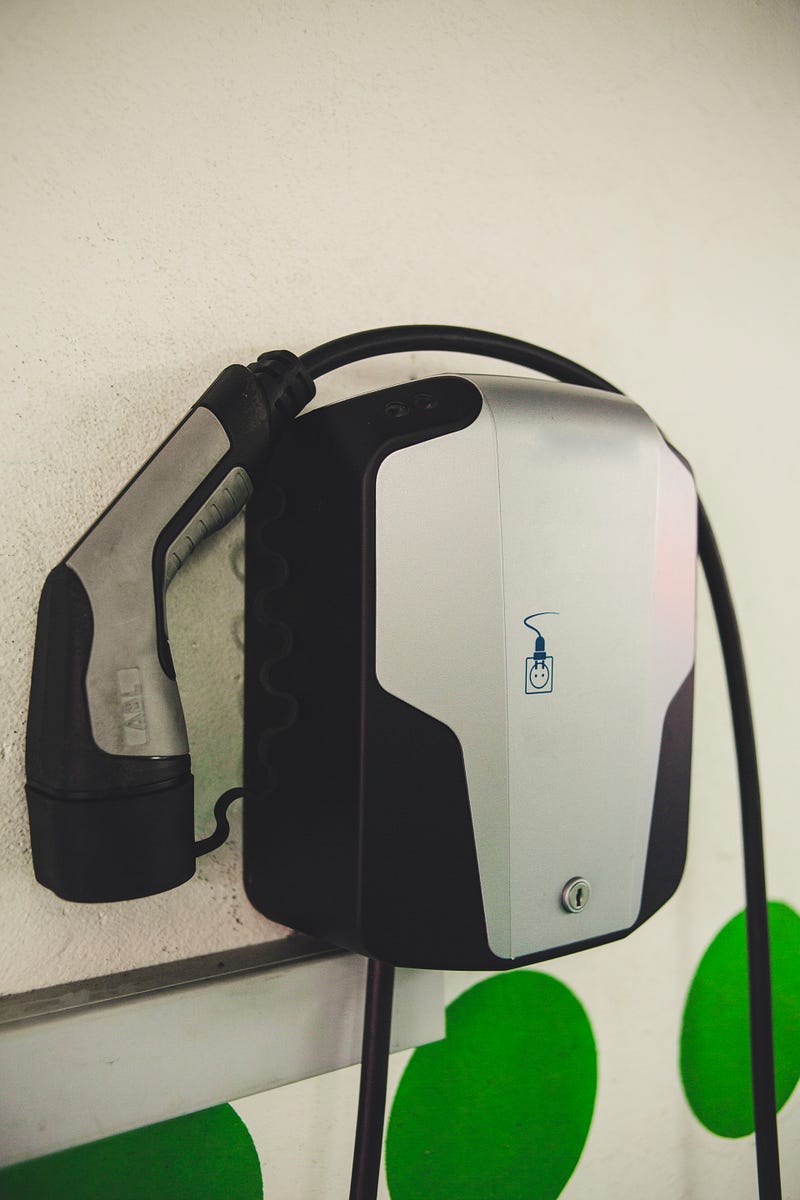
A simple act of touching the pas pump may discourage users in the post-pandemic future, and the option to have refueling done at home with a simple wall plug makes Tesla sit well with the more hygiene conscious customers.
Smart contact tracing
Tesla vehicles regularly receives over-the-air software updates that add new features and functionality. When an update is available, customers will be notified. Customers are also able to buy a feature, such as auto lane-switching, through this ‘app store” to unlock the full capabilities like autopilot and full self-driving.
With this remote software push, it is possible to enact contact tracing measure more easily, at least amongst the Tesla drivers, allowing them to track where they go.
Imagine a hypothetical future where a Tesla vehicle is able to warn or feedback you about a possible contagion location based on open sourced intelligence, or the high-risk profiles of certain car-owners nearby, or even guide you to the least resource strapped hospital or the nearest virus testing site available.
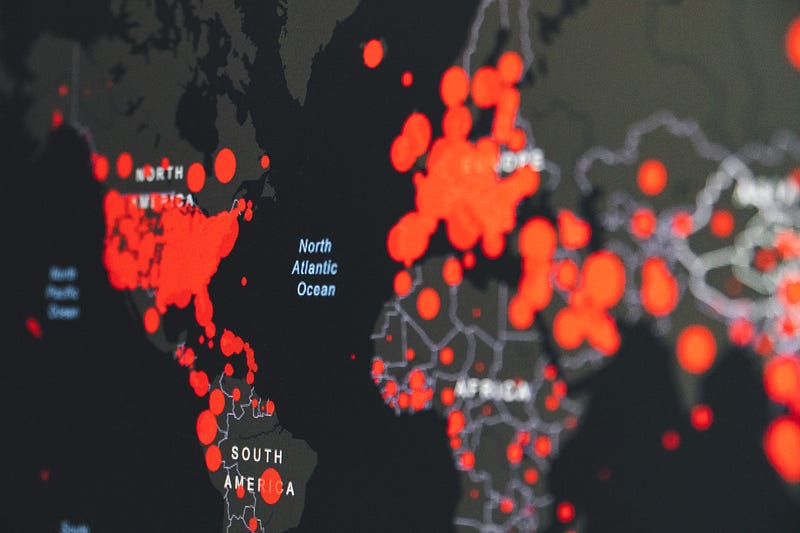
Of course such technology can be done on the mobile phones. But who is to say a more transport native application will not ever become mainstream. For one thing, there’s even an digital audio workstation (DAW) in the car after a software update to make long rides more bearable.
Disconnected from the grid
To naysayers of EVs who makes the case for burning coal to make electricity is not environmentally more friendly than just burning fuel, Elon Musk has the perfect answer.
Tesla’s ambition to go off-grid is part of it’s sustainability goals. Going off the grid means that the homes and charging stations will be entirely disconnected from the power grid and only self-powered by solar panels and energy stored in batteries.
What has this got to do with a pandemic? It might be a stretch, but if we were ever to reach a critical stage where the world enters an almost apocalyptic frozen war-torn state, then self-sustainability becomes paramount.
Elon Musk used to joke that his solar-paneled charging station for his Tesla electric cars would still be in operation in an event of a zombie apocalypse. Now, the joke turned out rather well thought out.
End
IN summary, I compared the up and coming changes to the city in transport, both for commuters and truck drivers.The main changes are:
- #1 Regular medical checks on drivers #2 Tighter cross borders control #3 Surge in private vehicles over public transport #4 Contact reduction #5 Rise of members-only transportation, chartered transport, and private networks # 6 Objective of maintaining minimum service in the public sector
Pitching these changes against the Tesla’s vision, we can see how it fits rather well:
- Private EVs Battery Cell Superchargers and Home charging Smart contact tracing? Disconnected from the grid

Let me know what you think. Is Tesla primed for the future? Did the pandemic bolster (or hamper) Tesla’s spectacular growth in the stock market? Is Tesla really a tech growth company (instead of a high-risk car company)? Is Tesla really the most valuable car company (above Toyota) in the world? The market certainly thinks so.
I would love to hear what you think.
References:
https://www.tesla.com/charging
https://www.tesla.com/support/software-updates
Feel free to drop by, connect, or say Hello on my Medium and Twitter for more tech perspectives.
Or, read more:


