avatarAugust Birch

Free AI web copilot to create summaries, insights and extended knowledge, download it at here

2617

Abstract

urselves permission to fail. Permission to bastardize punctuation. permission to write in all lower-case. Permission to end sentences with prepositions on.</p><p id="162f" type="7">Because the act of writing doesn’t really matter, it’s the output that counts.</p><p id="f363">We don’t ask a car-maker to whine about how hard it was to get the seat mounted to the floor. We don’t ask the house-painter what turpentine she uses to clean her brushes. And we don’t ask the oil change guy what kind of boots he wears while he drains your engine.</p><p id="503d">But for some reason we get obsessed with the process of writing, like it’s a sacred cow. Writing is a blue-collar vocation. If we haven’t finished what we’ve started the project doesn’t exist.</p><p id="a4a4">The only thing that matters when writing, is you’ve got at least one reader (not you and preferably not your mom) on the other end who enjoys the project — period. Get three readers? Even better.</p><p id="b7af"><b>It’s time to go untethered.</b></p><p id="4585">Rules? What rules? Show a person who obsessed with writing rules and I’ll show you someone who hasn’t written much worth reading. I’ve found the loudest writing critics tend to be the least-prolific writers.</p><p id="2e6d"><b>That’s an anecdotal observation. I’ve got no hard proof, but I think I’m right.</b></p><h1 id="67d2">But How?</h1><p id="07a3">Well, you can’t ignore all the rules. We also can’t attack writing as if we know better than everyone — the young artist’s dilemma, that the world is in the dark and we’ve got the light.</p><p id="fb44"><b>Remember, if our work isn’t fancy we aren’t either.</b></p><p id="f9ee">As writers, no matter how long or little we’ve written we don’t have all the answers. I have to remind myself of this every day. Before bed I climb off my soapbox and remember how important it is to keep writing and stay humble.</p><p id="e67f"><b>Most of what we write won’t work. But some of it will.</b></p><div id="f8af" class="link-block"> <a href="https://readmedium.com/the-one-thing-i-wish-i-knew-before-i-started-writing-commercially-c8e91872e6dc"> <div> <div> <h2>The One Thing I Wish I Knew Before I Started Writing Commercially</h2> <div><h3>Before we write a single word we need to have this in place first</h3></div> <div><p>medium.com</p></div> </div> <div> <div style="background-image: url(https://miro.readmedium.com/v2/resize:fit:320/1*2qZn0Ae4YUU7cZZzpYwQaQ.jpeg)"></div> </div> </d

Options

iv> </a> </div><p id="42c5">The funny thing is we don’t get to pick what’s good and what isn’t. I can’t tell you how many times I’ve though my writing project was the best thing since gold-plated hubcaps, but the readers hated it. Then, I’d put together something I though was just OK, and my readers lost their minds.</p><p id="9ef0"><b>We don’t get to choose what’s good, but we’ve got to put in the hours.</b></p><p id="b4ad">Like flight time and pilots, writers need ‘cheek time.’ If we don’t sit down and actually write real words on a real page, the best we can do is talk about writing, or think about writing — that’s not writing.</p><p id="3ee0"><b>It’s time to do our best work.</b></p><p id="55aa">It’s time to cut the tether and run around our proverbial desk with the lampshade on our heads. Whether we write fiction or non, it’s time to take chances — to challenge what’s acceptable. We’ve got to learn all the rules so we can break them creatively.</p><p id="dd89"><b>No one’s real excited about your process. They want your best work. To get our best work we’ve got to put in the hours.</b></p><div id="6b8d" class="link-block"> <a href="https://readmedium.com/become-a-better-writer-blog-every-day-on-paper-4dde0e2dcf1"> <div> <div> <h2>Become a Better Writer: Blog Every Day… on Paper</h2> <div><h3>How a pocket journal will help you tell better stories</h3></div> <div><p>medium.com</p></div> </div> <div> <div style="background-image: url(https://miro.readmedium.com/v2/resize:fit:320/1*lnZYX7-rLyuf5V3W3Aa9eA.jpeg)"></div> </div> </div> </a> </div><p id="7f20">When we’re untethered we become prolific writers. When we’re prolific, we produce some great content. When we produce great content our readers keep us fed and watered.</p><p id="d48b"><b>We need your work. It’s time to cut the cord.</b></p><p id="e9dd">We’re waiting for you.</p><p id="7fa1">August Birch (AKA the Book Mechanic) is both a fiction and non-fiction author from Michigan, USA. A self-proclaimed guardian of writers and creators, August teaches indie authors how to write books that sell and how to sell more of those books once they’re written. When he’s not writing or thinking about writing August carries a pocket knife and shaves his head with a safety razor.</p><p id="3479"><b>(<a href="https://www.subscribepage.com/tribe1K">Enroll in My Free Email Masterclass: Get Your First 1,000 Subscribers</a>)</b></p></article></body>

The Untethered Writer is a Prolific Writer

How to avoid the writing demons and create your best work in the process
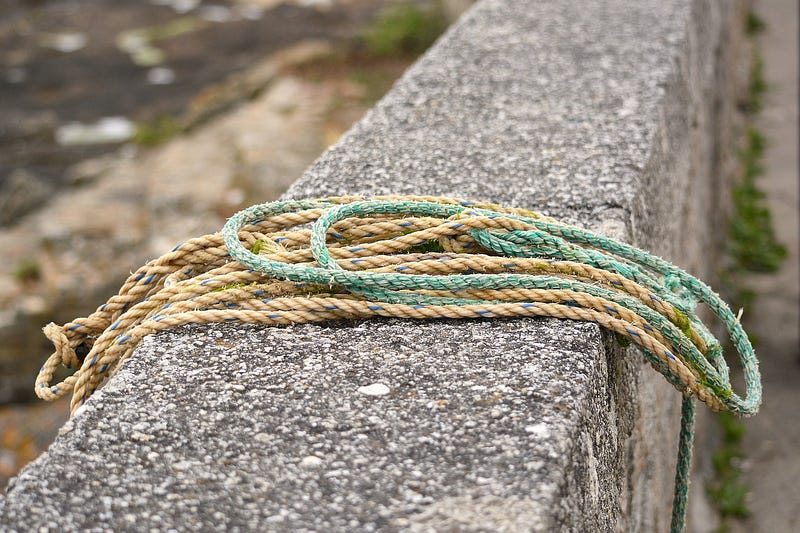
The Untethered Writer is a Prolific Writer

Writing rules are everywhere. I think writing is one of the most-opinionated art forms, yet so few people see a project to completion. I can’t tell you how many books I’ve started.

I wrote five full novels before I published one.

We get criticism from every angle, more on the inside, but plenty on the out. So, how’s a writer supposed to keep working on her craft, when the whole world’s got an idea how she’s supposed to practice it?

Well, I’ve got an answer.

It’s time to go nuts… I mean, batsh*t crazy. Not in a streak-a-Starbucks-in-your-underwear way, but as the antithesis of your original writing self. We hang so much baggage on our writing projects.

Our writing isn’t fancy.

We’ve got some paper (be it digital or treelike), we’ve got a half-cocked idea, and we’ve got some black squiggles. The tools are few and the angles are many.

Everything we do is experimental — until it isn’t. There are no rules until we self-impose them. Sure, there are best practices. Sure, there’s terrible writing. We can’t all be good. It’s the same as asking people if they’re good drivers. Everyone says yes, although statistics say most people are average or worse than average.

I can’t think of another art form that has so many blockades working against it, before the artist begins — but here we are.

So, what’s the answer?

We cut the cord.

We give ourselves permission to fail. Permission to bastardize punctuation. permission to write in all lower-case. Permission to end sentences with prepositions on.

Because the act of writing doesn’t really matter, it’s the output that counts.

We don’t ask a car-maker to whine about how hard it was to get the seat mounted to the floor. We don’t ask the house-painter what turpentine she uses to clean her brushes. And we don’t ask the oil change guy what kind of boots he wears while he drains your engine.

But for some reason we get obsessed with the process of writing, like it’s a sacred cow. Writing is a blue-collar vocation. If we haven’t finished what we’ve started the project doesn’t exist.

The only thing that matters when writing, is you’ve got at least one reader (not you and preferably not your mom) on the other end who enjoys the project — period. Get three readers? Even better.

It’s time to go untethered.

Rules? What rules? Show a person who obsessed with writing rules and I’ll show you someone who hasn’t written much worth reading. I’ve found the loudest writing critics tend to be the least-prolific writers.

That’s an anecdotal observation. I’ve got no hard proof, but I think I’m right.

But How?

Well, you can’t ignore all the rules. We also can’t attack writing as if we know better than everyone — the young artist’s dilemma, that the world is in the dark and we’ve got the light.

Remember, if our work isn’t fancy we aren’t either.

As writers, no matter how long or little we’ve written we don’t have all the answers. I have to remind myself of this every day. Before bed I climb off my soapbox and remember how important it is to keep writing and stay humble.

Most of what we write won’t work. But some of it will.

The funny thing is we don’t get to pick what’s good and what isn’t. I can’t tell you how many times I’ve though my writing project was the best thing since gold-plated hubcaps, but the readers hated it. Then, I’d put together something I though was just OK, and my readers lost their minds.

We don’t get to choose what’s good, but we’ve got to put in the hours.

Like flight time and pilots, writers need ‘cheek time.’ If we don’t sit down and actually write real words on a real page, the best we can do is talk about writing, or think about writing — that’s not writing.

It’s time to do our best work.

It’s time to cut the tether and run around our proverbial desk with the lampshade on our heads. Whether we write fiction or non, it’s time to take chances — to challenge what’s acceptable. We’ve got to learn all the rules so we can break them creatively.

No one’s real excited about your process. They want your best work. To get our best work we’ve got to put in the hours.

When we’re untethered we become prolific writers. When we’re prolific, we produce some great content. When we produce great content our readers keep us fed and watered.

We need your work. It’s time to cut the cord.

We’re waiting for you.

August Birch (AKA the Book Mechanic) is both a fiction and non-fiction author from Michigan, USA. A self-proclaimed guardian of writers and creators, August teaches indie authors how to write books that sell and how to sell more of those books once they’re written. When he’s not writing or thinking about writing August carries a pocket knife and shaves his head with a safety razor.

(Enroll in My Free Email Masterclass: Get Your First 1,000 Subscribers)

Writing
Art
Creativity
Books
Creative Writing
Recommended from ReadMedium